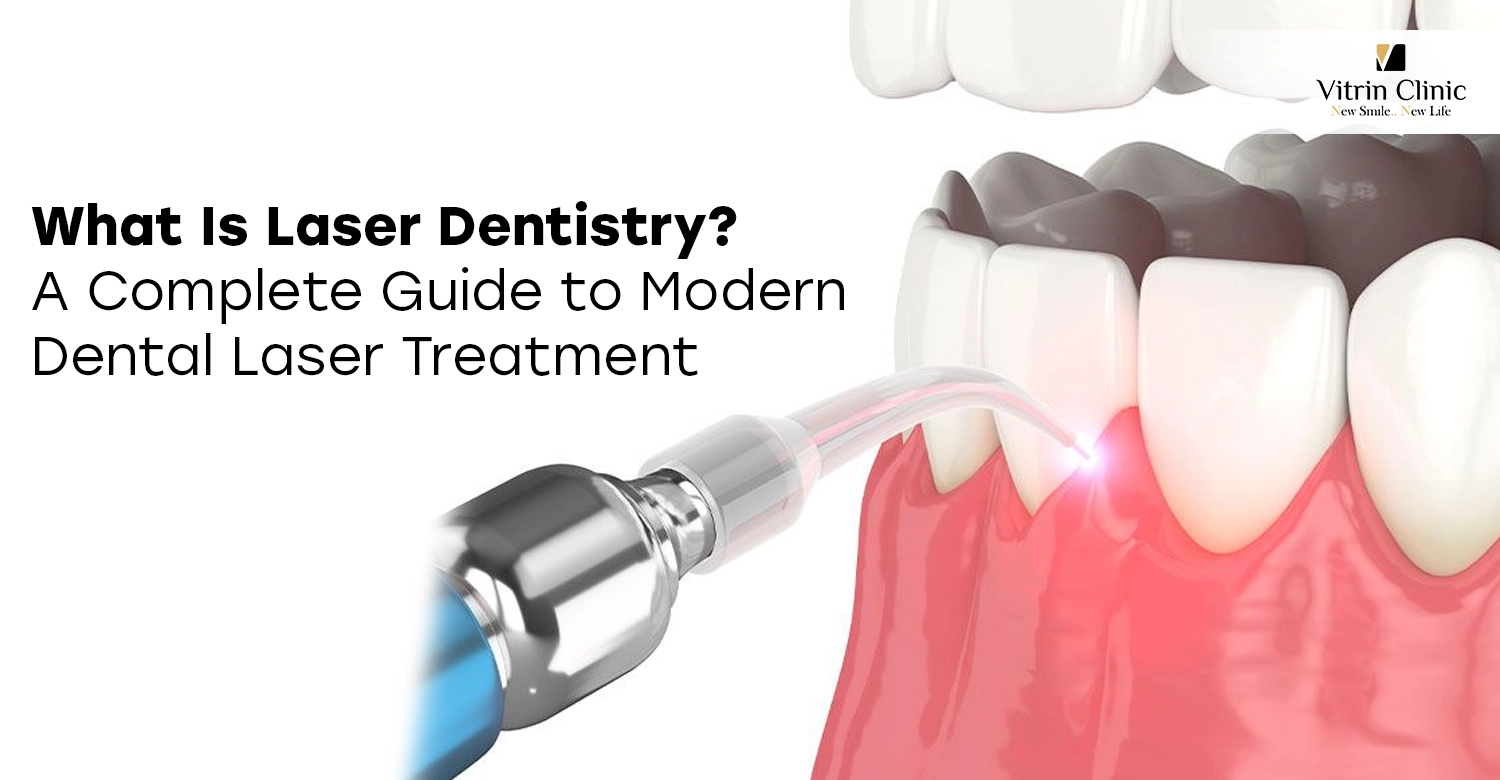
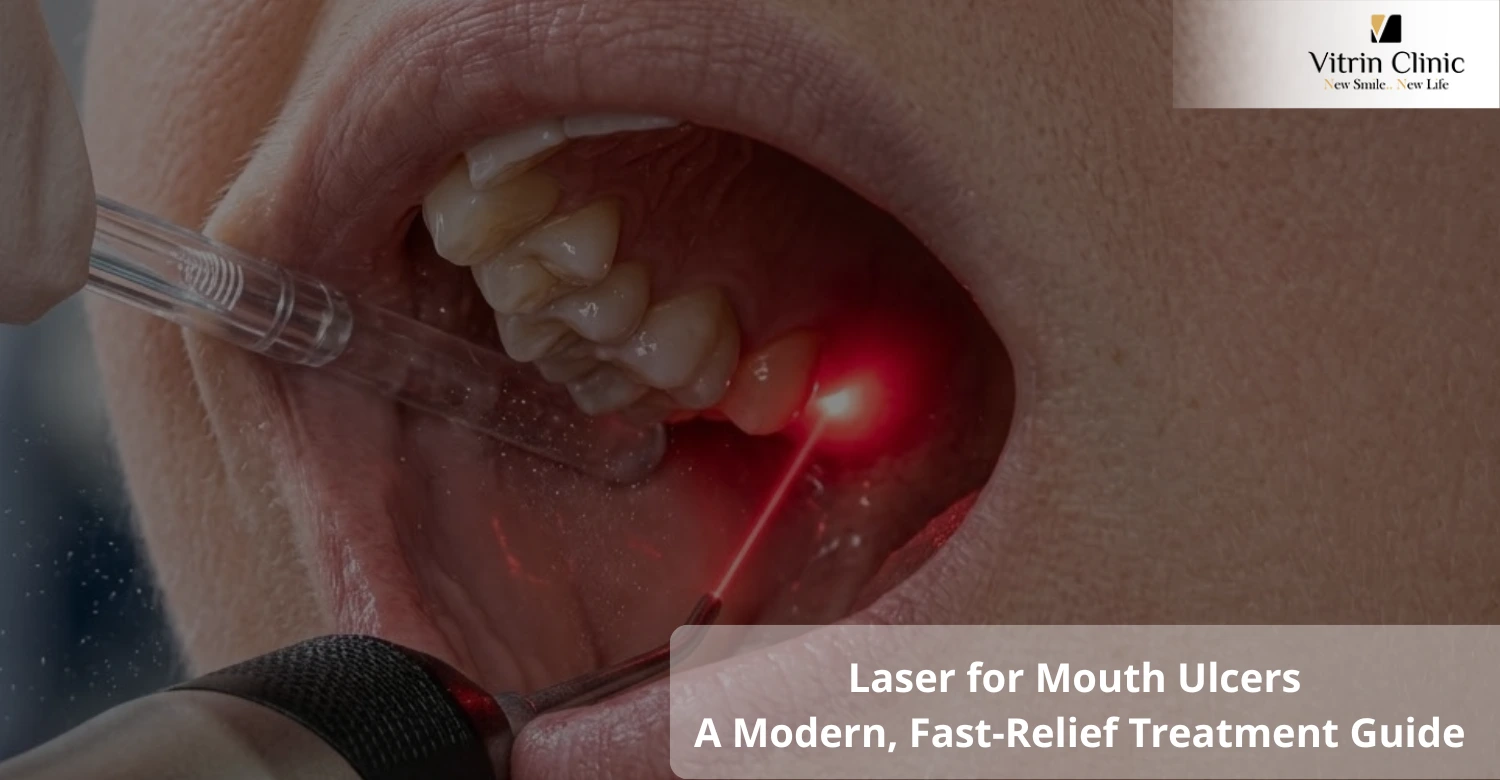
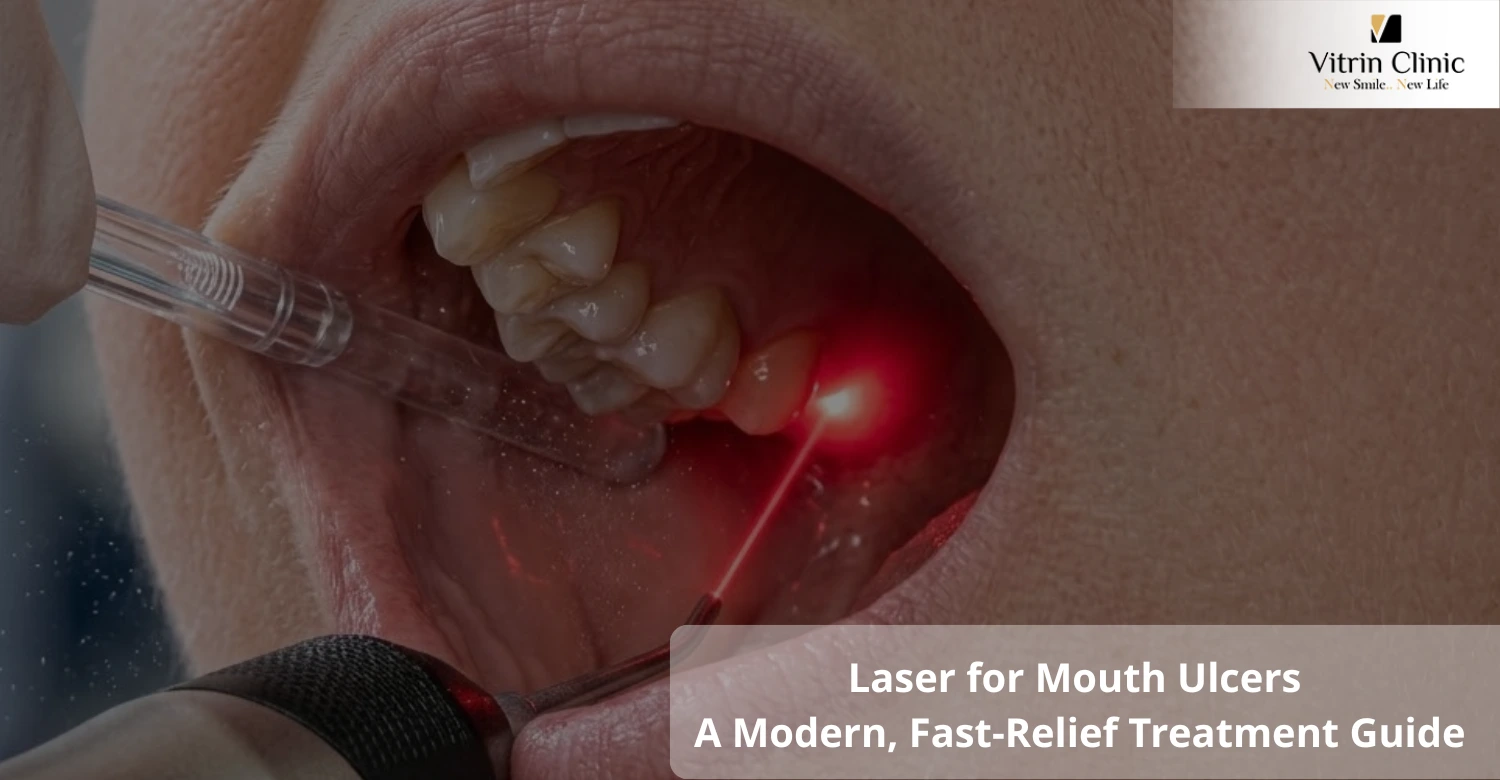
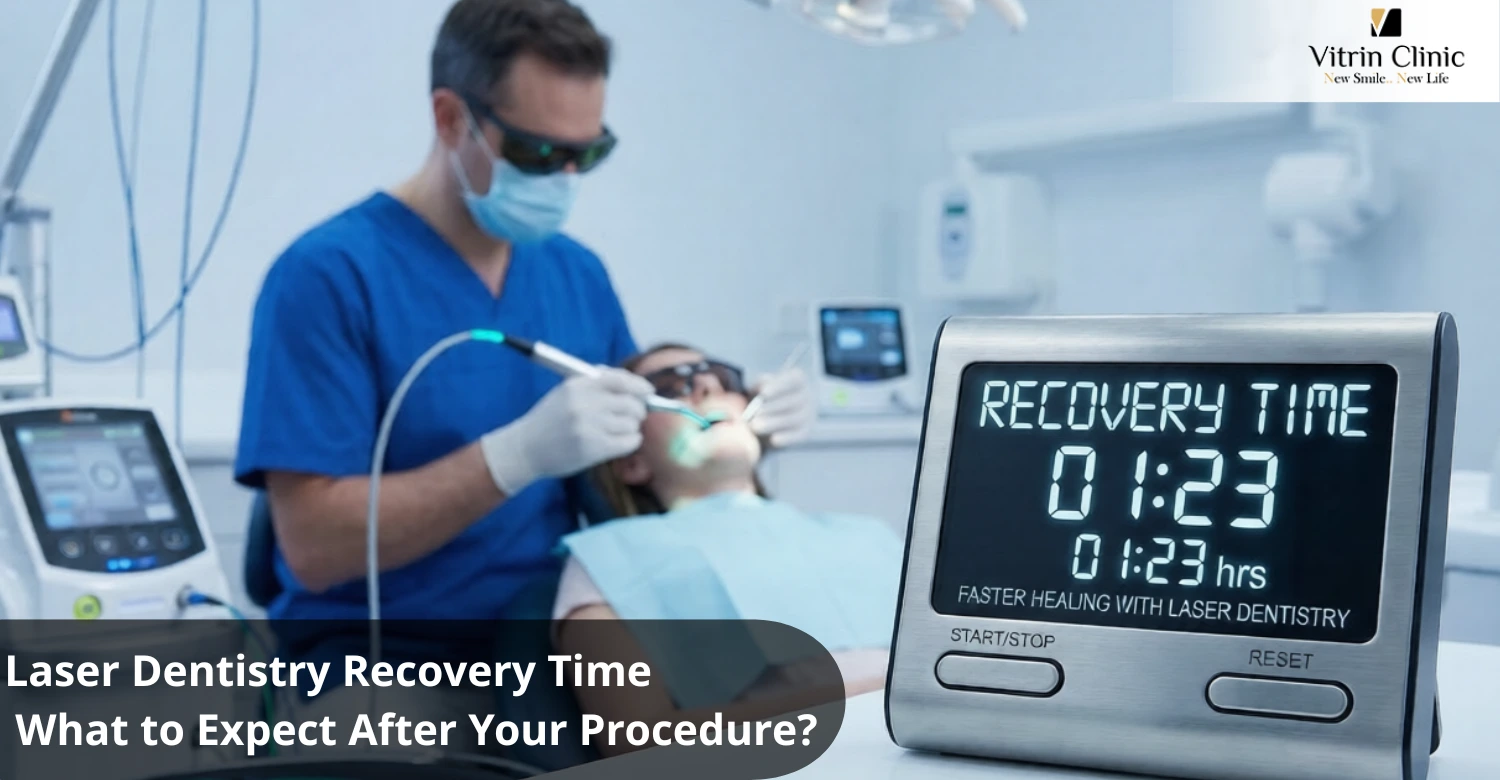
Understanding what is laser dentistry is essential for anyone seeking modern, minimally invasive dental care options. Laser dentistry involves using focused light energy to perform precise dental procedures with enhanced comfort and reduced recovery time. Learning about this technology helps patients make informed decisions about their oral health treatments and understand the advanced methods transforming dental care today.
Exploring laser dental technology reveals how this innovative approach revolutionizes traditional dental procedures. What is laser dentistry represents a significant advancement in dental medicine, offering alternatives to drills, scalpels, and other conventional instruments. Whether you’re curious about applications or seeking pain-free treatment options, this comprehensive guide explains everything about this cutting-edge dental technology.
What is laser dentistry involves using concentrated beams of light energy to perform various dental procedures with precision and minimal discomfort. Understanding this technology begins with recognizing that lasers can interact with both soft tissues like gums and hard tissues like teeth enamel. The technology allows dentists to target specific areas without affecting surrounding healthy tissue structures.
How dental lasers interact with soft and hard tissues depends on wavelength and energy settings. The technology uses different laser types optimized for specific procedures some excel at soft tissue work while others effectively treat hard tissues. The difference between traditional tools and laser technology includes reduced bleeding, less pain, faster healing, and greater precision.
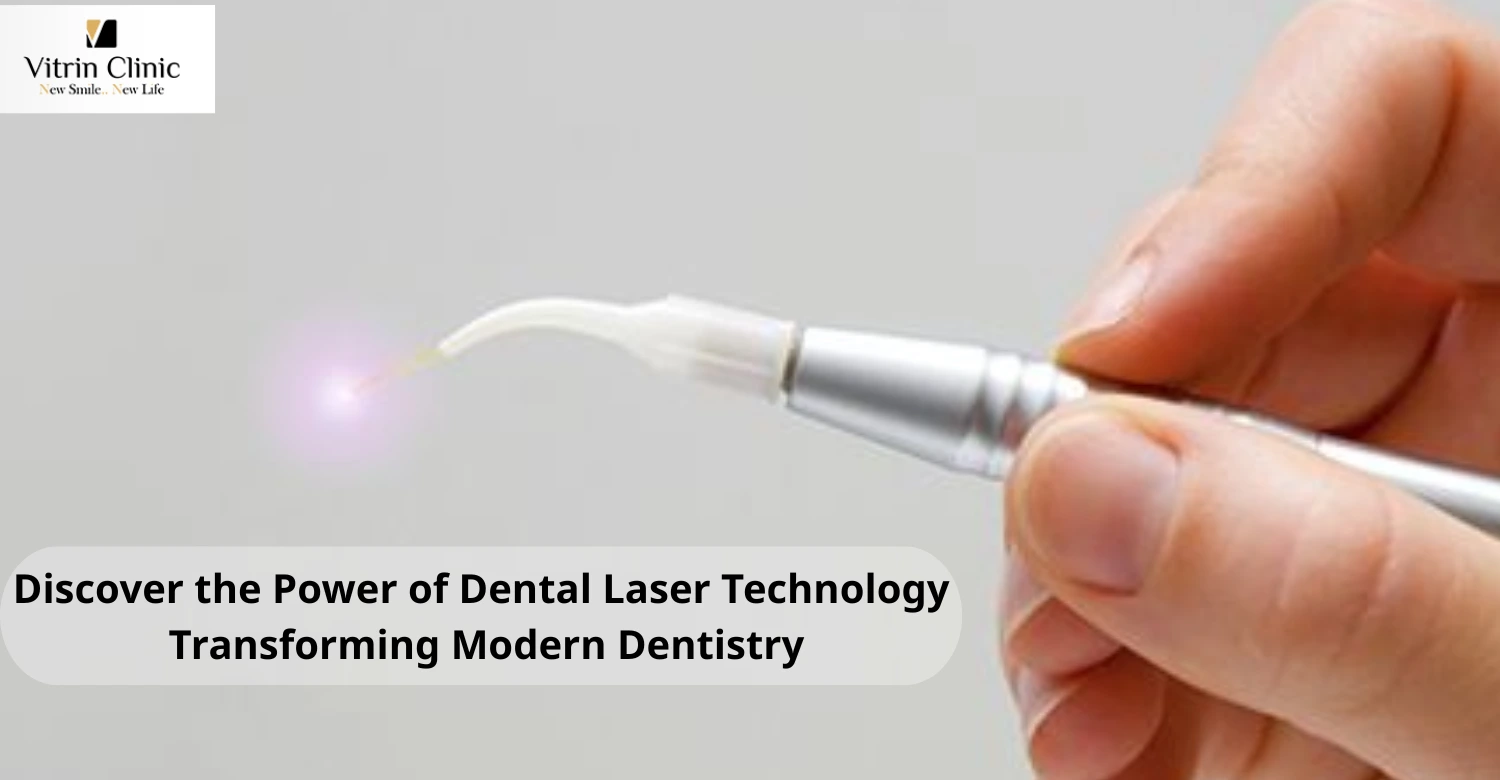
What is laser in dentistry refers to the application of Light Amplification by Stimulated Emission of Radiation technology for dental treatments. The basic definition encompasses various laser types producing concentrated light beams that cut, vaporize, or reshape dental tissues. Understanding this technology helps patients appreciate the versatility of these advanced treatment methods.
Types of dental lasers include soft tissue lasers for gum procedures and hard tissue lasers for tooth treatments. Applications range from simple cavity preparation to complex surgical procedures. Each laser type serves specific purposes, optimized for particular wavelengths and energy levels that interact effectively with targeted tissues. If you are experiencing unexpected issues, reading about signs of failure will provide you with the necessary steps to find immediate relief.
What is dental laser in dentistry used for includes numerous common procedures improving patient comfort and treatment outcomes. Understanding applications reveals uses in preventive care, restorative treatments, cosmetic procedures, and surgical interventions. The versatility of this technology makes it valuable for diverse dental needs across multiple specialties.
Benefits for patients and dentists include reduced anxiety, minimal bleeding, faster procedures, and improved precision. Applications encompass treatments previously requiring more invasive approaches. These advantages make laser technology an attractive option for patients seeking comfortable, efficient dental care with enhanced outcomes.
What is laser dentistry used for in modern dental care spans preventive, cosmetic, and surgical applications transforming patient experiences. Core applications include cavity detection and removal, gum disease treatment, teeth whitening, and soft tissue surgeries. Understanding these uses helps patients recognize when this technology benefits their specific dental needs. For those looking to improve their oral health, we highly recommend exploring how to discover the benefits to understand your options better.
The scope of applications continues expanding as technology advances and dentists gain expertise. Uses range from simple procedures like desensitizing teeth to complex surgeries like crown lengthening. This versatility makes laser technology relevant to nearly every dental specialty, improving outcomes across diverse treatments.
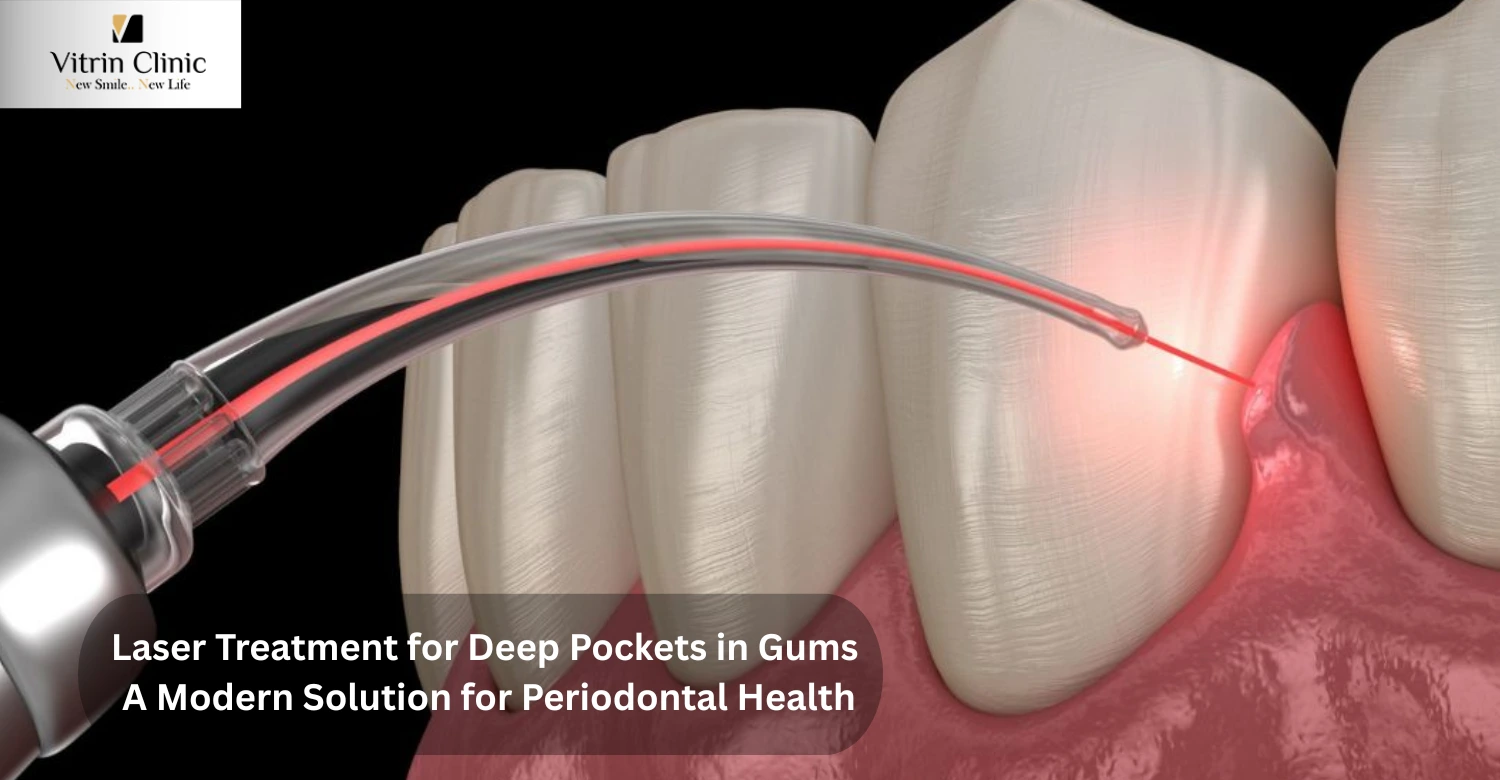
Soft tissue treatments represent a major area where laser technology excels, offering precise gum work with minimal discomfort. Gum reshaping and contouring using lasers creates aesthetically pleasing smile lines without traditional scalpels. Periodontal gum disease treatment utilizing lasers removes infected tissue and bacteria while promoting healing and tissue regeneration.
Frenectomy and soft tissue surgery performed with laser technology reduce bleeding and post-operative discomfort significantly. These procedures demonstrate advantages in soft tissue work, where precision and minimal trauma prove particularly beneficial. Patients experience faster recovery when laser techniques are employed for soft tissue procedures.
What is a diode laser in dentistry refers to a specific laser type particularly effective for soft tissue procedures and bacterial reduction. The explanation involves understanding how this semiconductor-based technology produces specific wavelengths ideal for gum treatments. Diode lasers represent one of the most common laser types in dental practices today.
Why diode lasers are popular for gum treatments relates to their excellent soft tissue interaction and compact size. What is diode laser in dentistry applications include precision cutting and coagulation that reduce bleeding during procedures. Understanding this technology helps patients appreciate why dentists often choose it for periodontal treatments.
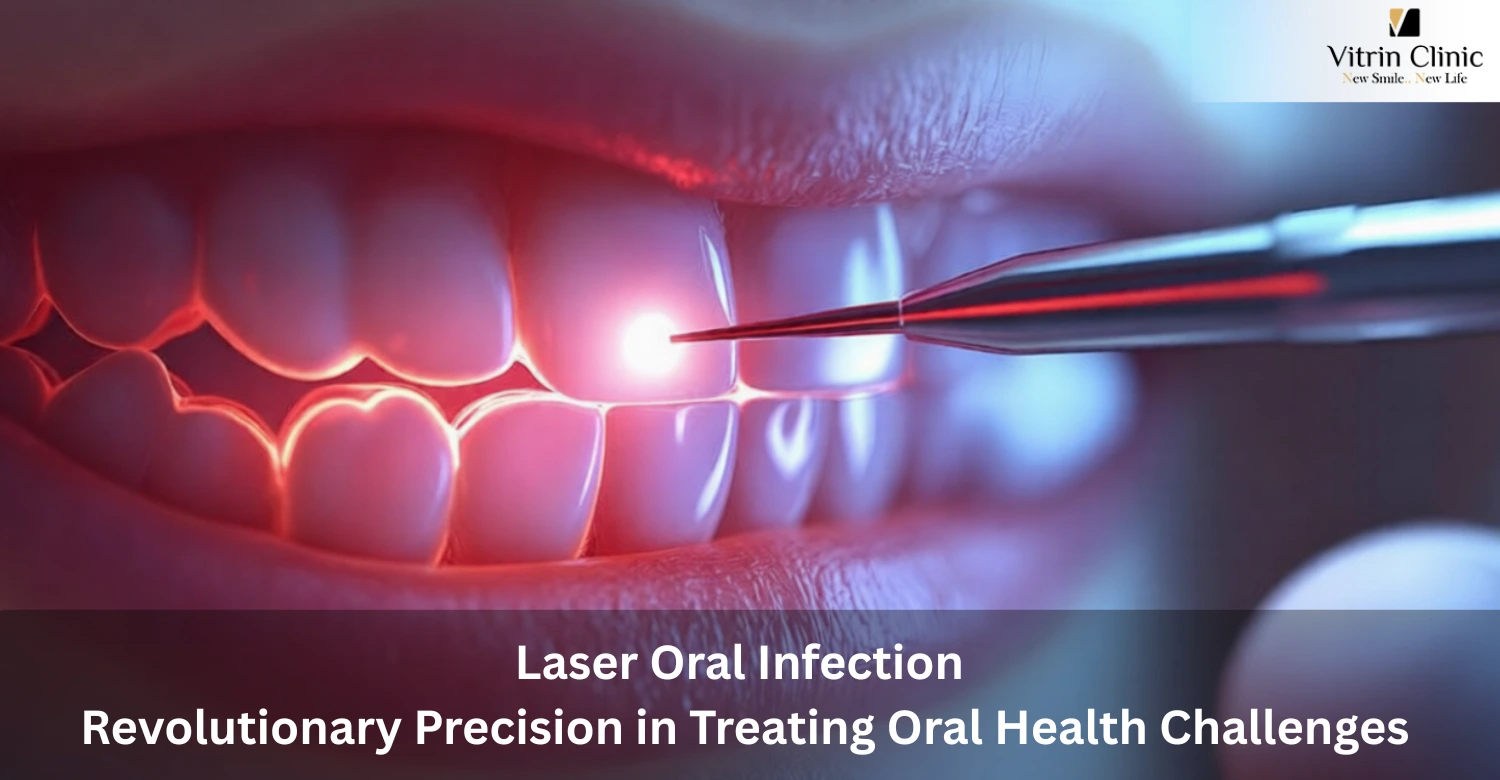
What is diode laser used for in dentistry includes gum depigmentation, removing dark spots from gum tissue for aesthetic improvement. Bacterial reduction represents another application, helping control infections in periodontal pockets. Post-surgical healing support demonstrates uses through bio-stimulation that accelerates tissue recovery significantly. Patients often ask about procedural differences, so it is crucial to review dental laser treatment before making any final medical decisions.
These diverse applications show this technology extends beyond simple cutting to include therapeutic benefits. What is diode laser used for in dentistry encompasses both treatment and healing support, making it versatile for comprehensive dental care. Understanding these applications highlights the technology’s multifaceted benefits for patients.
Hard tissue treatments show laser capabilities for working with tooth enamel and dentin effectively. Cavity preparation using lasers removes decay precisely while preserving healthy tooth structure better than traditional drilling. Tooth sensitivity treatment with lasers seals tubules reducing discomfort from hot and cold stimuli effectively.
These applications demonstrate potential for conservative dentistry that maximizes tooth preservation. Hard tissue lasers often reduce the need for anesthesia due to less heat and vibration. Patients appreciate benefits when experiencing comfortable cavity treatment without traditional drilling sounds and sensations.
What is water laser dentistry refers to systems using water spray combined with laser energy for cutting hard tissues. How water lasers work involves hydrokinetic energy that removes tooth structure efficiently and comfortably. Technology like Waterlase combines laser and water for drill-free cavity preparation.
Benefits for pain-free and drill-free dentistry make what is water laser dentistry particularly appealing to anxious patients. This technology offers reduced heat, vibration, and noise compared to traditional drills, minimizing discomfort significantly. Understanding water lasers helps patients recognize this option for more comfortable dental procedures.
If you want to achieve a healthier smile, learning about the various types of lasers can provide the necessary guidance and insight.
What is Solea laser dentistry represents a specific CO2 laser system known for virtually pain-free dental procedures. Overview of Solea laser technology includes its unique wavelength that works efficiently on both hard and soft tissues. Solea capabilities enable dentists to perform multiple procedures in single appointments.
Needle-free and anesthesia-free advantages define what is Solea laser dentistry appeal for patients with dental anxiety. Benefits include silent operation, no vibration, and minimal post-procedure discomfort. Understanding this advanced technology helps patients appreciate this option available at progressive dental practices.
What is advanced laser dentistry refers to sophisticated applications combining multiple laser technologies for comprehensive treatment. The definition encompasses using cutting-edge laser systems with enhanced capabilities beyond basic applications. How lasers improve precision and outcomes includes better tissue targeting and controlled energy delivery. When considering advanced dental procedures, taking the time to read about Vitrin Clinic laser technology will help you prepare for your upcoming appointment.
Reduced pain, bleeding, and recovery time characterize what is advanced laser dentistry compared to conventional methods. Importance lies in improved patient experiences and superior clinical outcomes through technological innovation. Understanding advanced applications helps patients seek practices offering the most modern treatment options available.
What is laser assisted dentistry involves combining lasers with traditional techniques for optimal results in specific procedures. The combination approach uses lasers to enhance conventional methods rather than replacing them entirely. When this hybrid approach is recommended depends on specific clinical situations where combined methods offer advantages.
Understanding this concept reveals flexibility in treatment planning, allowing dentists to optimize each procedure. What is laser assisted dentistry applications show how technology complements rather than completely replaces proven traditional techniques. This balanced approach ensures patients receive most appropriate treatment for their individual needs.
Key advantages for patients include reduced discomfort, faster healing, less bleeding, and often no need for anesthesia. However, situations where traditional dentistry may still be needed remind us that lasers don’t replace all conventional methods. Understanding both benefits and limitations ensures realistic expectations about treatment options.
While laser technology offers numerous advantages, some procedures still require traditional approaches due to cost, complexity, or clinical circumstances. Recognizing limitations helps patients make informed decisions in consultation with dental professionals. The balance between benefits and practical considerations guides appropriate treatment selection.
Questions to ask your dentist when considering laser treatment include inquiring about their training, experience, and specific laser types available. How to know if you’re a good candidate involves discussing your dental needs, health history, and treatment goals. Understanding suitability for your situation ensures appropriate treatment selection.
Expert guidance helps determine when laser technology provides optimal solutions versus when traditional methods remain preferable. Your dentist’s experience with lasers directly impacts treatment outcomes, making provider selection important. These considerations ensure you receive appropriate care whether laser treatment suits your needs or not.
How Vitrin Clinic uses advanced dental laser technology demonstrates our commitment to offering patients the benefits of modern treatment methods. Our practice embraces innovations in what is laser dentistry, providing comfortable, precise, and minimally invasive treatments. Understanding our approach reveals our dedication to modern care excellence. To ensure you receive the best possible care, you can always return to our homepage for a comprehensive overview of the clinic.
Commitment to comfort, precision, and modern care defines Vitrin Clinic’s approach to laser applications. Experienced dentists and state-of-the-art equipment ensure optimal outcomes when patients choose laser treatment at our practice. Patient-focused approach with minimally invasive treatments exemplifies how this technology aligns with our care philosophy.
Summary of key benefits demonstrates advantages in comfort, precision, and healing compared to traditional methods. Who should consider laser treatment includes anyone seeking minimally invasive procedures, patients with dental anxiety, and those requiring soft tissue work. Understanding this technology helps determine if it suits your dental needs.
Final thoughts on comfort, technology, and long-term oral health emphasize the role of what is laser dentistry in modern dental medicine. This technology represents significant advancement that will continue evolving and expanding in dental care. Embracing these options ensures access to the most comfortable, effective treatments available today.
What is laser dentistry involves using focused light energy for precise dental procedures with enhanced safety profiles. Yes, this technology is safe when performed by trained professionals using FDA-approved equipment. The safety record demonstrates this technology’s reliability for various dental treatments with minimal risks and complications.
What is laser dentistry used for most commonly includes gum disease treatment, cavity preparation, teeth whitening, and soft tissue procedures. Understanding applications reveals uses in periodontics, restorative dentistry, and cosmetic treatments. Applications continue expanding as technology advances and dentists gain expertise with these modern methods.
What is a diode laser in dentistry refers to a semiconductor-based laser particularly effective for soft tissue and bacterial reduction procedures. No, diode laser treatments are typically not painful, often requiring minimal or no anesthesia. This technology offers comfortable treatment experiences with reduced post-operative discomfort.
What is water laser dentistry combines laser with water spray for hard tissue work, while diode lasers excel at soft tissue procedures. The difference relates to wavelengths and intended applications, water lasers for cavity preparation, diodes for gum treatments. Understanding these distinctions helps patients know which type suits their needs.
What is advanced laser dentistry compared to traditional dentistry offers greater precision, less bleeding, reduced pain, and faster healing times. Advanced applications provide minimally invasive alternatives to drills and scalpels in many procedures. While traditional dentistry remains necessary for some treatments, laser technology expands comfortable treatment options significantly.

O Dr. Faisal Kayali possui mais de 7 anos de experiência clínica e faz parte atualmente da equipe médica da Vitrin Clinic.
Laser Dentistry
March 1, 2026