Laser Dentistry
March 10, 2026
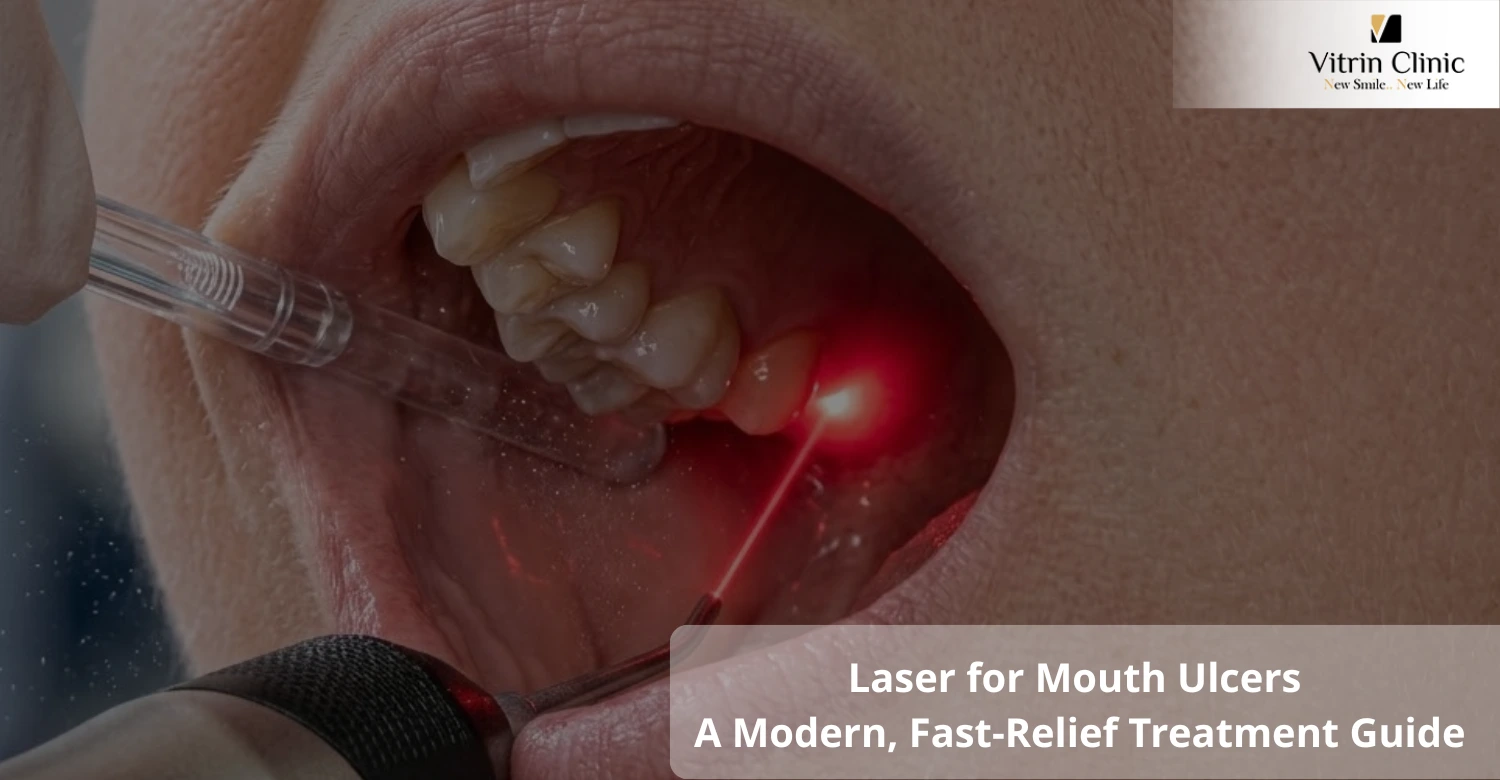
The use of lasers for oral biopsies is transforming dental diagnostics. This technology provides precision, safety, and patient comfort, offering an innovative alternative to traditional biopsy methods. With minimal invasiveness and enhanced healing, lasers allow clinicians to identify oral lesions effectively, making procedures faster, less painful, and more reliable for accurate diagnosis.
Lasers play a pivotal role in modern oral biopsies. Using a laser for oral biopsies, dentists can target specific tissue areas with accuracy while reducing trauma. This technology ensures minimal discomfort, improves healing, and enhances patient outcomes, making it an increasingly preferred choice in diagnostic procedures for oral lesions and suspicious tissue changes.
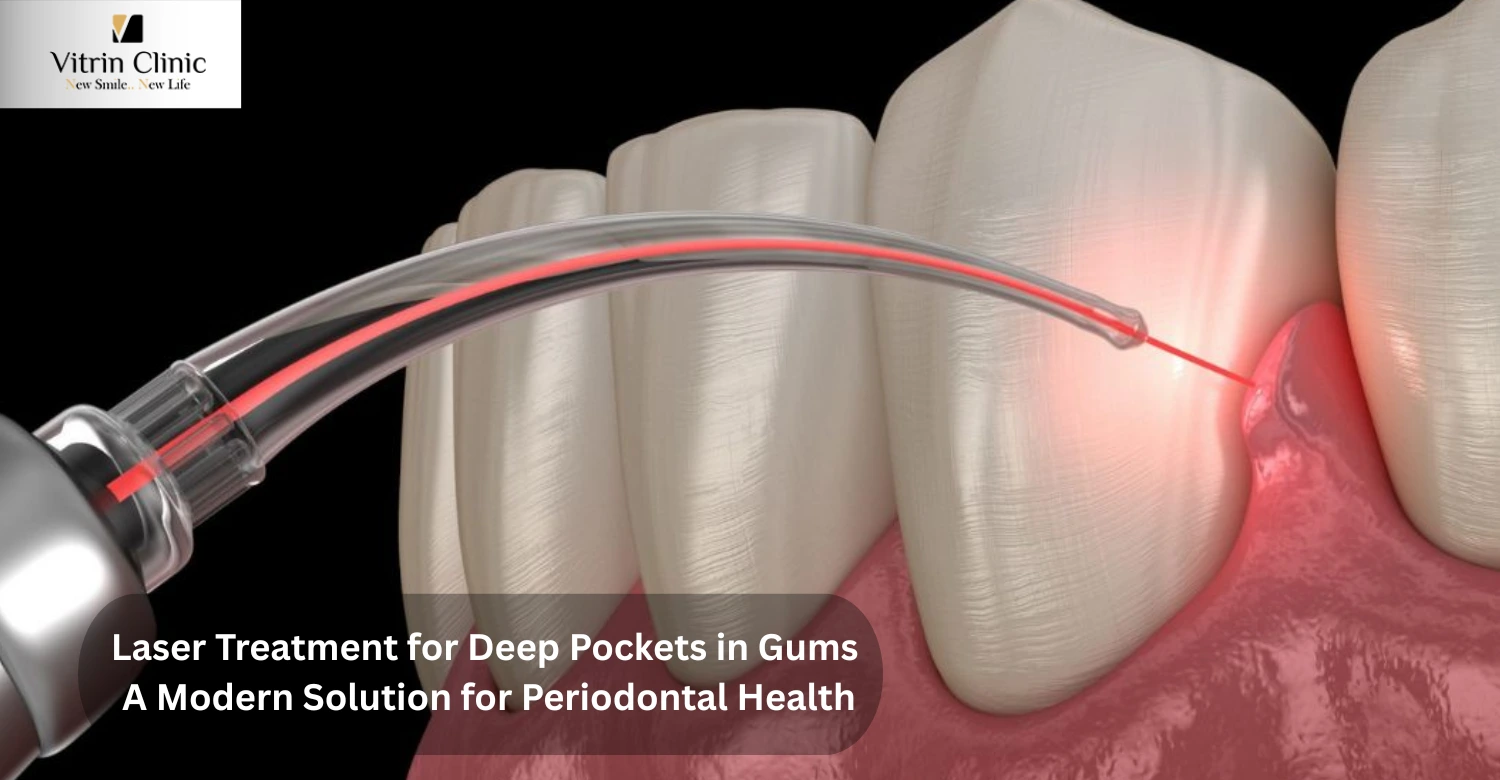
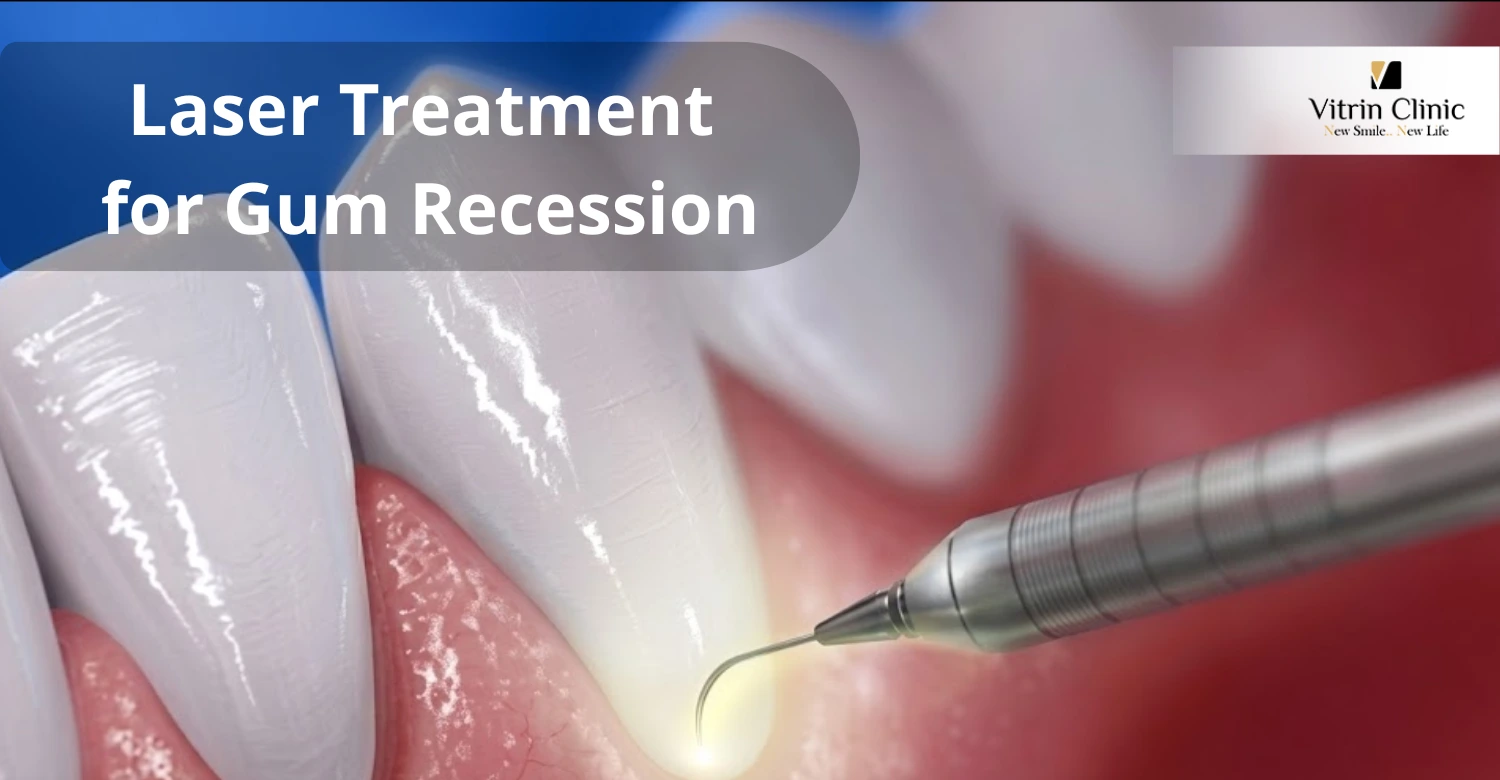
Laser technology works by emitting concentrated light that can precisely cut or vaporize tissue. A laser for oral biopsies allows clinicians to isolate affected areas without harming surrounding tissue. This method promotes clean margins, reduces bleeding, and preserves the sample for accurate histopathological analysis, enhancing both safety and diagnostic quality.
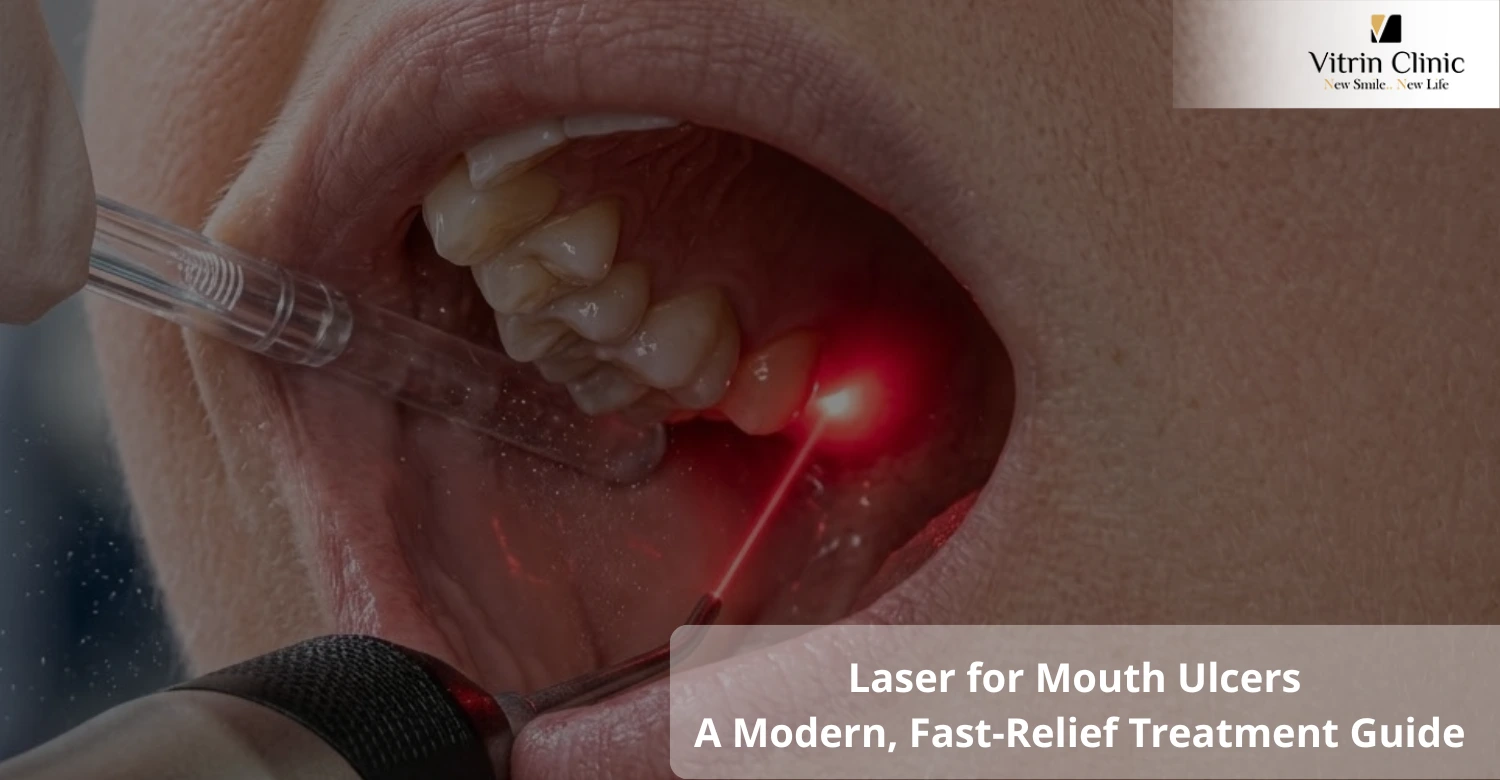
Various lasers are used for oral biopsies, including diode, CO₂, and Er:YAG lasers. Each offers distinct advantages for specific tissue types. Employing a laser for oral biopsies allows clinicians to select the most suitable technology, ensuring precision, minimal invasiveness, and patient comfort, while improving overall efficiency of the diagnostic procedure. If you want to achieve a brighter and healthier smile, learning about treating suspicious mouth ulcers can provide the necessary guidance and insight.
A key benefit of using a laser for oral biopsies is precision. The focused light targets only the affected tissue, preserving healthy areas. This minimal invasiveness reduces postoperative pain, enhances healing, and allows for a less stressful patient experience, setting laser biopsies apart from conventional scalpel-based methods.
Using a laser for oral biopsies significantly reduces bleeding and swelling. The laser cauterizes blood vessels as it cuts, minimizing complications. Patients experience less postoperative discomfort, and clinicians benefit from a clear surgical field, making procedures safer and more efficient while maintaining high quality tissue samples.
Laser-assisted biopsies offer multiple benefits over traditional techniques. The use of a laser for oral biopsies enhances patient comfort, reduces complications, and improves overall outcomes. These advantages contribute to faster recovery, accurate diagnostics, and higher satisfaction rates, making lasers a preferred choice for both clinicians and patients.
Patients report that using a laser for oral biopsies feels less invasive and more comfortable than conventional methods. Reduced pain, minimal bleeding, and decreased need for anesthesia improve the experience, making dental biopsies less intimidating, particularly for sensitive or anxious individuals seeking precise diagnostic care.
A laser for oral biopsies promotes faster healing due to reduced tissue trauma. Less inflammation and a lower risk of infection lead to improved recovery times. Patients can resume normal activities sooner, and clinicians can monitor tissue responses more effectively, ensuring optimal outcomes from the diagnostic procedure.
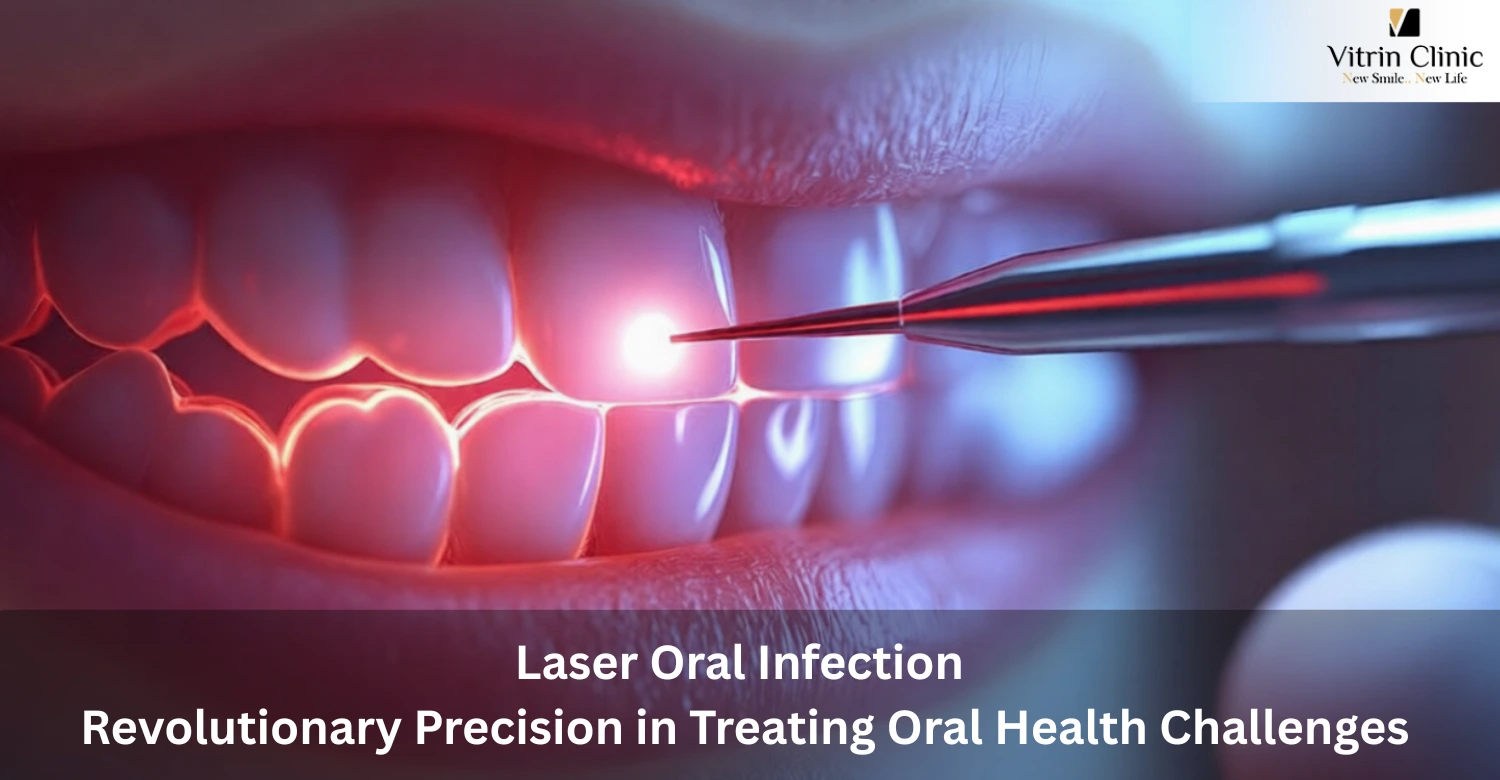
Precision is enhanced when using a laser for oral biopsies. Targeted tissue removal preserves critical margins, allowing pathologists to perform more accurate histological analysis. This ensures that diagnoses are reliable, supporting early intervention and better management of oral lesions and potential malignancies. When considering advanced dental procedures, taking the time to read about a laser oral infection will help you prepare for your upcoming appointment.
Laser biopsies streamline the procedure, reducing overall time compared to traditional methods. Using a laser for oral biopsies, clinicians can perform precise tissue excisions quickly, with minimal need for sutures. Faster procedures benefit patients and increase clinical efficiency while maintaining high diagnostic standards.
Lasers are widely applied in detecting, sampling, and analyzing oral lesions. A laser for oral biopsies allows clinicians to examine suspicious areas accurately and safely. From soft tissue lesions to early cancer detection, laser technology is versatile, minimally invasive, and applicable across diverse patient populations.
A laser for oral biopsies aids in detecting premalignant and malignant lesions with precision. Clinicians can remove small tissue samples while preserving surrounding structures. This targeted approach improves diagnostic confidence, facilitates early treatment, and ensures that suspicious areas are evaluated thoroughly and safely.
Soft tissue biopsies benefit greatly from a laser for oral biopsies. Lasers reduce bleeding, swelling, and postoperative discomfort while maintaining tissue integrity. The method is particularly effective in areas where precision is critical, ensuring that both diagnostic accuracy and patient comfort are maximized. To ensure you receive the best possible care, we suggest looking into the biopsy recovery timeline for a comprehensive overview of the treatment.
Using a laser for oral biopsies is ideal for children and sensitive patients. The minimally invasive nature of laser procedures reduces fear and discomfort, allowing safer, more effective tissue sampling. Pediatric patients experience less anxiety, and clinicians achieve accurate diagnostic results with minimal stress on the patient.
Clinical studies demonstrate that a laser for oral biopsies leads to high patient satisfaction, reduced complications, and reliable diagnostic outcomes. Case reports highlight effective removal of suspicious lesions with minimal invasiveness, reinforcing the technology’s role in modern oral diagnostics and patient-centered care.
At Vitrin Clinic, advanced technologies like lasers for oral biopsies are standard practice. Patients benefit from precision, safety, and improved comfort. The clinic integrates cutting-edge laser systems with expert dental care, ensuring reliable tissue sampling, efficient procedures, and enhanced recovery for patients undergoing oral diagnostic evaluations.
Post procedure care following a laser for oral biopsies is simplified due to minimal tissue trauma. Patients experience less bleeding, swelling, and discomfort, promoting a smoother recovery. Proper aftercare ensures tissue healing, reduces complications, and enhances the overall benefits of laser assisted oral diagnostic procedures.
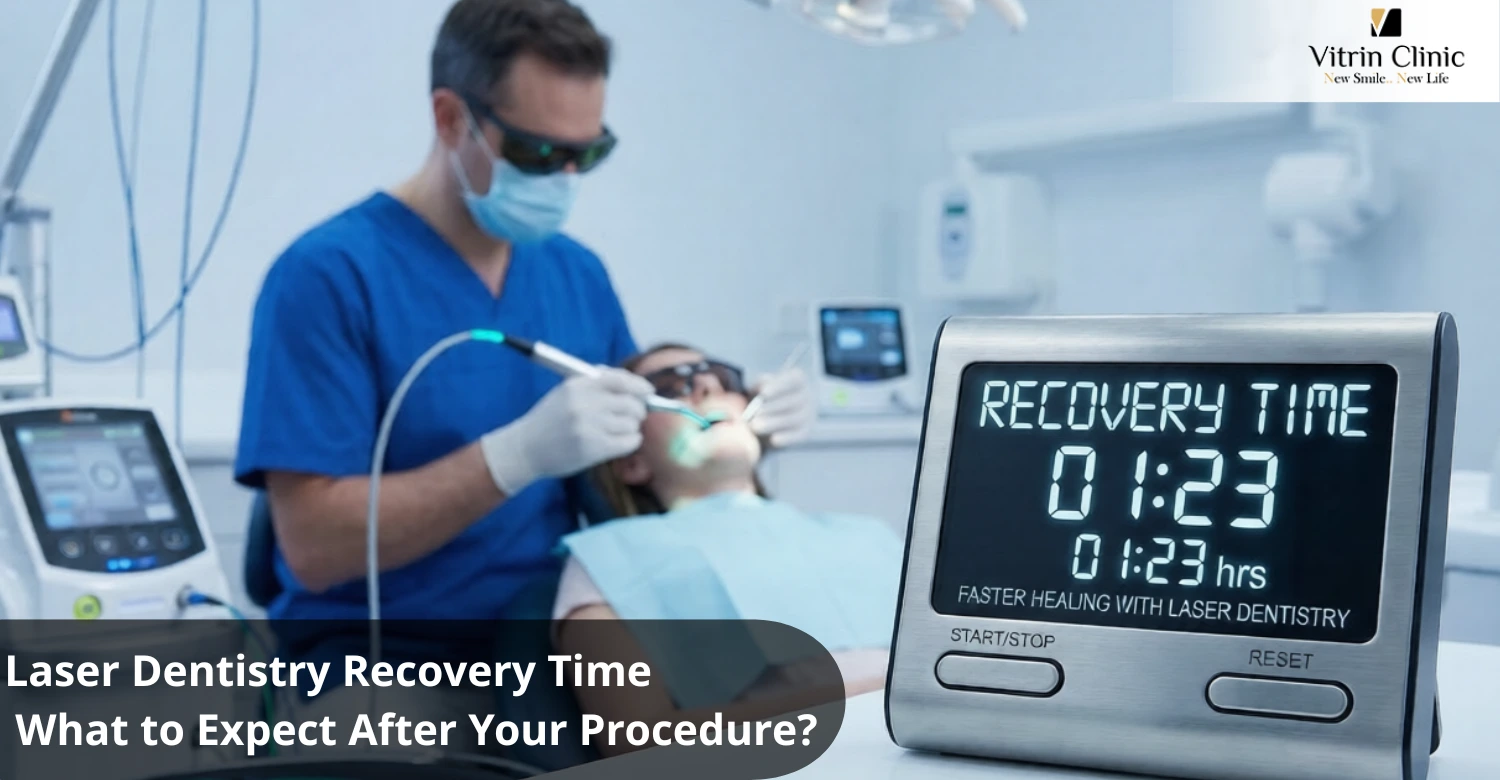
Recovery after a laser for oral biopsies is faster and more comfortable. Patients typically experience less pain and reduced swelling compared to traditional methods. Following post-procedure guidelines, including oral hygiene and dietary adjustments, ensures rapid healing and successful diagnostic outcomes.
Long-term, a laser for oral biopsies preserves tissue integrity, reduces scarring, and maintains oral function. Patients benefit from improved aesthetics, quicker recovery for subsequent procedures, and reliable diagnostic results, making laser-assisted biopsies an excellent investment in oral health and patient safety.
The use of a laser for oral biopsies greatly enhances patient comfort. Reduced pain, minimal swelling, and quick recovery lead to higher satisfaction. Patients are more willing to undergo necessary diagnostic procedures, contributing to proactive oral health management and better long-term outcomes.
While lasers may involve higher initial costs, a laser for oral biopsies offers efficiency, reduced recovery time, and fewer complications, often balancing overall expenses. Clinics like Vitrin make these procedures accessible, providing patients with advanced care options without compromising affordability or quality. Many individuals find that learning more about the tools used for the procedure significantly reduces their anxiety and helps them make informed choices.
Vitrin Clinic ensures safe and effective procedures using lasers for oral biopsies. Expert clinicians, state of the art equipment, and patient focused care guarantee precision, minimal discomfort, and reliable diagnostic outcomes. Patients can trust the clinic for advanced oral diagnostics with enhanced comfort, safety, and recovery.
A laser for oral biopsies uses concentrated light to remove tissue precisely, reducing trauma, bleeding, and recovery time compared to scalpel methods. It ensures minimal invasiveness while maintaining sample integrity for accurate diagnosis.
Yes. A laser for oral biopsies is safe for children, sensitive patients, and adults. Its precision, reduced invasiveness, and minimal discomfort make it suitable across age groups and medical conditions.
Recovery from a laser for oral biopsies is faster than traditional methods, typically a few days to a week, depending on the tissue sampled. Reduced swelling, bleeding, and trauma accelerate healing.
Yes. Using a laser for oral biopsies minimizes pain, swelling, and bleeding. The laser cauterizes as it cuts, providing a more comfortable patient experience and faster recovery.
Absolutely. A laser for oral biopsies allows precise tissue removal, preserving critical margins and ensuring high quality samples for histopathology, enhancing diagnostic reliability for suspicious oral lesions. Before scheduling your next clinic visit, taking a moment to research Vitrin Clinic treatments can clarify what to expect during your procedure.
Professional procedures using lasers for oral biopsies are available at specialized clinics like Vitrin Clinic, where expert clinicians and advanced technology ensure safety, accuracy, and optimal patient comfort.

O Dr. Faisal Kayali possui mais de 7 anos de experiência clínica e faz parte atualmente da equipe médica da Vitrin Clinic.