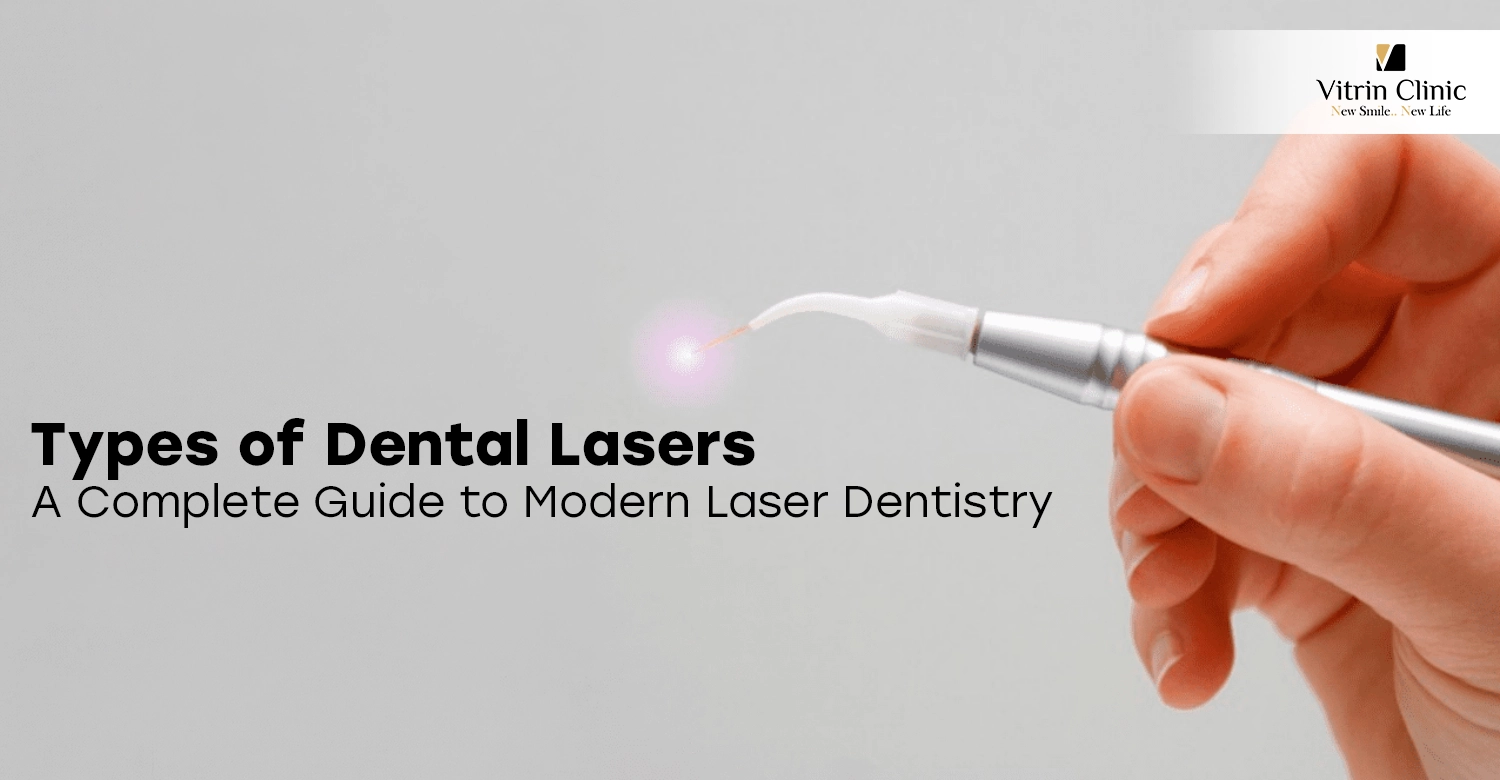
In this guide, we explore the types of dental lasers that revolutionize modern dentistry. Understanding different types of dental lasers helps in appreciating their precision and efficiency. From soft tissue to hard tissue applications, each type of dental lasers offers unique benefits for various procedures, enhancing patient comfort and outcomes.
Types of dental lasers play a crucial role in contemporary dental practices, enabling minimally invasive treatments. These devices use focused light energy to target specific tissues, reducing the need for traditional tools like drills or scalpels. By understanding the main types of dental lasers, patients can make informed decisions about their care.
Why understanding laser types matters for patients and dentists is evident in treatment personalization. Different types of dental lasers allow for tailored approaches, minimizing pain and recovery time. Dentists benefit from enhanced accuracy, while patients experience less anxiety, making laser dentistry a preferred option in advanced clinics.
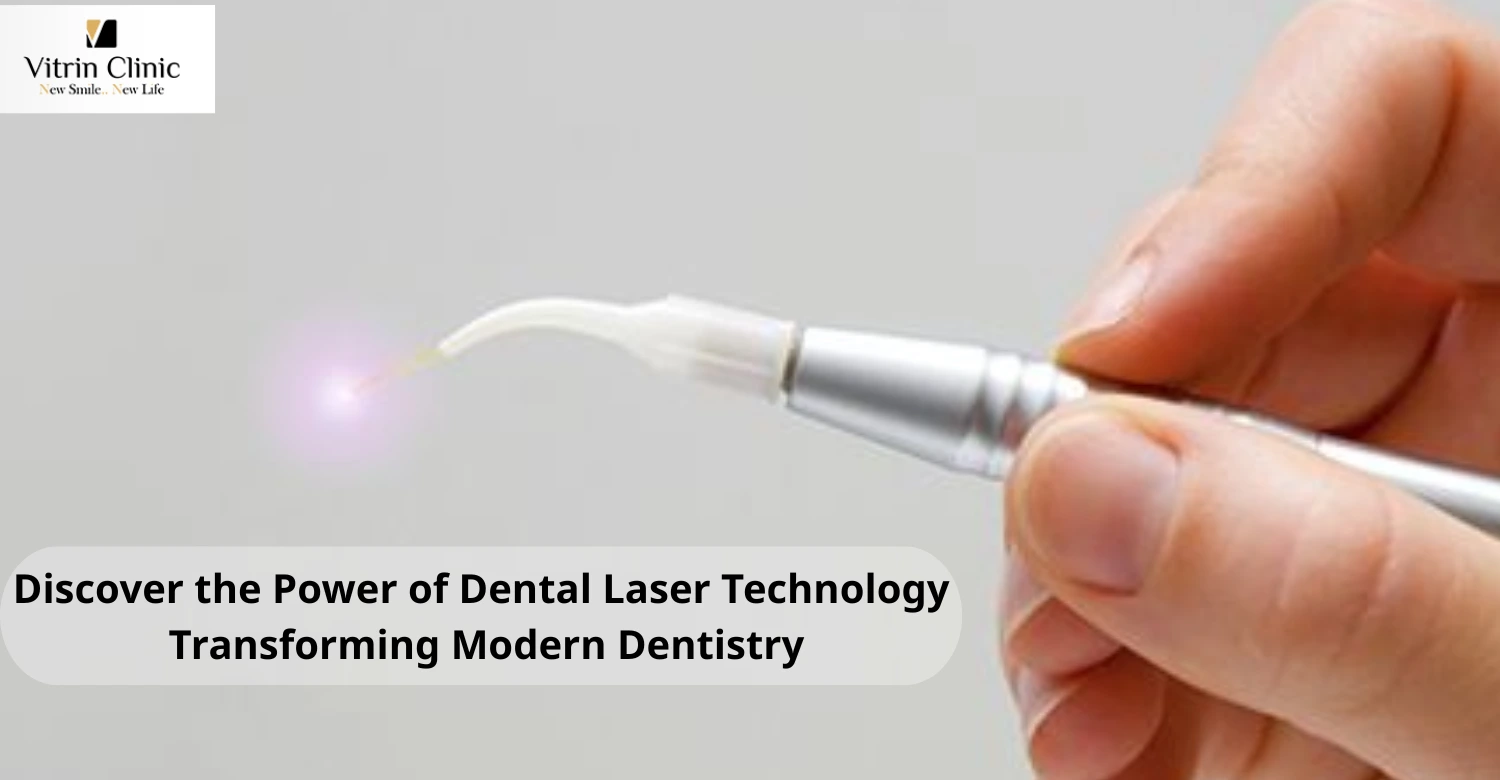
An overview of how dental lasers work involves amplifying light through stimulated emission. This process creates a concentrated beam that interacts with tissues via absorption, vaporization, or coagulation. The type of dental lasers determines wavelength and energy, influencing their application in cutting, sealing, or sterilizing oral structures effectively. Patients often ask about procedural differences, so it is crucial to review dental laser technology before making any final medical decisions.
Different types of dental lasers are classified by tissue type, primarily soft or hard. Soft tissue lasers focus on gums and mucosa, while hard tissue ones target enamel and bone. This classification ensures precise interventions, adapting to the unique properties of each tissue for optimal results.
Safety and precision considerations are paramount with any type of dental lasers. They incorporate protective measures like eyewear and controlled energy levels to prevent unintended damage. Precision stems from adjustable settings, allowing dentists to focus on targeted areas, reducing risks and improving procedural accuracy in clinical settings.
Types of dental lasers are categorized in dentistry based on their wavelength and interaction with tissues. This system helps in selecting the appropriate tool for specific procedures, ensuring efficiency and safety. Categories include those for soft tissues, hard tissues, and versatile options that handle both.
Key differences between soft tissue and hard tissue lasers lie in their absorption rates. Soft tissue types of dental lasers are absorbed by water and hemoglobin, ideal for cutting gums without much bleeding. Hard tissue lasers target hydroxyapatite in teeth, enabling drilling-like actions with less heat and vibration for patient comfort.
Soft tissue dental lasers serve purposes like precise cutting and coagulation in common procedures such as frenectomies or lesion removals. Their ability to seal blood vessels minimizes bleeding, promoting faster healing. This type of dental lasers is essential for managing oral soft tissue issues effectively.
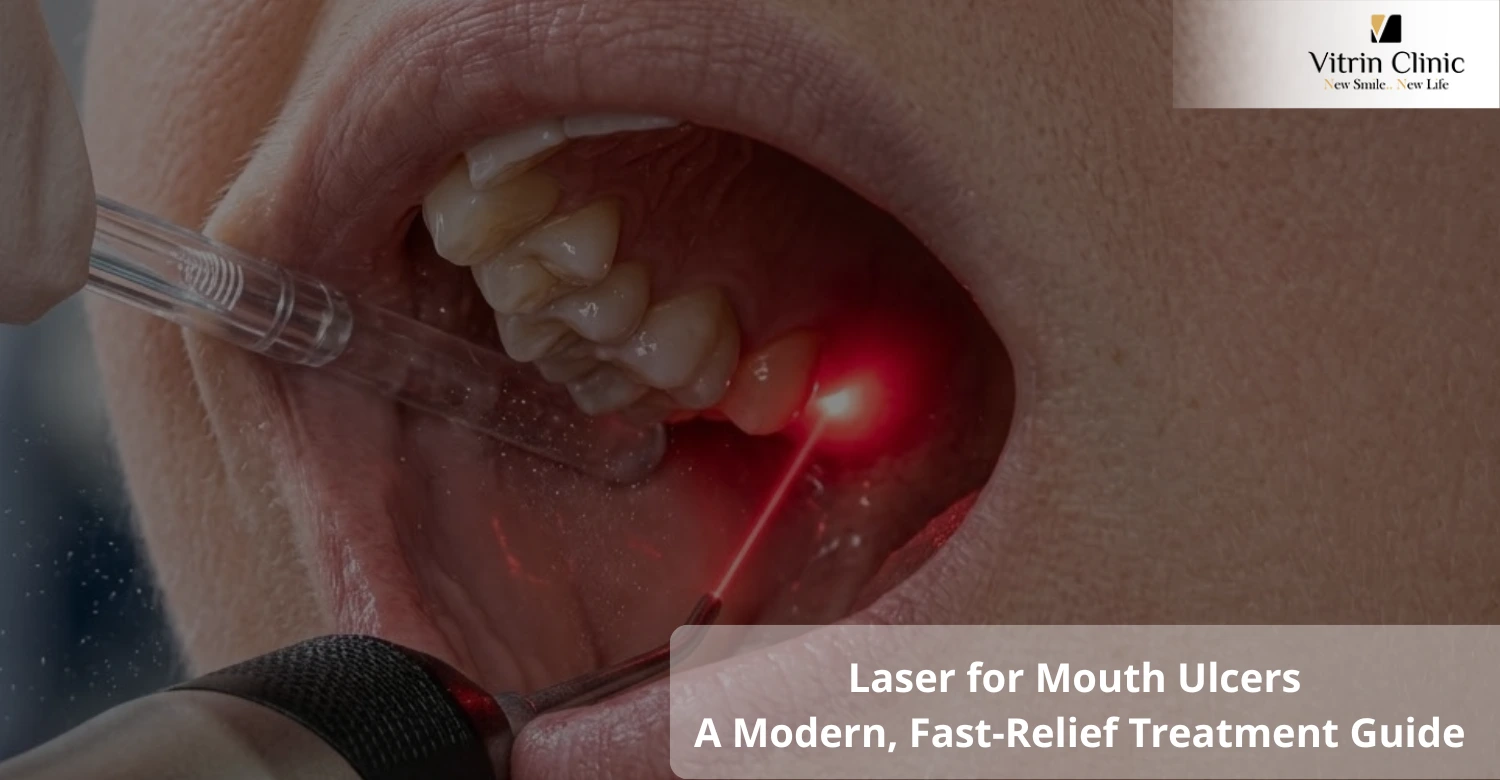
Ideal treatments for gums and oral soft tissues include reshaping gum lines or treating ulcers. These lasers provide antibacterial effects, reducing infection risks. Patients often report less postoperative discomfort, making this type of dental lasers a go-to for periodontal therapies and aesthetic enhancements in dentistry.
Diode lasers are the most common type of dental lasers for soft tissue applications. Their compact size and affordability make them popular in clinics. They operate at wavelengths that target pigmented tissues, offering versatility in everyday dental tasks without requiring extensive setup.
Uses in gum treatments and periodontal care involve contouring overgrown gums or decontaminating pockets. This type of dental lasers aids in bacterial reduction, supporting tissue regeneration. Benefits include minimal swelling and quick recovery, enhancing patient satisfaction in managing chronic gum conditions.
CO₂ lasers provide high precision in soft tissue surgery by vaporizing water content efficiently. Their shallow penetration depth allows for controlled incisions, ideal for delicate oral procedures. This type of dental lasers excels in minimizing thermal damage to surrounding areas.
Benefits for bleeding control and healing stem from their coagulating properties, sealing vessels instantly. Patients experience reduced pain and faster wound closure. In dentistry, this type of dental lasers supports procedures like biopsies or tumor removals with superior outcomes.
Hard tissue dental lasers are designed for teeth and bone procedures, such as cavity preparation or bone reshaping. They use wavelengths absorbed by minerals in enamel, allowing precise ablation without mechanical contact. This type of dental lasers reduces the need for anesthesia in many cases.
How they differ from soft tissue lasers is in their focus on crystalline structures rather than water-rich tissues. Hard tissue types require higher energy for cutting, but they produce less heat overall, preserving vitality and comfort during treatments like fillings or extractions. If you want to achieve a brighter and healthier smile, learning about the basics of laser dentistry can provide the necessary guidance.
Er:YAG lasers have applications in cavity preparation by selectively removing decayed enamel. Their water absorption mechanism creates micro-explosions for efficient material removal. This type of dental lasers is favored for conservative dentistry, preserving healthy tooth structure.
Minimal discomfort and vibration make Er:YAG a patient-friendly option. Unlike drills, it avoids noise and pressure, reducing anxiety. Benefits include precise control, making this type of dental lasers suitable for pediatric or sensitive patients in routine restorative work.
Er,Cr:YSGG lasers feature advanced technology for hard and soft tissues, using a hydrokinetic process with water spray. This enhances cutting efficiency while cooling the area. Versatility allows seamless transitions between tissue types in complex procedures.
Versatility in modern dentistry includes enamel etching, root canal disinfection, and gum surgery. This type of dental lasers combines precision with reduced thermal effects, promoting better healing. It’s ideal for multifaceted treatments, elevating overall dental care standards.
Different types of dental lasers match with dental procedures based on their specific wavelengths and effects. For instance, diode for soft tissues and Er:YAG for hard ones ensure targeted efficacy. Proper matching optimizes results, from whitening to surgeries.
Importance of dentist expertise cannot be overstated when using any type of dental lasers. Skilled professionals assess patient needs, select appropriate devices, and adjust settings for safety. Expertise ensures complications are minimized, maximizing the benefits of laser technology in clinical practice. When considering advanced dental procedures, taking the time to read about specialized periodontal tools will help you prepare for your upcoming appointment.
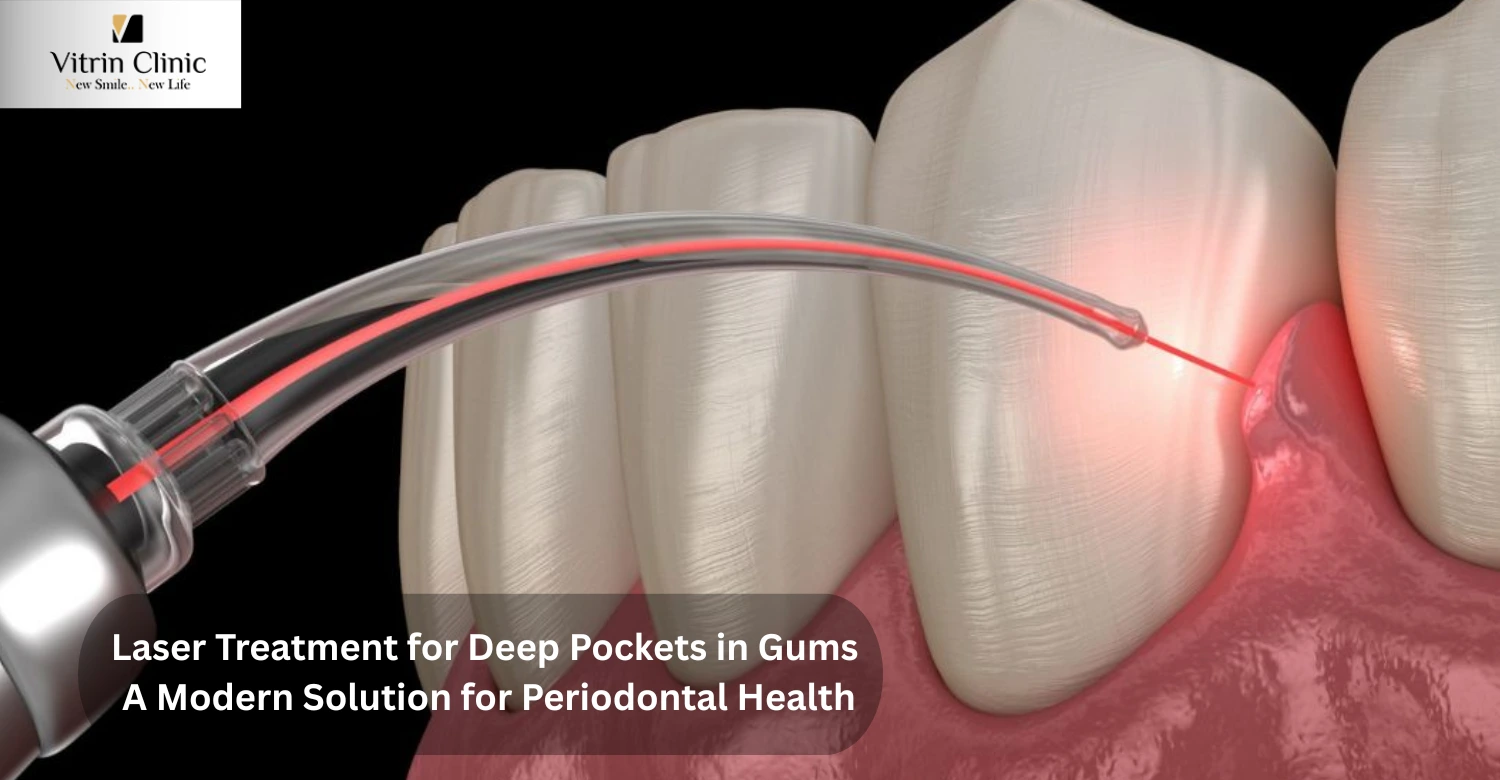
Type of dental lasers in gum disease management target inflamed tissues and bacteria. They facilitate deep cleaning by removing diseased layers without invasive surgery. This approach supports non-surgical periodontal therapy, improving long-term oral health outcomes.
Bacterial reduction and tissue regeneration are achieved through photothermal effects that kill pathogens while stimulating healing. Lasers like diode promote collagen production, aiding pocket reduction. This type of dental lasers offers a gentle alternative for chronic periodontitis management.
Type of dental lasers in gum contouring and smile design reshape uneven gum lines for aesthetic appeal. They provide precise sculpting with minimal invasiveness, enhancing symmetry. Ideal for patients seeking smile makeovers without extensive recovery.
Support for veneers and crowns involves preparing teeth surfaces or adjusting soft tissues. Lasers ensure clean margins and reduced sensitivity. This type of dental lasers integrates seamlessly into cosmetic workflows, delivering natural-looking results with efficiency.
Improved precision and comfort come from selecting the appropriate type of dental lasers, allowing targeted treatments without affecting adjacent areas. Patients feel less pain, often eliminating anesthesia needs, while dentists achieve finer control for superior results. To ensure you receive the best possible care, we suggest looking into a laser for oral biopsies for a comprehensive overview of the treatment.
Faster healing and reduced bleeding are hallmarks of laser use, as they seal vessels and sterilize sites instantly. This minimizes swelling and downtime, enabling quicker return to normal activities. Choosing the right type of dental lasers enhances overall patient experience.
Lower risk of infection results from the antibacterial properties of lasers, which vaporize microbes during procedures. Without open wounds from traditional tools, cross-contamination decreases. Proper type of dental lasers selection ensures safer, more hygienic dental interventions.
Questions to ask your dentist include inquiring about their experience with specific types of dental lasers and expected outcomes. Discuss potential side effects and recovery timelines to align with your needs and comfort level.
Understanding which laser type is best for your case involves evaluating your condition, such as gum issues favoring diode or cavity work suiting Er:YAG. Consultations help match the type of dental lasers to your treatment goals for optimal results.
Types of dental lasers continue to evolve with advancements in wavelength technology and integration with digital tools. Innovations focus on multifunctionality, allowing single devices to handle diverse procedures more efficiently in progressive dental settings.
Future developments in laser dental care may include AI-assisted targeting and portable units. Enhanced biocompatibility and speed could broaden applications, making different types of dental lasers even more integral to routine and specialized care worldwide.
Different types of dental lasers offer less pain compared to traditional tools like drills, which cause vibration and noise. Recovery is faster with lasers due to minimal tissue trauma, versus longer healing from mechanical methods. Treatment efficiency improves with precise, quicker sessions.
Laser technologies used at Vitrin Clinic include diode, CO₂, Er:YAG, and Er,Cr:YSGG for comprehensive care. These types of dental lasers ensure state-of-the-art treatments tailored to individual needs, emphasizing innovation in patient services.
Focus on precision, safety, and patient comfort at Vitrin Clinic involves rigorous protocols and advanced training. Each type of dental lasers is selected to minimize risks while maximizing effectiveness, creating a reassuring environment for all procedures.
Expertise in both soft and hard tissue laser treatments at Vitrin Clinic allows for versatile applications, from gum therapies to restorative work. This proficiency ensures high-quality outcomes, positioning the clinic as a leader in laser dentistry. Many individuals find that learning more about clinical laser applications significantly reduces their anxiety and helps them make informed healthcare choices.
Summary of key laser types includes diode and CO₂ for soft tissues, Er:YAG and Er,Cr:YSGG for hard tissues. These types of dental lasers cover a wide range of dental needs, from basic to advanced procedures.
Why laser selection matters for treatment success lies in matching the type of dental lasers to the specific tissue and condition. Proper choice enhances precision, reduces complications, and improves patient satisfaction in modern practices.
Final thoughts on modern, patient-focused laser dentistry highlight how understanding different types of dental lasers empowers choices. This technology prioritizes comfort and efficiency, transforming traditional dentistry into a more accessible and effective field.
FAQs :
The main types of dental lasers are soft tissue lasers like diode and CO₂, and hard tissue lasers such as Er:YAG and Er,Cr:YSGG. These different types of dental lasers address specific needs, from gum treatments to cavity preparations, offering versatility in dental care.
Soft tissue dental lasers target water and pigments in gums for cutting and coagulation with minimal bleeding. Hard tissue types of dental lasers focus on minerals in teeth for ablation, reducing vibration. The key difference is in wavelength and tissue interaction for specialized applications.
Diode and CO₂ are common types of dental lasers for gum treatments. They excel in periodontal care by reducing bacteria and reshaping tissues. This type of dental lasers provides precision and faster healing, ideal for managing gum disease or aesthetic contouring.
Yes, different types of dental lasers are safe when used by trained professionals. They include built-in safety features like controlled energy and protective gear. Risks are minimal compared to traditional methods, with lower infection and tissue damage potential.
Dentists choose the right type of dental lasers based on the procedure, tissue type, and patient needs. They assess factors like wavelength suitability and desired outcomes. Expertise ensures selection of the most effective and safe option for optimal results.
Laser Dentistry
March 3, 2026

O Dr. Faisal Kayali possui mais de 7 anos de experiência clínica e faz parte atualmente da equipe médica da Vitrin Clinic.