Cosmetic Dentistry
June 19, 2025

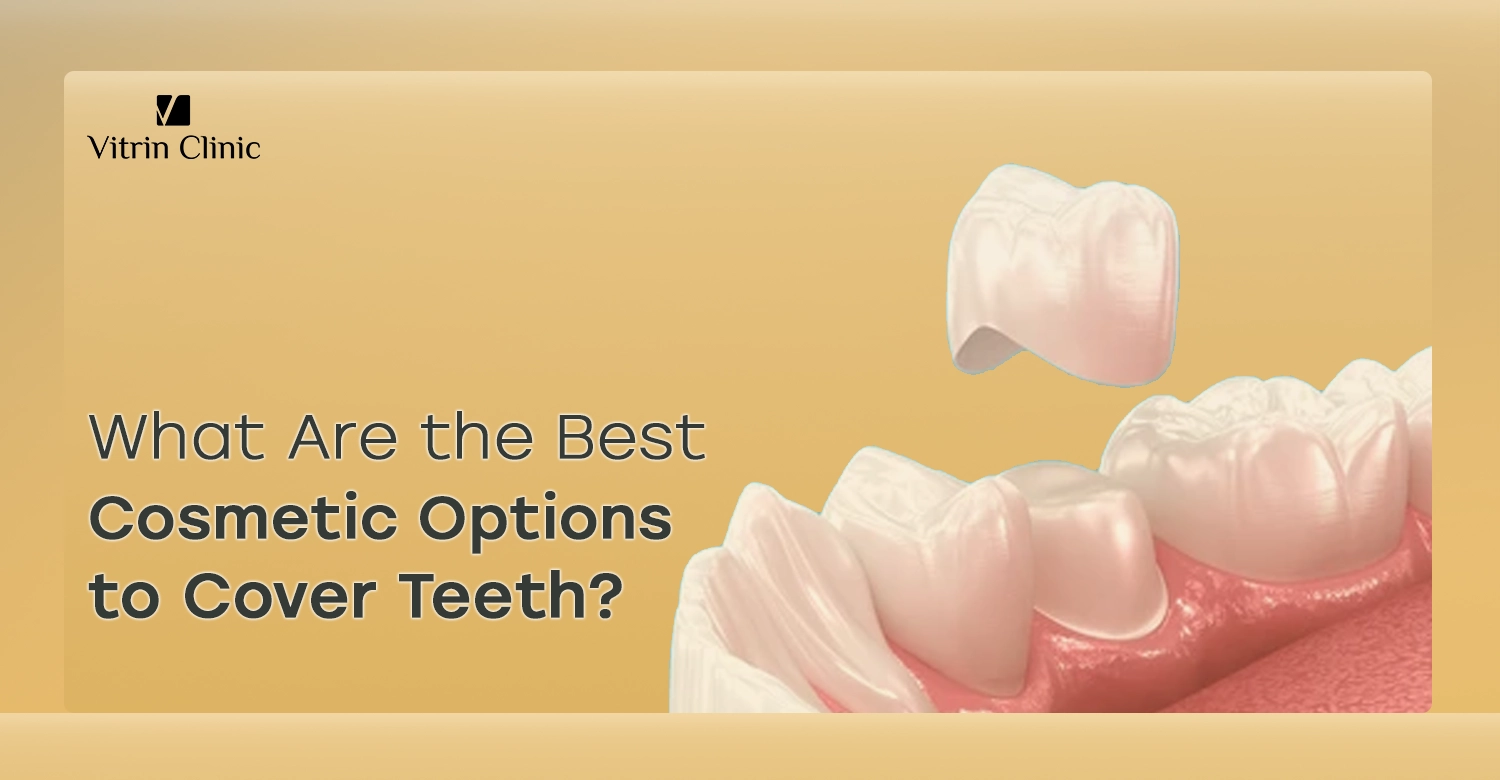
A porcelain crown represents the perfect marriage between medical restoration and artistic beauty, transforming damaged teeth into flawless masterpieces. Modern dental technology allows these restorations to mimic natural tooth structure with such precision that they become virtually undetectable. Combining strength, aesthetics, and longevity, a dental porcelain crown protects weakened teeth while creating smile transformations that rival fine jewelry in their attention to detail, craftsmanship, and visual impact. This restoration has revolutionized cosmetic dentistry forever.
Beyond creating beautiful smiles, porcelain crowns serve critical medical functions that preserve oral health and prevent serious complications. These restorations protect compromised tooth structure, restore proper bite alignment, and prevent bacterial invasion into vulnerable areas. A ceramic dental crown addresses both immediate aesthetic concerns and long-term structural integrity, making it a comprehensive solution rather than merely cosmetic enhancement. Understanding the multifaceted benefits helps patients appreciate why dentists recommend crowns for various clinical situations beyond appearance alone.
Damaged front teeth profoundly impact self-confidence, causing people to hide their smiles during conversations, photographs, and social interactions. Research confirms that visible dental imperfections create psychological barriers affecting professional opportunities and personal relationships negatively. A dental porcelain crown instantly restores confidence by eliminating chips, discoloration, or structural damage that patients have worried about for years. The emotional transformation often exceeds the physical restoration, as patients rediscover the freedom to smile authentically without self-consciousness or embarrassment.
Contemporary dental porcelain crowns serve triple purposes simultaneously: protecting weakened tooth structure, restoring proper chewing mechanics, and delivering natural appearance. The restoration distributes biting forces evenly across the tooth, preventing fractures while supporting adjacent teeth in maintaining proper alignment. Crown coverage also seals vulnerable dentin from bacterial penetration, effectively halting decay progression and preventing infection. Aesthetically, precise shade matching and translucency replication ensure seamless integration with surrounding natural teeth, proving modern dentistry prioritizes comprehensive solutions.
Certain clinical conditions mandate crown placement beyond cosmetic preferences, making the restoration medically essential rather than elective. Teeth with large fillings exceeding half the original structure risk catastrophic fracture without protective coverage. Root canal-treated teeth become brittle after pulp removal, requiring external reinforcement to prevent splitting under normal chewing forces. Severe erosion from acid reflux or bruxism exposes sensitive dentin, necessitating full-coverage protection. Congenital enamel defects leave teeth structurally compromised, making a porcelain crown the only viable long-term solution.
Some people book a facial or a spa day when they need a little pick-me-up. I boarded a plane to Istanbul for The Porcelain Crown
Call it dramatic, call it indulgent but when your smile is your signature, no detail is too small. One imperfect front tooth had quietly stolen my confidence for years. Not broken. Not tragic. Just… wrong. The shade, the shape didn’t belong.
And I’m not someone who settles. I wanted more than just a fix,I wanted something flawless. Something refined. So I chose a solution that matched my standards: a porcelain crown created with precision, artistry, and care at Vitrin Clinic in the heart of Istanbul.
Let’s get one thing clear: porcelain crowns are not just dental solutions, they’re design pieces. The haute couture of dentistry.
Porcelain is luminous. It reflects light like real enamel, resists stains like stone, and lasts for years. It doesn’t scream “I had work done” it whispers timeless elegance. It’s the go-to for celebrities, CEOs, and people (like me) who believe a smile should look as curated as your wardrobe.
Vitrin Clinic didn’t just understand that they embodied it. From the very first consultation, I knew I wasn’t being treated as a patient, I was being styled as a muse. Their team spoke my language: luxury, beauty, longevity.
When most people think of cosmetic treatment, they think Beverly Hills, Paris, or London. But Istanbul? Let’s just say,it’s the world’s most elegant secret.
Istanbul blends East and West, past and present, tradition and technology. It’s where ancient palaces and modern clinics share the same skyline. And Vitrin Clinic is its crown jewel when it comes to premium dental care.
I wasn’t just visiting a clinic,I was stepping into an experience. Airport pickup, luxury hotel booking, private coordinator,everything was arranged with the grace of a concierge at a five-star hotel. This wasn’t medical tourism. It was dental elegance.
The beauty of a porcelain crown isn’t just in how it looks,but in how it’s made.
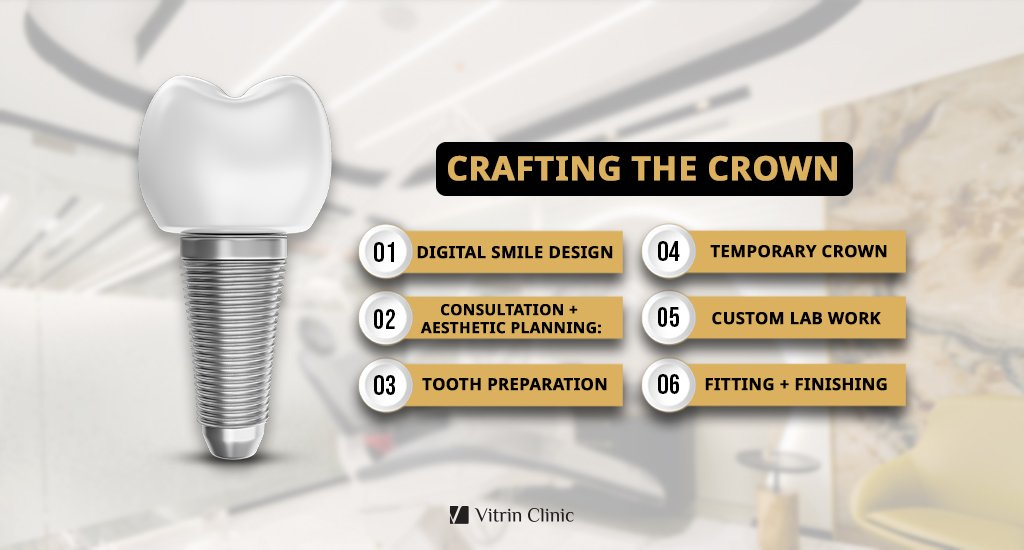
Here’s what the process looked like at Vitrin:
I didn’t expect to get emotional. But when they handed me the mirror and I saw myself with my final porcelain crown, it felt like looking at the version of me I’d been trying to show the world all along.
It wasn’t “obviously new.” It was subtle. Harmonious. Complete.
The crown didn’t stand out,and that’s exactly what made it perfect. It blended seamlessly, yet elevated everything. My face looked softer. My smile looked intentional. It was like switching from a plastic accessory to a piece of real gold.
A dental appointment that feels like self-care? That’s what Vitrin Clinic delivers.
The environment was serene. Soft music, warm lighting, herbal teas. Staff who remembered my name, my preferences, my timeline. There were no rushed decisions, no upselling, no sterile pressure. Just care, calm, and luxury.
And outside the clinic? Istanbul was the ultimate recovery retreat. Between appointments, I toured the Hagia Sophia, floated down the Bosphorus, and explored the Grand Bazaar,smiling all the way.
That’s the thing about a well-done porcelain crown: it doesn’t just restore your tooth. It restores your joy. Your presence. Your desire to be seen.
Understanding the complex internal structure of modern crowns reveals why premium restorations achieve such remarkable realism and durability. Unlike simple tooth-shaped caps, sophisticated ceramic dental crowns feature multiple layers carefully engineered to replicate natural tooth architecture. From the strong internal core to the translucent outer surface, each component serves specific optical and mechanical purposes. This multilayered construction explains the significant quality differences between basic and advanced restorations, justifying investment in superior materials and expert craftsmanship.
Natural teeth possess sophisticated internal architecture: translucent enamel overlaying yellowish dentin surrounding the pulp chamber. Quality porcelain crown fabrication meticulously replicates this complexity using graduated ceramic materials with varying opacity levels. The inner core provides foundational strength while outer layers mimic enamel’s unique light-handling characteristics. Dental technicians strategically build thickness variations creating depth perception and dimensional realism. Characterization details like micro-textures and subtle color gradients add final authenticity, explaining why premium restorations look genuinely tooth-like.
Human eyes subconsciously detect dental fakeness through light behavior patterns, even without conscious analysis of what appears wrong. Natural teeth exhibit specific translucency characteristics at incisal edges where enamel naturally thins toward biting surfaces. A ceramic dental crown must accurately replicate how light penetrates, scatters internally, and reflects externally to avoid artificial appearance. Modern feldspathic and lithium disilicate ceramics achieve enamel-matching translucency levels. Proper optical properties prevent the obvious “chiclet” look of outdated restorations under all lighting conditions.
Engineering trade-offs exist between maximum strength and peak aesthetic realism in crown material selection and design. Ultra-strong zirconia offers excellent durability withstanding extreme forces but can appear slightly opaque compared to natural enamel. Feldspathic porcelain provides superior translucency for front teeth but requires careful thickness management preventing fractures. The porcelain fused to metal crown strategically balances both priorities by using metal substructure for strength topped with aesthetic ceramic layers. Material selection depends on tooth location and individual patient priorities.
Modern restorative materials and digital technologies have closed the gap between artificial and natural to nearly imperceptible levels. Advanced ceramics now replicate the optical, mechanical, and biological properties of tooth enamel with extraordinary precision. Through careful material selection, expert craftsmanship, and meticulous customization, today’s dental porcelain crowns achieve realism that confounds even trained dental professionals. Understanding these achievements helps patients appreciate the remarkable science behind seamless smile transformations that preserve natural appearance while delivering superior protection and longevity.
Achieving invisibility requires obsessive attention to subtle nuances that distinguish natural teeth from artificial restorations. Dentists photograph teeth under standardized lighting conditions, mapping color gradients from darker gumline areas to lighter incisal edges. Surface texture matters significantly. Natural teeth aren’t perfectly smooth but feature delicate ridges called perikymata running horizontally. A dental porcelain crown replicates these micro-anatomical details through custom characterization work. Even intentional minor imperfections like white spots create authentic realism, while spectrophotometer technology measures color in precise numeric values.
Mastication generates tremendous forces exceeding two hundred pounds per square inch in posterior molar regions during normal function. A porcelain crown must withstand these repetitive stresses thousands of times daily without chipping, cracking, or fracturing prematurely. Modern ceramics demonstrate compressive strength comparable to natural enamel, handling everyday demands reliably. Proper occlusal design ensures even force distribution across the entire restoration rather than concentrated stress points causing failures. With correct engineering and careful bite adjustment, ceramic dental crowns perform identically to natural teeth.
Well-maintained porcelain crowns routinely last fifteen to twenty-five years, with many examples exceeding three decades of faithful service. Natural tooth longevity depends on genetics, dietary habits, and oral hygiene identical factors affecting restoration lifespan. Avoiding destructive habits like ice-chewing and bottle-opening extends crown durability significantly while preventing unnecessary damage. Regular professional cleanings prevent gum recession that exposes crown margins to potential problems. Unlike natural teeth, crowns themselves don’t decay, but underlying tooth structure remains vulnerable without proper marginal sealing and maintenance.
The porcelain fused to metal crown revolutionized restorative dentistry by ingeniously combining metal strength with ceramic beauty in one restoration. This hybrid design solved early limitations of all-ceramic crowns that frequently fractured under posterior chewing forces. By using a metal substructure supporting an outer porcelain layer, dentists could offer durable restorations with acceptable aesthetics. While newer all-ceramic materials have advanced significantly, PFM crowns remain clinically relevant for specific situations where their unique properties provide advantages over alternatives.
Despite advances in all-ceramic materials, porcelain fused to metal crowns continue serving important roles in modern dentistry for valid clinical reasons. The metal substructure provides unmatched strength for patients with heavy bite forces, bruxism, or limited space for adequate ceramic thickness. PFM restorations cost significantly less than premium all-ceramic options, making quality treatment accessible to budget-conscious patients. Long-term clinical data spanning decades confirms exceptional reliability and predictable performance. For posterior teeth where aesthetics matter less than durability, metal-supported designs remain excellent choices.
Certain clinical scenarios favor porcelain fused to metal crowns over all-ceramic alternatives despite aesthetic compromises involved. Patients with severe bruxism grinding habits benefit from metal’s superior fracture resistance under extreme lateral forces. Molars in the very back of the mouth experience highest chewing pressures, making metal substructures ideal. Limited vertical space between upper and lower teeth prevents adequate ceramic thickness, but metal requires minimal reduction. Bridge fabrication spanning missing teeth gains structural integrity from metal frameworks. These situations demonstrate PFM crowns’ continued clinical relevance.
While porcelain fused to metal crowns offer excellent durability, patients must understand aesthetic limitations compared to all-ceramic restorations. The metal substructure can create a gray shadow visible near the gumline, especially if gums recede over time. Light cannot penetrate the metal core, preventing the natural translucency that characterizes real teeth and premium ceramic dental crowns. Tooth preparation requires more aggressive reduction to accommodate both metal and porcelain layers. For visible front teeth, these compromises may prove unacceptable, while posterior teeth tolerate them well.
Selecting the optimal crown material requires careful consideration of multiple competing factors beyond simple cost comparisons alone. Location in the mouth, aesthetic requirements, bite forces, and budget constraints all influence the best choice for individual situations. A dental porcelain crown perfect for front incisors might prove impractical for back molars and vice versa. Understanding the decision framework helps patients participate actively in treatment planning, making informed choices aligned with their priorities, expectations, and long-term goals for oral health.
Anterior teeth demand maximum aesthetics since they show prominently during smiling, speaking, and social interactions constantly. Premium all-ceramic or porcelain crown materials become essential for invisible results in these visible zones. Conversely, posterior molars prioritize strength and durability over perfect appearance, making porcelain fused to metal crowns or strong zirconia excellent choices. Middle teeth balance both requirements moderately. Understanding these positional differences helps patients accept why dentists recommend different materials for various teeth, optimizing outcomes based on specific functional and aesthetic demands.
Financial considerations significantly influence crown selection, though cheapest options rarely provide best long-term value or satisfaction. High-quality ceramic dental crowns cost more initially but deliver superior aesthetics and longevity, potentially proving more economical over decades. Active lifestyles involving contact sports or heavy physical work may favor stronger materials despite aesthetic compromises. Dietary habits like frequent hard-food consumption affect durability requirements. Insurance coverage limitations constrain choices practically. Balancing these competing factors requires honest conversation about priorities, helping dentists recommend appropriate solutions matching individual circumstances.
While advanced materials enable beautiful results, operator skill ultimately determines restoration success more than material selection alone. Expert tooth preparation, precise impressions, and meticulous fitting separate excellent outcomes from mediocre ones regardless of crown type. A skilled dentist achieves better results with standard materials than inexperienced practitioners using premium options. Proper bite adjustment prevents premature failures even with strong ceramics. Laboratory technician artistry matters equally, especially for visible anterior restorations. When choosing treatment providers, prioritize experience and expertise over marketing claims about material superiority.
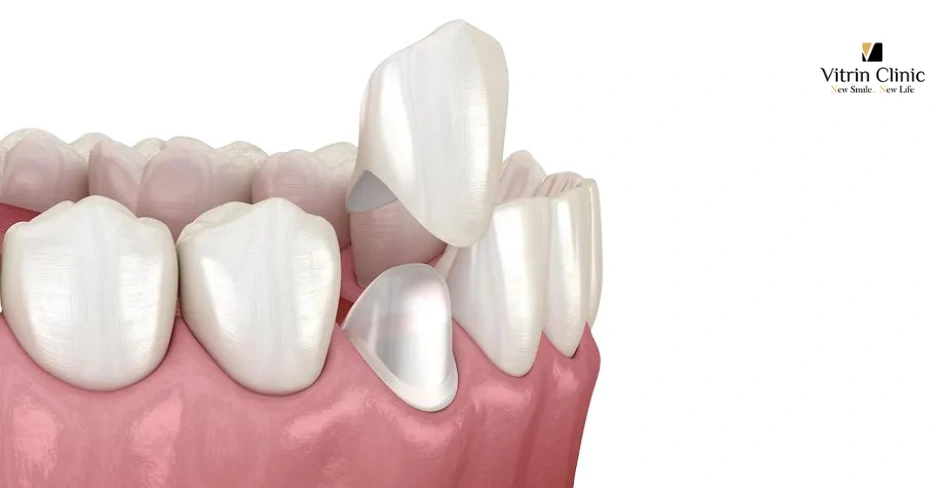
Understanding the complete treatment process from consultation to final placement helps patients prepare mentally and practically for their restoration journey. Modern dental porcelain crown procedures involve multiple appointments utilizing digital technology and precision laboratory fabrication. Each step serves specific purposes ensuring optimal fit, function, and aesthetics. While traditional methods required messy impressions and long waiting periods, contemporary techniques streamline the experience significantly. Knowing what to expect reduces anxiety and enables patients to participate actively in their treatment planning and execution.
Initial consultations begin with comprehensive digital imaging replacing uncomfortable traditional impression materials with intraoral scanner technology. These 3D scans capture tooth geometry, bite relationships, and soft tissue contours with submillimeter accuracy instantly. Dentists use specialized software for virtual smile design, showing patients predicted outcomes before treatment begins. Digital workflows enable collaborative planning where patients express preferences about shape, size, and color actively. This technology improves communication between patients, dentists, and laboratory technicians, ensuring everyone shares unified vision for final ceramic dental crown results.
Tooth reduction creates space accommodating the porcelain crown without making the restoration appear bulky or unnatural compared to adjacent teeth. Dentists remove damaged structure and shape remaining tooth into an ideal foundation for permanent restoration bonding. This preparation requires local anesthesia ensuring complete comfort throughout the procedure. Temporary crowns protect prepared teeth between appointments, maintaining aesthetics and function while laboratories fabricate permanent restorations. These provisionals also serve as prototypes, allowing refinement of shape and bite before committing to final materials and design.
Skilled dental technicians transform digital scans or physical impressions into custom restorations through meticulous handcrafting and artistic detail work. Layering ceramic materials requires deep understanding of optical properties, color theory, and natural tooth anatomy for realistic results. Technicians reference photographs and shade guides ensuring accurate color matching to adjacent teeth. The process typically requires one to two weeks allowing adequate time for quality fabrication without rushing. Premium laboratories invest in advanced equipment and continuing education, directly impacting final dental porcelain crown quality and longevity.
Permanent crown placement begins with careful try-in evaluating fit, contacts with adjacent teeth, and aesthetic appearance before irreversible bonding. Dentists make fine adjustments ensuring proper bite alignment preventing future complications or discomfort. Modern bonding cements create chemical bonds between tooth structure and restoration, maximizing retention and sealing margins against bacterial leakage. Final polishing removes excess cement and smooths surfaces for optimal comfort and plaque resistance. Patients receive specific care instructions and schedule follow-up appointments monitoring adaptation, ensuring successful long-term ceramic dental crown performance.
While quality materials and expert placement establish foundations for success, patient maintenance behaviors ultimately determine restoration lifespan significantly. Many porcelain crowns fail prematurely due to preventable damage from destructive habits or inadequate oral hygiene rather than material deficiencies. Conversely, patients following protective strategies routinely enjoy thirty-plus years of faithful service from their restorations. Understanding specific threats to crown longevity and implementing simple protective measures maximizes investment value, prevents unexpected failures, and maintains beautiful smile aesthetics throughout decades of daily use.
Seemingly innocent behaviors cause cumulative damage leading to premature ceramic dental crown failure over time without obvious warning signs. Chewing ice subjects restorations to extreme thermal shock and mechanical stress causing microscopic cracks propagating into catastrophic fractures. Using teeth as tools for opening packages concentrates forces on vulnerable margins. Nail-biting and pen-chewing create repetitive trauma weakening bonding interfaces gradually. Hard candy and unpopped popcorn kernels generate impact forces exceeding design limits. Eliminating these destructive habits dramatically extends restoration lifespan with zero cost.
Standard brushing alone proves inadequate for maintaining dental porcelain crown health long-term, requiring additional specialized techniques preventing complications. Flossing around crown margins removes bacterial plaque accumulating at tooth-restoration junctions where decay develops despite ceramic’s cavity resistance. Interproximal brushes clean difficult areas between crowns and adjacent teeth thoroughly. Water flossers flush debris from hard-to-reach zones effectively. Avoiding abrasive toothpastes preserves surface polish preventing stain accumulation. Professional cleanings every six months monitor marginal integrity, catching potential problems before they necessitate expensive replacements or additional treatments.
Bruxism (teeth grinding) represents the single greatest threat to porcelain crown longevity, generating forces exceeding normal chewing magnitudes repeatedly nightly. Custom night guards distribute these destructive forces across all teeth rather than concentrating stress on individual restorations. These appliances prove essential for patients with diagnosed grinding habits or jaw muscle hypertrophy indicating nighttime activity. Athletic mouthguards protect crowns during contact sports or recreational activities risking dental trauma. Simple protective devices costing modest amounts prevent thousands in premature replacement expenses while preserving beautiful ceramic dental crown aesthetics indefinitely.
Misinformation and outdated beliefs about dental restorations prevent many patients from pursuing beneficial treatment unnecessarily. Myths persist from decades past when materials and techniques were genuinely inferior to today’s advanced options. Understanding the truth behind common misconceptions helps patients make informed decisions based on current reality rather than outdated fears. Modern dental porcelain crowns bear little resemblance to the obvious, uncomfortable restorations from previous generations, yet reputation suffers from these persistent myths requiring active debunking and patient education.
This common objection reflects experiences with metal-based restorations from the 1980s and 1990s that appeared noticeably artificial compared to modern options. Contemporary ceramic materials replicate natural tooth translucency, color depth, and surface texture so precisely that even dental professionals cannot distinguish well-made restorations from natural teeth visually. Advanced digital design and skilled laboratory craftsmanship create invisible results when proper techniques and premium materials combine. The “fake-looking crown” era ended years ago, yet the reputation persists unfairly. Today’s dental porcelain crown aesthetics exceed most natural teeth in appearance.
Many patients avoid necessary crown treatment due to pain concerns rooted in outdated experiences or secondhand stories predating modern anesthesia. Contemporary local anesthetic techniques provide complete numbness ensuring zero discomfort during preparation procedures. Dentists can supplement with nitrous oxide or oral sedation for anxious patients requiring additional relaxation. Post-treatment sensitivity typically remains minimal and brief, easily managed with over-the-counter medications. The actual experience proves far less traumatic than anticipated anxiety suggests. Modern porcelain crown placement ranks among the most comfortable dental procedures patients undergo regularly.
Contrary to popular belief, crown placement doesn’t doom teeth to endless replacement cycles requiring progressively more invasive interventions. Well-maintained ceramic dental crowns last decades, often outlasting patients’ lifespans without needing replacement at all. When replacement becomes necessary, it typically stems from gum recession exposing margins or aesthetic preferences changing rather than structural failure. The underlying tooth doesn’t progressively weaken with each replacement proper techniques preserve remaining structure indefinitely. Many patients wear the same crown forty-plus years without issues, especially when protecting investments through proper maintenance and protective habits.
Restorative dentistry continues evolving rapidly with emerging technologies promising even better outcomes for patients seeking dental rehabilitation. Research advances in materials science, digital manufacturing, and biological integration push boundaries of what artificial restorations can achieve. While current ceramic dental crowns already deliver exceptional results, next-generation innovations will further improve strength, aesthetics, longevity, and treatment efficiency. Understanding upcoming developments helps patients appreciate the exciting trajectory of dental technology and anticipate improvements becoming standard care within coming years and decades ahead.
Artificial intelligence algorithms analyze thousands of successful restorations, learning optimal design principles for various clinical situations automatically. These systems suggest ideal crown contours, contact points, and emergence profiles based on individual patient anatomy and bite patterns. AI reduces human error while accelerating design workflows significantly, potentially enabling same-day dental porcelain crown fabrication becoming routine rather than exceptional. Machine learning continuously improves recommendations as databases expand with more cases. This technology democratizes expert-level design quality, making superior outcomes accessible regardless of individual dentist experience or geographic location globally.
Next-generation materials enable ultra-conservative preparations preserving maximum natural tooth structure compared to traditional techniques requiring aggressive reduction. Biomimetic approaches mimic nature’s original design principles rather than simply replacing lost structure with foreign materials. Ultra-thin veneers and partial-coverage restorations deliver aesthetic improvements with minimal intervention. Advanced bonding systems create molecular-level integration between tooth and restoration, essentially reunifying separated structures. These conservative philosophies extend natural tooth lifespan while achieving superior results. Future porcelain crown treatments may require removing only damaged tissue, preserving healthy structure indefinitely.
Current research develops ceramic materials combining enamel-like hardness with dentin’s slight flexibility, mimicking natural tooth biomechanics more accurately. Traditional ceramics behave rigidly, sometimes creating stress concentrations at margins where flexible natural teeth meet stiff restorations. New hybrid materials flex minutely under chewing forces, reducing mechanical failures at bonding interfaces. These advanced ceramics promise superior longevity while maintaining excellent aesthetics. Nanotechnology enhances strength without sacrificing translucency. Future dental porcelain crowns may genuinely replicate natural tooth behavior mechanically and optically, becoming truly indistinguishable from nature’s original design functionally.
Modern dental tourism destinations combine advanced technology with personalized care, delivering world-class results at accessible prices for international patients. Vitrin Clinic specializes in comprehensive smile transformations using cutting-edge materials and digital workflows that rival or exceed standards found in Western countries. Their approach emphasizes individualized treatment planning rather than one-size-fits-all solutions, ensuring each ceramic dental crown meets specific patient needs and aesthetic goals. Understanding their philosophy and capabilities helps international patients make informed decisions about pursuing treatment abroad for significant cost savings without quality compromises.
Vitrin Clinic rejects cookie-cutter approaches, instead analyzing each patient’s facial proportions, personality, and aesthetic preferences when designing dental porcelain crown restorations. Dentists consider factors like age-appropriate tooth shapes, gender-specific characteristics, and cultural beauty standards from patients’ home countries. Digital smile design allows previewing outcomes before treatment, enabling collaborative refinement ensuring satisfaction. This customization extends to minor details like incisal edge translucency and surface texture matching individual preferences. Every restoration receives personalized attention rather than standardized templates, creating uniquely beautiful results that complement each patient’s appearance authentically.
Vitrin Clinic invests in premium ceramic systems and state-of-the-art digital equipment ensuring superior outcomes through technological excellence. Intraoral scanners eliminate impression discomfort while capturing submillimeter accuracy for precise-fitting restorations. Computer-aided design and manufacturing streamline workflows without sacrificing artistry or quality. Multiple material options including latest-generation lithium disilicate and zirconia provide choices matching different priorities. In-house laboratories allow direct communication between dentists and technicians, ensuring nuanced details translate perfectly from planning to finished porcelain crown delivery. This integration produces results matching or exceeding international quality standards consistently.
Vitrin Clinic understands the unique needs of international patients traveling specifically for dental treatment, providing comprehensive support beyond clinical procedures. Coordinators assist with travel arrangements, accommodation booking, and itinerary planning ensuring stress-free visits. Transparent pricing with no hidden fees allows accurate budgeting before committing to treatment. English-speaking staff facilitates clear communication about treatment plans and expectations. Follow-up care includes detailed instructions and remote consultation availability for questions arising after returning home. This patient-centered approach makes complex ceramic dental crown treatments accessible and comfortable for visitors from around the world.
Common questions about dental porcelain crown procedures reflect understandable concerns patients have when considering this significant investment in their oral health. Addressing these frequently asked questions directly provides the clear, accurate information needed for informed decision-making. Understanding realistic expectations about longevity, maintenance requirements, procedural comfort, and potential complications helps patients approach treatment confidently. The following questions and answers cover the most important topics patients consistently ask during consultations about crown restorations, providing straightforward guidance based on current clinical evidence and real-world outcomes.
Well-maintained porcelain crowns typically last fifteen to twenty-five years, with many examples exceeding thirty years of successful function. Longevity depends on multiple factors including material quality, dentist skill, patient maintenance habits, and bite forces experienced. Avoiding destructive behaviors like ice-chewing and maintaining excellent oral hygiene significantly extends lifespan. Regular dental checkups catch minor issues before they necessitate replacement. Some patients wear the same ceramic dental crown their entire lives without needing intervention, especially when protecting their investment through proper care and professional monitoring consistently.
Crowns and fillings serve different purposes, making direct comparison inappropriate for most clinical situations requiring restoration. Large cavities exceeding half the tooth structure require crown coverage providing structural reinforcement that fillings cannot offer. Fillings work excellently for small to moderate decay when adequate tooth structure remains supporting the restoration. Crowns protect weakened teeth from fracturing under normal chewing forces, while fillings simply replace missing tooth material. After root canal treatment, crowns become necessary, preventing brittle teeth from splitting. Your dentist recommends appropriate treatment based on remaining tooth structure and functional requirements.
Quality ceramic materials resist staining far better than natural tooth enamel, maintaining their original color decades after placement. Porcelain’s non-porous surface prevents pigment absorption from coffee, wine, or tobacco that discolors natural teeth. However, surface roughness from improper cleaning techniques or acidic exposures can create microscopic irregularities trapping stains. Professional polishing during routine cleanings restores original luster easily. The bonding cement at crown margins may discolor if oral hygiene proves inadequate, though this affects the junction rather than the restoration itself. Overall, ceramic dental crowns maintain aesthetics better than natural teeth long-term.
Crown preparation requires removing tooth structure to create space for the restoration, representing intentional modification rather than damage. Dentists remove only what’s necessary accommodating crown thickness while preserving maximum healthy tooth structure. When placing crowns on previously filled or root-canal-treated teeth, most reduction removes already-compromised areas rather than healthy enamel. The alternative of leaving weakened teeth unprotected risks catastrophic fracture requiring extraction, making crown placement the more conservative choice. Properly executed preparation and bonding actually strengthens compromised teeth, extending their functional lifespan indefinitely compared to leaving them vulnerable.
Porcelain fused to metal crowns remain completely safe despite occasional concerns about metal biocompatibility or toxicity. Dental alloys used in crown fabrication undergo rigorous safety testing and approval by regulatory agencies worldwide. Metal allergies rarely affect oral tissues since alloys contact teeth rather than soft tissues primarily. Millions of PFM restorations placed over decades demonstrate excellent safety records without adverse health effects. Some patients prefer metal-free options for aesthetic or philosophical reasons rather than safety concerns. Modern alternatives exist, but PFM crowns continue serving as safe, effective, and reliable treatment options.
While rare with proper placement, crowns occasionally dislodge due to cement failure, tooth decay underneath, or trauma from accidents. If your dental porcelain crown falls off, retrieve it immediately and keep it safe in a clean container. Call your dentist promptly for emergency recementation delays, risk losing the crown or needing replacement. Avoid chewing on the affected side and maintain gentle hygiene around exposed tooth structure. Temporary dental cement from pharmacies can provide short-term retention until professional appointment. Most dislodged crowns can be successfully recemented if undamaged.
Modern crown procedures involve minimal discomfort due to effective local anesthesia completely numbing the treatment area throughout preparation. Patients feel pressure sensations but no pain during tooth reduction or impression-taking procedures. Post-treatment sensitivity typically remains mild and brief, easily managed with over-the-counter pain relievers if necessary. Temporary crowns protect prepared teeth between appointments, preventing discomfort from exposed dentin. The worst aspect usually involves keeping your mouth open during lengthy appointments rather than actual pain. Overall, getting a ceramic dental crown ranks among the most comfortable dental procedures available.
Porcelain crowns require identical maintenance to natural teeth regular brushing, daily flossing, and professional cleanings every six months. No special products or complicated techniques are necessary for routine care. Avoiding destructive habits like ice-chewing and using teeth as tools prevents unnecessary damage. Night guards protect against grinding forces for bruxism patients. The crown itself never develops cavities, but the underlying natural tooth structure remains vulnerable at margins requiring good hygiene. Following these simple maintenance practices, your dental porcelain crown serves faithfully for decades without additional interventions or special care requirements beyond basic oral hygiene.
For anyone reading this who’s considering a porcelain crown,let me say this clearly: don’t settle.
Your smile deserves more than the cheapest fix or the nearest clinic. It deserves:
Vitrin Clinic isn’t just the best dental experience I’ve had,it’s one of the best luxury experiences I’ve ever had. And trust me, I’ve had some.
We often think of luxury as handbags, watches, or five-star hotels. But real luxury? It’s personal. It’s permanent. It’s a confidence you carry every day.
My porcelain crown didn’t just fix a tooth. It completed me.
If you’ve ever looked in the mirror and felt like one tiny detail was holding your whole face back, you’re not crazy, you’re right. And you don’t need to “deal with it” anymore.
You can change it. You can elevate it.
You can crown it.
In the heart of Istanbul, in a space that feels more like an atelier than a clinic, Vitrin will do exactly that.
Because some crowns belong in a case.
And some? They belong in your smile.
Q1: What is a porcelain crown?
A porcelain crown is a custom-made cap that covers a damaged or weakened tooth, designed to mimic the shape and color of your natural teeth. At Vitrin Clinic Istanbul, we use porcelain crowns to restore beauty and strength especially for visible front teeth.
Q2: How long will a porcelain crown last?
With proper care, a porcelain crown can last anywhere from 10 to 15 years, sometimes even longer. Regular checkups at Vitrin Clinic and good oral hygiene help ensure lasting results.
Q3: Which is better: zirconia or porcelain crown?
Both are excellent options! Porcelain offers unmatched aesthetics, especially for front teeth, while zirconia is ultra-strong and ideal for back teeth. At Vitrin Clinic Istanbul, we help you choose based on your smile, bite, and aesthetic goals.
Q4: What is the disadvantage of porcelain crowns?
Porcelain is beautiful but slightly more brittle than zirconia, so it’s better suited for areas with less biting pressure. That’s why at Vitrin Clinic, we often recommend it for front teeth where looks matter most and strength demands are lower.

O Dr. Faisal Kayali possui mais de 7 anos de experiência clínica e faz parte atualmente da equipe médica da Vitrin Clinic.