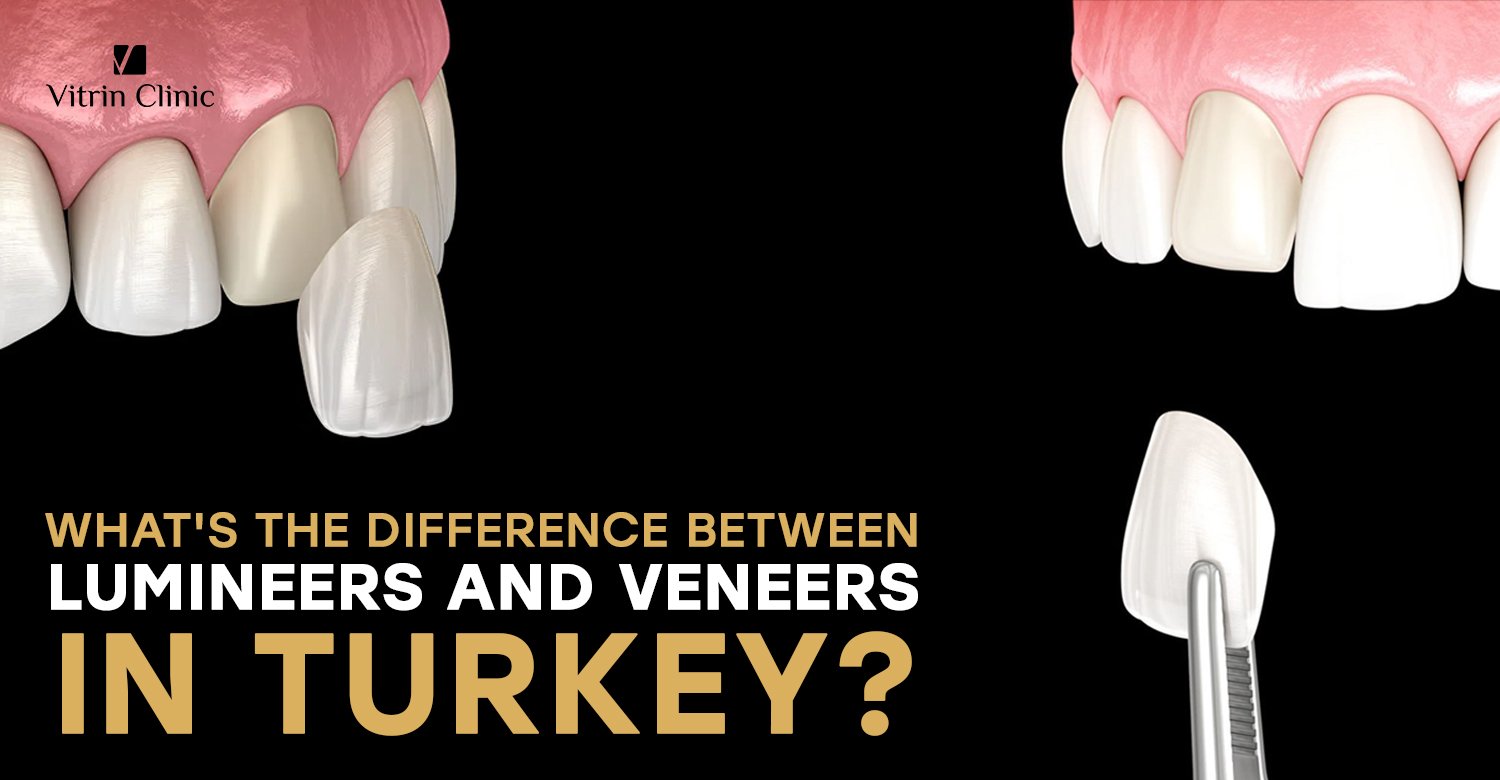
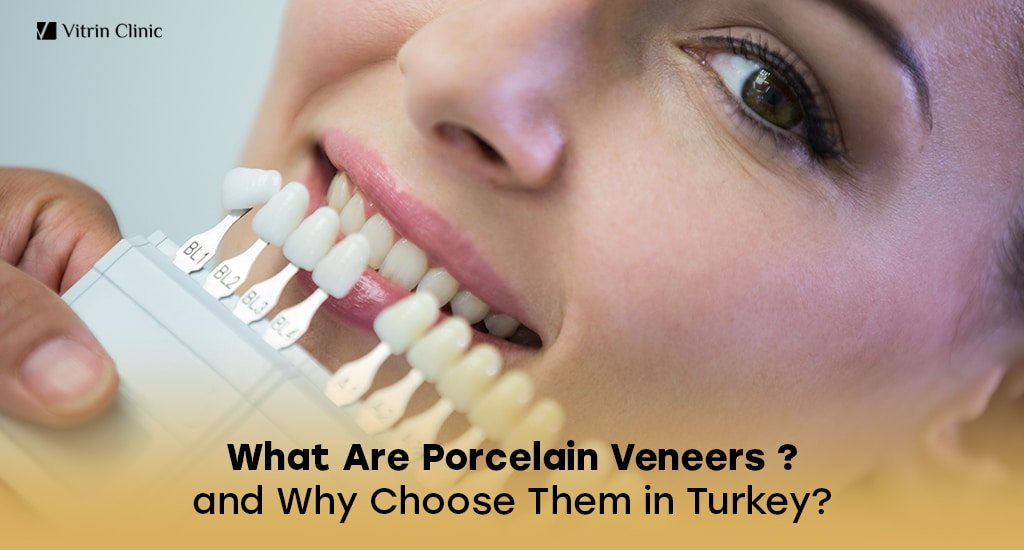
“Covering teeth” in a professional setting doesn’t mean hiding a problem, it means applying a restorative or aesthetic layer to the natural tooth structure. This process aims to dramatically improve the tooth’s appearance, color, shape, and size while often preserving the core of the underlying tooth. It’s a holistic approach that merges art and science to create a uniform, beautiful, and functional smile.
In many cases, the most effective “treatment” for purely aesthetic issues is covering the tooth. For example, a tooth with intrinsic staining that resists professional whitening cannot be improved by traditional methods, but a veneer can instantly mask the discoloration. Similarly, minor chipping or misshapen teeth may not require extensive orthodontic or restorative work. Instead, placing a thin, custom-made covering is the most direct and efficient path to an ideal result. This offers a faster route to smile enhancement than, say, months of aligners followed by whitening.
The range of issues that can be solved with Cosmetic Dentistry Procedures is quite broad. These include:
The aesthetic impact of successfully covering visible tooth flaws is profound. A symmetrical, bright smile is a powerful asset that can significantly boost self-esteem and positively influence social and professional interactions. Choosing the right cosmetic option to cover your tooth leads to a transformative look that feels completely natural, making the improvements seem like they were always meant to be there. This sense of renewal is a driving force behind the popularity of these procedures.
The main cosmetic options to cover teeth include dental veneers, crowns (caps), bonding, and Lumineers. Each option differs in material, durability, and purpose, from minor cosmetic fixes to full restorations. Choosing the right type depends on your smile goals, oral health, and budget, which your dentist will help determine during consultation.
Veneers are perhaps the most famous of all Cosmetic Dental Options. They are ultra-thin, custom-made shells of tooth-colored material that are bonded to the front surface of the teeth. They are designed to cover nearly all cosmetic flaws instantly. The process involves a minimal reduction of the natural tooth enamel to ensure a seamless, non-bulky fit, allowing the veneer to act as a new, flawless facade. The result is a total smile makeover, which is why cosmetic teeth veneers are so highly sought after.
The two main materials for veneers are porcelain and composite resin. Porcelain is highly stain-resistant, durable, and mimics the light-reflecting qualities of natural enamel better than any other material, offering the most aesthetic result. Composite resin is a more direct, less expensive option often completed in a single visit, though it may not have the same longevity or brilliant finish as porcelain.
High-quality porcelain veneers can last from 10 to 15 years, and sometimes longer, with diligent care. This longevity makes them a solid choice among permanent teeth covers. Composite veneers, while more affordable, generally need to be replaced or significantly repaired every 5 to 7 years.
While veneers are ideal for most cosmetic concerns, they are not suitable for people with severe teeth grinding (bruxism) or significant orthodontic problems. Furthermore, patients must have a sufficient amount of healthy enamel remaining for the bonding process to be effective and long-lasting.
Dental crowns, often referred to as teeth cover caps, are different from veneers because they encompass the entire tooth structure. A crown is a complete cap placed over a damaged, decayed, or severely weakened tooth, restoring its shape, size, strength, and appearance. They are often a choice when a tooth has been root-canaled, has a very large filling, or is heavily fractured.
The key distinction lies in the amount of coverage. Veneers only cover the front surface of the tooth, mainly for aesthetic purposes, requiring less tooth removal. Crowns cover the entire tooth and are used when significant structural integrity is needed, requiring more substantial preparation of the underlying tooth. Both are fantastic Cosmetic Dental Options, but their application differs.
Zirconia and E-max ceramic are the leading materials today. Zirconia is exceptionally strong, while E-max (lithium disilicate glass-ceramic) offers outstanding light transmission, making it one of the most aesthetic materials for natural-looking restorations, especially for front teeth. These are key for those seeking Best cosmetic options to cover teeth without compromising on looks.
Yes, absolutely. While often used for restorative reasons, crowns are also a powerful tool in cosmetic dentistry, particularly for severely misshapen or discolored teeth that are not good candidates for veneers. They can entirely redefine the look of a tooth.
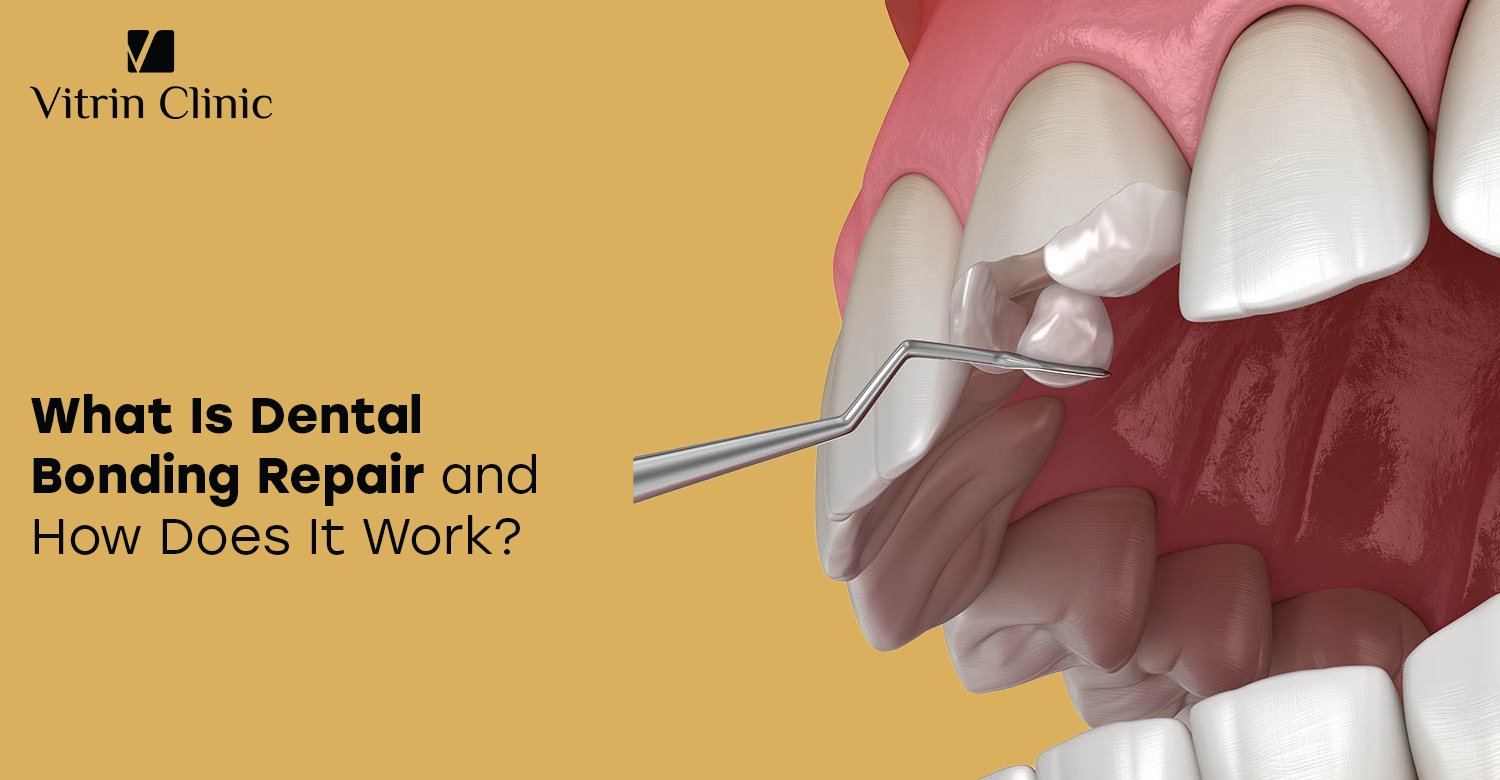
Dental bonding is a process where a tooth-colored, putty-like resin is applied, sculpted, hardened with a special light, and then polished. It is the most conservative and generally most affordable option among the Cosmetic Dentistry Procedures.
The resin material adheres directly to the enamel, allowing the dentist to expertly sculpt it to mask minor chips, stains, small gaps (Cosmetic options to cover teeth gap), and slightly uneven edges. This method requires little to no tooth reduction, making it a very conservative choice.
Dental bonding is significantly more cost-effective upfront than veneers or crowns. However, it is also the least durable of the three, typically lasting between 3 to 10 years before requiring repair or touch-ups. The material is also more prone to staining than porcelain.
Veneers (especially porcelain) offer superior durability, stain resistance, and a more uniform, luminous appearance. Bonding is faster, cheaper, and non-invasive but is best suited for minor repairs. For a complete, lasting smile transformation, cosmetic teeth veneers are often the preferred choice.
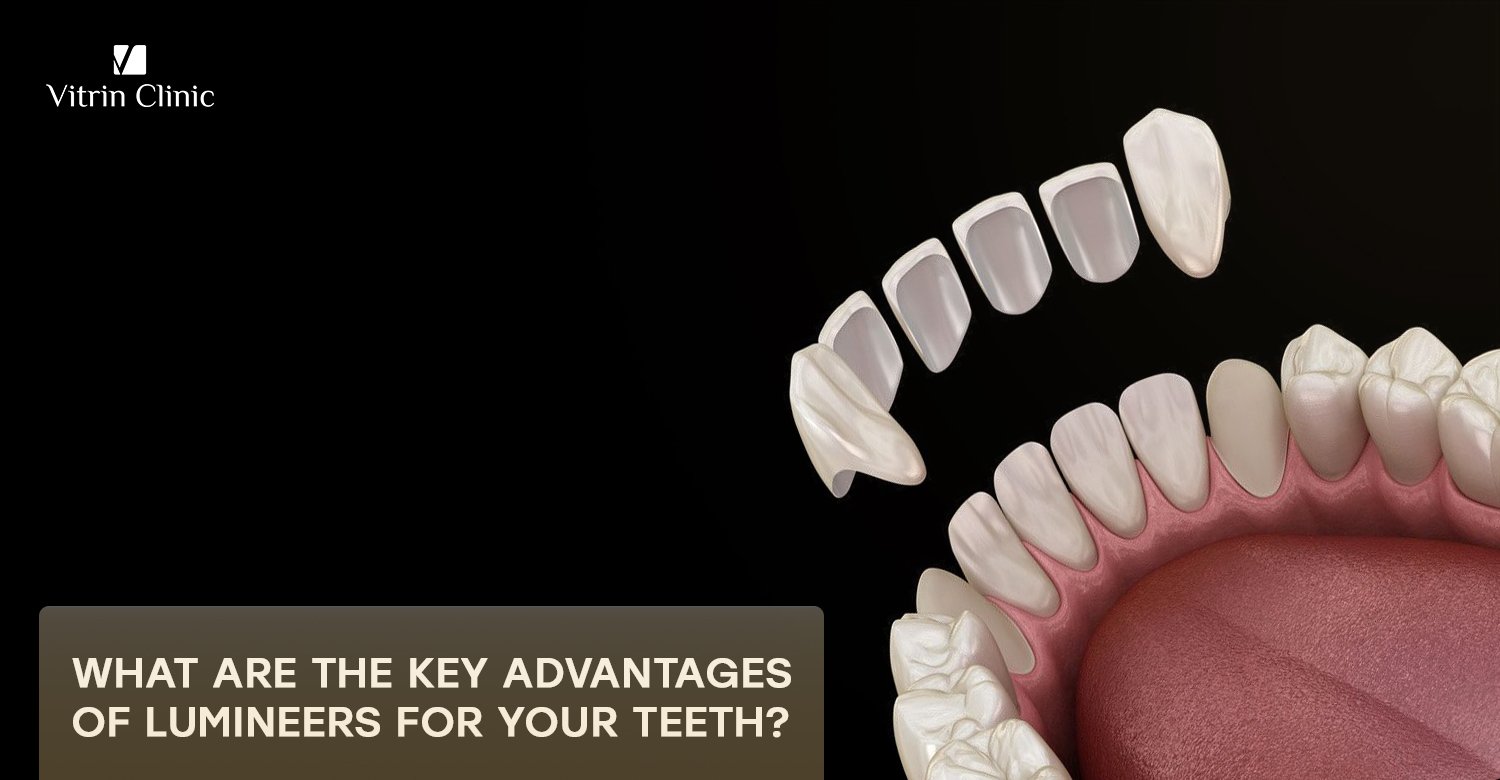
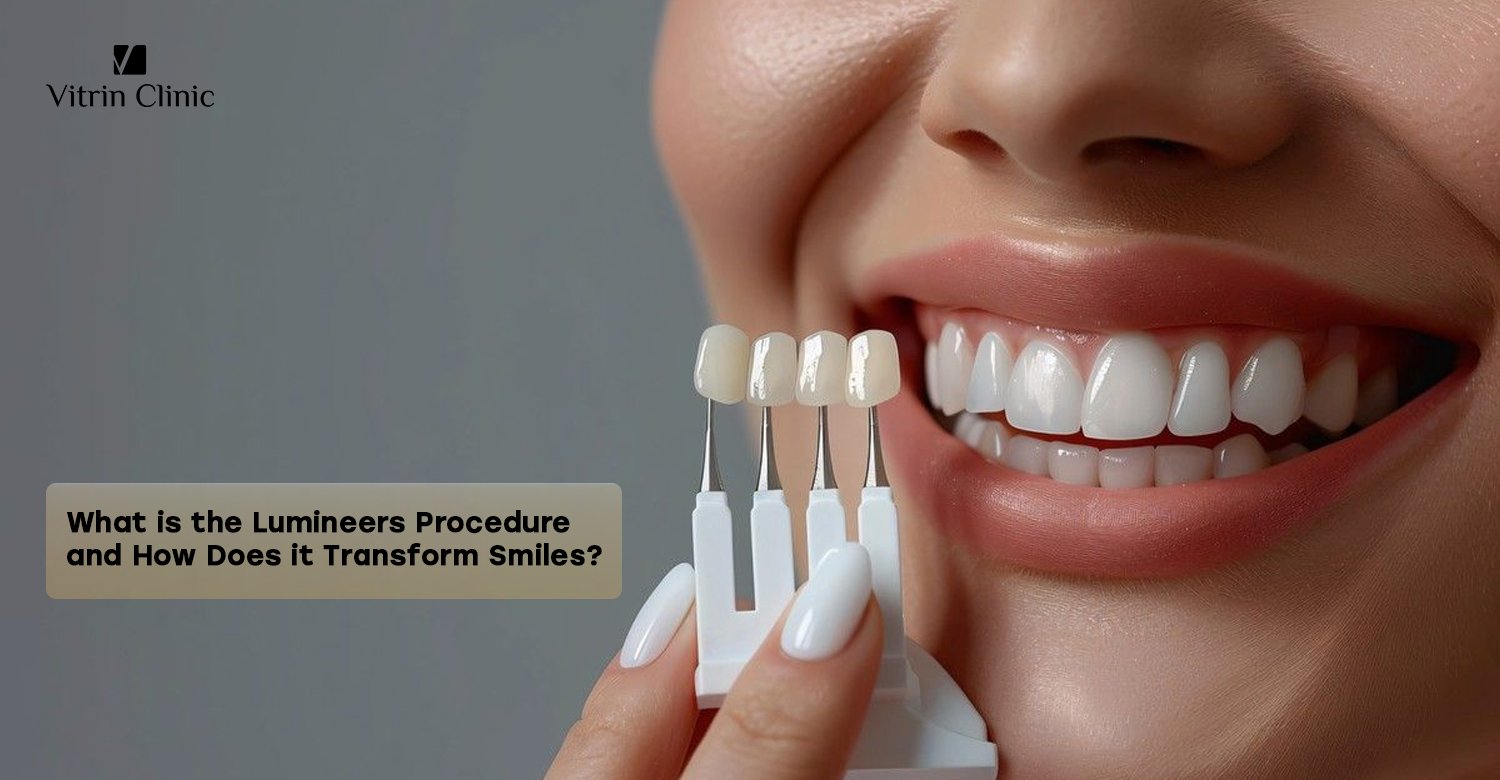
Lumineers are a specific brand of ultra-thin veneers known for their minimal or “no-prep” approach. They are exceptionally thin, often compared to contact lenses, which means they can be placed on the teeth without the extensive enamel reduction required for traditional veneers.
The main appeal of Lumineers is their reversibility. Because little or no tooth structure is altered, they can theoretically be removed without causing permanent changes to the underlying teeth, a factor that appeals to many patients.
The ideal candidates are those with good overall alignment who are looking to correct minor discoloration, shape issues, or small gaps. If the teeth are severely misaligned or bulky, traditional veneers might be necessary to achieve the desired slim, natural appearance.
In most cases, very little to no enamel reduction is needed. This preservation of natural tooth structure is what sets Lumineers apart from standard veneers and makes them a popular, less invasive option among Cosmetic Dental Options.
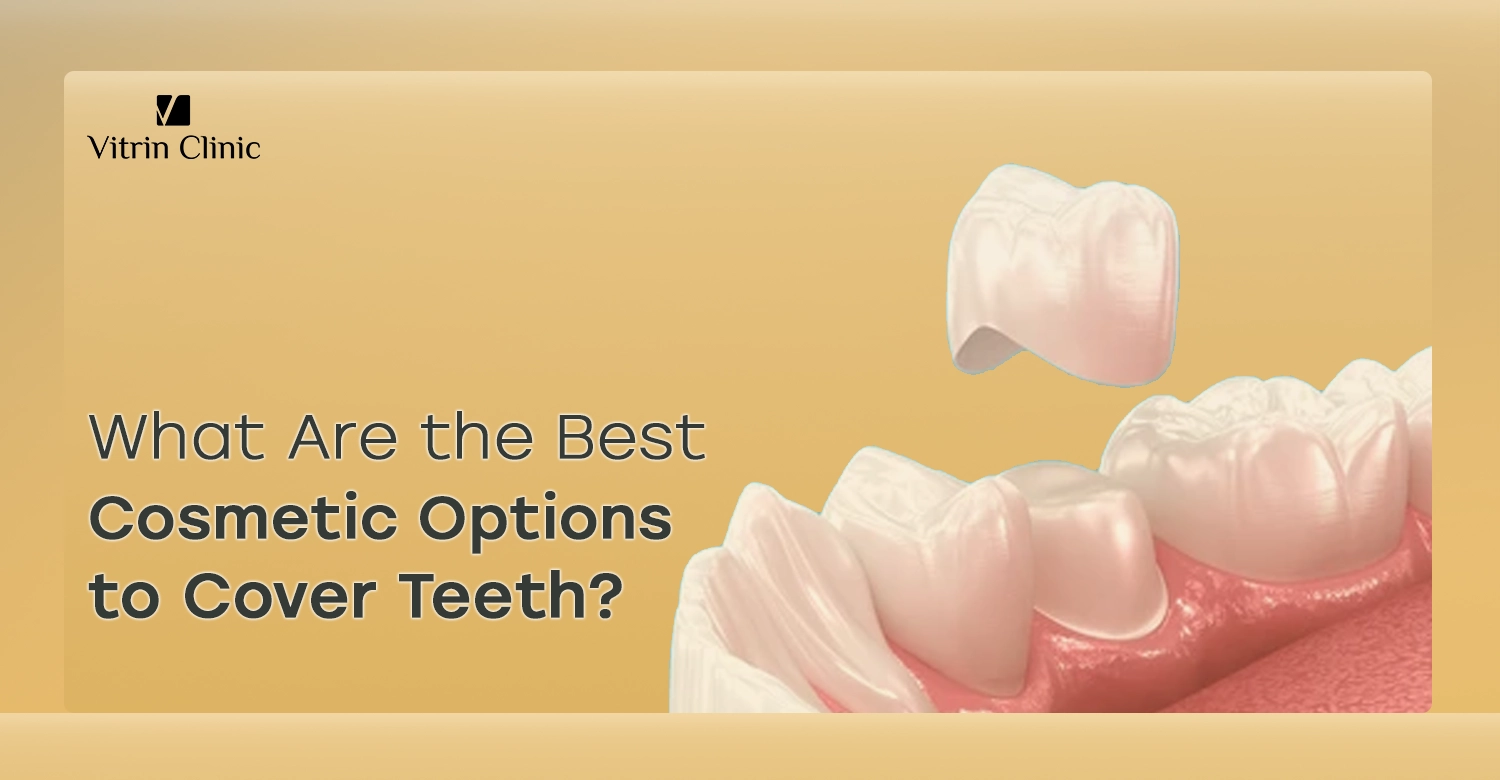
While primarily considered a restorative solution, a dental bridge is crucial for addressing a significant cosmetic flaw: a missing tooth. A traditional bridge uses a crown on either side of the gap, with a fake teeth covers (a pontin) suspended between them.
Bridges are fundamentally restorative because they restore function (chewing, speaking) lost due to a missing tooth. However, since the goal is to seamlessly fill the gap and look natural, the aesthetic component is just as vital. They are a necessary step before achieving a fully beautiful smile.
Modern bridges, especially those made of all-ceramic materials, can look incredibly natural. However, dental implants offer a standalone, individual tooth replacement that emerges from the gum line just like a natural tooth, offering the gold standard in both feel and long-term appearance. For multiple missing teeth, dental implants are often the Best cosmetic options to cover teeth.
Bridges require special attention to cleaning under the false tooth (pontin) to prevent gum disease and decay on the supporting teeth. Special flossing tools are often recommended for optimal longevity.
Making the right choice depends heavily on your budget, how long you want the solution to last, and the specific aesthetic result you are aiming for. The most popular cosmetic dental procedures are popular for a reason, they offer a great balance of these factors.
| Cosmetic Option | Longevity (Approx.) | Aesthetic Quality | Cost (Relative) | Ideal Use Case |
|---|---|---|---|---|
| Porcelain Veneers | 10-15+ years | Excellent (Highly natural) | High | Complete smile makeover, resistant staining, minor alignment. |
| Lumineers | 7-10 years | Very Good | High | Minimal-prep changes, reversibility, minor cosmetic flaws. |
| Dental Crowns | 10-15+ years | Excellent (Full coverage) | High | Severely damaged, weakened, or root-canaled teeth. |
| Dental Bonding | 3-10 years | Good | Low | Minor chips, small gaps, temporary fixes. |
Dental bonding is undeniably the most affordable solution upfront. Its low cost and single-visit nature make it accessible for minor repairs. Following this, less expensive composite veneers would be the next step up. However, when considering the total cost over 15 or 20 years, a longer-lasting option like a porcelain veneer or crown can often prove to be a more economical choice in the long run.
With proper care, porcelain veneers, high-quality ceramic crowns, and dental implants are considered the longest-lasting solutions, often serving as permanent teeth covers. Their resistance to wear and tear is a testament to the advanced materials and bonding agents used in modern dentistry.
Porcelain veneers and high-grade ceramic crowns are generally considered the most natural-looking. Porcelain can be custom-layered by a skilled dental lab technician to mimic the subtle translucency and light-reflecting properties of natural tooth enamel, making them virtually indistinguishable from real teeth.
Material choice is the single biggest factor influencing both cost and aesthetic outcome. Full porcelain/ceramic options (like E-max) are more expensive than metal-fused-to-porcelain or composite resin, but they provide superior translucency and a completely metal-free margin, which prevents the unattractive “grey line” near the gums seen with older restorations. The material directly determines how successful the cosmetic option to cover your tooth is in terms of appearance.
Absolutely. It’s very common to use a combination of Cosmetic Dentistry Procedures. For example, a patient might receive crowns on their back, load-bearing molars and porcelain veneers on their front eight to ten visible teeth. They might also receive dental bonding for minor fixes on the remaining teeth or follow up with dental implants to replace missing teeth, creating a perfectly balanced and functional smile.
The procedure for covering teeth typically involves a dental evaluation, tooth preparation, impression-taking, and placement of the chosen restoration (such as veneers, crowns, or bonding). Some treatments, like bonding, can be completed in one visit, while others, like veneers or crowns, may require two. The process is usually quick, comfortable, and designed to achieve a natural-looking smile.
The process usually involves a few key steps:
Typically, getting custom veneers or crowns requires at least two to three visits spaced over a period of 1 to 2 weeks, depending on the dental lab’s turnaround time. The first visit is for consultation and preparation, and the second is for the final fitting and bonding.
The preparation phase for veneers or crowns can be sensitive, so local anesthesia is almost always used to ensure the patient is completely comfortable. The bonding process itself is painless. For simpler procedures like dental bonding, anesthesia is often not required.
There is virtually no downtime. Patients can usually resume normal activities immediately. There might be some minor, temporary sensitivity to hot and cold for a few days, particularly with veneers or Lumineers, but this quickly subsides.
The right choice depends on your dental goals, budget, and the condition of your natural teeth. Factors like desired durability, level of invasiveness, and maintenance requirements also play a role. A cosmetic dentist can help tailor the best solution, whether veneers, crowns, or bonding to create a natural and lasting smile transformation.
Yes, foundational tooth health is paramount. A cosmetic fix will not last if it is placed on a tooth with active decay or gum disease. Any underlying issues must be addressed before proceeding with Cosmetic Dentistry Procedures. The long-term health of your teeth determines the success and longevity of the cosmetic option to cover your tooth.
A misaligned bite (malocclusion) or teeth grinding can put excessive pressure on veneers and crowns, leading to premature chipping or failure. In such cases, orthodontics (like Invisalign) may be required before or in conjunction with the cosmetic work, ensuring the permanent teeth covers have a stable foundation.
A skilled cosmetic dentist understands that the ideal tooth shade is not the “whitest” shade. The choice of veneer color must be carefully calibrated to complement the patient’s skin tone, age, and the whites of their eyes for the most natural and flattering result. Face shape also influences the optimal tooth shape for instance, slightly rounded edges may soften a square face.
While any general dentist can perform simple dental bonding, for complex full-arch cases involving veneers or multiple crowns, consulting a specialized cosmetic dentist or a prosthodontist (a specialist in dental prosthetics) is highly recommended. Their expertise ensures the structural and aesthetic success of the permanent teeth covers.
Digital Smile Design (DSD) is a state-of-the-art tool that uses high-resolution photos and videos to digitally plan and demonstrate the predicted final smile. This allows the patient to preview and approve the shape, size, and shade of their cosmetic teeth veneers before any work begins, eliminating guesswork and ensuring satisfaction.
Options like Snap-On veneers, removable dental shells, or bonding can offer an instant smile enhancement without altering natural tooth structure. These fake teeth covers are ideal for special occasions or short-term confidence boosts, though they lack the durability and precision of permanent cosmetic treatments.
Snap-on veneers, also known as clip-on smiles, are removable, custom-made appliances that fit over existing teeth. They are a non-invasive, temporary, and much more affordable solution for instantly covering stained, chipped, or gapped teeth.
For occasional use, they are generally safe. Comfort can vary widely depending on the quality of the appliance. It is crucial to get a custom-made set from a reputable provider, not a generic, ill-fitting set, which can irritate the gums.
While designed to be worn for extended periods, they are not a substitute for professional permanent teeth covers like veneers or crowns. They must be removed for eating certain foods and for cleaning, and they do not offer the same function or durability.
The difference is significant. Snap-on fake teeth covers are purely cosmetic, temporary, and often thicker than the natural tooth. Cosmetic teeth veneers are permanently bonded, feel like natural teeth, offer superior strength, and provide a far more natural and detailed aesthetic.
Professional teeth whitening is an excellent first step for surface staining and can achieve very bright results. However, it cannot correct issues of tooth shape, size, alignment, or deep, intrinsic stains.
When the core issue is structural (a chip, a gap, or a misshapen tooth) or the staining is internal (e.g., from antibiotics), whitening will not suffice. In these cases, the Cosmetic options to cover teeth namely dental bonding or veneers become necessary.
Yes. It is common practice to whiten the natural teeth first, and then match the color of the new veneers, crowns, or dental bonding material to the brightened natural teeth, ensuring a uniform and beautiful final result across the entire smile.
Maintaining cosmetic treatments requires consistent oral hygiene and mindful habits. Brush and floss daily, avoid biting hard foods, and limit staining drinks like coffee or wine. Regular dental checkups and professional cleanings help preserve both the health and appearance of your permanent teeth covers for years.
The maintenance routine for veneers and crowns is very similar to that of natural teeth:
A non-abrasive toothpaste is recommended to avoid scratching the surface of porcelain veneers or crowns. For cleaning under bridges or around dental implants, specialized tools like water flossers or interdental brushes are often necessary.
Regular check-ups and professional cleanings every six months are vital. The dental hygienist needs to use specialized tools and techniques for cleaning around the margins of the veneers and crowns without damaging them.
High-quality porcelain veneers and ceramic crowns are highly resistant to staining, much more so than natural enamel. However, the bonding material around the edges can sometimes stain over many years. Composite dental bonding is more prone to discoloration from coffee, tea, or smoking.
While porcelain is tough, it is best to avoid biting directly into very hard foods (like ice, hard candies, or bone), as this can chip or fracture the edges of veneers. Excessive consumption of highly acidic drinks can also weaken the bonding agent over time.
If a small chip occurs in a veneer or crown, sometimes it can be polished or repaired with dental bonding. However, significant fractures usually mean the entire restoration needs to be replaced. Given their status as permanent teeth covers, replacement is a process that needs careful planning.
Some potential risks of covering teeth include tooth sensitivity, enamel reduction, and possible gum irritation. Over time, restorations may chip, loosen, or discolor, requiring repair or replacement. Additionally, improper fitting or poor hygiene can lead to decay beneath the cover or gum inflammation.
Temporary sensitivity is the most common issue, usually stemming from the enamel removal process. This subsides once the veneers or crowns are permanently bonded. If the sensitivity persists, it may indicate that the underlying tooth structure was overly prepared, requiring further evaluation.
For traditional veneers and crowns, a portion of the natural enamel is removed. This makes the procedure irreversible, meaning the tooth will always require a covering. This is not the case for lumineers or dental bonding, which are minimally or non-invasive.
Yes. If the margin (edge) of the veneer or crown is poorly fitted or extends too far under the gum line, it can trap plaque and cause gum inflammation (gingivitis) and even periodontal disease. This is why choosing a highly skilled practitioner is essential when seeking the Best cosmetic options to cover teeth.
If a veneer or crown detaches, it is usually because the bonding agent has failed. The tooth may look strange or feel sensitive. It is important to save the piece and contact your dentist immediately, as the covering can often be cleaned and re-bonded.
Many international patients travel to Turkey for cosmetic dental treatments due to the country’s advanced technology, skilled dentists, and affordable pricing compared to Europe and the US. The combination of high-quality care and attractive tourism opportunities makes Turkey one of the top destinations for smile makeovers.
Turkey has heavily invested in world-class dental clinics equipped with the latest technology (like CAD/CAM and 3D imaging). Furthermore, Turkish dentists and technicians have gained international renown for their artistic skill in creating customized, natural-looking smiles, particularly with veneers and crowns.
The most significant draw is the cost. The Teeth cosmetic surgery cost in Turkey is often dramatically lower, sometimes 50% to 70% less than in Western Europe, the UK, or the US, even for premium materials like E-max or Zirconia. This makes comprehensive smile makeovers accessible to a much wider patient base.
Many top Turkish clinics, particularly those catering to international patients, adhere to high international standards of sterilization and practice. They use the same high-quality materials and state-of-the-art equipment found in leading Western clinics. However, thorough research is key.
Yes, many clinics offer attractive, all-inclusive “dental tourism” packages that combine the treatment cost, accommodation, and sometimes even local transportation, simplifying the process for patients seeking cosmetic options to cover teeth in Turkey.
Success rates are generally very high in reputable clinics, evidenced by the large volume of positive international testimonials and before-and-after results. The ability to complete extensive work like a full set of cosmetic teeth veneers in a short, focused trip is a huge convenience.
Look for clinics with:
Recent innovations include digital smile design (DSD), 3D printing for precise crown and veneer fabrication, and ultra-thin no-prep veneers that require minimal tooth alteration. Additionally, new zirconia and lithium disilicate materials offer superior strength, translucency, and a more natural appearance than ever before.
Newer generations of ultra-translucent Zirconia and reinforced glass-ceramics are improving the strength and aesthetic qualities of both crowns and veneers, making them thinner, yet more durable.
The integration of intra-oral scanners and CAD/CAM (Computer-Aided Design/Computer-Aided Manufacturing) technology has revolutionized the process. It eliminates messy impressions, allows for extreme precision in tooth preparation, and ensures the final cosmetic teeth veneers are milled with unparalleled accuracy, resulting in a perfect fit.
While still developing, 3D-printed restorations are showing promise. They can dramatically reduce production time and costs for temporary restorations and may eventually be used for final veneers, making the process faster and more streamlined.
Yes, many patients combine cosmetic and functional treatments for optimal results. For example, veneers or crowns can be paired with orthodontics to align teeth properly, while whitening or bonding can follow restorative work. This integrated approach improves both appearance and bite function, ensuring a healthy and beautiful smile.
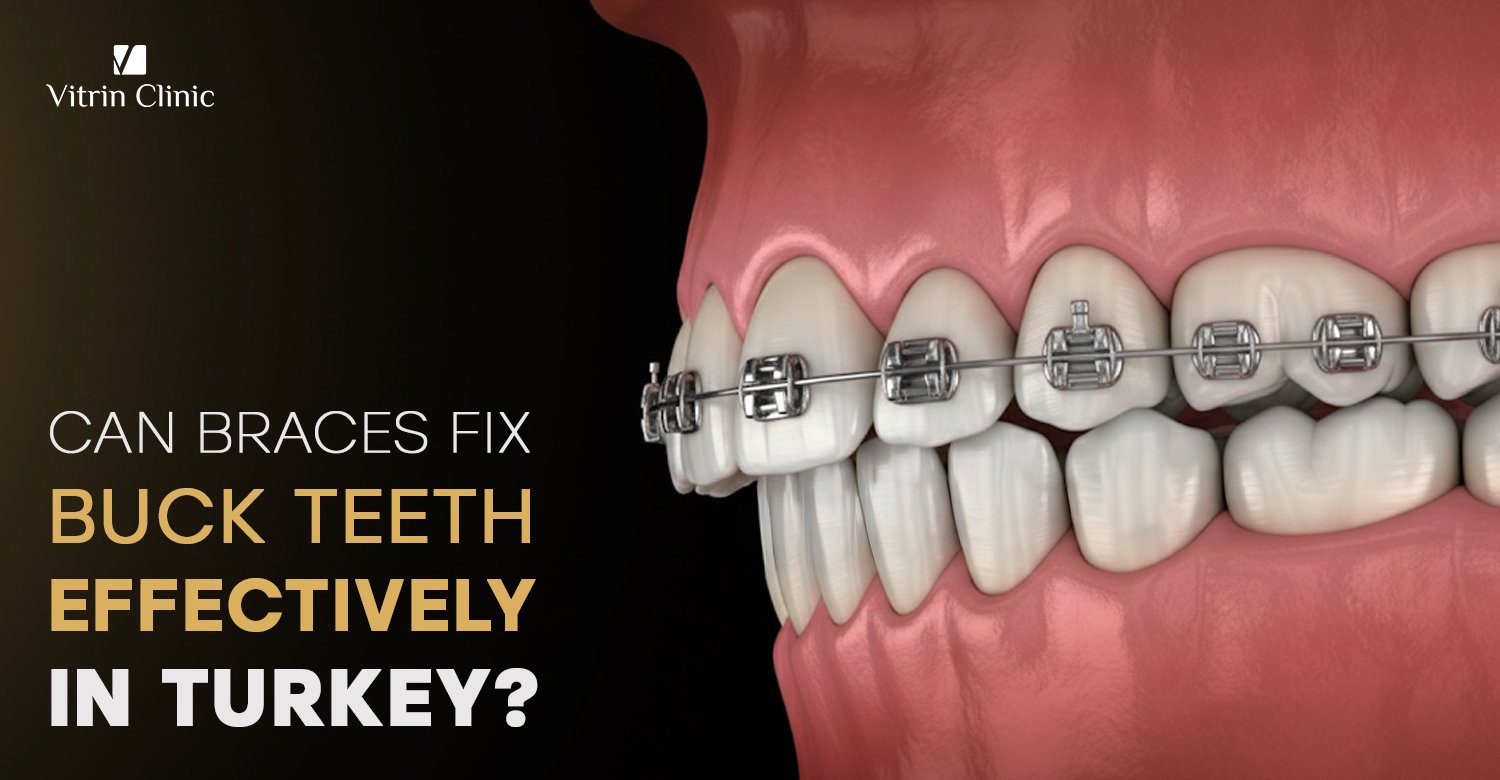
For severely crooked teeth, orthodontics should come first. Aligning the teeth correctly creates a uniform foundation, allowing the cosmetic dentist to place veneers with less aggressive tooth reduction. This ensures the longevity and optimal aesthetic result of the permanent teeth covers.
Yes, frequently. A patient may receive dental implants to replace missing teeth, and then receive veneers on the remaining natural teeth to ensure a cohesive, beautifully uniform smile throughout the entire mouth.
The two are inseparable. A true smile makeover must be both cosmetic and restorative. For example, a crown serves a restorative purpose (protecting a damaged tooth) but must also be designed with a cosmetic goal (blending seamlessly with the adjacent veneers). The overall goal is achieving health, function, and aesthetic appeal.
Before-and-after results typically show a remarkable improvement in tooth color, alignment, shape, and overall harmony of the smile. Patients often report feeling more confident and satisfied with their appearance. These visual transformations highlight the precision and artistry of modern cosmetic dentistry.
The change is profound. Issues like severe discoloration, misalignment, or gaps (Cosmetic options to cover teeth gap) can disappear completely. A skilled Cosmetic option to cover teeth specialists can create a smile that looks incredibly natural, brighter, and perfectly symmetrical.
Modern digital smile design is highly accurate. Once the patient approves the digital preview, the dental team works diligently to ensure the final result the placement of the cosmetic teeth veneers, mirrors that blueprint as closely as possible, leading to very predictable and satisfying outcomes.
Customization is the very essence of veneers. Every detail, from the length and width to the color and the tiny texture on the surface, is meticulously designed to suit the patient’s facial features and personal aesthetic preference. This bespoke approach is what sets premium Cosmetic Dentistry Procedures apart.
Choosing the right Cosmetic options to cover teeth is a decision that impacts your health, appearance, and confidence for years to come. By thoroughly researching the Types of teeth covers and consulting with a specialist who can combine the art of smile design with the science of dentistry, you ensure that your investment results in a stunning, enduring, and natural-looking smile.
If you are ready to explore the Best cosmetic options to cover teeth and want the assurance of expert-led treatment using the latest innovations, we invite you to take the next step.
Visit vitrin clinic. for a Free Consultation today and start your journey toward a perfect smile.
[sc_fs_multi_faq headline-0=”h3″ question-0=”What is the most natural-looking option to cover teeth?” answer-0=”Porcelain veneers are considered the most natural-looking option due to their translucency and ability to mimic real enamel.” image-0=”” headline-1=”h3″ question-1=”How long do cosmetic covers like veneers or crowns last?” answer-1=”They typically last between 10–15 years with proper care and maintenance.” image-1=”” headline-2=”h3″ question-2=”Can you cover teeth without shaving enamel?” answer-2=”Yes, options like Lumineers or no-prep veneers can be applied without significant enamel removal.” image-2=”” headline-3=”h3″ question-3=”Are cosmetic options permanent or reversible?” answer-3=”Most are semi-permanent, especially veneers and crowns, as they involve altering the natural tooth structure.” image-3=”” headline-4=”h3″ question-4=”How do I know if veneers are right for me?” answer-4=”A dental consultation and smile analysis will determine if your teeth and bite are suitable for veneers.” image-4=”” headline-5=”h3″ question-5=”Is it possible to cover a single tooth instead of all teeth?” answer-5=”Yes, a single veneer or crown can be used to match the rest of your teeth perfectly.” image-5=”” headline-6=”h3″ question-6=”What’s the difference between veneers, bonding, and Lumineers?” answer-6=”Veneers are porcelain shells, bonding uses resin, and Lumineers are ultra-thin, no-prep versions of veneers.” image-6=”” headline-7=”h3″ question-7=”How do I clean my teeth after getting veneers?” answer-7=”Brush and floss normally, using a soft toothbrush and non-abrasive toothpaste.” image-7=”” headline-8=”h3″ question-8=”Can smokers get veneers or Lumineers safely?” answer-8=”Yes, but smoking can stain the edges and reduce the overall lifespan of the veneers.” image-8=”” headline-9=”h3″ question-9=”How much do cosmetic coverings cost in Turkey?” answer-9=”Prices range from $150 to $400 per tooth, depending on the material and clinic reputation.” image-9=”” count=”10″ html=”true” css_class=””]
Cosmetic Dentistry
October 13, 2025

O Dr. Faisal Kayali possui mais de 7 anos de experiência clínica e faz parte atualmente da equipe médica da Vitrin Clinic.