Cosmetic Dentistry
September 11, 2025
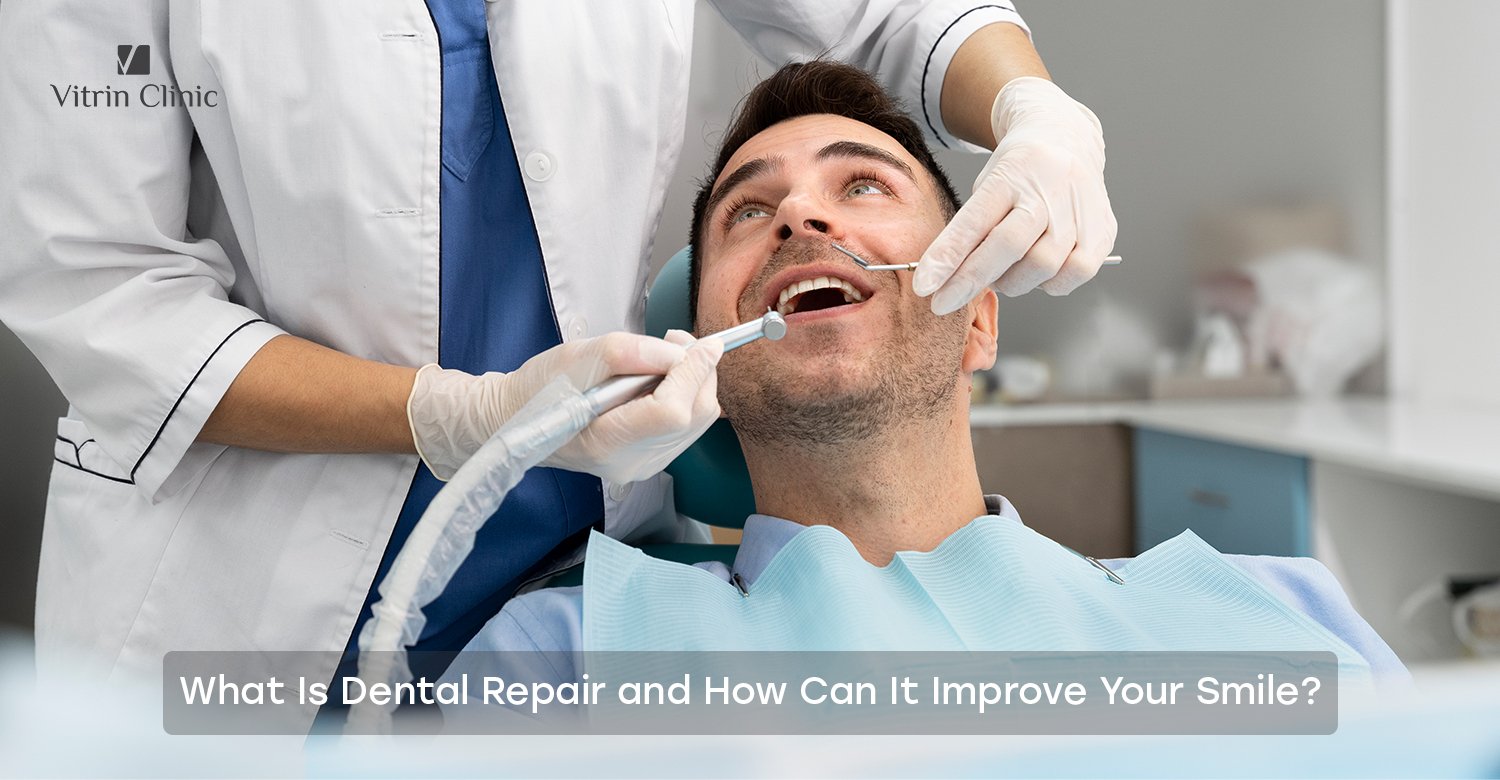
Dental repair refers to a range of treatments designed to restore damaged or decayed teeth, improving both function and aesthetics. Whether it’s fixing a chipped tooth or replacing missing parts, dental repair helps maintain oral health and a confident smile.
Dental repair works by addressing structural weaknesses or damage in teeth through various procedures aimed at restoring both function and appearance. The process involves removing decayed or damaged parts of the tooth and rebuilding it using specialized dental materials and equipment.
Anyone experiencing dental damage from cavities, fractures, wear, or missing teeth can benefit from dental repair. This includes individuals with broken or chipped teeth, gaps due to tooth loss, discoloration, or those seeking to improve the look and function of their smile. Dental repair enhances oral health by preventing further decay and restoring chewing ability, while also significantly improving self-confidence and overall quality of life.
Dental repair is crucial because it helps restore the integrity and function of damaged teeth, preventing further decay and serious oral health problems. By addressing cavities, fractures, or wear early, dental repair reduces the risk of infections, tooth loss, and complex dental diseases.
Dental repair strengthens teeth by sealing cavities and restoring broken or weakened areas. This protection prevents bacteria from penetrating deeper into the teeth, lowering the risk of infections and gum disease. Maintaining tooth structure through repair also helps preserve proper bite alignment and chewing efficiency, supporting overall oral health.
Yes, dental repair significantly enhances the appearance of your teeth and smile. Procedures such as veneers, crowns, and bonding restore the natural shape, color, and symmetry of damaged or discolored teeth. This cosmetic improvement boosts confidence and contributes to a healthier, more attractive smile.
Proper dental repair is essential for preventing the progression of dental damage and reducing the risk of future problems like tooth loss and gum disease. Timely repairs protect surrounding teeth and tissues, ensuring long-term oral health and often avoiding costly or invasive treatments later on.
Dental repair refers to the treatments dentists use to restore damaged, decayed, or missing teeth. The goal is not only to relieve pain and stop further damage but also to bring back the natural look and function of your smile. Depending on the severity of the problem, dental repair can be simple, like filling a small cavity, or more advanced, such as replacing a missing tooth with an implant.
Tooth filling is a common repair procedure for treating cavities and minor decay. The dentist removes the decayed tissue from the tooth and fills the cavity with materials such as composite resin, amalgam, or gold. This process stops the progression of decay and restores the tooth’s structure and strength, preventing further damage.
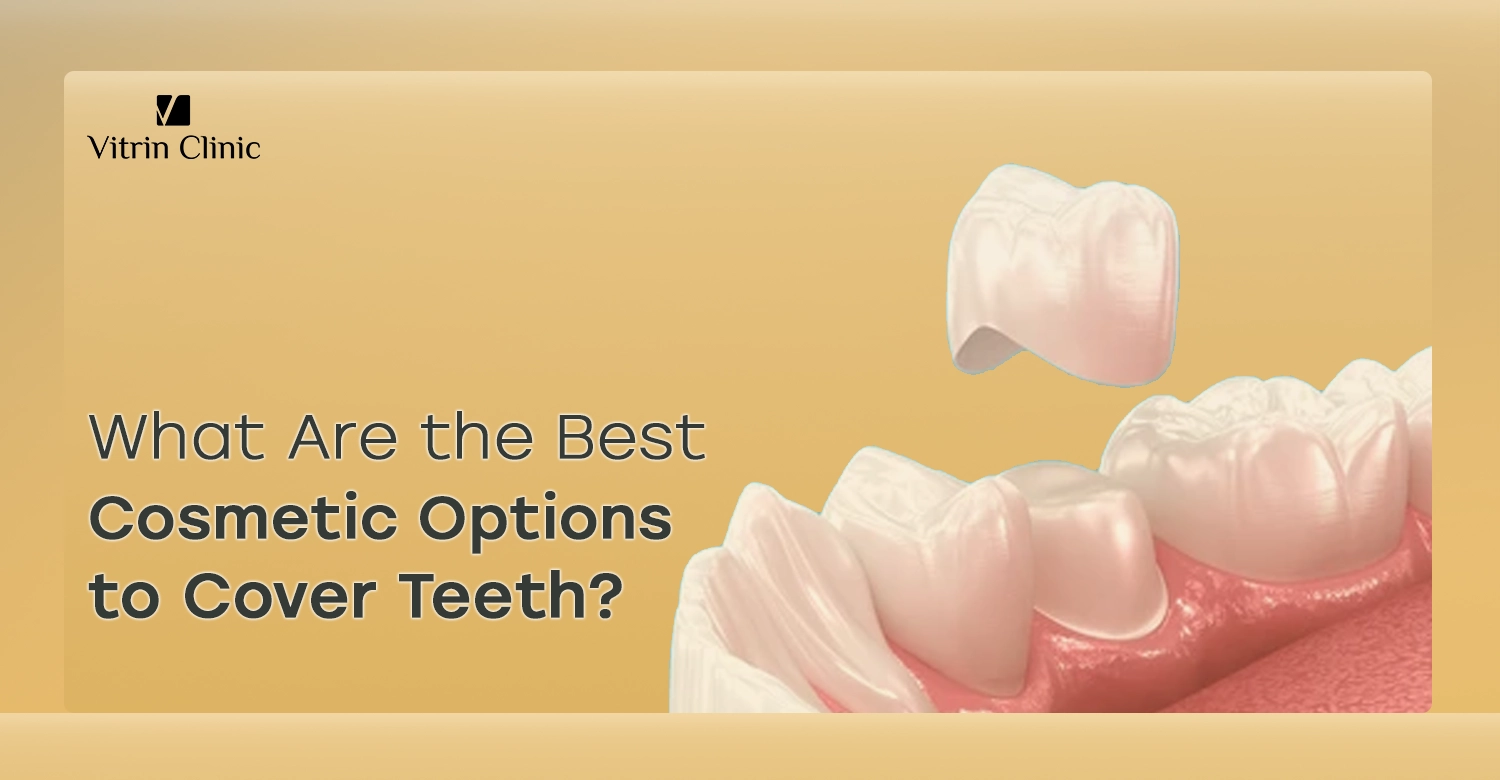
Dental crown repair involves placing a custom-made cap over a weakened, cracked, or broken tooth. The crown fully covers the visible part of the tooth, restoring its shape, size, strength, and appearance. Crowns protect the underlying tooth from further damage, support chewing function, and improve aesthetics, especially for severely damaged teeth.
Dental implants replace missing teeth with artificial roots, typically titanium posts, which are surgically anchored into the jawbone. Once integrated, these implants support crowns, bridges, or dentures. Implants provide a durable, natural-looking, and long-lasting solution for tooth replacement and are ideal for extensive dental repair needs.
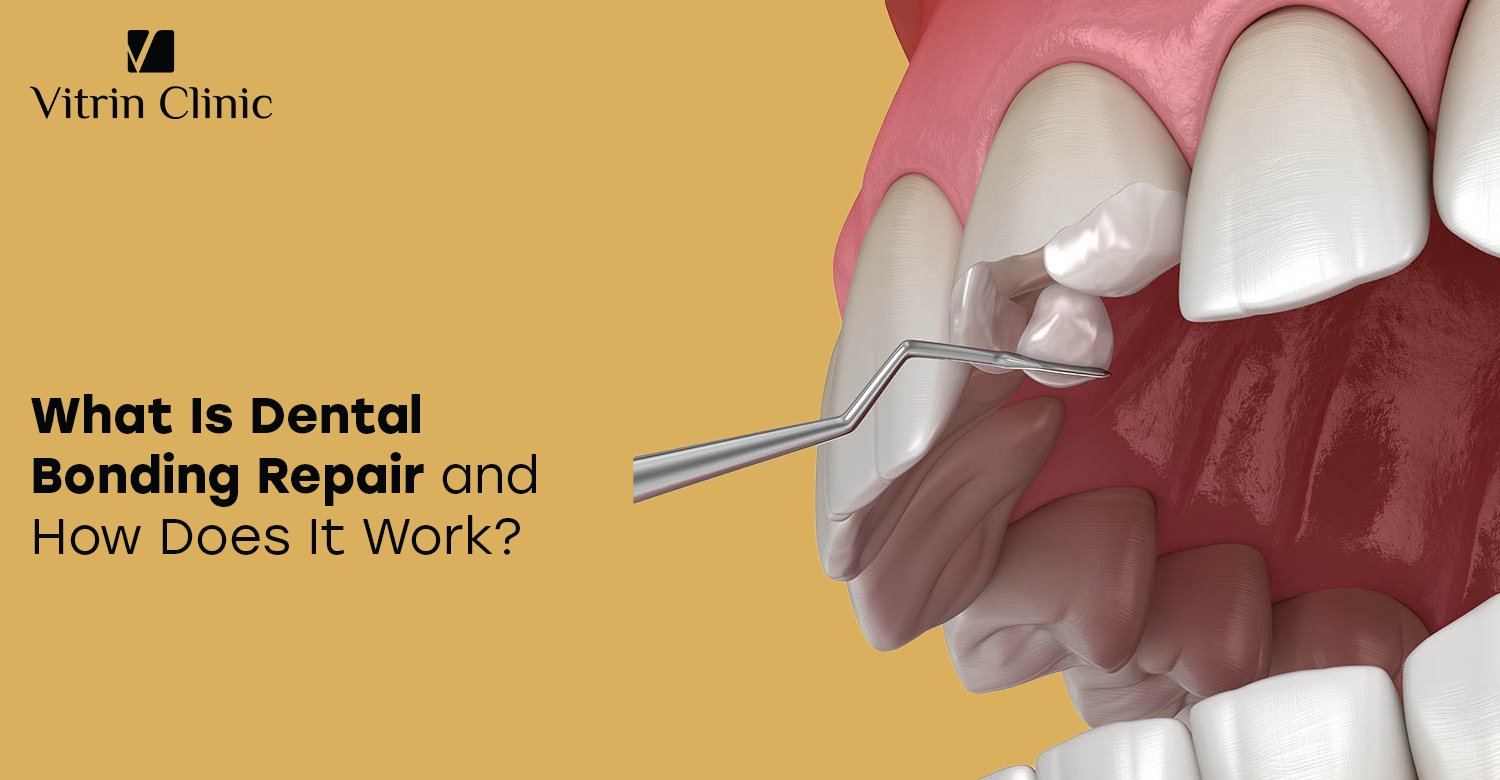
Minor fractures and chips can often be repaired without surgery using dental bonding or veneers. Bonding involves applying a tooth-colored resin to repair and reshape the tooth, while veneers are thin shells bonded to the tooth surface to conceal damage, discoloration, or gaps. However, severe breaks may require more invasive treatments such as root canal therapy or tooth extraction.
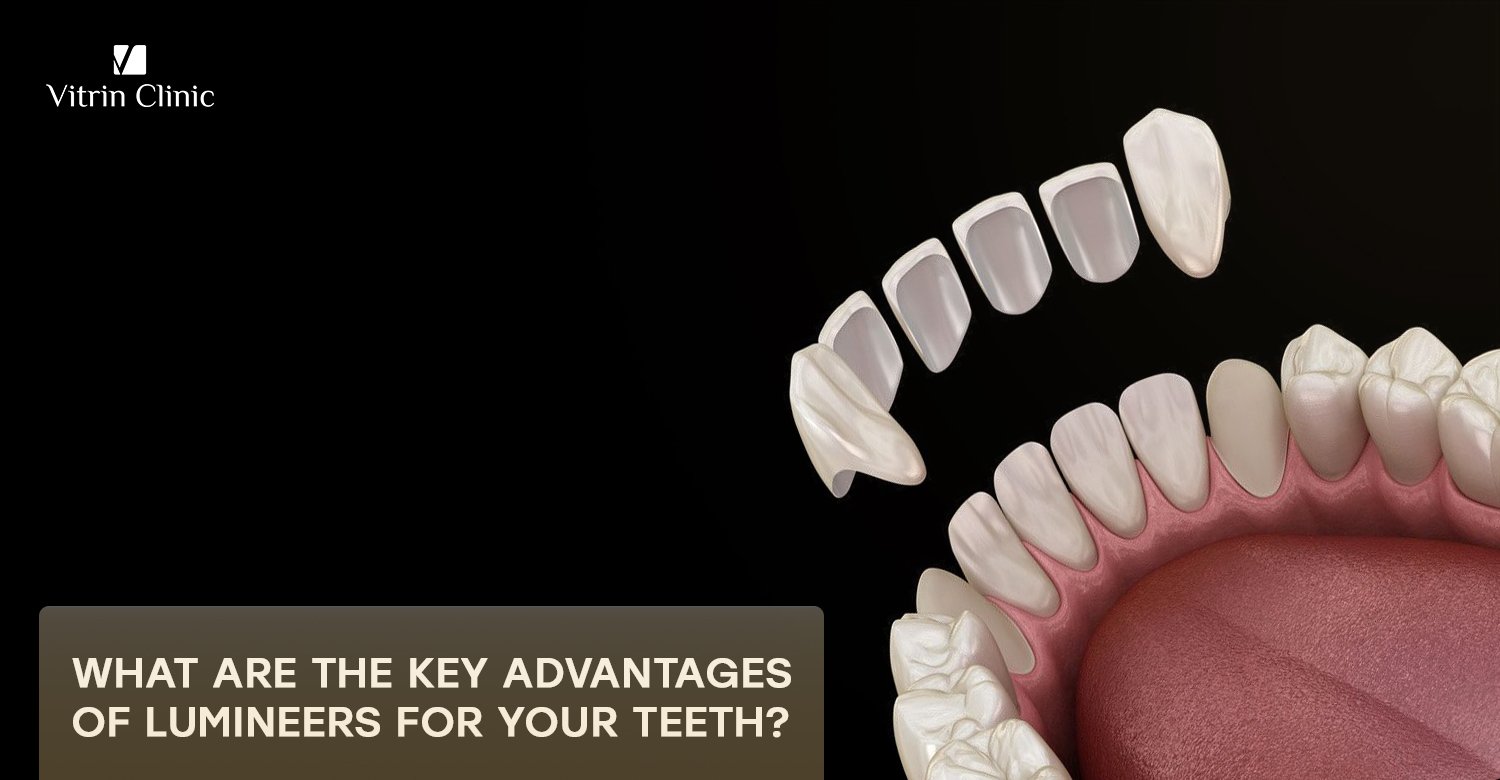
Veneers are cosmetic dental repairs that consist of thin porcelain or composite shells bonded to the front surfaces of teeth. They cover chips, cracks, discoloration, or minor misalignments, providing a uniform, natural-looking smile. Veneers enhance both the aesthetics and the protective surface of teeth without the need for extensive drilling or surgery. We can quickly fix chipped teeth in a single visit using advanced bonding techniques
Choosing the right dental repair treatment isn’t just about fixing a tooth, it’s about restoring long-term function, comfort, and confidence in your smile. It also requires careful consideration of several important factors to ensure the best possible outcome for both your oral health and aesthetics.
A dental professional will evaluate your oral condition through a clinical examination, dental X-rays, and possibly 3D imaging. Based on these assessments, they recommend a customized treatment plan that balances durability, aesthetics, cost, and long-term oral health.
Yes. Turkey is a leading destination for dental repair thanks to its modern clinics, skilled dentists, and affordable prices.
Treatments such as fillings, crowns, implants, and full smile makeovers are performed with advanced technology at a fraction of the cost compared to the US or Europe. Many clinics also provide all-inclusive packages with transfers and accommodation, making Turkey a convenient and cost-effective option for dental care abroad.
Asking these questions helps you make informed decisions and ensures confidence in your dental repair journey.
Dental repair costs in Turkey are generally affordable and offer excellent value compared to many Western countries. Prices vary depending on the procedure, materials used, and clinic location but remain lower while maintaining high-quality care. Our Crown Replacement service ensures your dental restoration fits perfectly and functions optimally

Coverage depends on your individual insurance plan. Essential dental repairs, such as fillings or necessary crowns, are sometimes included, especially under private or supplementary insurance. Cosmetic procedures like veneers may not be covered.
Yes, many international patients choose Turkey for dental repair due to its skilled technicians, modern facilities, and competitive prices. These factors make Turkey a leading destination for affordable yet high-quality dental care.
Dental repair is generally safe and effective, but like any medical procedure, it comes with certain risks and potential complications. Being aware of these helps patients take proper precautions, follow aftercare instructions, and seek timely intervention if problems arise. Deciding between implants versus bridges depends on the health of your adjacent teeth and jawbone
While dental repair procedures are safe and highly successful, patients may experience some temporary side effects as the teeth and gums adjust to treatment. Most of these symptoms are mild, short-lived, and part of the normal healing process.
It’s common for teeth to feel sensitive to hot, cold, sweet, or acidic foods and drinks after a filling, crown, or other repair. This happens because dental work can temporarily irritate the tooth’s inner nerves or expose areas of enamel and dentin that are normally protected.
Mild soreness around the treated tooth or gum area is another frequent side effect. This may occur after injections of local anesthesia, drilling, or adjustments made to restore the tooth’s shape. Chewing on the treated side of the mouth may feel uncomfortable for a short time, especially after larger procedures like root canals or crown placements.
Although rare, some patients may experience allergic reactions to materials used in dental repairs. This can include metals (such as nickel or amalgam in older fillings) or resins in composite fillings and bonding. Reactions might appear as swelling, redness, irritation in the gums, or even a rash.
Preventing complications largely depends on:
Contact your dentist promptly if you experience:
Being vigilant and proactive helps ensure successful healing and longevity of your dental repair.
The longevity of dental repair varies depending on the type of procedure, materials used, and individual patient factors. Generally, dental repairs can last several years with proper care and maintenance. Severe tooth decay can lead to infection and tooth loss if not treated promptly
Several key factors influence how long dental repairs last:
To maximize the lifespan of dental repairs:
Yes, some methods are inherently more durable based on materials and placement:
Modern dentistry is evolving rapidly, and dental repair today looks very different from what it did a decade ago. Recent innovations are transforming treatments by making them faster, less invasive, longer-lasting, and more natural-looking. Patients now benefit from technology and materials that combine precision with comfort, ensuring dental repair is not just functional but also highly aesthetic.
Digital dentistry has revolutionized the way treatments are planned and delivered.
Advancements in dental materials ensure repairs are stronger, more natural-looking, and longer-lasting.
Yes. One of the biggest shifts in modern dentistry is the move toward minimally invasive approaches, designed to protect as much healthy tooth structure as possible.
Visit vitrinclinic.com to explore advanced dental repair solutions in Turkey. Schedule your FREE CONSULTATION today and restore both the health and beauty of your smile with expert care. Emergency dental services are available 24/7 for issues like knocked-out teeth and severe abscesses
[sc_fs_multi_faq headline-0=”h3″ question-0=”Can dental repair fix crooked teeth without braces?” answer-0=”Dental repair can improve the appearance of mildly crooked teeth using veneers or bonding, but it does not straighten teeth like braces do.” image-0=”” headline-1=”h3″ question-1=”How painful is dental repair?” answer-1=”Most dental repair procedures are minimally painful, with local anesthesia used to reduce discomfort.” image-1=”” headline-2=”h3″ question-2=”How long does a dental repair procedure take?” answer-2=”Procedures typically last between 30 minutes to 2 hours depending on the complexity.” image-2=”” headline-3=”h3″ question-3=”Can dental repair be done in one visit?” answer-3=”Many repairs, such as fillings and bonding, can be completed in one visit, though some treatments may require multiple appointments.” image-3=”” headline-4=”h3″ question-4=”Is dental repair permanent or temporary?” answer-4=”Dental repairs can be long-lasting but may need maintenance or replacement over time.” image-4=”” headline-5=”h3″ question-5=”How do I choose a reliable dental repair clinic in Turkey?” answer-5=”Look for experienced dental repair technicians, positive patient reviews, modern dental repair equipment, and proper certifications.” image-5=”” headline-6=”h3″ question-6=”Are there any age restrictions for dental repair?” answer-6=”No strict age limits exist; treatment is tailored to individual needs regardless of age.” image-6=”” headline-7=”h3″ question-7=”Can cosmetic dental repair be combined with orthodontics?” answer-7=”Yes, combining both can provide comprehensive smile improvement.” image-7=”” headline-8=”h3″ question-8=”How soon can I eat after a dental repair procedure?” answer-8=”Usually, you can eat after anesthesia wears off, but avoiding hard or sticky foods for a few hours is recommended.” image-8=”” headline-9=”h3″ question-9=”Does dental repair improve overall oral hygiene?” answer-9=”Yes, by restoring damaged teeth, dental repair helps maintain better oral hygiene and prevents further decay.” image-9=”” count=”10″ html=”true” css_class=””]

O Dr. Faisal Kayali possui mais de 7 anos de experiência clínica e faz parte atualmente da equipe médica da Vitrin Clinic.