After getting a dental crown, it’s normal to experience some mild pain or sensitivity for a few days. Recovery involves getting used to the new crown and avoiding pressure on the treated tooth. To heal faster, rinse with warm salt water and avoid hard or sticky foods. Regular dental check-ups are important to ensure the crown is properly fitted and prevent complications.
Understanding dental crown recovery is essential for achieving optimal results after your restoration procedure. The recovery process involves following specific care instructions to ensure proper healing, minimize discomfort, and extend the lifespan of your crown. Proper healing time varies by individual but typically spans one to two weeks for complete comfort and adaptation to your new restoration.
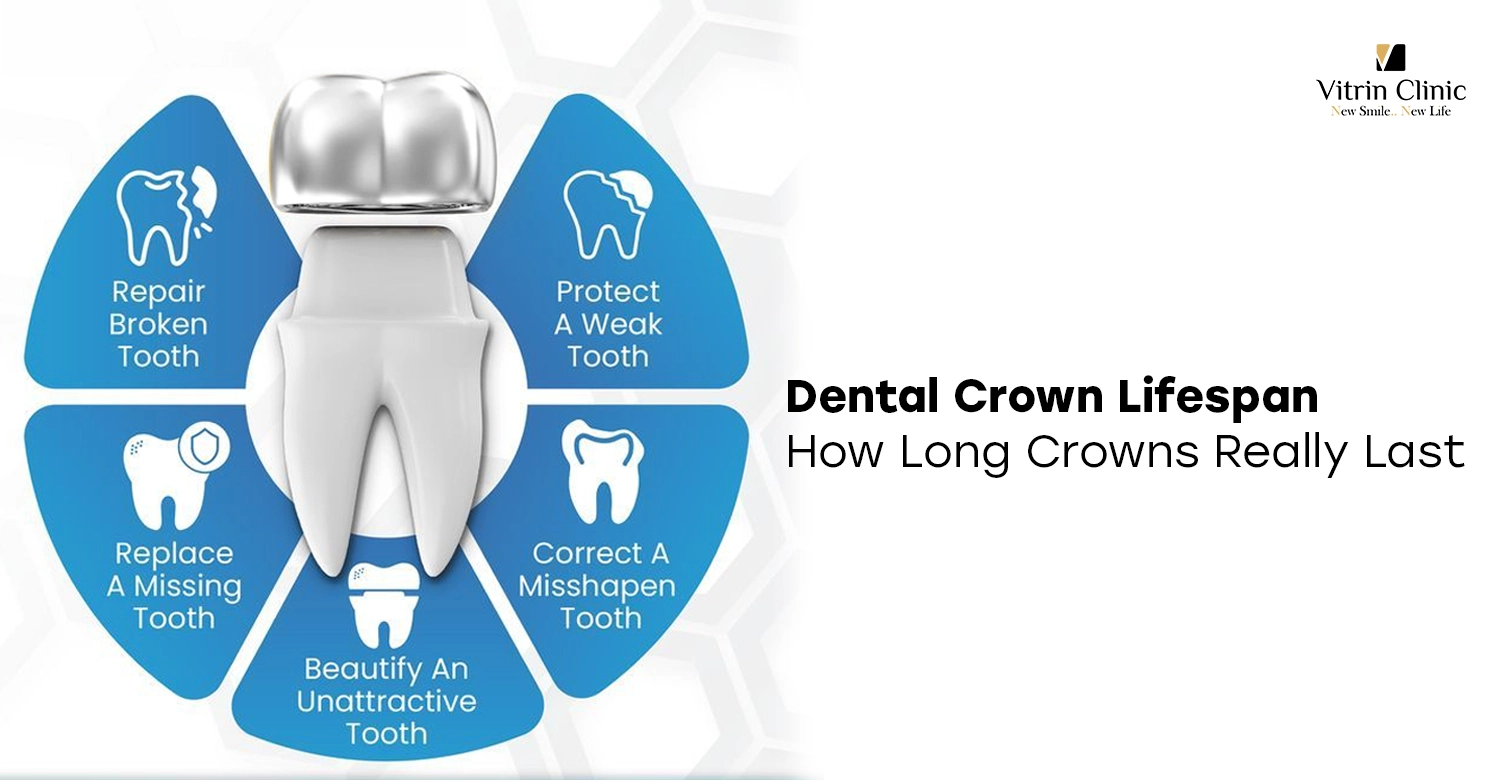
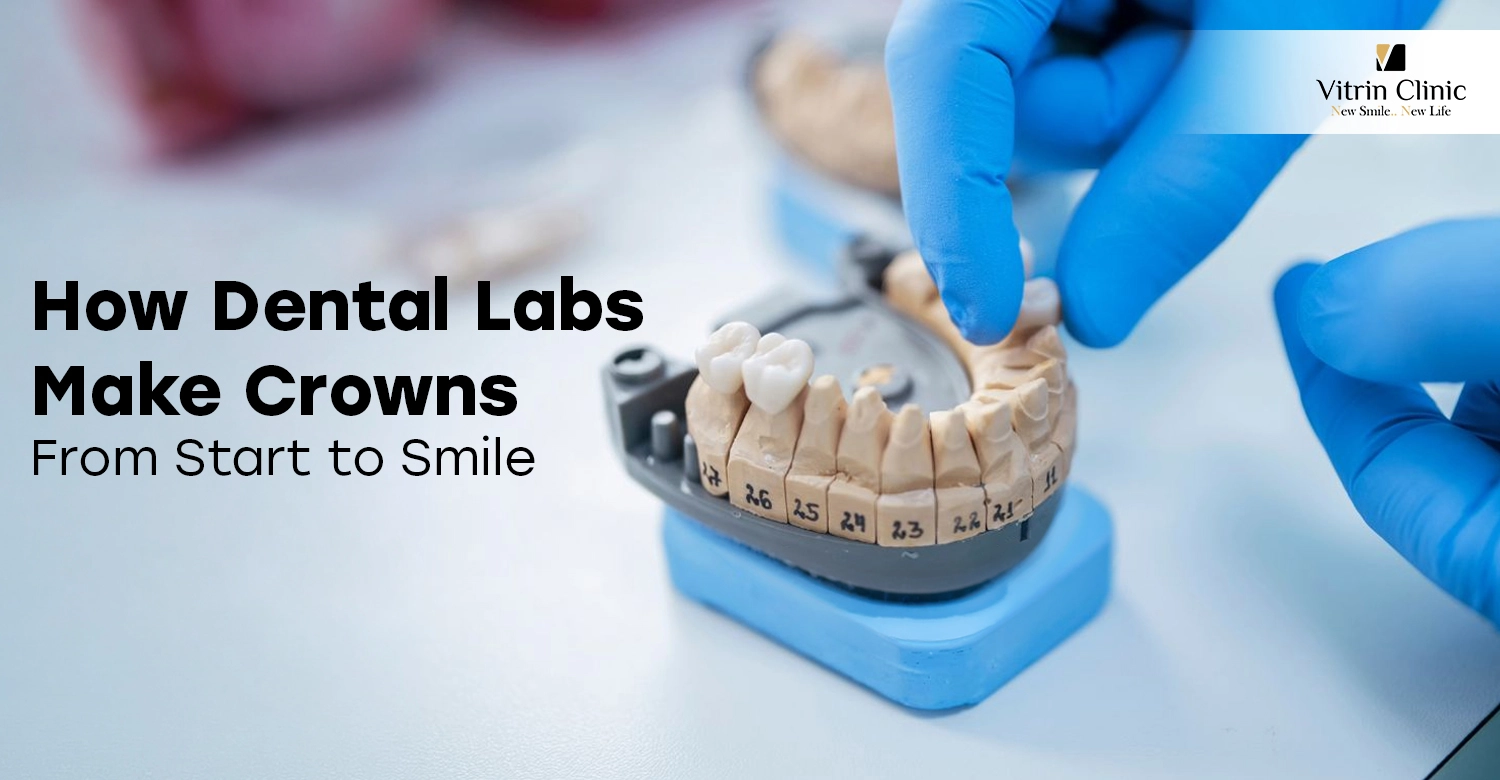
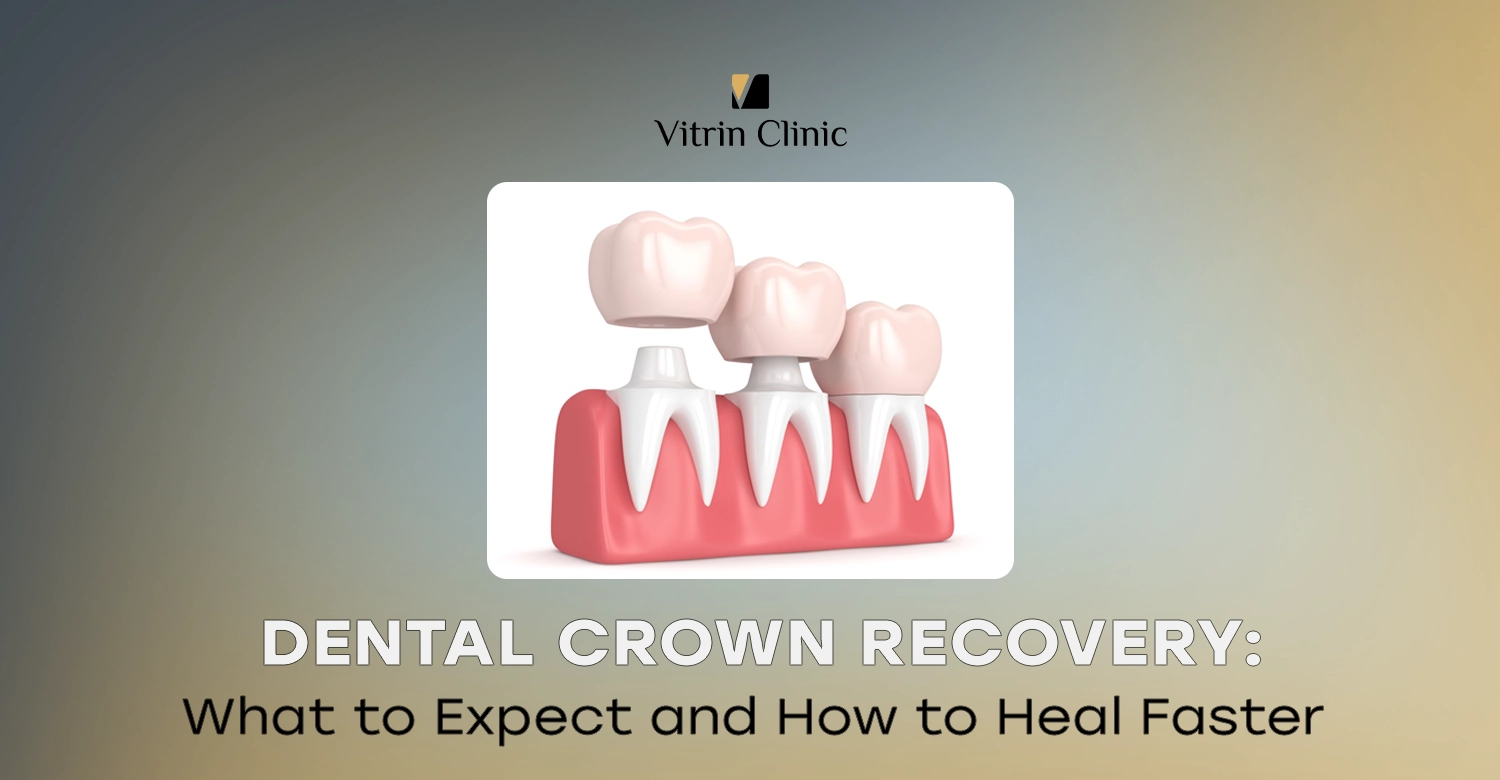
A dental crown is a tooth-shaped cap placed over a damaged tooth to restore its function, strength, and appearance. Crowns are needed when teeth suffer from severe decay, cracks, fractures, or weakening after root canal therapy. The procedure involves reshaping the tooth, taking impressions, and cementing the custom-made crown securely over the prepared tooth structure.
Proper healing directly influences long-term oral health and treatment success. Following aftercare guidelines reduces risks of infection, sensitivity, and crown failure. Adequate recovery ensures the restoration bonds correctly, functions comfortably, and lasts 10-15 years or more. Neglecting recovery protocols can compromise crown integrity and require costly replacements or repairs.
If you are experiencing unexpected issues, reading about dental crown pain will provide you with the necessary steps to find immediate relief.
The typical recovery time after dental crown procedure is a common concern for patients considering this restorative treatment. Understanding what to expect during each phase helps you prepare mentally and physically. Most patients experience minimal disruption to daily activities, with healing progressing smoothly when proper aftercare instructions are followed consistently throughout the process.
The first 24-48 hours represent the critical initial phase of dental crown recovery. You may experience numbness from local anesthesia, mild soreness around the crowned tooth, and heightened sensitivity to hot or cold temperatures. Gum tissue may appear slightly swollen or tender. These symptoms are normal as your mouth begins adjusting to the new restoration.
The typical recovery time after dental crown procedure spans approximately one to two weeks for most patients. Initial discomfort usually subsides within three to five days. You can gradually return to normal eating habits after 24 hours, starting with softer foods. Complete gum healing occurs within seven to ten days, allowing resumption of regular activities and dietary preferences.
Complete healing, including full adaptation and comfort, typically requires two to four weeks. Several factors influence your recovery speed: age, overall oral health status, bone density, crown material type, whether temporary crowns were used, and adherence to post-procedure instructions. Some patients adapt within days while others need extended periods for complete adjustment.
If you are experiencing unexpected issues, reading about tooth sensitivity after crown will provide you with the necessary steps to find immediate relief.
After dental crown recovery begins, implementing proper care strategies ensures optimal healing and crown longevity. These dental crown recovery tips help minimize complications and accelerate the healing process. Following evidence-based practices during your recovery period protects your investment and promotes comfortable adaptation. Consistent attention to aftercare significantly impacts treatment success.
After healing starts, brush gently twice daily using a soft-bristled toothbrush and non-abrasive toothpaste around the crowned area. Floss carefully along the crown margins, sliding floss gently rather than snapping it forcefully. Avoid chewing hard foods like ice, nuts, or hard candy. Minimize sticky substances like caramel that could dislodge your crown during the healing phase.
Effective dental crown recovery tips for managing discomfort include taking over-the-counter pain relievers like ibuprofen or acetaminophen as directed by professionals. Use desensitizing toothpaste for temperature sensitivity. Rinse with warm salt water to soothe tender gums. Contact Vitrin Clinic if pain intensifies after three days or becomes severe during your healing process.
Recognizing potential complications early ensures successful healing. Watch for signs of infection including persistent swelling, fever, or pus discharge around the crowned tooth. Notice if your crown feels loose or shifts position. Schedule follow-up appointments at Vitrin Clinic as recommended to monitor healing progress and address concerns promptly throughout your recovery period.
Dental crown lengthening recovery time differs from standard crown placement due to the surgical nature of the procedure. Understanding this timeline helps patients prepare for extended healing periods. This procedure requires additional tissue healing, making dental crown lengthening recovery time longer than typical restorations. Proper care during this phase ensures optimal aesthetic and functional outcomes for patients.
Crown lengthening is a surgical procedure that removes excess gum tissue and sometimes bone to expose more of the tooth structure. This procedure is performed when insufficient tooth structure exists above the gum line for proper crown placement. The process creates adequate space for crown margins, prevents gum irritation, and improves the restoration’s fit.
To maximize the lifespan of your restoration, it is crucial to learn about caring for your new crown properly every single day.
Dental crown lengthening recovery time typically spans two to three months for complete tissue maturation and healing. Initial healing occurs within seven to ten days, with suture removal scheduled accordingly. Full gum remodeling and stabilization require six to twelve weeks. This extended timeline exceeds standard crown procedures because surgical sites need more time before final crown placement.
Accelerating dental crown lengthening recovery time involves consuming soft, nutritious foods and avoiding spicy or acidic items that irritate surgical sites. Maintain excellent oral hygiene using prescribed antimicrobial rinses. Avoid smoking and strenuous activities that increase bleeding risk. Follow all post-surgical instructions from Vitrin Clinic to optimize your healing timeline and achieve the best possible results.
If you are experiencing unexpected issues, reading about discomfort after placement will provide you with the necessary steps to find immediate relief.
Vitrin Clinic prioritizes comprehensive support throughout your dental crown recovery journey, ensuring optimal outcomes and patient satisfaction. Our commitment to excellence combines advanced technology with personalized treatment approaches. At Vitrin Clinic, we understand that successful healing requires professional expertise, patient education, and ongoing support throughout the entire treatment timeline.
Vitrin Clinic offers specialized dental care utilizing state-of-the-art technology and evidence-based treatment protocols. Our facility provides comprehensive restorative dentistry services including crown placement, crown lengthening, and complete aftercare support. Vitrin Clinic’s experienced team ensures each patient receives individualized attention and guidance throughout their healing period for optimal results and long-term satisfaction.
Vitrin Clinic develops personalized healing plans tailored to each patient’s unique needs and circumstances. We provide detailed aftercare instructions, 24/7 emergency support, and scheduled follow-up appointments to monitor your progress. Our team remains accessible throughout your healing journey, addressing concerns promptly and ensuring comfortable adaptation. Vitrin Clinic’s comprehensive approach maximizes success rates and patient satisfaction.

Dental crown recovery time typically ranges from one to two weeks for initial healing and comfort. Most patients experience significant improvement within three to five days after the procedure. Complete adaptation, including full tissue healing and adjustment to the crown, usually occurs within two to four weeks, depending on individual factors and adherence to aftercare instructions provided by your dental professional.
During the healing period, consume soft foods like yogurt, mashed potatoes, scrambled eggs, smoothies, soups, and cooked vegetables for the first 24-48 hours. Gradually reintroduce firmer foods as comfort allows. Avoid hard, crunchy, sticky, or chewy foods during early healing stages. Chew on the opposite side initially to protect the new crown and promote optimal adaptation. To maximize the lifespan of your restoration, it is crucial to learn about foods to avoid with crowns properly every single day.
You can resume gentle brushing and flossing within 24 hours after the procedure begins, using careful techniques around the crowned tooth. Use a soft-bristled toothbrush and non-abrasive toothpaste. Floss gently along crown margins without forcing. Return to complete normal oral hygiene routines within seven to ten days as sensitivity decreases and healing progresses comfortably and smoothly.
Mild pain and sensitivity are completely normal and expected for three to five days post-procedure. Discomfort typically manifests as temperature sensitivity or soreness when chewing. However, severe, worsening, or persistent pain beyond one week may indicate complications requiring professional evaluation. Contact Vitrin Clinic immediately if pain intensifies or unusual symptoms develop during your healing process.
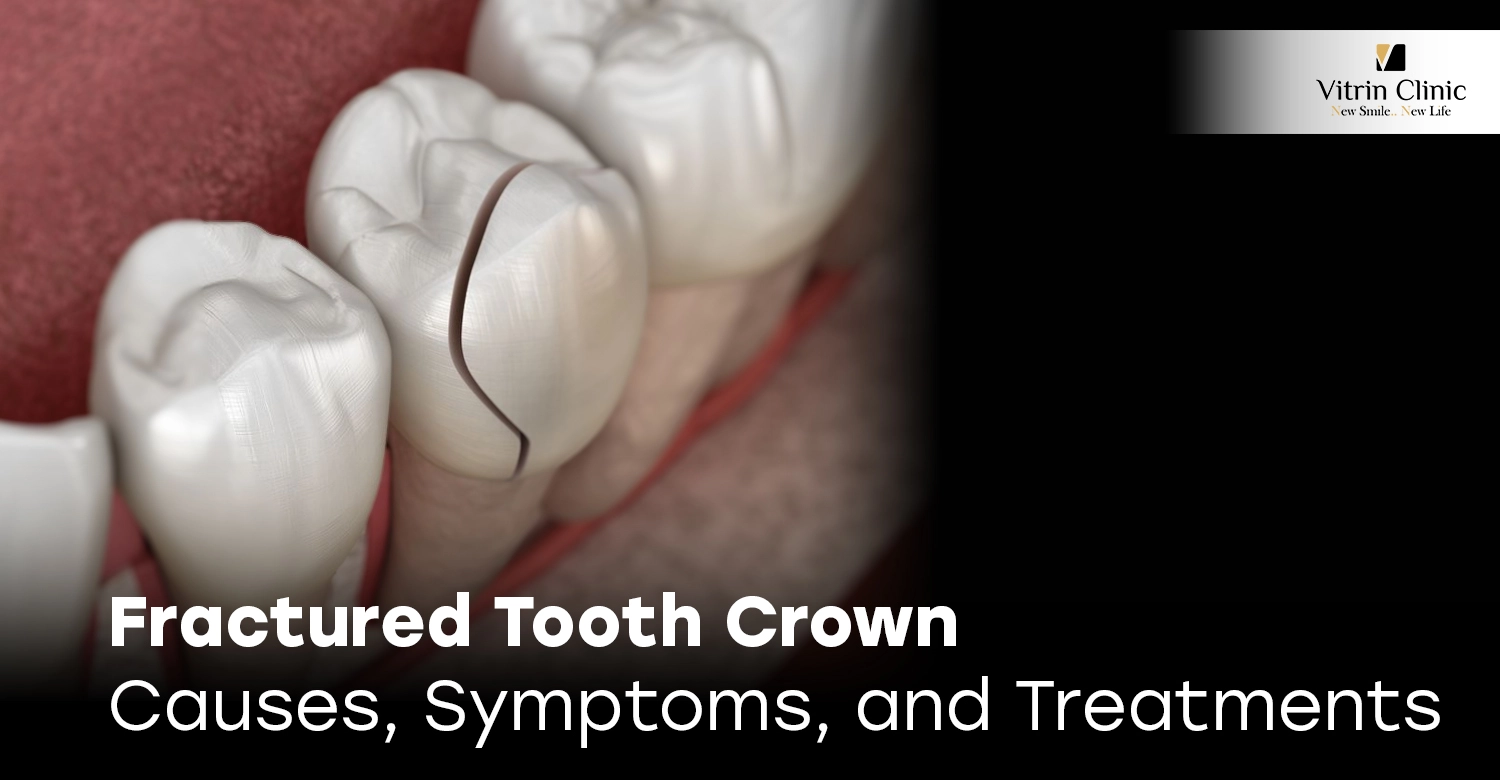
Crown failure during the healing period is uncommon but possible due to factors like improper bonding, excessive bite force, or underlying tooth issues. Signs include crown loosening, shifting, or detachment. Avoid hard foods and follow aftercare instructions to prevent failure. If you suspect crown problems, contact Vitrin Clinic immediately for evaluation and appropriate intervention to preserve your restoration.
Dental Crowns
February 8, 2026

O Dr. Faisal Kayali possui mais de 7 anos de experiência clínica e faz parte atualmente da equipe médica da Vitrin Clinic.