Dental Crowns
March 1, 2026
How Dental Labs Make Crowns: From Start to Smile
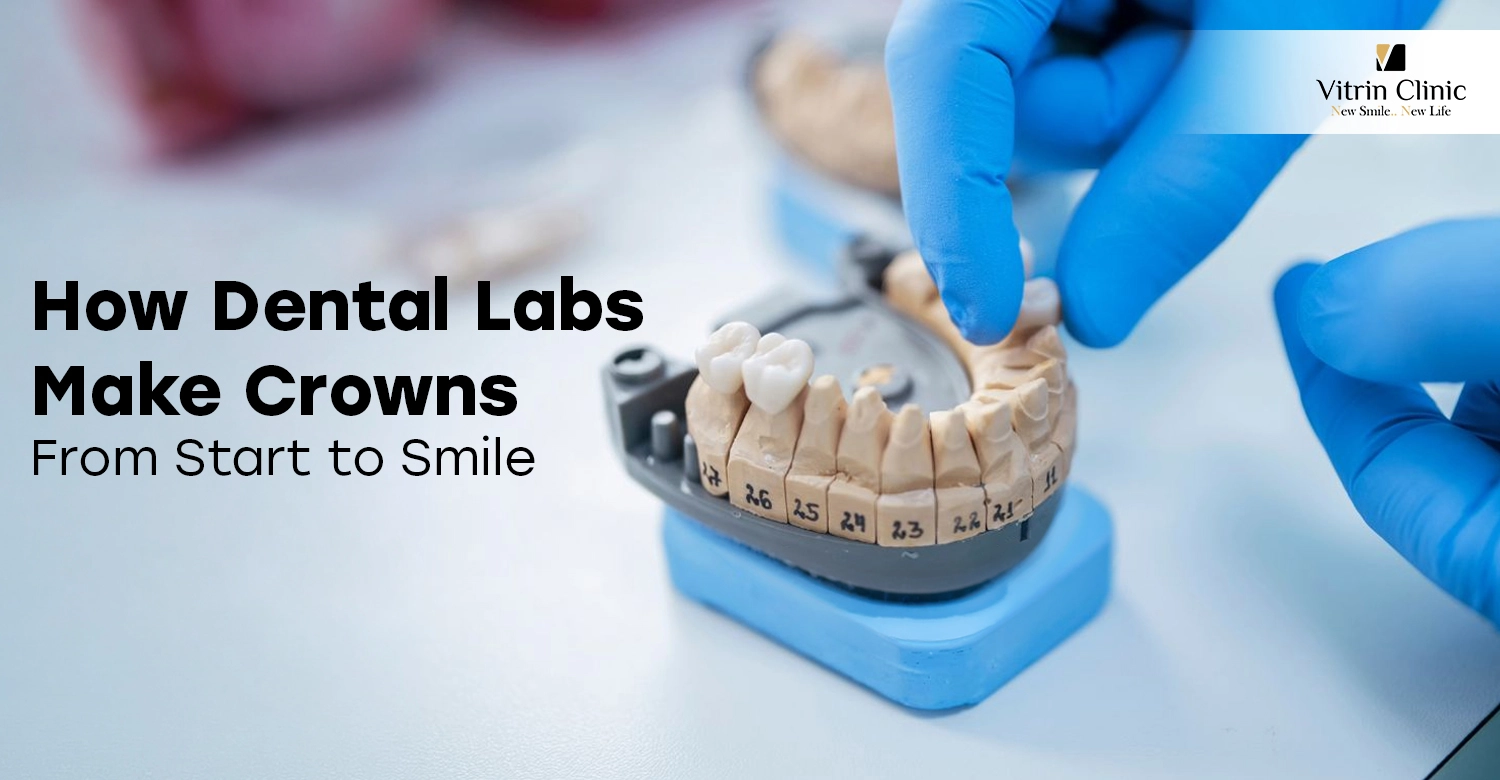
Understanding how dental labs make crowns reveals the intricate process behind creating perfect dental restorations. Learning about crown fabrication helps you appreciate the craftsmanship, technology, and expertise required for beautiful, functional results. This comprehensive guide explores how dental labs make crowns, from initial impressions to final polishing, ensuring you understand every step of crown fabrication and the artistry involved.
Knowing the crown creation process empowers you to make informed decisions about your dental care. The process of how dental labs make crowns combines artistry with science, utilizing advanced materials and techniques. Whether you’re curious about how does a dental lab make a crown or wondering how do labs make dental crowns aesthetically pleasing, this article provides detailed insights into the fascinating world of dental crown fabrication.
The Role of Dental Labs in Creating Crowns
Dental labs are essential in modern dentistry because they specialize in creating custom restorations that dentists cannot fabricate chairside. Understanding crown fabrication highlights their critical role in successful dental treatments. Labs employ skilled technicians who dedicate years mastering the art and science of crown creation, ensuring each restoration meets exacting standards for fit, function, and aesthetics.
Lab craftsmanship affects fit, comfort, and aesthetics dramatically. When learning about crown creation, you’ll discover that precision and attention to detail determine restoration success. Expert technicians ensure crowns fit perfectly, function comfortably, and blend seamlessly with natural teeth. The quality of laboratory work directly impacts your satisfaction and the longevity of your restoration.
How Do Dental Labs Make Crowns?
How do dental labs make crowns involves several key procedures: receiving impressions from dentists, creating precise models of your teeth, and fabricating the crown using chosen materials. The fabrication process begins when your dentist sends detailed impressions or digital scans to the lab, providing exact specifications for your custom restoration tailored to your unique dental anatomy.
Understanding crown fabrication reveals a multi-step process requiring specialized equipment and expertise. Technicians analyze bite relationships, select appropriate materials, and design crowns matching natural tooth anatomy. The detailed process ensures each restoration provides optimal function while maintaining beautiful aesthetics that complement your smile perfectly through careful planning and execution. Your dentist will always guide you, but knowing about a dental impression for crown prepares you for what to expect during your upcoming dental visit.
Making Crowns Look Natural
Techniques labs use for realistic color, texture, and shape demonstrate how do labs make dental crowns aesthetically pleasing. Skilled technicians layer materials mimicking natural tooth translucency and color variations. Understanding crown aesthetics involves appreciating subtle shading techniques that create depth and life-like appearance in the final restoration through artistic application of materials.
Labs achieve natural-looking crowns by carefully matching surrounding teeth’s characteristics. When considering aesthetic crown creation, technicians study shade guides, photographs, and detailed notes from dentists. This artistic approach ensures restorations blend seamlessly, making them virtually indistinguishable from your natural teeth in both appearance and function through meticulous attention to detail.
Materials Used in Crown Fabrication
Materials significantly influence how dental labs make crowns and determine restoration characteristics. Different materials require unique fabrication techniques, affecting crown creation for various clinical situations. Understanding material options helps you appreciate the complexity of crown fabrication and why certain materials suit specific needs better than others based on location and function.
Porcelain Crowns
Porcelain crowns offer excellent aesthetics due to their translucency mimicking natural tooth enamel. When considering porcelain crown fabrication, technicians carefully layer ceramic materials achieving beautiful color gradations. Porcelain’s aesthetic advantages make it popular for front teeth, though it’s more fragile than other materials. Understanding porcelain work reveals artistic skill required for beautiful results.
Pros of porcelain include natural appearance and excellent biocompatibility. Cons involve brittleness and potential chipping under excessive force. The process of creating porcelain crowns requires expert layering techniques creating depth and translucency. These aesthetic considerations influence crown fabrication that looks remarkably natural and blends perfectly with surrounding teeth through careful material selection. Choosing the right material is incredibly important; exploring dental crown shades ensures you get the best functional and aesthetic results possible.
Zirconia Crowns
Zirconia crowns provide exceptional strength and durability, making them ideal for posterior teeth. Learning about zirconia fabrication reveals advanced milling technology creating precise restorations from solid zirconia blocks. The strength of zirconia influences how do labs make dental crowns for patients requiring maximum durability without compromising aesthetics significantly in visible areas.
Lab-specific considerations for zirconia include computer-aided design and manufacturing processes. Zirconia’s hardness requires specialized equipment for fabrication. Understanding zirconia crown creation highlights technological advancements enabling strong, aesthetic restorations. Modern zirconia formulations allow technicians to create highly aesthetic crowns rivaling porcelain’s natural appearance through advanced material science.
Metal and Hybrid Crowns
Metal and hybrid crowns are preferred when maximum strength is required, particularly for posterior teeth experiencing heavy chewing forces. The process of creating metal crowns differs significantly from ceramic fabrication, involving casting or milling metal alloys. Understanding metal crown work reveals traditional techniques still valuable in modern dentistry for specific clinical situations.
Lab requirements for metal crown fabrication include specialized casting equipment and finishing tools. Porcelain-fused-to-metal (PFM) crowns combine metal strength with porcelain aesthetics, requiring expertise in both materials. Learning about hybrid crown creation demonstrates technicians’ versatility adapting fabrication techniques to different material combinations for optimal results balancing strength and beauty.
The Lab Process for Crown Creation
The lab process for crown creation demonstrates exactly how dental labs make crowns through systematic, precise steps. Each stage of crown fabrication requires specialized skills and equipment ensuring perfect results. Understanding the complete process reveals why quality restorations require time, expertise, and attention to detail throughout fabrication from start to finish.
Impression and Model Creation
Accuracy in taking molds and scanning for digital workflows forms the foundation of crown fabrication. Dentists send precise impressions or digital scans to labs, providing exact tooth dimensions. The process of creating crowns begins with creating accurate models from these impressions, ensuring perfect crown fit and proper bite relationships for comfortable function.
Digital workflows revolutionized crown fabrication by enabling precise virtual planning before physical creation. Understanding digital crown creation reveals efficiency and accuracy improvements over traditional methods. Whether using traditional impressions or digital scans, accuracy at this stage critically affects final crown fit and function throughout the restoration’s lifespan.
Crown Design
CAD/CAM versus traditional sculpting approaches represent two primary methods of how dental labs make crowns. Computer-aided design allows precise virtual crown creation before milling or 3D printing. Traditional sculpting involves hand-crafting wax patterns for casting. Both approaches demonstrate different aspects of crown fabrication, each offering unique advantages for specific situations.
Modern labs often combine digital and traditional techniques when creating crowns. CAD/CAM technology provides efficiency and precision, while hand-finishing adds personalized touches. Understanding these various approaches helps you appreciate the expertise required for creating perfect restorations that meet both functional and aesthetic requirements through skilled craftsmanship.
Layering and Shading
Achieving perfect aesthetics and functional occlusion demonstrates advanced techniques of how dental labs make crowns. Skilled technicians carefully layer materials creating natural color variations and translucency. This artistic process of how do labs make dental crowns aesthetically pleasing requires years of experience understanding how light interacts with dental materials for life-like results.
Functional occlusion ensures crowns fit properly within your bite pattern. When examining crown fabrication, technicians must balance aesthetics with function. The shading process involves matching surrounding teeth perfectly while ensuring proper contact points and bite relationships. This dual focus on beauty and function exemplifies expert crown creation through comprehensive planning. Choosing the right material is incredibly important; exploring crafting ceramic crowns ensures you get the best functional and aesthetic results possible.
Finishing, Polishing, and Quality Check
Ensuring durability, comfort, and natural look represents the final stages of crown fabrication. Technicians meticulously polish crowns achieving smooth surfaces preventing plaque accumulation. Quality checks verify that crown creation meets exacting standards for fit, aesthetics, and function before sending restorations to dentists for final placement in patients’ mouths.
The finishing process includes detailed inspection under magnification, verifying margins fit perfectly and surfaces feel smooth. Understanding crown fabrication to such precise standards reveals the dedication to quality characterizing expert laboratories. These final steps ensure restorations provide years of comfortable, beautiful service through meticulous attention to every detail.
Cost, Timing, and Lab Considerations
Cost, timing, and lab considerations significantly impact crown fabrication and influence your treatment planning. Understanding factors affecting price and turnaround time helps you appreciate the value in quality crown creation. Learning how much do dental labs charge to make a crown reveals various cost factors influencing final restoration pricing and overall treatment investment.
How Much Do Dental Labs Charge to Make a Crown?
How much do dental labs charge to make a crown depends on multiple factors including materials, complexity, and lab reputation. Laboratory fees typically range from $100 to $400 per crown, with premium materials and complex cases costing more. Understanding pricing helps you appreciate total treatment costs and value of quality craftsmanship in creating beautiful restorations.
Factors affecting pricing in crown fabrication include material selection zirconia and all-ceramic crowns generally cost more than metal crowns. Complexity influences how much do dental labs charge to make a crown, with aesthetic front teeth requiring more artistic skill commanding higher fees. Lab reputation and expertise also affect pricing, as established laboratories justify premium charges. Choosing the right material is incredibly important; exploring porcelain fused to metal crowns ensures you get the best functional and aesthetic results possible.
Average Turnaround Time for a Lab-Made Crown
From impression to delivery to the dentist, understanding turnaround time reveals how efficiently dental labs make crowns. Standard laboratory fabrication typically requires 7-14 days, though some labs offer rush services. The timeline for crown creation depends on material selection, case complexity, and lab workload affecting delivery schedules and treatment planning.
Digital workflows can accelerate crown fabrication by streamlining design and production processes. Some advanced labs complete crowns in 3-5 days using CAD/CAM technology. Understanding typical timeframes for crown creation helps you plan treatment schedules and set realistic expectations for receiving your final restoration and completing dental treatment.
Ensuring Quality in Your Crown
What patients should look for in a trusted lab includes certifications, modern equipment, and experienced technicians. Quality in crown fabrication shows through precise fit, natural aesthetics, and durable construction. When evaluating laboratories, ask your dentist about their laboratory partnerships and quality assurance processes ensuring excellent results for your restoration.
Reputable labs demonstrate expertise in how dental labs make crowns through consistent, high-quality results. Look for laboratories using advanced materials and technology while maintaining artistic excellence. Understanding what defines quality in crown creation helps you work with your dentist selecting the best laboratory for your specific restoration needs and expectations.
Tips for Patients to Get the Best Crown
Tips for patients to get the best crown involve active participation in the fabrication process. Your input regarding aesthetics and function helps technicians create restorations meeting your expectations. Understanding crown creation empowers you to communicate effectively with your dentist, ensuring optimal results from laboratory fabrication through clear communication and collaboration.
Choosing the Right Lab and Dentist
Collaboration ensures accuracy and aesthetics when considering crown fabrication. Your dentist’s laboratory relationship significantly impacts results, as effective communication between dentist and technician optimizes crown creation. Choose dentists partnering with reputable laboratories known for excellence in crown fabrication and customer service for superior outcomes.
The partnership in how dental labs make crowns involves dentists providing detailed specifications and laboratories executing precise fabrication. Quality results require both excellent dentistry and expert laboratory work. This collaboration ensures restorations fit perfectly, function comfortably, and look beautiful throughout their service life through coordinated efforts.
Communicating Preferences and Expectations
Shade, shape, bite, and functional adjustments require clear communication about crown fabrication meeting your specific desires. Discuss aesthetic preferences with your dentist before impressions, as these details guide crown creation matching your vision. Providing photographs and detailed descriptions helps technicians understand exactly what you want from your restoration.
Your input influences crown fabrication by guiding color selection, contour design, and final appearance. Don’t hesitate expressing concerns or preferences about how do dental labs make crowns for your smile. Open communication ensures laboratory technicians have all information needed creating restorations that exceed your expectations for beauty and function through personalized care.
Vitrin Clinic: Expert Lab Collaboration for Perfect Crowns
Vitrin Clinic excels in understanding how dental labs make crowns through partnerships with premier laboratories. Our commitment to quality ensures crown fabrication for our patients meets highest standards. We carefully select laboratory partners based on their expertise, technology, and track record creating beautiful, durable restorations that satisfy our patients through superior craftsmanship.
Advanced Lab Partnerships
How Vitrin Clinic works with top labs for natural, durable crowns demonstrates our commitment to excellence. We collaborate with laboratories specializing in crown fabrication using latest materials and techniques. Our lab partners understand how do labs make dental crowns aesthetically pleasing while ensuring exceptional durability and precise fit for long-lasting results that exceed expectations.
Vitrin Clinic’s laboratory relationships ensure crown fabrication for our patients receives meticulous attention and expert craftsmanship. We communicate detailed specifications about creating crowns meeting individual patient needs. This collaboration produces restorations that consistently exceed expectations for aesthetics, comfort, and longevity through superior laboratory fabrication and careful quality control.
Real Patient Success Stories
Examples of high-quality lab-made crowns improving smiles demonstrate successful outcomes from understanding crown fabrication. One Vitrin Clinic patient received multiple front crowns fabricated by our premier laboratory partner. The exceptional results showcasing how do labs make dental crowns aesthetically pleasing transformed the patient’s confidence and smile beauty dramatically through expert craftsmanship.
Another patient needed posterior crowns requiring maximum strength and durability. Our laboratory’s expertise in creating zirconia crowns provided perfect solutions. These success stories illustrate crown fabrication meeting diverse needs through expert work, advanced materials, and meticulous attention to detail throughout the creation process for optimal outcomes.
Conclusion: Understanding How Labs Create Your Smile
Understanding how labs create your smile through the detailed process of how dental labs make crowns reveals remarkable artistry and science behind restorations. From initial impressions through final polishing, crown fabrication involves multiple specialized steps ensuring perfect results. Appreciating this complexity helps you value quality craftsmanship producing beautiful, functional crowns for lasting smiles.
The journey of crown creation encompasses material selection, precise fabrication, and artistic finishing creating restorations indistinguishable from natural teeth. Understanding how do labs make dental crowns and how much do dental labs charge to make a crown helps you make informed decisions about your dental care and appreciate value in quality laboratory work.
Choosing the right material is incredibly important; exploring gold restorations ensures you get the best functional and aesthetic results possible.
Your smile deserves expert care throughout every step of how dental labs make crowns. Trust Vitrin Clinic’s laboratory partnerships ensuring superior results. With proper understanding of crown fabrication, you can confidently pursue restorative treatments knowing skilled technicians are crafting beautiful, durable crowns that will serve you well for many years.

FAQs:
How do dental labs make crowns from start to finish?
How do dental labs make crowns from start to finish involves receiving impressions, creating accurate models, designing the crown using CAD/CAM or traditional methods, fabricating from selected materials, layering and shading for aesthetics, finishing and polishing surfaces, and conducting quality checks. This comprehensive crown fabrication process ensures perfect fit, function, and natural appearance through systematic procedures.
How do labs make dental crowns look natural and aesthetic?
How do labs make dental crowns aesthetically pleasing through careful shade matching, layering techniques creating translucency, precise contouring mimicking natural tooth anatomy, and detailed surface texturing. Skilled technicians study surrounding teeth and use artistic techniques ensuring crowns blend seamlessly with your natural smile, creating beautiful, life-like restorations indistinguishable from real teeth through expert craftsmanship.
How much do dental labs charge to make a crown?
How much do dental labs charge to make a crown typically ranges from $100 to $400, depending on materials, complexity, and lab reputation. Premium materials like zirconia and all-ceramic crowns cost more. Aesthetic front teeth requiring detailed artistry affect pricing significantly. Understanding these factors helps you appreciate total treatment costs and laboratory craftsmanship value in creating quality restorations.
What materials do labs use to make dental crowns?
Materials used in crown fabrication include porcelain for excellent aesthetics, zirconia for strength and durability, metal alloys for maximum strength, and porcelain-fused-to-metal combining both advantages. Each material influences how do dental labs make crowns differently, requiring specific fabrication techniques. Your dentist recommends materials based on location, function, and aesthetic requirements for optimal restoration results.
How does Vitrin Clinic ensure high-quality lab-made crowns?
Vitrin Clinic ensures high-quality lab-made crowns by partnering with premier laboratories specializing in how dental labs make crowns using advanced materials and techniques. We provide detailed specifications about crown fabrication meeting individual patient needs. Our laboratory collaborations, quality control processes, and commitment to excellence ensure restorations exceed expectations for aesthetics, fit, comfort, and durability throughout their lifespan.

O Dr. Faisal Kayali possui mais de 7 anos de experiência clínica e faz parte atualmente da equipe médica da Vitrin Clinic.