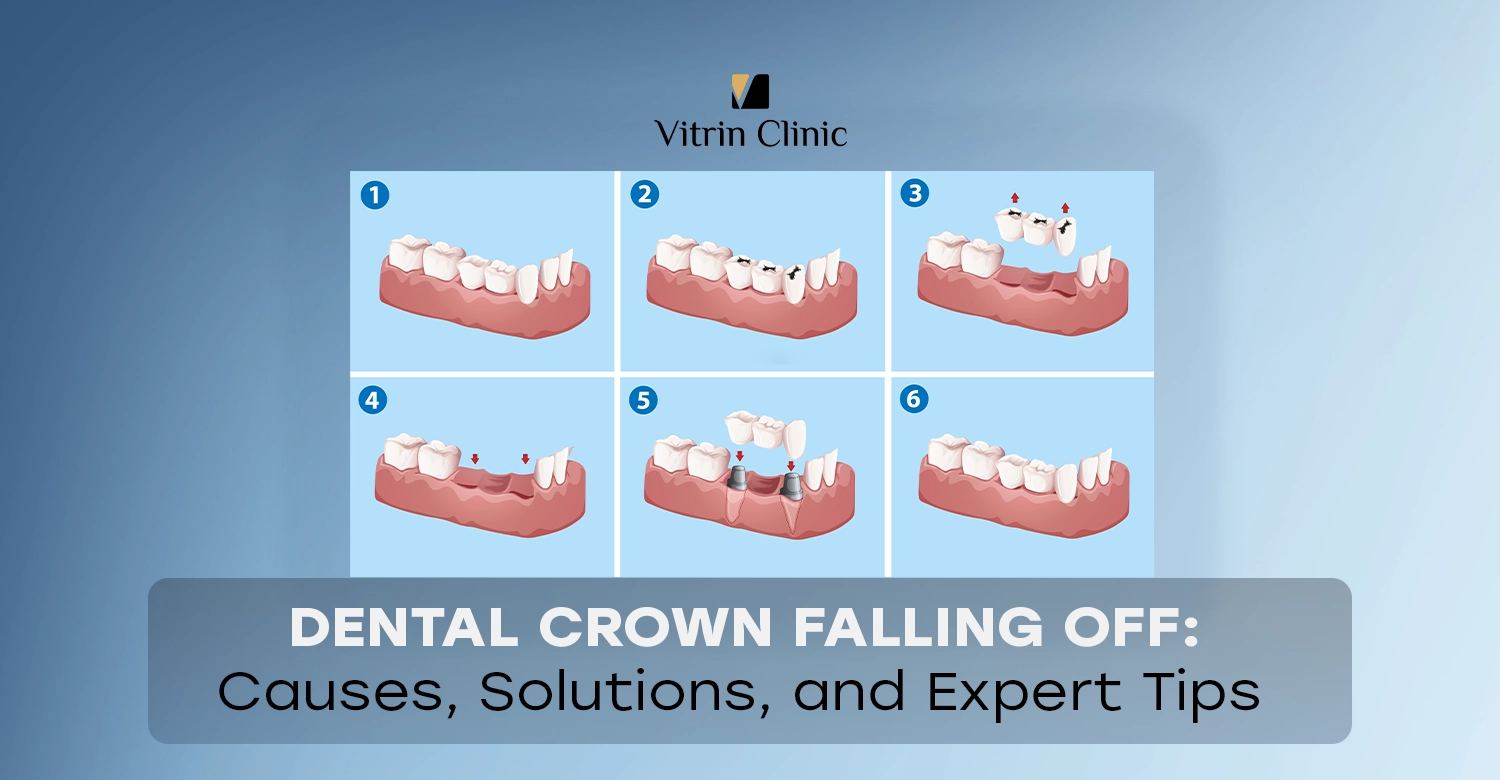
A dental crown can fall off due to weakened cement, decay under the crown, or trauma to the tooth. Common causes include biting hard foods, poor oral hygiene, or old, worn-out crowns. Solutions involve re-cementing the crown, repairing the underlying tooth, or placing a new crown. Expert tips include seeing your dentist promptly, avoiding sticky or hard foods, and maintaining regular dental check-ups to prevent recurrence.
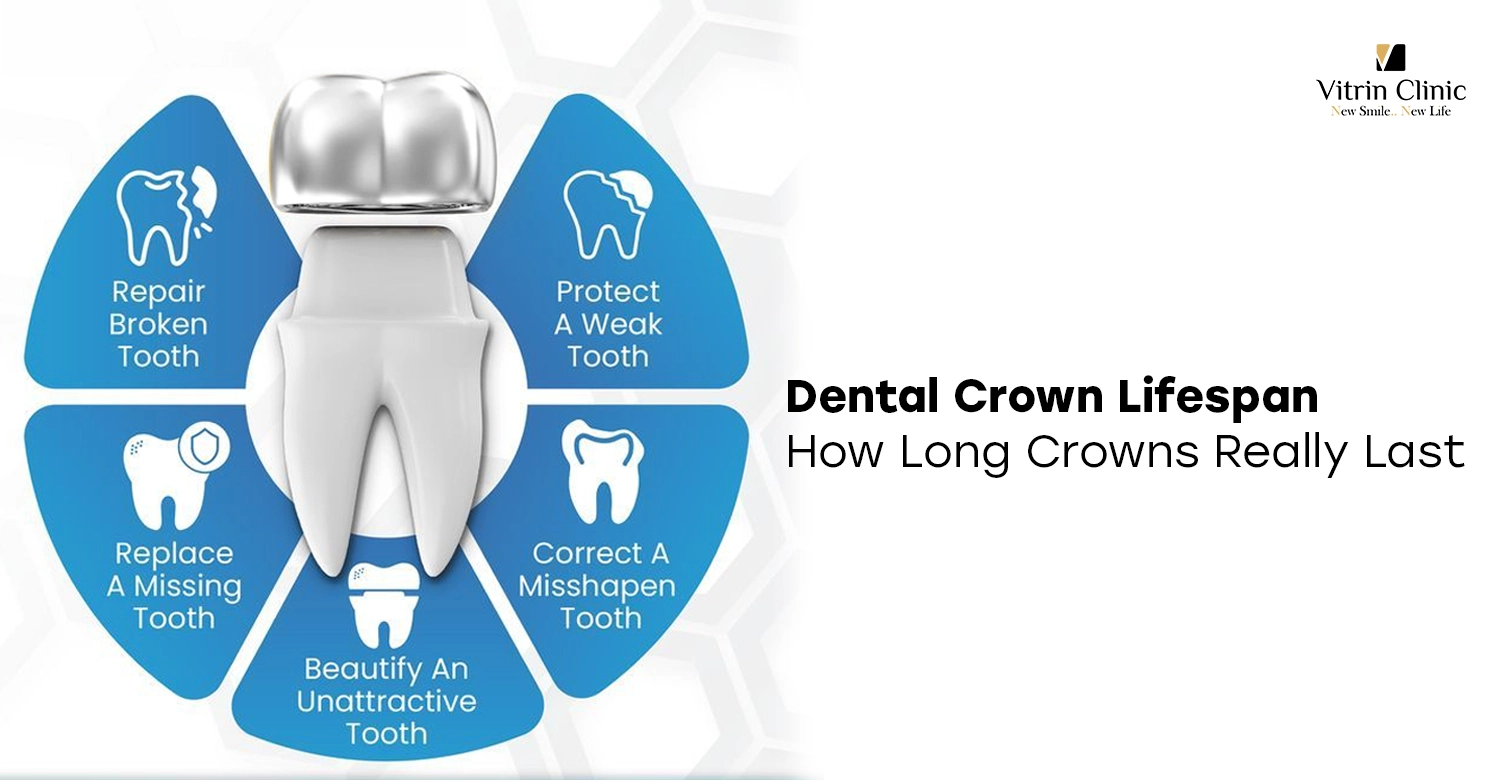
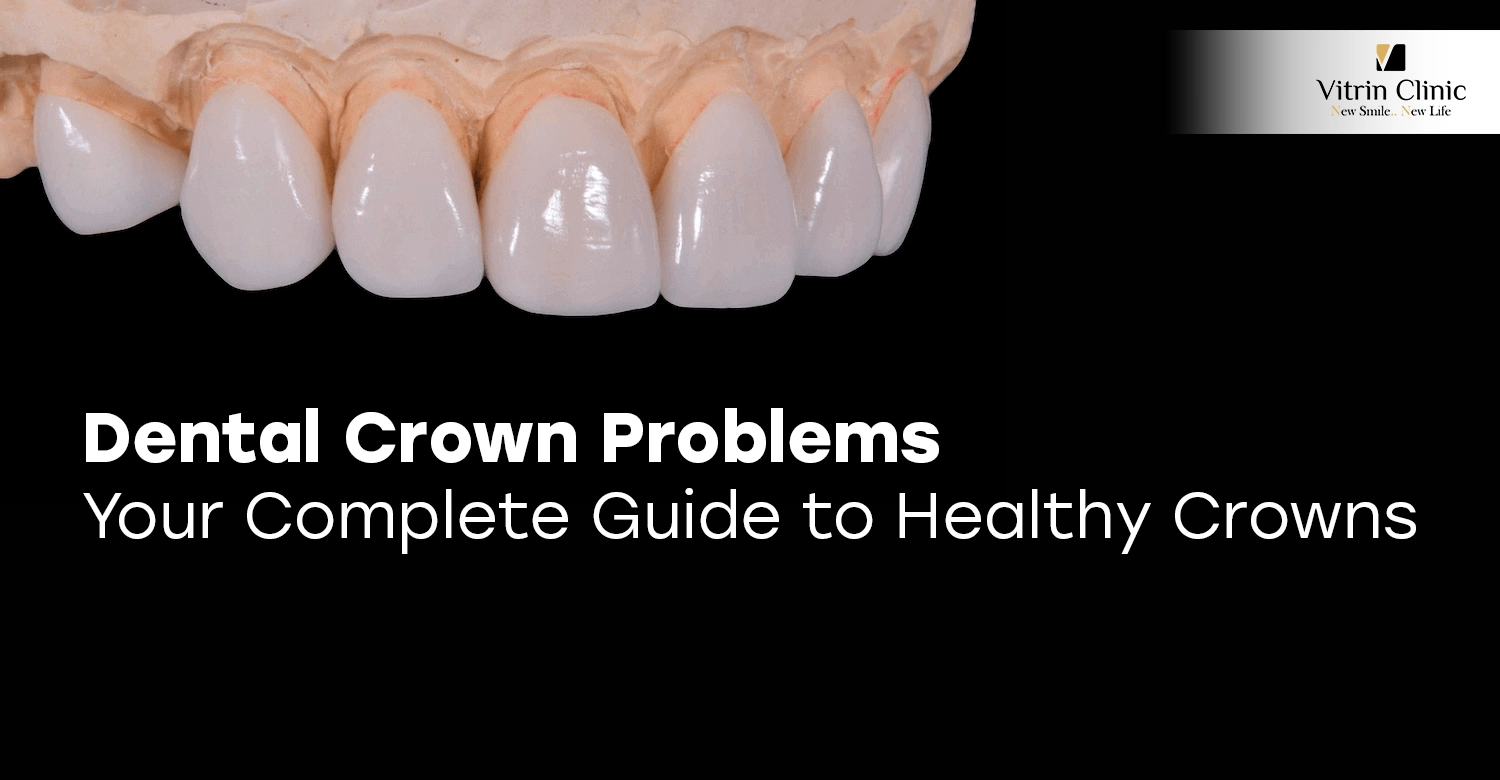
Dental crowns are protective caps that restore damaged teeth, providing strength and improving appearance. When a dental crown falling off occurs, it requires prompt attention to prevent further damage and discomfort. This comprehensive guide covers why crowns fall off, immediate steps to take, repair solutions, and preventive measures to keep your restoration secure and functional for years.
A dental crown falling off happens due to various factors including cement failure, tooth decay, trauma, or improper fit. Understanding these causes helps prevent future incidents and guides appropriate treatment decisions. Whether affecting natural teeth or implants, recognizing why dental crowns fall off enables patients to take preventive action and seek timely professional care when issues arise.
Tooth decay beneath the crown weakens the bond between tooth and restoration, causing eventual failure. Dental cement deteriorates over time, especially with 10-15 years of use, reducing adhesive strength. Trauma from accidents or biting hard objects can dislodge crowns. Bruxism wears down cement and creates excessive pressure, making a dental crown falling off more likely.
Yes, dental crowns can loosen naturally over time as cement degrades from years of chewing forces and temperature changes. Temporary crowns are designed to fall off easily for final crown placement, while permanent crowns should remain secure for decades. Natural loosening typically indicates cement failure or underlying dental problems requiring professional evaluation and treatment.
When a dental crown keeps falling off repeatedly, poorly fitted crowns are often the culprit, creating gaps where bacteria and saliva weaken cement bonds. Underlying issues like inadequate tooth structure, root canal complications, or bite misalignment contribute to recurring failures. Comprehensive dental evaluation identifies root causes, ensuring proper solutions rather than temporary fixes that perpetuate the problem.
Knowing what to do if a dental crown falls off minimizes complications and protects your tooth until professional treatment. Quick action prevents tooth sensitivity, further damage, and discomfort. Following proper steps ensures the crown remains salvageable for re-cementation. Understanding whether a dental crown falling off constitutes an emergency helps you respond appropriately and seek timely care.
Retrieve and store the crown safely in a clean container or plastic bag to prevent loss or damage. Gently clean both the exposed tooth and inside the crown with water, avoiding harsh scrubbing. Rinse your mouth with warm salt water. Avoid chewing on the affected side and eliminate hard, sticky, or crunchy foods that could damage the exposed tooth structure. If you are experiencing unexpected issues, reading about temporary cement will provide you with the necessary steps to find immediate relief.
Yes, a crown falling off a dental emergency exists when severe pain, bleeding, swelling, or signs of infection occur, requiring immediate professional attention. Front tooth crown loss affecting appearance warrants urgent care for aesthetic concerns. Otherwise, schedule an appointment within 24-48 hours. Exposed teeth are vulnerable to sensitivity, decay, and fracture, necessitating prompt treatment.
Absolutely. A dental crown falling off leaves the prepared tooth exposed, vulnerable to temperature sensitivity, bacterial invasion, and structural damage. Without protection, teeth can fracture under chewing pressure or develop decay rapidly. The longer teeth remain exposed, the greater the risk of complications requiring more extensive treatment. Temporary dental cement or over-the-counter solutions provide limited protection.
If you are experiencing unexpected issues, reading about dental crown problems will provide you with the necessary steps to find immediate relief.
Professional solutions for a dental crown falling off include re-cementation or complete replacement depending on crown and tooth condition. Dentists at Vitrin Clinic assess damage, underlying causes, and restoration integrity before recommending treatment. Whether dealing with natural teeth or crown falling off dental implant situations, appropriate repair methods restore function, protect teeth, and prevent recurrence through proper techniques.
Dentists clean the tooth and crown thoroughly, removing old cement and debris before applying fresh dental adhesive for secure bonding. This procedure works when both crown and tooth structure remain undamaged. Temporary over-the-counter dental cement provides short-term solutions but should never replace professional re-cementation. Proper bonding techniques prevent a dental crown falling off again and restore full functionality.
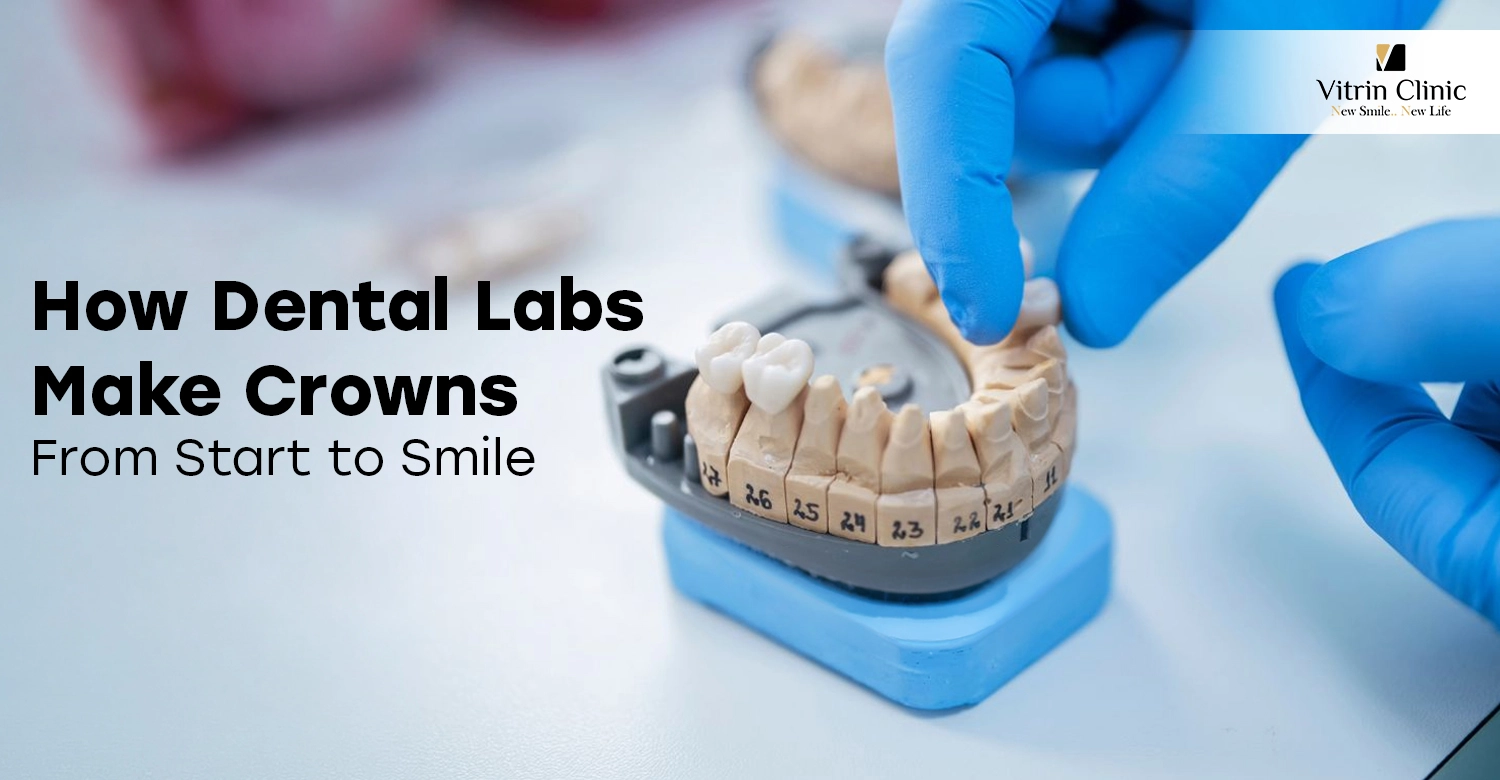
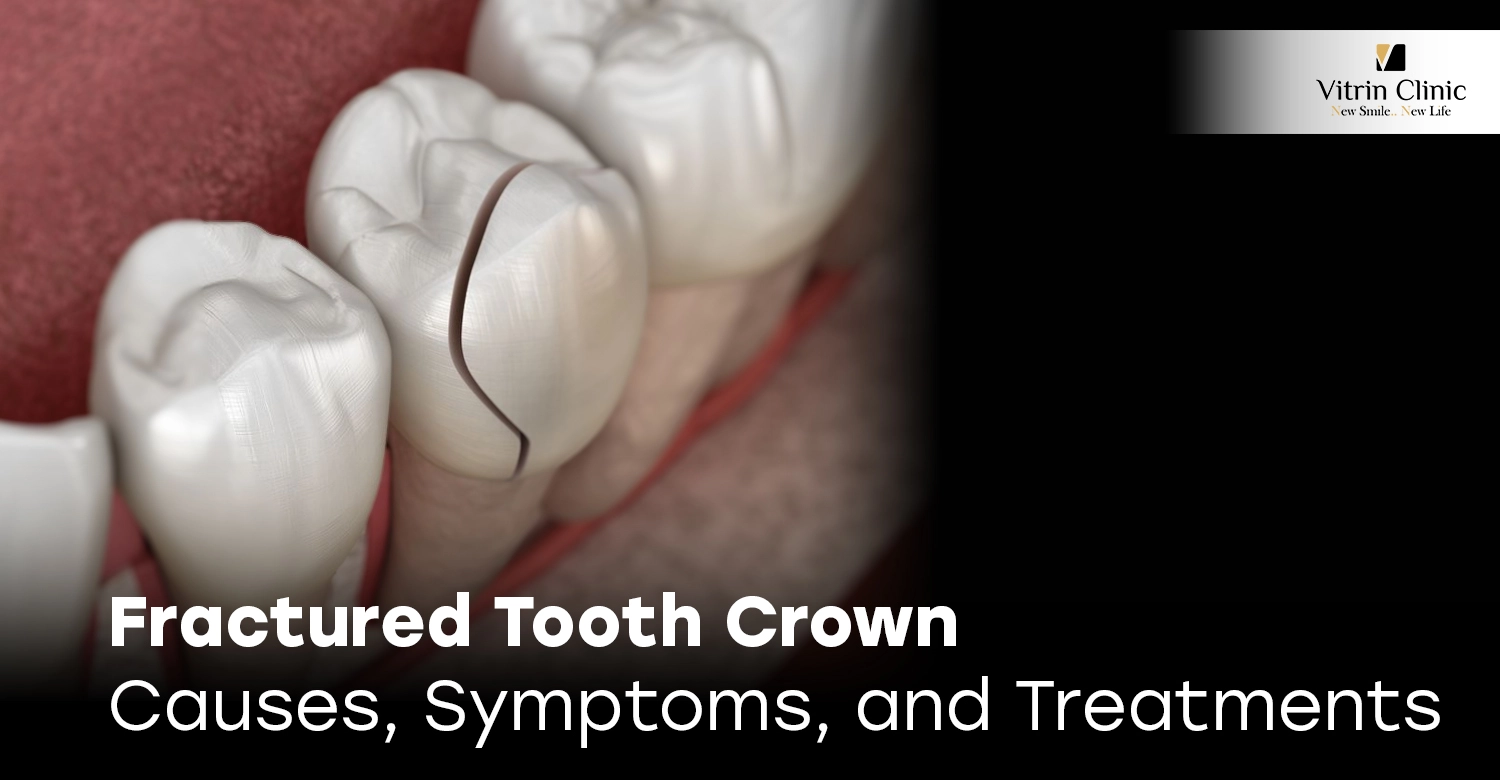
When crowns crack, distort, or no longer fit properly due to tooth structure changes, replacement becomes necessary rather than re-cementation. Dentists take new impressions, fabricate custom crowns using appropriate materials like porcelain, zirconia, or PFM, and ensure proper fit and bite alignment. Replacement prevents recurring dental crown falls from incidents and provides long-term stability.
Crown falling off dental implant situations differ from natural teeth, as implant crowns attach via screws or cement to abutments rather than tooth structure. Screw-retained crowns rarely fall off but screws can loosen; dentists simply retighten them. Cement-retained implant crowns may require similar re-cementation procedures as natural teeth, though implant stability eliminates decay concerns present with biological teeth. If you are experiencing unexpected issues, reading about crown failure will provide you with the necessary steps to find immediate relief.
Preventing a dental crown falling off requires consistent oral hygiene, protective measures, and regular professional monitoring. Simple daily habits significantly extend crown longevity and reduce failure risks. Understanding can a dental crown fall off scenarios helps patients implement targeted prevention strategies. Vitrin Clinic emphasizes patient education on maintenance practices that keep restorations secure and functional.
Brush twice daily with fluoride toothpaste and soft-bristled brushes, paying special attention to crown margins where teeth meet restorations. Floss daily using proper techniques that clean around crowns without catching or pulling them. For bruxism sufferers, wear custom nightguards to protect crowns from grinding forces. Avoid using teeth as tools or chewing ice, hard candies, and sticky substances.
Schedule dental examinations every six months for professional cleaning and crown inspection, allowing early detection of loosening before complete failure occurs. Dentists identify cement deterioration, underlying decay, or bite issues causing stress on crowns. X-rays reveal hidden problems beneath restorations. Proactive monitoring prevents emergency situations where a dental crown falling off creates urgent complications requiring immediate attention.
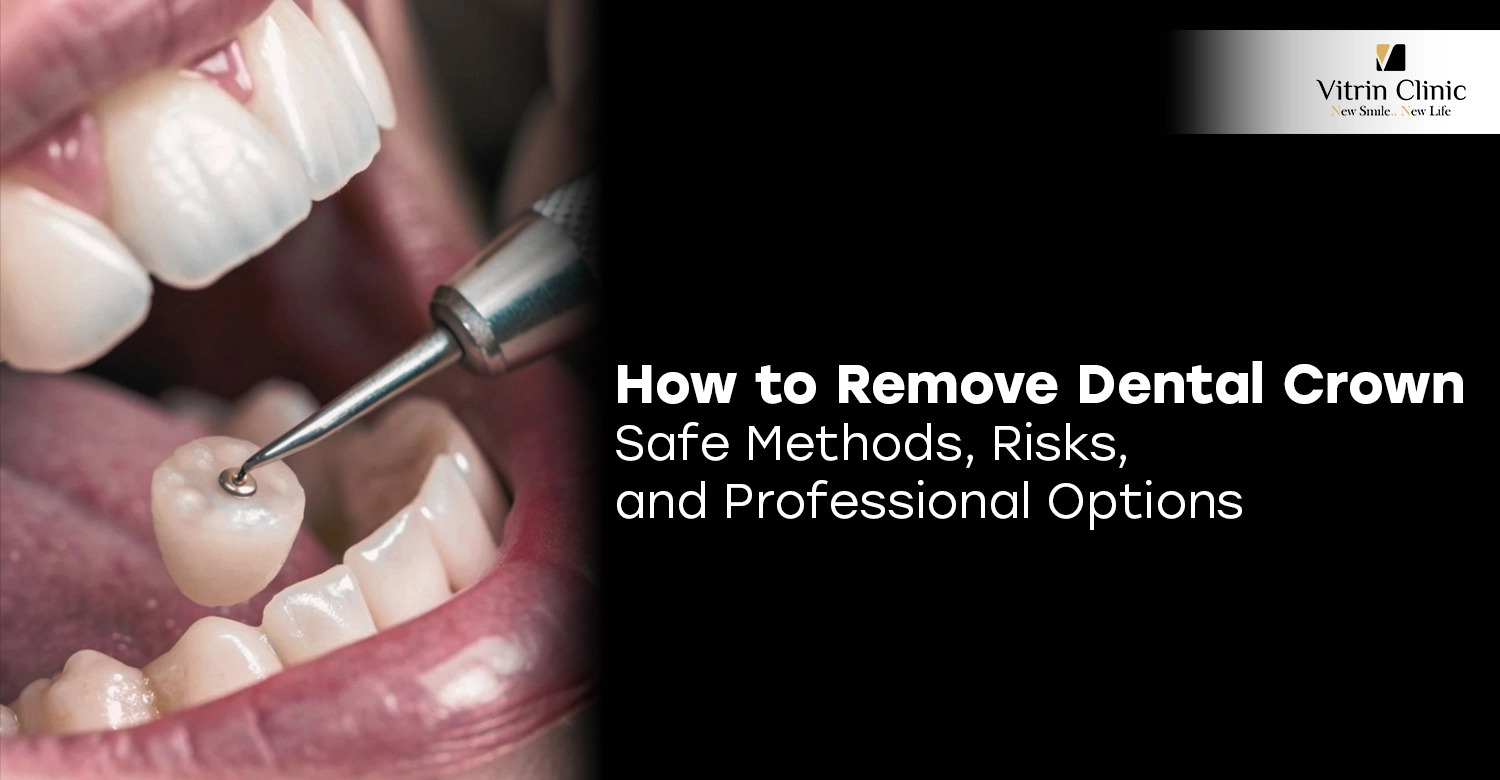
Patients at Vitrin Clinic receive comprehensive care when facing a dental crown falling off, with prompt scheduling and expert treatment. Our advanced diagnostic technology identifies underlying causes ensuring permanent solutions rather than temporary fixes. Success stories demonstrate our commitment to quality restorations that withstand daily use. We prioritize patient comfort and education throughout treatment for optimal outcomes. Your dentist will always guide you, but knowing about how to remove it safely prepares you for what to expect during your upcoming dental visit.
Vitrin Clinic offers same-day appointments for dental crown falling off emergencies, minimizing tooth exposure time and patient discomfort. Our specialists utilize digital impression technology and high-quality materials for precise crown fabrication and bonding. We address underlying issues like decay or bite problems preventing recurrence. Patient testimonials highlight our successful outcomes, compassionate care, and comprehensive follow-up ensuring long-lasting restorations.
A dental crown falling off requires immediate attention to protect exposed teeth from damage and sensitivity. Common causes include cement failure, decay, trauma, and poor fit. Know what to do if a dental crown falls off: save the crown, clean gently, avoid hard foods, and contact your dentist promptly. Professional re-cementation or replacement at facilities like Vitrin Clinic ensures proper treatment.
Ensure proper crown fit during initial placement through precise impressions and bite adjustments preventing stress points. Maintain excellent oral hygiene with twice-daily brushing, daily flossing, and regular professional cleanings protecting crown margins. Avoid hard foods like ice, nuts, and sticky candies that create excessive force. Wear nightguards if grinding teeth during sleep to prevent a dental crown falling off from bruxism. Schedule six-month dental checkups for early problem detection and preventive care.

Knowing what to do if a dental crown falls off is crucial: immediately retrieve and clean the crown gently with water, rinse your mouth, and store the crown safely in a container. Avoid eating on that side and contact your dentist within 24-48 hours for re-cementation. Never use super glue or permanent adhesives, as these damage crowns and teeth.
Determining a crown falling off a dental emergency depends on symptoms and location. Severe pain, bleeding, swelling, infection signs, or front tooth involvement warrant immediate care. Otherwise, schedule appointments within 1-2 days since exposed teeth remain vulnerable to damage and decay. Always contact your dentist promptly when a dental crown falling off occurs for professional guidance. If you are experiencing unexpected issues, reading about what to do if the structure is cracked will provide you with the necessary steps to find immediate relief.
Understanding why dental crowns fall off helps prevent recurrence: cement deterioration after years of use, tooth decay beneath crowns weakening bonds, trauma from accidents or hard foods, bruxism creating excessive pressure, and poorly fitted crowns leaving gaps. Regular dental checkups identify early signs of loosening. Addressing underlying causes like grinding or bite issues prevents dental crown falls off repeatedly.
Yes, when a dental crown falling off occurs, the prepared tooth underneath becomes vulnerable to sensitivity, bacterial invasion, decay, and fractures from chewing forces. Tooth structure lacks a protective enamel layer after crown preparation. The longer teeth remain exposed without treatment, the greater risk of complications requiring root canals or extractions. Seek prompt professional care to minimize damage.
Yes, crown falling off dental implant situations occur though less frequently than natural teeth. Cement-retained implant crowns can loosen when adhesive weakens, similar to natural tooth crowns. Screw-retained crowns rarely fall off completely but screws may loosen, causing movement. Unlike natural teeth, implants don’t develop decay, eliminating one common cause. Proper implant maintenance prevents crown complications.

O Dr. Faisal Kayali possui mais de 7 anos de experiência clínica e faz parte atualmente da equipe médica da Vitrin Clinic.
Dental Crowns
February 5, 2026