Oral Surgery
October 8, 2025
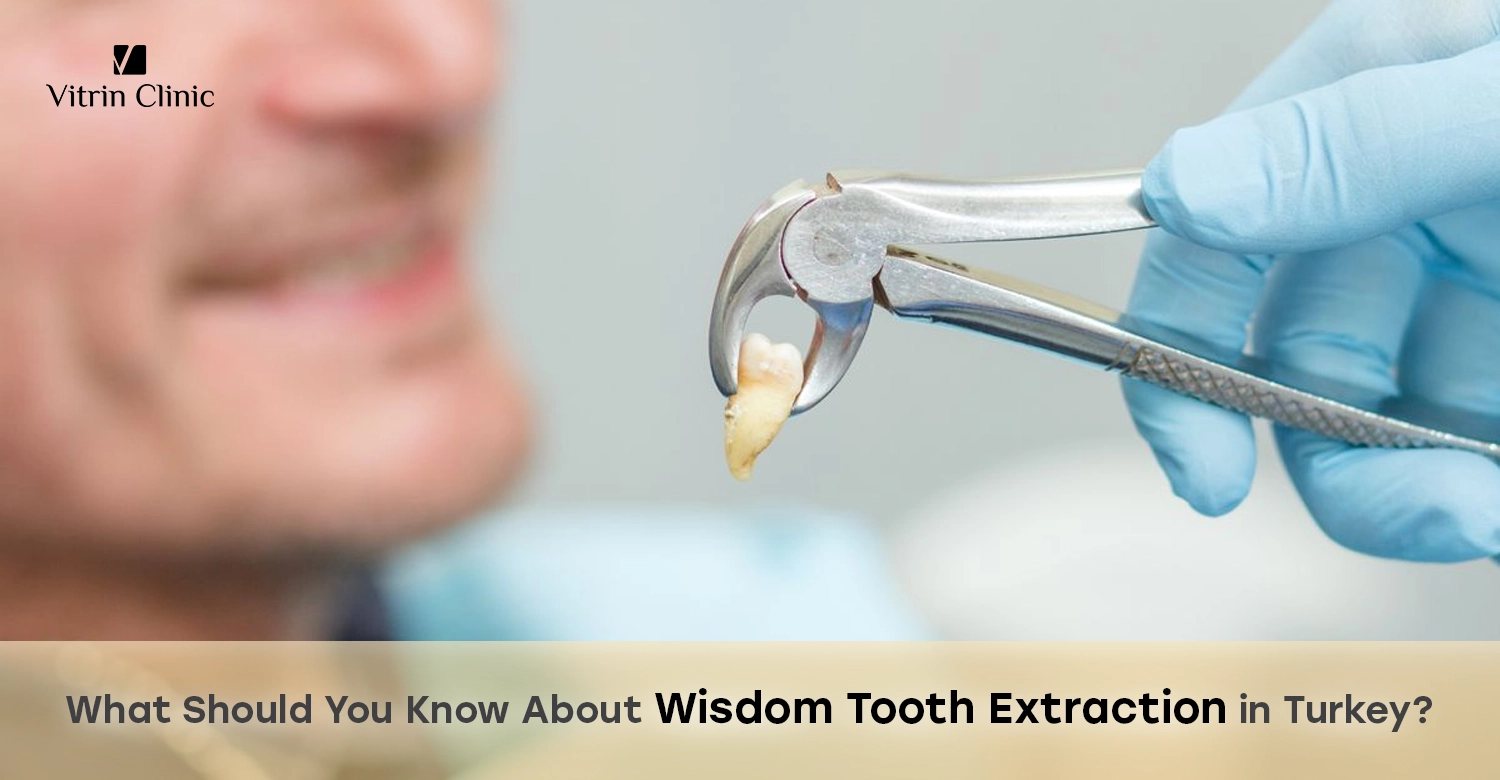
Many people face a time when their “third molars” become more of a nuisance than a helpful set of teeth. This is where wisdom tooth extraction enters the conversation—a very common oral surgery designed to protect your long-term dental health. Understanding what these teeth are and the problems they cause is the first step toward making an informed decision about your oral health journey.
Wisdom teeth are the final set of molars that develop, typically making their appearance much later than the rest of your adult teeth. Most often, they emerge between the ages of 17 and 25, which is why they earned the name “wisdom teeth,” as this is traditionally considered the “age of wisdom.” For some, they erupt fully and cause no trouble, but for many, the journey of the wisdom tooth is far more complicated, often requiring wisdom tooth extraction.
The primary reason for needing wisdom tooth removal is a lack of space. Our modern jaws are often too small to accommodate these four extra teeth, leading to impaction or improper eruption. When a tooth is impacted, it means it’s stuck beneath the gum line or bone, trying to push through at an awkward angle. This misplacement can cause significant issues, ranging from pain to misalignment of surrounding teeth, making wisdom tooth extraction a necessary preventative measure.
Impacted wisdom teeth can lead to a host of problems. They can cause persistent, throbbing wisdom tooth extraction pain even before the procedure is considered. Furthermore, they create pockets where bacteria can thrive, leading to gum disease, cysts, or tumors. The pressure from an impacted tooth can also damage the roots of adjacent teeth. If you are experiencing a severely decayed wisdom tooth extraction becomes even more urgent to prevent widespread infection and preserve the health of the rest of your mouth. Addressing these issues with a timely wisdom tooth extraction is crucial.
Wisdom tooth extraction in Turkey is extremely common and has become a standard procedure offered at very high professional standards. Due to the high number of qualified oral surgeons, modern clinics, and comparatively favorable pricing, Turkey is a major global hub for dental treatments, including this specific surgery. International patients frequently choose Turkey for a smooth and cost-effective experience.
Plan your procedure with our guide on Wisdom tooth extraction in Turkey 2025 for safe and modern care
Deciding when to schedule a wisdom tooth extraction can be challenging, but clear signs from your body and your dentist’s assessments will guide you. It’s often better to address the issue proactively before severe problems develop. Early removal is recommended if there is pain, infection, cyst formation, or damage to nearby teeth. Even asymptomatic impacted teeth may be extracted if X-rays show potential future complications.
The only definitive way to confirm impaction is through a dental X-ray, usually a panoramic view, which a dentist will take during a consultation. However, symptoms like persistent pain at the back of the jaw, gum inflammation (pericoronitis) around the erupting tooth, and pressure are strong indicators. A clear diagnosis of impaction is a primary reason to proceed with wisdom tooth extraction.
Absolutely. Delaying a necessary wisdom tooth extraction can escalate a minor issue into a major one. It increases the risk of tooth decay in adjacent teeth, the formation of fluid-filled sacs (cysts) that can damage bone structure, and chronic inflammation. This is why many dentists recommend removal even if the teeth are currently asymptomatic, purely as a preventative measure.
The most common infection is pericoronitis, an inflammation of the gum tissue surrounding a partially erupted or impacted tooth. If not treated quickly, it can lead to more serious infections, including abscesses, which can spread to other areas of the head and neck. Dealing with a severe wisdom tooth extraction infection can prolong your overall recovery and complicate the procedure itself.
Crowding is a major concern, particularly for those who have previously undergone orthodontic treatment. The pressure exerted by an emerging wisdom tooth can push neighboring teeth, potentially undoing years of alignment work and leading to crooked teeth. Protecting a perfect smile often necessitates a preemptive wisdom tooth removal.
Explore innovative treatments with our Laser dentist treatments for precise and painless dental care.
The procedure for a wisdom tooth extraction is generally safe and routine, especially when performed by a specialized oral surgeon. Modern dental techniques have greatly improved the patient experience. After administering anesthesia, the surgeon carefully removes the tooth sometimes in sections to minimize trauma. The area is then cleaned and sutured to support proper healing.
Before any wisdom tooth extraction, your surgeon will conduct a thorough evaluation. This includes a full clinical examination of your mouth and detailed imaging, usually a panoramic X-ray or a 3D CT scan, to assess the exact position of the tooth, the proximity of its roots to nerves (especially the inferior alveolar nerve), and the density of the surrounding bone. This planning is crucial for minimizing risks and ensuring a smooth wisdom tooth extraction recovery.
For a straightforward, non-surgical extraction, the dentist simply loosens and removes the tooth. However, for an impacted tooth, the surgeon must first make an incision in the gum tissue, and often remove a small amount of bone covering the tooth. The tooth may then be cut into smaller pieces for easier removal. After the tooth is extracted, the site is cleaned, and stitches (usually dissolvable) are placed. This entire process, including prepping, is part of a complex yet standard wisdom tooth extraction protocol.
With modern anesthesia and sedation options, the actual wisdom tooth extraction procedure is not painful. You might feel a sensation of pressure or movement, but the localized area will be completely numb. Managing wisdom tooth extraction pain after the anesthetic wears off is achieved effectively with prescribed pain medication.
In Turkish dental clinics, local anesthesia is standard for a simple wisdom tooth extraction. For more complex cases, such as multiple impacted teeth, or for very anxious patients, IV sedation (twilight sleep) or even general anesthesia may be offered. The choice depends on the complexity of the wisdom tooth removal and patient preference, ensuring a comfortable experience.
An erupted tooth can often be removed much like any other tooth, with minimal invasiveness. The procedure for an impacted tooth is considered a minor surgery. It requires the surgeon to access the tooth through the gum and sometimes remove bone, which contributes to a longer wisdom tooth extraction recovery time compared to a simple extraction.
A single, non-surgical wisdom tooth extraction can take as little as 10–20 minutes. A more complex wisdom tooth removal for a deeply impacted tooth can take 30–60 minutes per tooth. If all four are removed at once, the total time in the operating room is typically between 60 and 90 minutes.
Learn the best diet tips in What to eat after wisdom teeth removal for a faster recovery
A successful wisdom tooth extraction is only the first step, proper aftercare is key to minimizing complications and ensuring a speedy return to normal. Patients can expect mild swelling, soreness, and limited jaw movement for the first few days. With prescribed medication, cold compresses, and a soft-food diet, most people feel significantly better within a week.
While the initial healing (clot formation) occurs within 24–48 hours, most patients feel significantly better within 3 to 7 days. Full wisdom tooth extraction healing, where the gum tissue fully closes and the bone regenerates, can take a few weeks to several months. Most people, however, can resume normal non-strenuous activities within 3 to 4 days. Expect a full recovery from a wisdom tooth extraction within 2 weeks for most people.
The cornerstone of rapid healing is adherence to your dentist’s instructions. This includes meticulous but gentle oral hygiene, applying ice packs to reduce swelling in the first 24 hours, and resting adequately. Sticking to soft foods, avoiding smoking, and refraining from vigorous rinsing are all critical. Good aftercare minimizes the risk of a post-wisdom tooth extraction infection.
Avoid anything hard, crunchy, or chewy that could irritate the extraction site or dislodge the protective blood clot. This includes chips, nuts, popcorn, and tough meat. Also, avoid extremely hot or cold foods. Stick to soft, easy-to-swallow items like yogurt, smoothies, mashed potatoes, and soups for the initial recovery phase.
Dry socket is a common concern and a major source of post-wisdom tooth extraction pain. It occurs when the protective blood clot dislodges prematurely. To prevent it, never use a straw for at least a week, avoid smoking entirely, and do not spit or rinse vigorously. Following the non-surgical wisdom tooth extraction recovery instructions regarding mouth rinsing is essential to avoid this painful complication.
For a simple wisdom tooth extraction, many people feel able to return to desk work or school within 1 to 2 days. For a more complex surgical wisdom tooth removal involving four teeth, it is highly recommended to take 3 to 4 days off to manage swelling and pain and to allow for proper rest, facilitating a better wisdom tooth extraction recovery.
Understand the risks in Smoking after tooth extraction and how it can affect healing
The most common complications are swelling, mild pain, and bruising. The most notable specific complication is a dry socket. Less common, but more serious, wisdom tooth extraction side effects include temporary numbness of the lip, chin, or tongue due to nerve irritation, which is usually resolved within days or weeks. This is why thorough pre-extraction imaging is so critical.
To minimize the risk of a post-wisdom tooth extraction infection, strictly follow the prescribed antibiotic regimen (if given) and maintain the cleanliness of your mouth through the gentle salt-water rinses recommended by your surgeon. Swelling is best controlled by immediate and consistent application of ice packs for the first 24 hours.
You should contact your dentist immediately if you experience excessive or uncontrolled bleeding, severe and worsening pain that isn’t managed by the prescribed medication (a key sign of a dry socket), or signs of a serious wisdom tooth extraction infection, such as high fever or swelling that spreads to your neck.
Get comprehensive information in our Wisdom tooth guide for healthy teeth management.
Cost is a major driver for the high demand for wisdom tooth extraction in Turkey. The country offers world-class care at a fraction of the price found in many Western countries. On average, prices range from $100 to $250 per tooth, depending on the complexity of the case and the clinic’s location. Package deals for multiple extractions and sedation options are also commonly available, making treatment even more affordable.

The wisdom tooth extraction cost is influenced by several factors: the complexity of the case (erupted vs. impacted), the number of teeth being removed, the type of anesthesia used (local vs. IV sedation), and the expertise and location of the clinic. A deeply impacted tooth requiring bone removal will naturally cost more than a simple extraction.
The wisdom tooth extraction cost in Turkey is significantly lower, often up to 50–70% less than equivalent procedures in the US or major European cities. This difference is not due to lower quality of care, but rather lower operational and labor costs, making it highly attractive for those seeking high-quality dental tourism.
Coverage varies dramatically. In Turkey, international patients typically pay the wisdom tooth extraction cost without insurance coverage, though they should check with their home country’s provider for possible reimbursement. The low upfront cost in Turkey often makes it competitive even when compared to the deductible and co-pays required in many international insurance plans.
Many clinics catering to medical tourists offer package deals, especially for the removal of all four wisdom teeth simultaneously. These packages often include the cost of the surgery, anesthesia, pre-operative consultations, and post-operative follow-ups, presenting a great value for the overall wisdom tooth removal.
Discover advanced options with Laser dentistry in Turkey for pain-free dental procedures
Selecting the right clinic is paramount to a successful outcome for your wisdom tooth extraction. Patients should look for clinics with board-certified oral surgeons, modern facilities, and transparent pricing. Reading verified patient reviews and checking for international accreditations can also help ensure safety and quality of care.
Look for a surgeon who is a specialist in Oral and Maxillofacial Surgery, not just a general dentist. They should have extensive experience in surgical wisdom tooth removal, particularly with complex, impacted cases. Check for international certifications and professional memberships.
Advanced technology, such as 3D CT scanning (CBCT), is vital for precise planning of your wisdom tooth extraction. Modern clinics in Turkey invest heavily in this technology, which allows surgeons to clearly visualize the tooth’s relationship to surrounding nerves and sinuses, drastically reducing the risk of long-term side effects of wisdom tooth extraction.
Genuine patient reviews provide insight into the quality of care, the professionalism of the staff, and the smoothness of the overall experience. Pay close attention to reviews specifically mentioning surgical procedures like wisdom tooth extraction and the ease of the wisdom tooth extraction recovery.
Learn step-by-step about the Tooth extraction procedure to prepare for your visit
The prospect of combining wisdom tooth extraction with other planned dental work is a major advantage of medical tourism. Many patients schedule extractions alongside treatments like dental implants, veneers, or orthodontics to save both time and costs. Dentists carefully evaluate overall oral health to ensure combining procedures is safe and effective.
Yes, it often is. Removing problematic wisdom teeth is frequently a step required before or during orthodontic treatment to prevent future crowding and protect the results of braces or aligners. This combined approach is highly efficient for patients.
In many cases, minor surgical procedures, like placing a single implant or performing a scaling and root planning, can be safely combined. However, major surgeries should typically be staged to ensure proper focus on the full recovery from a wisdom tooth extraction first. Your surgeon will carefully evaluate the total surgical load before approving a combined plan.
Removing wisdom teeth clears the mouth of potential future problems that could compromise cosmetic results. By preventing crowding and misalignment, wisdom tooth extraction helps maintain the stability and symmetry achieved by veneers or other cosmetic enhancements. Knowing the expectation from wisdom tooth removal is that it will improve long-term dental stability is key.
Get insights on handling difficult cases in Impacted wisdom teeth removal.
While the core procedure remains the same, age introduces unique factors to consider for a wisdom tooth extraction. In older adults, the jawbone is typically denser and healing capacity is slower, which can make recovery more challenging. There is also a higher risk of complications such as infection, delayed healing, or nerve sensitivity, so careful pre-surgical evaluation is essential.
Extraction is often easier for teenagers and young adults because the roots of the wisdom teeth are not fully formed, and the surrounding bone is less dense and more elastic. This results in a much quicker and easier non surgical wisdom tooth extraction recovery time compared to older adults.
Older patients, especially those over 35, may have denser bone and more brittle teeth, making the wisdom tooth extraction procedure more complex and increasing the risk of fracture or a longer healing period. Existing medical conditions are also a greater consideration.
As we age, the body’s healing processes generally slow down. An older patient might experience a slightly longer wisdom tooth extraction recovery time and more initial swelling than a younger one, necessitating closer adherence to aftercare instructions.
Find fast relief methods in Wisdom tooth pain relief for common dental discomforts
Turkish clinics are specifically structured to provide a seamless experience for international patients seeking a wisdom tooth extraction. Many offer multilingual staff, airport transfers, and assistance with accommodation to make the process stress-free. Dedicated patient coordinators also guide visitors through treatment plans, costs, and follow-up care, ensuring comfort and confidence throughout the journey.
Most top-tier Turkish clinics offer free, detailed pre-arrival consultations, often via video call. This allows the patient to discuss their symptoms, review X-rays, receive a quote for the wisdom tooth extraction cost, and understand the entire treatment plan before they even book a flight.
Absolutely. To ensure maximum comfort and clarity throughout the wisdom tooth extraction process, many clinics provide dedicated patient coordinators who speak multiple languages and offer assistance with airport transfers, accommodation, and scheduling.
Beyond professional surgical expertise, the focus is on a holistic patient experience. This includes detailed pre- and post-operative care instructions, 24/7 emergency contact lines, and follow-up checks designed to minimize the risk of complications like a serious wisdom tooth extraction infection and ensure peace of mind during the wisdom tooth extraction recovery.
The decision to undergo a wisdom tooth extraction is a significant step toward improving your oral health and preventing future complications. Turkish dental experts are perfectly positioned to offer this service with clinical excellence and remarkable value. Stay informed about possible issues with Wisdom teeth complications to prevent future problems
If you are ready to take control of your dental health and learn more about a safe, high-quality wisdom tooth extraction in Turkey, visit vitrinclinic.com today for a Free Consultation.
[sc_fs_multi_faq headline-0=”h3″ question-0=”How soon should I book a consultation if I feel wisdom tooth pain?” answer-0=”As soon as possible. Early evaluation prevents worsening pain, infection, or damage to nearby teeth.” image-0=”” headline-1=”h3″ question-1=”Can all four wisdom teeth be removed at once?” answer-1=”Yes. Many patients choose this option for convenience, though it may require longer recovery time.” image-1=”” headline-2=”h3″ question-2=”Will my face swell after the procedure?” answer-2=”Yes, mild swelling is common and usually peaks around days 2–3 before gradually subsiding.” image-2=”” headline-3=”h3″ question-3=”Is it safe to fly shortly after wisdom tooth extraction?” answer-3=”Flying within the first few days is not recommended due to swelling and discomfort. Waiting 5–7 days is generally safer.” image-3=”” headline-4=”h3″ question-4=”How often do patients need follow-up appointments?” answer-4=”Usually one follow-up visit within a week to check healing, unless complications arise.” image-4=”” headline-5=”h3″ question-5=”Are dissolvable stitches always used?” answer-5=”Not always. Some surgeons use dissolvable sutures, while others prefer removable ones depending on the case.” image-5=”” headline-6=”h3″ question-6=”What happens if a wisdom tooth is left untreated?” answer-6=”It can lead to pain, infection, cysts, or damage to neighboring teeth and bone.” image-6=”” headline-7=”h3″ question-7=”How can I prepare for the day of surgery?” answer-7=”Follow fasting instructions if sedation is planned, arrange transportation home, and wear comfortable clothing.” image-7=”” count=”8″ html=”true” css_class=””]

O Dr. Faisal Kayali possui mais de 7 anos de experiência clínica e faz parte atualmente da equipe médica da Vitrin Clinic.