General Dentistry
June 25, 2025
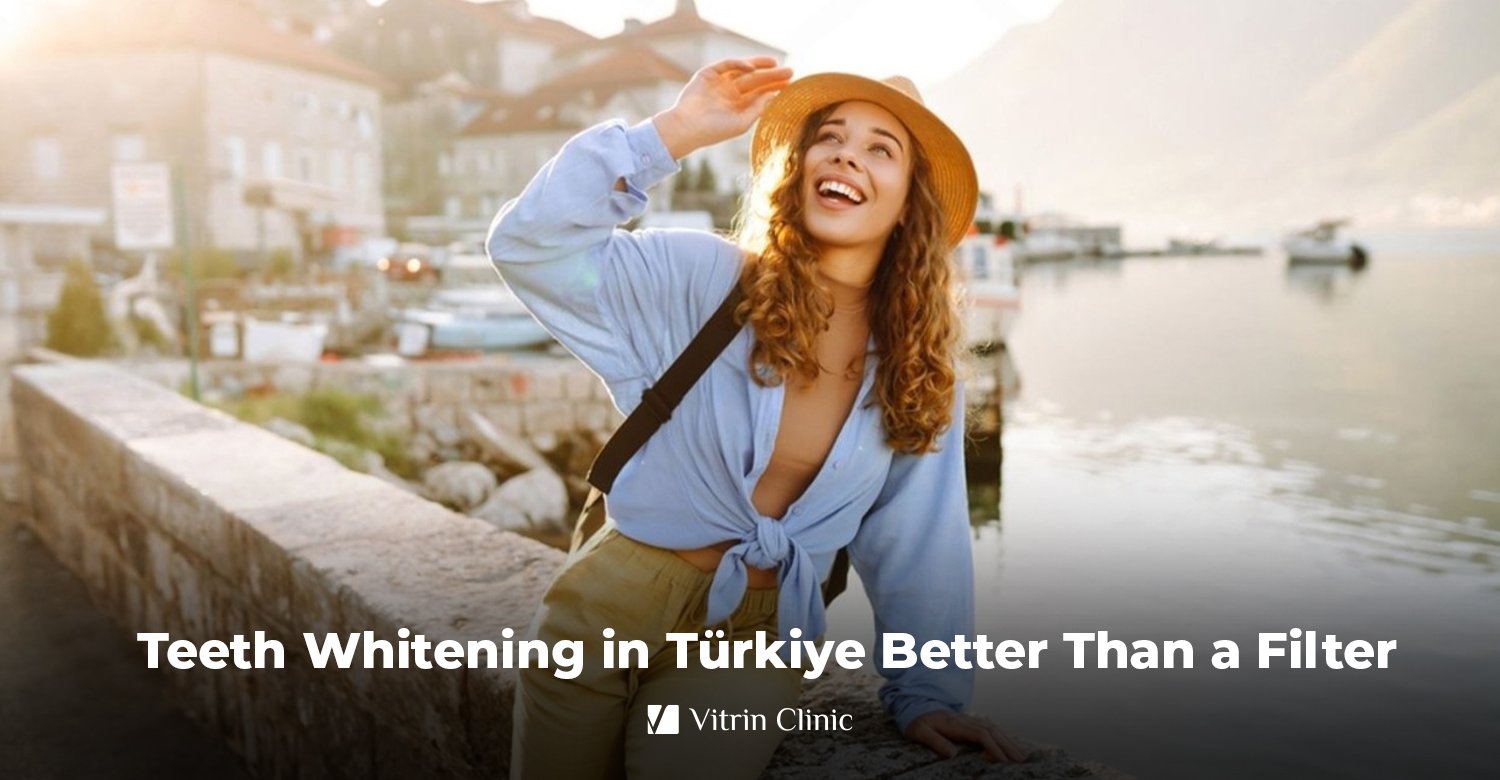
Teeth whitening has evolved from a luxury treatment into an accessible solution that delivers results no Instagram filter can replicate. In Türkiye, advanced whitening technologies combine with affordability, making professional treatments available to patients worldwide. Unlike temporary digital enhancements, professional teeth whitening creates genuine transformation through scientifically-proven methods. Modern clinics offer personalized approaches that address individual tooth structure, lifestyle factors, and aesthetic goals. This authentic brightness transforms confidence in ways that go beyond screen-deep appearances, delivering smiles that shine in real life.
The plan was simple: a few days off, some sun, and maybe a little self-care while I was at it. What I didn’t expect was that teeth whitening in Türkiye would become the reset button I didn’t know I needed.
I booked it on a whim. A friend had mentioned Istanbul and how surprisingly chic and advanced their aesthetic clinics were, especially Vitrin Clinic, a place known for cosmetic dental care with a luxury touch. I didn’t think much of it. My teeth weren’t awful. A little dull, sure, but who weren’t?
Studies consistently show that white teeth influence perceptions of attractiveness, success, and trustworthiness within seconds of meeting someone. Teeth whitening impacts professional opportunities, social interactions, and personal confidence in measurable ways. Psychologists have found that smile brightness affects hiring decisions, romantic attraction, and perceived age. This psychological weight explains why tooth whitening treatment ranks among the most requested cosmetic procedures globally. Understanding these social dynamics helps patients recognize that investing in professional treatments extends beyond vanity; it’s about how others perceive competence and approachability.
Today’s patients increasingly reject the ultra-white, uniform appearance associated with early cosmetic dentistry. Modern tooth whitening treatment emphasizes natural-looking results that complement individual features rather than creating identical smiles. Patients request brightness that appears healthy and authentic, not artificial or overly processed. This shift reflects broader beauty trends favoring personalization over standardization. Professional teeth whitening now focuses on enhancing each person’s unique shade range while maintaining realistic expectations. The goal has transformed from maximum whiteness to optimal brightness that looks genuinely beautiful rather than cosmetically obvious.
Tooth darkening results from complex interactions between external staining, internal changes, and structural factors. Many people incorrectly attribute discoloration solely to coffee or wine consumption, overlooking deeper causes. Understanding the actual mechanisms behind tooth color changes helps patients make informed decisions about treatments. Both surface-level stains and internal tooth structure contribute to overall appearance. Age, genetics, medications, and diet all play interconnected roles. Professional evaluation identifies specific discoloration types, allowing customized tooth whitening treatment that targets the actual causes rather than just superficial symptoms.
External stains accumulate on tooth enamel from pigmented foods, beverages, and tobacco, creating surface discoloration that responds well to professional teeth whitening. Internal staining occurs within the tooth structure itself, often from medications like tetracycline, excessive fluoride exposure during tooth development, or dental trauma. Laser teeth whitening and professional systems address both types differently. External stains lift relatively easily through bleaching agents, while internal discoloration requires stronger concentrations and longer treatment times. Identifying stain origin determines treatment approach, duration, and expected results. Professional assessment ensures appropriate methods target specific discoloration patterns.
Enamel naturally thins with age, revealing more of the yellowish dentin layer underneath, regardless of hygiene practices. This structural change explains why teeth darken gradually over decades even without excessive staining habits. The dentin itself also yellows over time through mineralization processes. Treatments can counteract age-related darkening by penetrating enamel to lighten dentin layers. However, understanding that aging affects tooth color helps set realistic expectations. Professional tooth whitening treatment addresses age-related changes effectively, but maintenance becomes increasingly important as structural shifts continue throughout life.
Beyond obvious culprits like coffee and red wine, unexpected factors accelerate tooth discoloration significantly. Acidic foods and drinks erode enamel, making teeth more susceptible to staining. Mouth breathing dries oral tissues, reducing saliva’s natural cleaning effect and allowing stains to penetrate more easily. Certain medications, including antihistamines and blood pressure drugs, cause discoloration through side effects. Chronic grinding wears enamel, exposing darker dentin layers beneath. Even healthy habits like consuming berries or balsamic vinegar contribute to staining. Professional teeth whitening becomes more effective when patients identify and modify these hidden contributing factors.
Still, something in me wanted change. The kind that shows, even if you don’t say a word.
So, I flew. By the time I landed, the city felt like a secret I was finally let in on. Warmth, spices, call to prayer echoing through stone alleyways. But beyond the scenery, I had one mission: teeth whitening in Türkiye, done right.
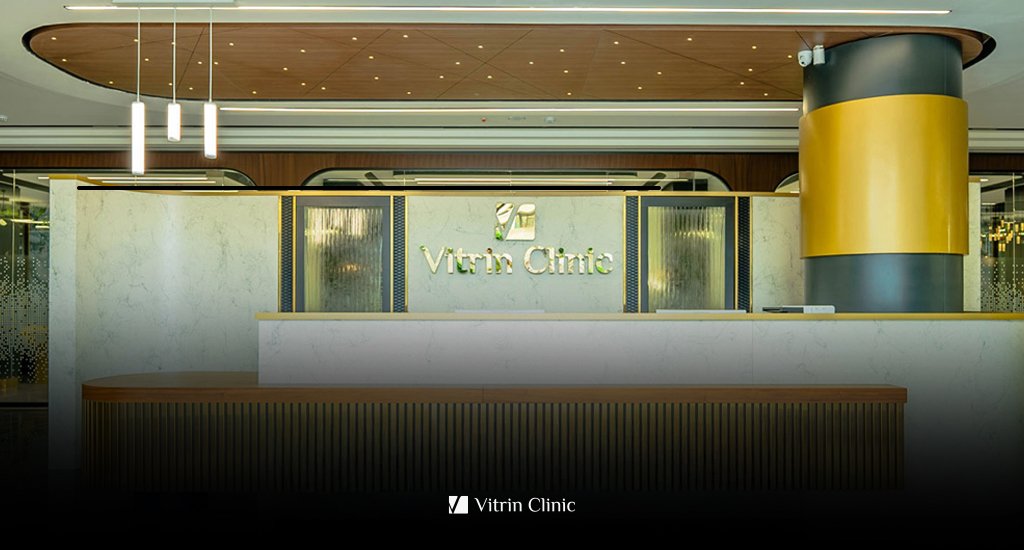
Vitrin Clinic wasn’t tucked away in some quiet medical zone. It was stylish, central, and more boutique than hospital. Think velvet chairs, soft lighting, and staff who remembered your name and your preferred tea. They asked me why I came. I didn’t have a dramatic answer. I just said, “I want to feel brighter.”
And they got it. Completely.
They explained the full process in a way that felt like skincare, not surgery. Gentle gels. LED light therapy. Polishing with a touch that was more spa than dental clinic. Throughout, I kept thinking, this doesn’t feel like dentistry. It feels like restoration. Quietly powerful.
Somewhere between the third light cycle and the cooling serum, I remembered something a friend once said: “When you smile with confidence, people assume you have your whole life together.” And right there, under that soft blue glow, I believed it.
It wasn’t that my teeth were blinding-white. They weren’t fake. They were just… mine again. Natural. Clean. Luminous. Like I’d slept for a week and drank nothing but mountain spring water. I looked refreshed.That’s the thing. You go in thinking it’s a surface-level thing. But the way teeth whitening in Türkiye made me feel? It hit deeper. I didn’t just look better,I acted like I looked better. My posture, my conversations, even the way I made eye contact. Something shifted.
Modern tooth whitening treatment begins with comprehensive examination, shade analysis, and planning customized to individual needs. Professional settings offer controlled environments where trained specialists apply clinical-grade whitening agents safely and effectively. Unlike over-the-counter products, professional systems use higher concentration formulas that deliver dramatic results in single sessions. The process includes gum protection, precise application, and often light or laser activation for enhanced effectiveness. Patients experience supervised treatment with immediate intervention if sensitivity occurs. This clinical approach combines safety protocols with powerful technology unavailable in retail products.
Customization begins with digital shade assessment using standardized color guides and photography that documents baseline tooth color. Dentists evaluate enamel thickness, existing dental work, and sensitivity history to determine appropriate strength and duration. Treatment plans account for individual goals, timeline constraints, and budget considerations. Some patients need aggressive single-session laser teeth whitening, while others benefit from gradual, gentle approaches. Existing restorations require special consideration since treatments don’t affect crowns or fillings. Professional whitening adapts to unique oral conditions, ensuring results match expectations while prioritizing tooth health throughout the process.
Professional teeth whitening formulations include enamel-strengthening agents like fluoride and potassium nitrate that counteract potential sensitivity. Clinical-grade products use buffering systems that maintain optimal pH levels, preventing the enamel erosion common with acidic over-the-counter products. Professional application ensures whitening agents contact only tooth surfaces, not soft tissues, through precise barrier placement. Controlled treatment times prevent overexposure that could compromise enamel integrity. Modern tooth whitening treatment actually remineralizes teeth during the process through specialized ingredient combinations. This protective approach delivers brightness without sacrificing long-term tooth health or structural integrity.
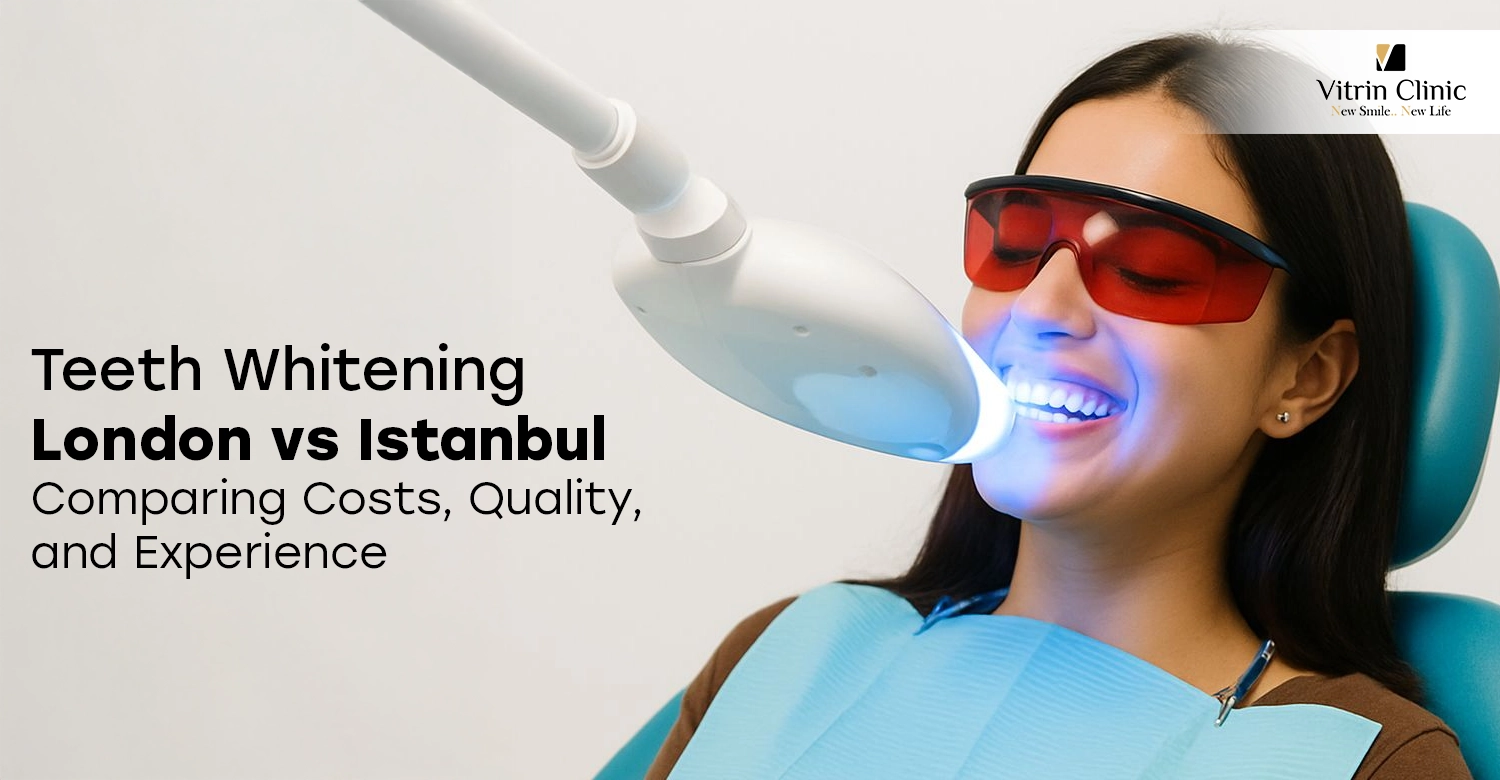
Whitening gels contain hydrogen peroxide or carbamide peroxide that penetrates enamel and breaks down discoloration molecules through oxidation reactions. These active ingredients release oxygen molecules that shatter chromophore bonds responsible for tooth staining. Professional teeth whitening concentrations range from 15% to 40%, significantly stronger than retail products’ 3-10% formulas. Activation methods using LED lights or lasers generate heat that accelerates chemical reactions, reducing treatment time dramatically. The laser whitening process can achieve results in 60 minutes that might take weeks with at-home methods. Understanding this chemistry explains why professional treatments deliver superior, faster outcomes.
Laser teeth whitening revolutionized professional treatments by introducing precision light energy that activates whitening agents more effectively than previous methods. This technology allows dentists to target specific teeth or even individual tooth sections with concentrated light exposure. Laser systems generate controlled heat that accelerates the oxidation process without damaging tooth structure. The method reduces overall treatment time while maximizing effectiveness. Patients typically see dramatic shade improvements in single appointments lasting about one hour. This advancement transformed procedures from multi-session commitments into convenient, efficient appointments that fit busy schedules while delivering professional-grade results.
Laser energy creates thermal reactions that dramatically accelerate the breakdown of stain molecules within tooth structure. The focused light penetrates enamel more effectively than ambient light, allowing whitening agents to work faster and deeper. This activation can reduce treatment time from several hours of traditional methods to approximately 60 minutes for comparable results. The laser teeth whitening process uses specific wavelengths optimized for peroxide activation without generating excessive heat that could damage pulp tissue. Multiple short laser exposures interspersed with gel reapplication create cumulative brightening effects. This efficiency makes professional whitening more accessible to patients with limited time.
Laser teeth whitening particularly benefits patients seeking immediate results for upcoming events like weddings, interviews, or photo shoots. People with time constraints appreciate achieving maximum brightness in single appointments rather than weeks of at-home treatments. Those with stubborn staining from coffee, tea, or tobacco often need the aggressive approach that laser activation provides. Patients with sensitive teeth sometimes tolerate laser methods better because shorter exposure times reduce discomfort. However, individuals with extensive dental restorations may see limited benefits since lasers only brighten natural tooth structure. Professional assessment determines whether laser technology suits specific goals.
Contrary to common fears, laser teeth whitening doesn’t cause more sensitivity than traditional professional methods when performed correctly. Modern laser systems use cooling mechanisms and controlled exposure times that minimize heat transfer to tooth nerves. The brief, intense treatment actually exposes teeth to whitening agents for less total time than extended at-home applications. Sensitivity typically results from dehydration during the process rather than laser exposure itself, and it resolves within 24-48 hours. Safety concerns about enamel damage are unfounded with proper professional application. Laser treatments have extensive clinical research demonstrating both effectiveness and safety when performed by trained specialists.
At-home products offer convenience and lower upfront costs but require weeks of consistent use with variable results. Professional teeth whitening delivers predictable, dramatic outcomes in controlled settings with immediate professional supervision. Home methods use lower concentration formulas that reduce risk but also limit effectiveness, especially for deep stains. Clinical treatments customize strength and duration to individual needs, optimizing results while managing sensitivity. Cost comparisons become complex when factoring in time investment and result longevity. Understanding these trade-offs helps patients choose appropriate methods based on priorities, whether convenience, speed, budget, or result quality.
At-home products offer flexibility to treat on personal schedules without appointment coordination or travel requirements. However, this convenience sacrifices the precision control that professional settings provide through expert monitoring and adjustment. Home users can’t modify treatment mid-process if sensitivity develops or results plateau unexpectedly. Professional tooth whitening treatment allows real-time adjustments to concentration, timing, and application technique based on immediate feedback. Dentists can address emerging issues instantly rather than patients discovering problems after damage occurs. While home methods suit maintenance between professional sessions, they can’t replicate the controlled optimization that clinical environments enable for primary treatments.
At-home products often produce initial brightness that fades relatively quickly without consistent ongoing application. Professional teeth whitening creates more stable, long-lasting results because higher concentrations penetrate deeper into tooth structure. The initial investment in professional treatment often proves more economical long-term because results endure longer between maintenance sessions. Home methods require continuous product purchases and time investment to maintain brightness achieved. Clinical laser whitening can deliver results lasting one to three years with proper care, while over-the-counter strips might need weekly application for sustained effect. Long-term stability considerations often justify professional treatment costs.
Unsupervised at-home attempts can cause significant problems including severe sensitivity, gum irritation, and uneven results. Overuse of products erodes enamel, creating permanent damage that increases cavity risk and structural weakness. Improper tray fit allows whitening gel to contact gums, causing chemical burns and tissue damage. Some individuals incorrectly use excessive concentrations or extended wear times, attempting to accelerate results but instead harming teeth. DIY methods can’t address underlying dental issues like cavities or gum disease that professional examination would identify. These risks make professional teeth whitening safer despite higher initial costs.
Professional approaches focus on optimal shade rather than maximum whiteness, considering facial harmony and natural appearance. Dentists use standardized shade guides alongside digital analysis to determine target colors that enhance individual features. The whitest possible shade often looks artificial and draws attention to teeth rather than creating overall facial balance. Target shades account for skin tone, eye color, and natural tooth translucency to ensure results appear genuinely beautiful. This personalized approach delivers brightness that looks healthy and enhances attractiveness without obvious cosmetic alteration. Realistic shade selection ensures satisfaction and prevents the regret that overly aggressive treatments can create.
Darker skin tones can support brighter tooth shades that might appear excessive on lighter complexions, making results highly individual. Facial features including lip color, eye shade, and hair tone all influence how tooth color appears in context. Dentists consider these elements when recommending target shades through professional tooth whitening treatment planning. Very pale shades against very fair skin can create stark contrasts that appear unnatural rather than attractive. The goal involves achieving brightness that enhances facial harmony rather than dominating appearance. Digital imaging sometimes helps patients visualize how different levels will look before committing to treatment.
The ultra-white “piano key” look associated with early cosmetic dentistry now represents outdated aesthetic goals for most patients. Modern approaches aim for natural-looking brightness that suggests health rather than obvious intervention. Overly uniform, brilliant white teeth can appear fake, especially when they lack the subtle translucency and shade variations natural teeth display. Professional methods preserve individual tooth characteristics while lifting overall color to more youthful ranges. This restrained philosophy creates results that enhance attractiveness subtly rather than announcing cosmetic work obviously. Patients increasingly request brightness that looks genuine rather than maximum possible whiteness regardless of appearance.
Contemporary cosmetic dentistry emphasizes individualized aesthetic goals rather than standardized beauty templates. Professional teeth whitening now integrates with comprehensive smile design that considers tooth shape, gum contours, and facial proportions holistically. Digital smile design tools allow patients to preview customized results before treatment begins. This technology-enabled personalization ensures tooth whitening treatment aligns with broader aesthetic objectives. Some patients desire conservative brightening that maintains natural appearance, while others seek dramatic transformation. Modern approaches accommodate this spectrum through customized concentration selection, treatment duration adjustment, and realistic expectation setting based on individual starting points and goals.
Comprehensive smile makeovers often incorporate treatments as one component within broader plans addressing alignment, shape, and overall aesthetics. Professional tooth whitening treatment may precede or follow other cosmetic procedures depending on specific goals and existing dental conditions. Understanding how brightening integrates with other treatments helps patients achieve cohesive results rather than piecemeal improvements. Timing sequences matter significantly, whitening before certain procedures ensures color matching, while post-treatment brightening addresses specific challenges. Strategic planning creates harmonious outcomes where multiple procedures work together rather than competing or conflicting, maximizing aesthetic impact while optimizing treatment efficiency and cost-effectiveness.
Dental restorations don’t respond to whitening agents, making it essential to complete professional teeth whitening before fabricating veneers, crowns, or bonding. This sequence allows laboratory technicians to match new restorations to brightened natural teeth rather than darker pre-treatment shades. Attempting to brighten after restoration placement creates mismatched coloration impossible to correct without replacing the cosmetic work. Strategic planning prevents costly mistakes where patients achieve beautiful results but their existing crowns now appear yellowed by comparison. The laser whitening or traditional professional treatment should occur weeks before final restoration shade selection, ensuring stable post-treatment color for accurate matching.
Orthodontic treatment often reveals previously hidden tooth surfaces that display different shading than exposed areas, making brightening valuable after braces removal. Alignment corrections can also expose areas of decalcification or staining that professional treatment addresses effectively. Many patients pursue tooth whitening treatment immediately after completing orthodontic work to maximize their smile transformation investment. However, timing matters, brightening should wait until braces removal allows access to all tooth surfaces. This combination approach delivers comprehensive aesthetic improvement, addressing both position and color for truly transformative results. Professional guidance ensures appropriate sequencing for optimal outcomes.
Following significant cosmetic dentistry investments, professional teeth whitening maintenance preserves results and protects treatment longevity. Regular touch-up sessions every six to twelve months maintain brightness achieved through initial intensive treatment. This ongoing care proves more economical than allowing significant darkening and requiring full retreatment. Maintenance planning includes both professional sessions and at-home care protocols that protect cosmetic work. Laser whitening touch-ups typically require shorter sessions than initial treatments because they address only recent surface staining rather than deep discoloration. Strategic maintenance planning ensures cosmetic investments continue delivering value and aesthetic satisfaction throughout their lifespan.
Long-term maintenance of results requires strategic lifestyle modifications and proactive care rather than drastic diet restrictions. Understanding which factors most significantly impact tooth color allows patients to make informed choices about trade-offs. Most discoloration develops gradually through accumulated daily exposure rather than occasional indulgences, making consistent habits more important than perfect behavior. Professional touch-up sessions supplement at-home care, addressing staining before it becomes deeply embedded. This combined approach maintains brightness achieved through tooth whitening treatment while allowing normal enjoyment of life. Realistic maintenance strategies prove sustainable long-term, unlike restrictive protocols that patients abandon quickly.
Rather than eliminating staining beverages entirely, strategic consumption timing and methods minimize discoloration impact. Drinking coffee, tea, or wine through straws reduces direct tooth contact, limiting staining potential significantly. Rinsing with water immediately after consuming pigmented foods or drinks prevents stain molecules from bonding to enamel. Consuming staining items with meals rather than alone takes advantage of increased saliva production that naturally cleanses teeth. Crunchy vegetables like celery or apples provide natural scrubbing action that removes surface deposits. These practical modifications allow patients to maintain results without unrealistic lifestyle restrictions that prove unsustainable.
Scheduled professional touch-up sessions every six to eighteen months maintain brightness more effectively and economically than waiting for significant darkening. These maintenance appointments typically involve shorter treatment times and lower concentrations than initial intensive procedures. Regular professional cleaning appointments also support maintenance by removing surface stains before they penetrate enamel. Some patients benefit from quarterly professional treatments, while others maintain results annually depending on lifestyle factors and staining susceptibility. Laser teeth whitening technology makes touch-ups convenient and efficient, often requiring only 20-30 minutes. Proactive maintenance prevents the need for complete retreatment, preserving both results and budget.
Consistent oral hygiene forms the foundation of maintenance, with electric toothbrushes providing superior stain removal compared to manual brushing. Whitening toothpastes used several times weekly help maintain brightness between professional sessions without causing sensitivity associated with daily use. Flossing removes staining particles from between teeth where results can fade noticeably if neglected. Avoiding tobacco products proves essential, as smoking causes rapid, deep staining that undermines professional treatment investments. These daily habits require minimal time investment but significantly extend professional teeth whitening longevity, making results sustainable long-term without constant professional intervention.
Vitrin Clinic combines advanced technology with personalized care protocols designed around individual patient needs and comfort. The clinic’s comprehensive approach begins with detailed consultation addressing aesthetic goals, concerns, and expectations before any treatment occurs. State-of-the-art equipment includes the latest laser teeth whitening systems alongside traditional professional methods, allowing customized technique selection. International patient coordination ensures seamless experiences for travelers seeking high-quality, affordable tooth whitening treatment in Istanbul. Vitrin Clinic’s philosophy prioritizes natural-looking results that enhance individual beauty rather than creating standardized appearances. This patient-centered methodology delivers satisfaction through realistic planning, careful execution, and comprehensive aftercare support.
Vitrin Clinic employs digital shade-matching technology that precisely documents current tooth color and projects potential outcomes. This visual planning tool helps patients understand realistic expectations before beginning professional whitening treatment. Comprehensive photography captures smile aesthetics from multiple angles, allowing detailed analysis of how brightening will integrate with overall facial features. Digital planning identifies optimal shade targets that enhance individual appearance rather than pursuing maximum possible brightness. This technology-enabled approach ensures alignment between patient expectations and achievable results, preventing disappointment and supporting informed decision-making. Pre-treatment planning establishes clear success criteria that guide treatment execution and outcome evaluation.
Vitrin Clinic’s protocols emphasize patient comfort through ergonomic positioning, temperature control, and anxiety management techniques. Treatment rooms feature entertainment options that help time pass more pleasantly during laser whitening sessions. Gentle desensitizing treatments applied before and after procedures minimize discomfort during and after treatment. Staff maintain constant communication, checking comfort levels throughout and adjusting as needed. Pain management options accommodate patients with heightened sensitivity or anxiety about dental procedures. This comfort-focused approach makes professional tooth whitening treatment accessible even to patients who typically avoid dental care, ensuring positive experiences that encourage ongoing oral health engagement and maintenance compliance.
Vitrin Clinic provides comprehensive support for international patients seeking affordable, high-quality care in Istanbul. Coordination services include airport transfers, accommodation recommendations, and translation assistance throughout the treatment process. Treatment timing accommodates travel schedules, with concentrated appointments that maximize efficiency for patients with limited time. Post-treatment follow-up occurs remotely through digital communication, allowing dentists to monitor results and address concerns without requiring return travel. The clinic provides detailed aftercare instructions and maintenance product recommendations suitable for patients’ home countries. This international patient focus makes professional teeth whitening accessible globally while maintaining treatment quality and ongoing support that ensures lasting satisfaction.
Professional teeth whitening performed by trained dentists is safe for enamel when using approved products and proper techniques. Modern systems include enamel-strengthening ingredients like fluoride that actually protect tooth structure during treatment. Clinical protocols control exposure time and concentration to prevent the enamel damage that improper home methods can cause. Research demonstrates that professional tooth whitening treatment does not weaken enamel or increase cavity susceptibility when performed correctly. The oxidation process targets stain molecules without altering enamel’s mineral structure. Dentists evaluate enamel health before treatment and customize approaches to ensure safety for individual tooth conditions.
Results typically last between one to three years depending on lifestyle factors, oral hygiene, and individual tooth characteristics. Patients who avoid heavily staining substances and maintain excellent oral care often enjoy brightness for several years. Those who consume coffee, tea, red wine, or tobacco regularly may need touch-up treatments every six to twelve months. Laser teeth whitening tends to produce longer-lasting results than traditional methods because higher concentrations penetrate deeper into tooth structure. Genetic factors affecting enamel porosity also influence longevity. Regular professional cleanings and occasional touch-up sessions extend initial treatment results significantly, making it a sustainable long-term investment.
Laser teeth whitening does not cause permanent sensitivity when performed by qualified professionals using appropriate protocols. Temporary sensitivity lasting 24-48 hours after treatment is common but resolves completely as teeth rehydrate and nerve endings normalize. This transient discomfort results from temporary dehydration during the process rather than permanent damage. Modern laser systems incorporate cooling mechanisms and controlled exposure times that minimize sensitivity occurrence. Dentists can apply desensitizing treatments before and after procedures to further reduce discomfort. Patients with existing sensitivity should inform dentists beforehand, allowing protocol adjustments that accommodate their conditions. Permanent sensitivity indicates improper treatment rather than inherent laser risks.
Treatments do not damage existing fillings, crowns, veneers, or other dental restorations, but they also don’t change their color. This creates potential color mismatches where brightened natural teeth appear lighter than unchanged restorations. Patients with visible front restorations should consider this limitation before pursuing professional whitening. Sometimes replacing older restorations after treatment proves necessary to achieve uniform appearance across the smile. The whitening agents penetrate natural tooth enamel but cannot affect the ceramic or composite materials used in dental work. Dentists evaluate existing restorations during planning to anticipate and address potential color discrepancies through comprehensive aesthetic planning.
Treatments can typically lighten natural tooth color by two to nine shades depending on starting color, staining severity, and treatment intensity. However, natural tooth structure limits maximum achievable brightness procedures and cannot make teeth whiter than their genetic potential. Yellowish teeth generally respond better than grayish teeth because different stain types require different approaches. Professional tooth whitening treatment produces more dramatic results than over-the-counter products but still works within biological constraints. Extremely dark teeth may need multiple sessions to reach optimal brightness. Dentists use shade guides to establish realistic targets based on individual tooth characteristics, ensuring expectations align with achievable outcomes.
Professional teeth whitening costs more initially but delivers superior, longer-lasting results that often prove more economical long-term than continuous strip purchases. Clinical treatments achieve brightness in one to two sessions that would take months of daily strip use to approximate. Professional-grade concentrations penetrate deeper, creating more stable color changes. Customized application prevents the uneven results and gum irritation common with one-size-fits-all strips. Dentist supervision ensures immediate problem resolution if sensitivity develops. Laser whitening particularly demonstrates value through dramatic results impossible to achieve with retail products. For patients seeking significant, predictable brightening, professional treatment justifies investment despite higher upfront costs.
Sessions can safely repeat as often as every three to six months for maintenance, though most patients need retreatment only annually or less frequently. Dentists recommend waiting at least two weeks between intensive sessions to allow teeth to rehydrate and stabilize. Excessive treatments don’t produce incrementally better results; teeth reach maximum achievable brightness beyond which additional procedures provide no benefit. Some patients pursue quarterly professional touch-ups to maintain peak brightness, while others need retreatment only every few years. Individual staining patterns, lifestyle factors, and desired brightness levels determine optimal frequency. Professional tooth whitening treatment providers develop personalized maintenance schedules that balance results with dental health considerations and budget constraints.
Pregnant or nursing women should postpone procedures until after breastfeeding concludes because research on fetal effects remains limited. Children under 16 should avoid treatments because tooth development continues and developing pulp chambers increase sensitivity risk. Patients with untreated cavities, gum disease, or exposed tooth roots need these conditions addressed before pursuing professional whitening. Individuals with extensive dental restorations may see limited benefits since procedures only affect natural tooth structure. People with severe intrinsic staining from tetracycline or fluorosis may need alternative cosmetic solutions like veneers. Those with extremely sensitive teeth might find treatments uncomfortable despite desensitizing protocols. Professional evaluation identifies contraindications and suggests appropriate alternatives when necessary.
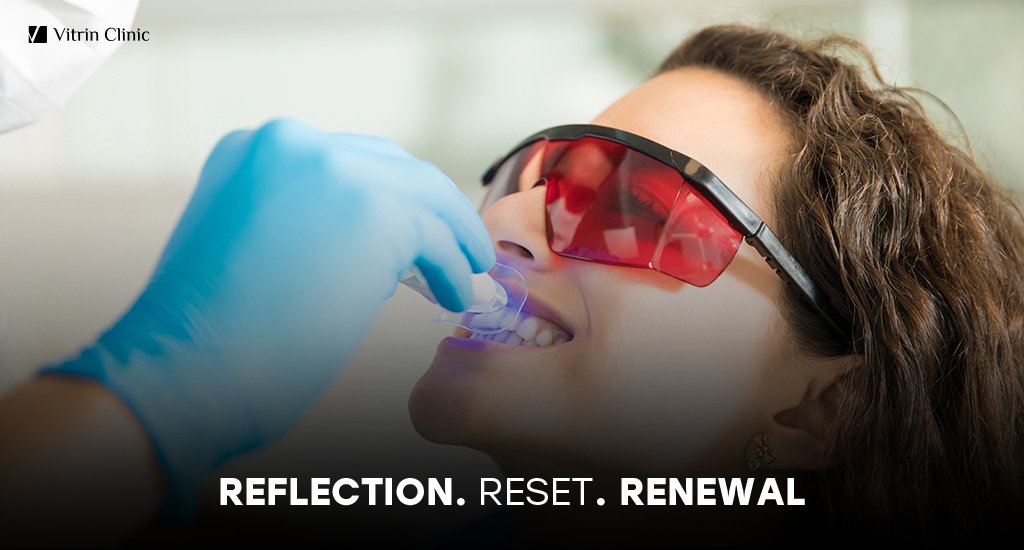
They asked questions no one else had ever asked about my smile. The kind of details that made me realize they weren’t just whitening teeth,they were preserving identity. There was an elegance to it. No overselling. No fake-white promises. Just enhancement.
Before I left, the specialist handed me a mirror again and said, “Now it matches how you feel.” She was right. I’d come for teeth whitening in Türkiye, but I was leaving with something much brighter.
Not because it’s more affordable than in the UK or US (it is). Not because Vitrin has technology that feels years ahead (they do). Not even because Istanbul is breathtaking (it absolutely is).
I’d recommend it because something happens when you do something for yourself,without apology, without delay, without waiting for a reason. You realize you’re allowed to be radiant.Teeth whitening in Türkiye isn’t just for influencers or brides-to-be. It’s for anyone who wants to remember what it feels like to be seen. Fully. Clearly. Brightly.
And you know what? The photos didn’t lie. But the best part wasn’t even on camera.
It was the way I smiled when no one was watching.
FAQS:
Q1: How much does teeth whitening cost in Turkey?
Teeth whitening in Turkey is very affordable, typically much cheaper than in Western countries while maintaining high standards of care at clinics like Vitrin Clinic Istanbul.
Q2: Is teeth whitening good in Turkey?
Absolutely! At Vitrin Clinic Istanbul, we use advanced whitening technologies and expert techniques to give you a bright, natural-looking smile safely and effectively.
Q3: How long does Turkey teeth whitening last?
With proper care, your teeth whitening results from Vitrin Clinic can last from 6 months up to 2 years. Regular touch-ups and good dental hygiene help keep your smile shining.
Q4: What country is best for teeth whitening?
While many countries offer teeth whitening, Turkey stands out for combining expert care, state-of-the-art technology, and unbeatable prices especially at trusted clinics like Vitrin Clinic Istanbul.

O Dr. Faisal Kayali possui mais de 7 anos de experiência clínica e faz parte atualmente da equipe médica da Vitrin Clinic.