Dental Implant
January 5, 2026
Losing back teeth affects your ability to chew properly and can lead to serious oral health complications. Partial dentures for back teeth offer an effective, affordable solution to restore function and prevent further dental problems. This comprehensive guide covers everything you need to know about replacing missing molars and premolars with partial dentures.
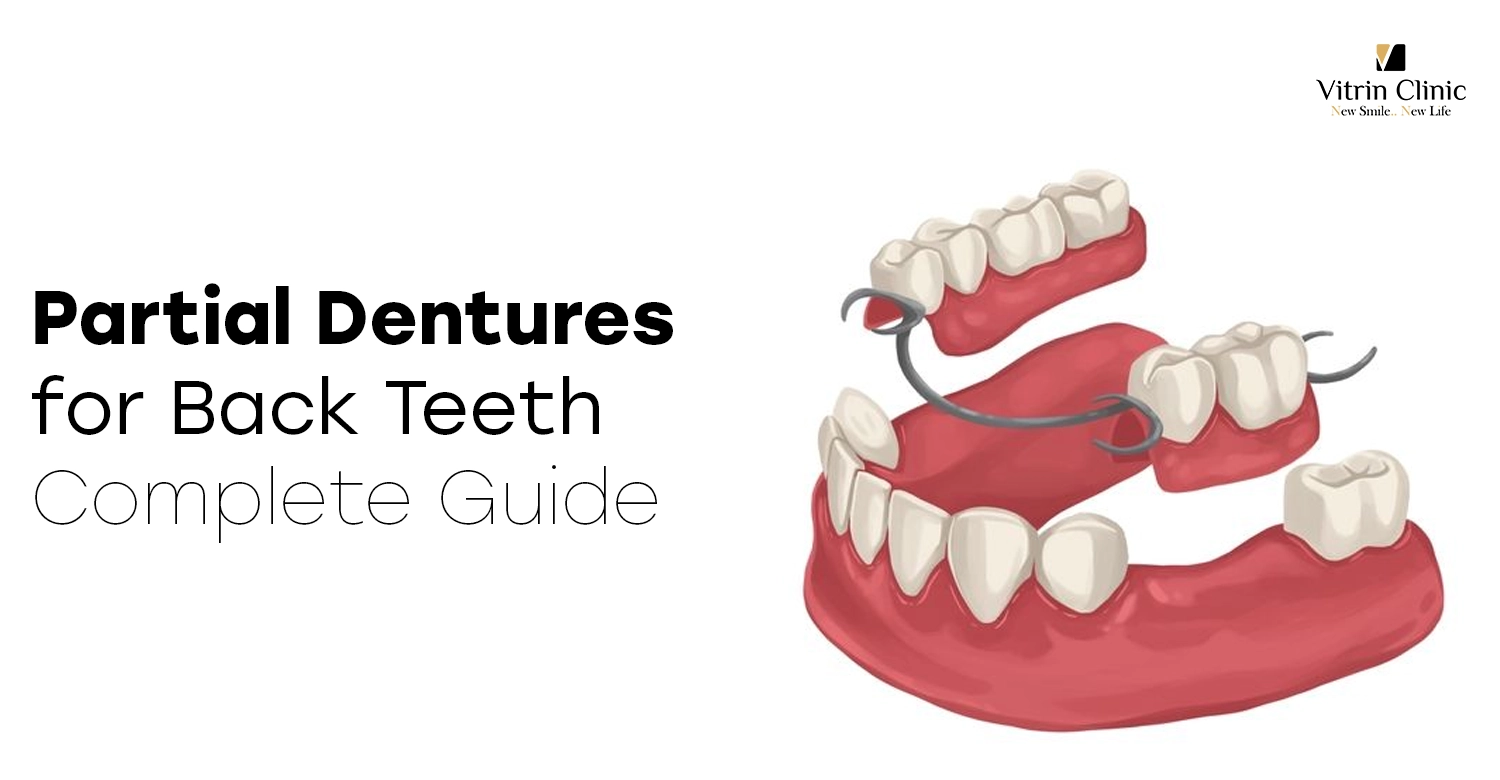
Partial dentures for back teeth are removable dental appliances designed specifically to replace missing molars and premolars. These custom-made devices restore chewing function, prevent remaining teeth from shifting, and maintain proper jaw alignment. Unlike complete dentures, partial dentures fill specific gaps while preserving your existing natural teeth.
Partial dentures are prosthetic devices that replace one or more missing teeth in the posterior region of your mouth. They consist of replacement teeth attached to a gum-colored base, connected by a metal or plastic framework. The primary purpose is restoring your ability to chew effectively while maintaining facial structure and preventing dental complications.
Back teeth bear the brunt of chewing forces and are essential for proper digestion. When molars or premolars are missing, remaining teeth gradually shift into empty spaces, causing misalignment and bite problems. Replacing missing back teeth prevents these issues, maintains jaw bone density, and ensures balanced distribution of chewing pressure across your dental arch.
Understanding how partial dentures for back teeth function helps you appreciate their effectiveness in restoring oral health. These appliances use your remaining natural teeth as anchors, creating a stable and functional replacement solution that adapts to your unique dental anatomy and chewing needs.
Partial dentures attach to your existing teeth using metal clasps or precision attachments. The denture base sits on your gum tissue, distributing chewing forces evenly. As you bite and chew, the denture remains stable through this combination of clasp retention and tissue support, effectively filling gaps where molars and premolars once stood.
Properly fitted partial dentures for back teeth significantly improve chewing efficiency, allowing you to enjoy a wider variety of foods. While back teeth don’t directly affect speech as much as front teeth, restoring posterior support helps maintain proper tongue positioning and jaw alignment, contributing to clearer articulation and overall oral function.
Choosing partial dentures for back teeth provides numerous advantages beyond simple tooth replacement. From functional improvements to long-term health benefits, these prosthetic devices offer comprehensive solutions for patients missing posterior teeth. Understanding these benefits helps you make informed decisions about your dental restoration options.
Partial dentures restore your ability to chew tough and fibrous foods effectively, improving nutrition and digestion. They distribute biting forces evenly across your jaw, preventing overwork of remaining teeth. By maintaining proper spacing, they support correct jaw alignment and reduce risk of temporomandibular joint disorders that often develop from missing teeth.
While back teeth aren’t visible when smiling, their absence causes facial sagging and premature aging. Partial dentures for back teeth provide essential support to cheek tissues, maintaining facial contours. They also protect remaining natural teeth from excessive wear, prevent bone loss in the jaw, and reduce risk of further tooth loss.
Several types of partial dentures for back teeth are available, each with distinct advantages. Your dentist will recommend the most suitable option based on your oral health condition, budget, aesthetic preferences, and lifestyle needs. Understanding these options empowers you to participate actively in treatment planning decisions.
Acrylic partial dentures feature a pink plastic base with metal clasps for retention. They’re the most affordable option and relatively quick to fabricate, making them ideal temporary solutions while awaiting permanent restorations. However, they’re bulkier and less durable than other types, typically requiring replacement within three to five years of regular use.
Cast metal partial dentures feature a lightweight yet strong cobalt-chromium framework. This design provides superior strength, better fit, and longer lifespan compared to acrylic alternatives. The metal framework distributes chewing forces more evenly and takes up less space in your mouth, making partial dentures for back teeth more comfortable for long-term wear.
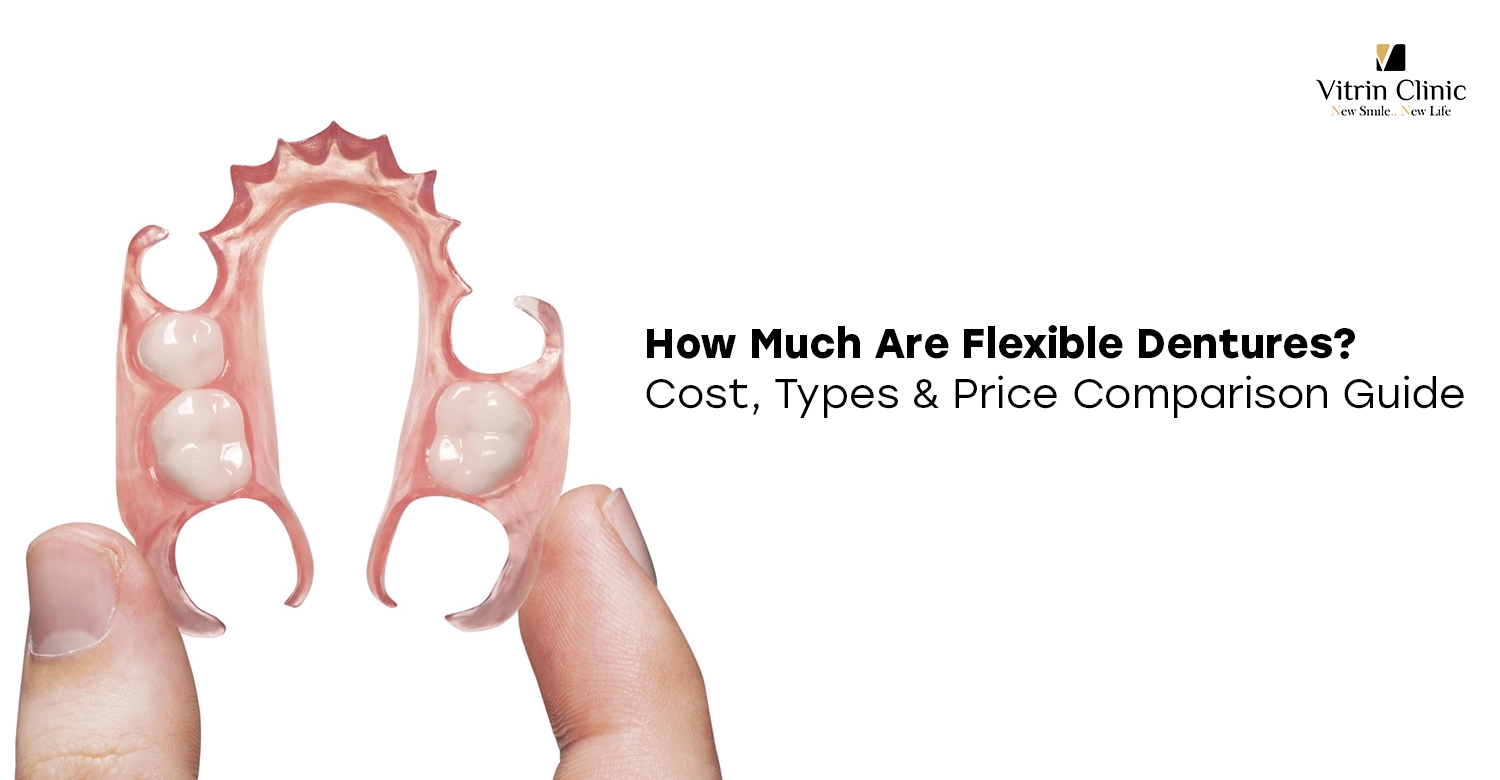
Flexible partial dentures use thermoplastic nylon materials that adapt naturally to mouth movements. They’re extremely comfortable, virtually invisible due to tooth-colored clasps, and ideal for patients with metal allergies or sensitivities. These dentures require special care and cleaning methods but offer excellent aesthetics and comfort for replacing missing posterior teeth.
Getting partial dentures for back teeth involves several appointments and an adjustment period. Understanding the process helps set realistic expectations and ensures successful outcomes. Most patients adapt quickly and experience significant improvements in chewing ability and overall oral comfort within a few weeks.
Your first appointment includes comprehensive oral examination, X-rays, and impressions of your mouth. The dentist assesses your remaining teeth, gum health, and jaw structure to determine the most appropriate denture design. You’ll discuss material options, expected timeline, costs, and any preparatory treatments needed before fabricating your partial dentures.
Adapting to partial dentures for back teeth typically takes two to four weeks. Initial soreness and increased saliva production are normal temporary symptoms. You’ll gradually learn proper insertion and removal techniques, develop comfortable chewing patterns, and adjust to speaking with the appliance. Follow-up appointments ensure optimal fit and address any discomfort.
The process of obtaining partial dentures for back teeth follows a systematic approach ensuring precise fit and optimal function. Each step builds upon the previous one, resulting in custom-made prosthetics that meet your specific needs. Patience throughout this process guarantees the best possible long-term results.
Your dentist performs a thorough examination of remaining teeth, gums, and jaw structure. Any necessary preparatory work such as fillings, extractions, or gum treatments is completed before denture fabrication begins. Together, you’ll choose the denture type that best balances your functional needs, aesthetic preferences, budget constraints, and long-term oral health goals.
Precise impressions of your upper and lower jaws are taken using a special dental putty. These molds are sent to a dental laboratory where technicians custom-fabricate your partial dentures for back teeth. A wax try-in appointment allows you to test the denture’s fit, appearance, and bite relationship before final processing in permanent materials.
At your delivery appointment, the dentist places your completed partial dentures and makes necessary adjustments for comfort and fit. You’ll receive detailed instructions on insertion, removal, cleaning, and care. The dentist checks your bite alignment and makes immediate modifications, scheduling follow-up appointments to monitor adaptation and address emerging concerns.
When extensive work is needed, a full dental reconstruction plan addresses both function and aesthetics comprehensively
Proper maintenance extends the lifespan of partial dentures for back teeth and protects your oral health. Establishing good care habits from day one prevents common problems and ensures your investment provides years of reliable service. Daily attention to cleaning and handling makes denture care second nature.
Remove and rinse your partial dentures after every meal to eliminate food particles. Brush them daily using a soft-bristled toothbrush and non-abrasive denture cleaner, never regular toothpaste, which scratches surfaces. Soak dentures overnight in a denture-cleaning solution, keeping them moist to prevent warping. Clean your natural teeth and gums thoroughly before reinserting dentures.
Schedule regular dental checkups every six months for professional cleaning and examination. Your dentist monitors fit, checks for damage, and assesses your oral tissues for irritation or changes. Store partial dentures for back teeth in water or cleaning solution when not wearing them. Handle them over a folded towel or water-filled sink to prevent breakage from accidental drops.
Choosing between partial dentures for back teeth and dental implants depends on multiple factors. Both options effectively replace missing teeth but differ significantly in cost, procedure complexity, and long-term outcomes. Understanding these differences helps you select the most appropriate solution for your specific circumstances.
Partial dentures are removable, less expensive, and don’t require surgery, making them accessible for most patients. Dental implants are permanently fixed, require surgical placement, and cost significantly more but offer superior stability and bone preservation. Dentures can be fabricated quickly, while implants require several months for complete integration and restoration.
Your choice depends on oral health condition, bone density, budget, and personal preferences. Partial dentures for back teeth suit patients seeking non-surgical, affordable solutions or those with insufficient bone for implants. Implants benefit patients prioritizing permanence, stability, and long-term investment despite higher initial costs and longer treatment timelines.
Understanding the financial investment in partial dentures for back teeth helps with treatment planning and budgeting. Costs vary based on materials, complexity, geographic location, and dentist expertise. While price is important, consider long-term value, durability, and impact on your quality of life when evaluating options.
Acrylic partial dentures typically cost between $300-$500, offering affordable temporary solutions. Cast metal framework partial dentures range from $900-$2,000, providing superior quality and longevity. Flexible partial dentures fall in the $700-$1,500 range. Turkish dental clinics like Vitrin Clinic offer partial dentures for back teeth at 60-70% lower costs than Western countries.
Material selection significantly impacts final price metal frameworks that cost more than acrylic but last longer. The number of missing teeth being replaced, complexity of your case, and required preparatory treatments affect total investment. Dentist expertise, laboratory quality, geographic location, and whether dental insurance provides coverage also influence what you’ll ultimately pay.
While initial cost matters, consider durability, comfort, and functionality over the denture’s expected lifespan. Higher-quality partial dentures for back teeth may cost more upfront but require fewer repairs and replacements, offering better value long-term. Factor in improved nutrition, confidence, oral health protection, and quality of life when evaluating your investment.
The Maryland bridge, also known as a resin-bonded bridge, is celebrated for its minimal preparation of adjacent teeth
Even well-fitted partial dentures for back teeth occasionally cause problems. Recognizing common issues and knowing when to seek professional help ensures optimal comfort and function. Most problems are easily resolved with minor adjustments or improved care techniques, while others may require denture modification or replacement.
Initial soreness is normal during the adjustment period as your mouth adapts to the new appliance. However, persistent pain indicates pressure points requiring professional adjustment. Remove dentures for several hours if severe irritation develops, then visit your dentist for relief adjustments. Never attempt to modify dentures yourself, as this damages them permanently.
Dentures loosen over time as gums recede and bone remodels. Partial dentures for back teeth that move excessively during chewing indicate need for relining or rebasing to restore proper fit. Your dentist adds material to the tissue-contacting surface, improving retention and stability. Significant looseness may require complete denture replacement if the framework no longer adapts properly.
Dropped dentures, excessive biting forces, or age-related deterioration can cause fractures or worn teeth. Small cracks often can be repaired, but extensive damage requires replacement. Replace partial dentures for back teeth every five to eight years even without obvious damage, as materials deteriorate and your mouth structure changes, compromising fit and function.
Vitrin Clinic in Istanbul, Turkey combines advanced prosthodontic expertise with exceptional value, making high-quality dental restorations accessible to international patients. Our specialized team delivers personalized care using premium materials and cutting-edge technology, ensuring your partial dentures for back teeth provide optimal function, comfort, and longevity.
A dental bridge provides a fixed, non-removable solution to fill the space where teeth are missing
Our prosthodontists possess extensive experience designing and fitting partial dentures for complex cases. We utilize digital impressions, advanced diagnostic imaging, and precision fabrication techniques ensuring perfect fit. Using only premium-grade materials sourced from reputable manufacturers, we create partial dentures for back teeth that exceed international quality standards while remaining remarkably affordable.
Every patient receives customized treatment plans addressing their unique needs, preferences, and budget. We provide transparent pricing with no hidden costs, comprehensive aftercare instructions, and ongoing support throughout your adaptation period. International patients benefit from coordinated treatment scheduling, comfortable accommodations, and dedicated patient coordinators ensuring seamless, stress-free dental tourism experiences.
Partial dentures for back teeth offer effective, affordable solutions for replacing missing molars and premolars, restoring your ability to chew comfortably while protecting your remaining teeth and overall oral health.
Understanding your options empowers informed decision-making. Partial dentures for back teeth come in various types suited to different needs and budgets. Proper care ensures longevity, while regular dental visits maintain optimal fit. Though adaptation requires patience, most patients quickly enjoy improved chewing function, better nutrition, and enhanced quality of life.
Don’t let missing back teeth compromise your health and happiness. Contact Vitrin Clinic today to schedule your comprehensive evaluation and discover how partial dentures for back teeth can restore your smile’s function and your confidence. Our expert team is ready to design the perfect solution for your needs at prices 60-70% lower than Western alternatives.
Partial dentures for back teeth are removable prosthetic devices that replace missing molars and premolars. They consist of artificial teeth attached to a framework that anchors to your remaining natural teeth, restoring chewing function and preventing dental complications from tooth loss while maintaining your existing healthy teeth.
Partial dentures use metal clasps or precision attachments to anchor securely to adjacent natural teeth. The prosthetic teeth fill gaps where molars or premolars are missing, while the denture base rests on gum tissue. This dual support system distributes chewing forces evenly, effectively replacing missing teeth functionality.
Benefits include restored chewing ability, improved nutrition, prevention of remaining teeth from shifting, maintained facial structure, protected jaw alignment, and reduced risk of TMJ disorders. They’re affordable, non-surgical, and preserve existing healthy teeth while providing stable, functional tooth replacement for missing posterior teeth.
Three main types exist: acrylic partial dentures (affordable, temporary solution), cast metal framework partial dentures (durable, long-lasting, superior fit), and flexible partial dentures (comfortable, aesthetic, ideal for metal sensitivities). Your dentist recommends the best type based on your oral health, budget, and lifestyle requirements.
Explore the world of artificial tooth replacement and restoration through modern dental prosthetics
Expect multiple appointments including initial examination, impressions, try-in fittings, and final placement. An adjustment period of two to four weeks is normal, during which you’ll experience minor soreness and learn proper insertion, removal, and care techniques. Follow-up visits ensure optimal fit and comfort throughout adaptation.
The complete process typically takes three to six weeks from initial consultation to final placement. This includes time for oral examination, any preparatory treatments, impression-taking, laboratory fabrication, try-in appointments, and final adjustments. Complex cases or additional dental work may extend this timeline slightly.
Remove and rinse dentures after eating, brush daily with soft-bristled brush and denture cleaner, soak overnight in cleaning solution, and clean remaining natural teeth thoroughly. Handle dentures carefully over soft surfaces, store them in water when not wearing, and schedule regular dental checkups for professional maintenance.
Neither option is universally “better” ; each suits different situations. Partial dentures are less expensive, non-surgical, and faster to obtain but removable. Dental implants are permanent, more stable, and preserve bone but cost more and require surgery. Your choice depends on health, budget, and preferences.
Costs range from $300-$500 for acrylic dentures, $900-$2,000 for cast metal frameworks, and $700-$1,500 for flexible dentures in most Western countries. Turkish clinics like Vitrin Clinic offer the same quality at 60-70% lower prices, making premium dental care accessible to international patients seeking affordable solutions.
Common issues include initial soreness (resolved through professional adjustments), loose fit (corrected via relining or rebasing), and occasional breakage (repaired or replaced depending on damage extent). Regular dental visits, proper care, and prompt attention to discomfort prevent most problems and ensure long-term denture success.
Vitrin Clinic offers expert prosthodontic care using advanced technology and premium materials at 60-70% lower costs than Western countries. We provide personalized treatment plans, transparent pricing, comprehensive aftercare, and dedicated support for international patients, ensuring exceptional results and seamless dental tourism experiences in Istanbul, Turkey.

O Dr. Faisal Kayali possui mais de 7 anos de experiência clínica e faz parte atualmente da equipe médica da Vitrin Clinic.