Dentures in Turkey
September 11, 2025
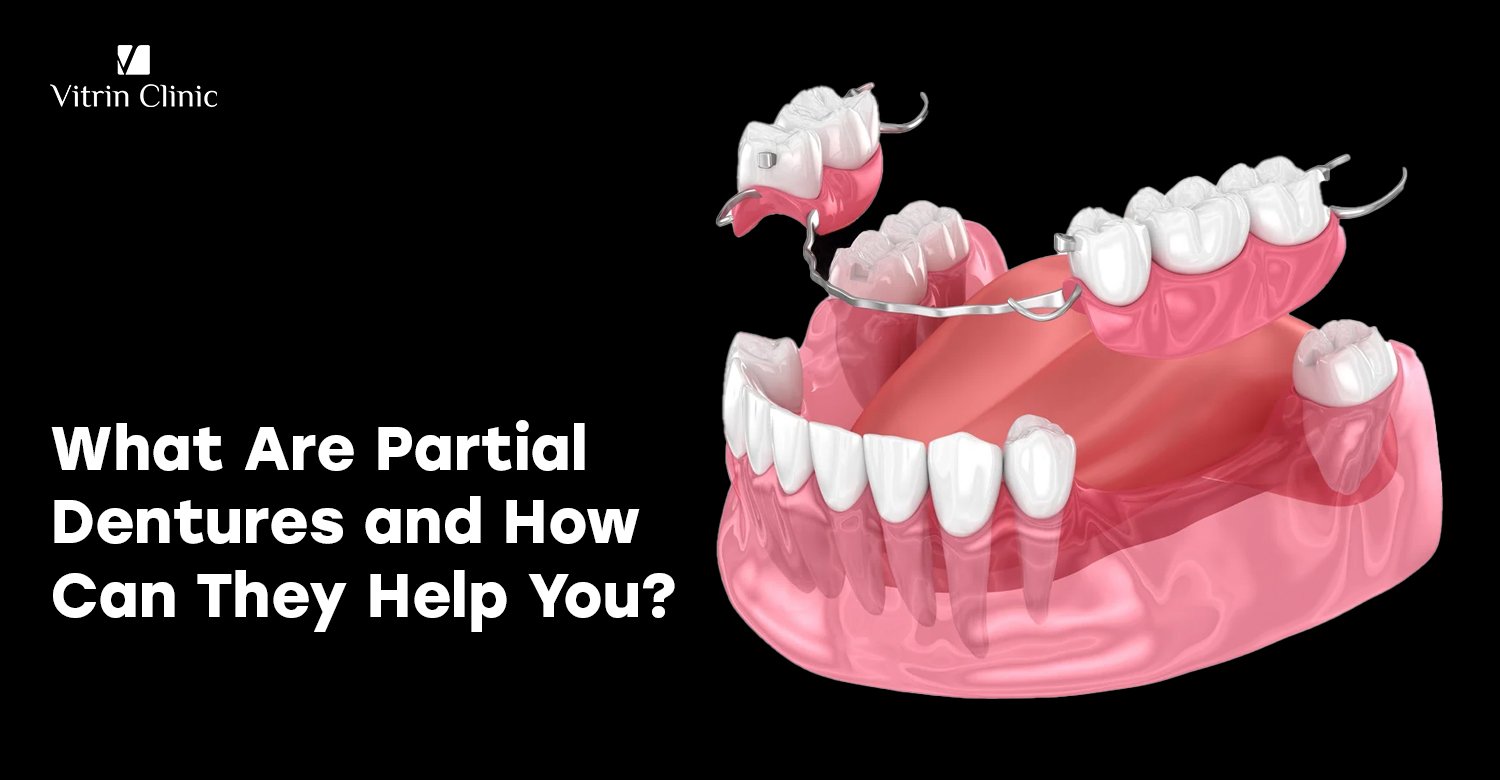
Partial dentures are dental prosthetics designed to replace one or more missing teeth while preserving the rest of your natural teeth. They help restore proper chewing, improve speech, and maintain your facial structure. Unlike full dentures, they are ideal for individuals who still have some healthy teeth in place.
Partial dentures are removable or fixed dental appliances that replace missing teeth by anchoring to remaining natural teeth or implants. They fill in gaps, improve oral function, and enhance appearance.
Partial dentures replace only some missing teeth, while full dentures replace all teeth in the upper or lower jaw. Partial dentures use clasps or attachments to secure to remaining teeth, whereas full dentures rely on suction or adhesive.
Someone might need partial dentures due to tooth loss from decay, injury, or gum disease. They help restore chewing function, prevent other teeth from shifting, and improve facial appearance and confidence.
Partial dentures typically consist of:
People of various ages with one or more missing teeth can benefit from partial dentures. They offer a practical and economical way to restore function and appearance, especially when not all teeth are lost.
Yes. While more common in adults and seniors, younger adults who have lost teeth due to accidents or medical conditions may also benefit from partial dentures.
Yes, they are specifically designed for this purpose. Partial dentures are ideal for patients missing just a few teeth and help prevent further complications.
Absolutely. Seniors often choose partial dentures as a comfortable, non-invasive, and affordable option for restoring oral function and aesthetics when they still retain some natural teeth.
Yes. They prevent neighboring teeth from shifting into gaps, maintain bite alignment, reduce strain on jaw muscles, and promote better overall oral hygiene.
There are several types of partial dentures designed to suit different needs, including removable, fixed, flexible, and metal-free options. Each has its advantages in terms of durability, aesthetics, and comfort. Catch white spots and sensitivity early—before decay turns into infection or tooth loss. Know more about rotten teeth.
These dentures can be taken out for cleaning and sleeping. They’re often made of acrylic or a metal framework and are the most commonly prescribed type due to their affordability and ease of use.
Also called dental bridges, these are non-removable prosthetics attached to adjacent natural teeth or implants. They provide a permanent solution but often require altering nearby teeth.
Made from soft, pliable materials like Vamplets, these dentures are lightweight, comfortable, and adapt to the contours of the mouth. They are ideal for patients with sensitive gums or metal allergies.
Yes. Metal-free options use thermoplastic or acrylic materials, offering better aesthetics and reducing allergic reactions. They’re often preferred for patients seeking a more natural look.
The process of creating partial dentures is personalized and involves several steps to ensure a precise fit and comfortable wear. It typically includes assessment, impressions, trial fittings, and final adjustments.
The process includes:
The full process usually takes 2 to 4 weeks. Complex cases may take longer, especially if custom materials are used or extra adjustments are required.
Common materials include:
Bridges alter healthy teeth; implants preserve bone but cost more upfront. Compare both. Know more about fixed alternatives.
Yes. Dentists carefully match the color, size, and shape of the denture teeth to blend seamlessly with your existing teeth for a natural appearance.
Proper care extends the life of your dentures and keeps your mouth healthy. Daily cleaning and regular dental visits are essential.
Remove and rinse after meals, brush gently with a soft brush using denture cleanser or mild soap (not toothpaste), and soak overnight in a denture solution.
Avoid sticky, hard, or chewy foods like gum, caramel, nuts, and tough meats. These can dislodge or damage your dentures.
No. Do not attempt home adjustments. This can damage the denture or harm your gums. Visit your dentist for professional fitting and modifications.
You should see your dentist every 6 months, or sooner if your dentures become loose or uncomfortable, to ensure they remain in good condition.
Partial dentures offer multiple benefits for individuals missing one or more teeth, especially when affordability and minimally invasive solutions are important.
They restore your ability to chew food properly and support the tongue and lips, helping improve clarity of speech, especially with front teeth replacements.
Yes. They support facial muscles, preventing the sunken appearance often caused by missing teeth, thus helping maintain a youthful look.
Yes. They fill the spaces left by missing teeth, preventing neighboring teeth from moving out of alignment, which can lead to bite and jaw issues.
They are among the most affordable dental prosthetics and offer excellent value for restoring oral function, especially when compared to implants or bridges. Daily cleaning and proper soaking extend the life of your partials. Know more about care for your dentures.
While effective, partial dentures can have some downsides, particularly if not maintained properly or if poorly fitted. Partial dentures can be a convenient solution for missing teeth, but they come with some risks and disadvantages. They may cause discomfort or sore spots in the mouth, especially during the adjustment period.
Poorly fitted dentures can lead to difficulty chewing and speaking, and in some cases, they may accelerate bone loss in the jaw. Over time, clasps or attachments can loosen or damage surrounding natural teeth.
Additionally, they require regular cleaning and maintenance to prevent infections or bad odor. Some patients may also feel self-conscious about their appearance, despite modern aesthetic improvements.
Initial soreness is common, but it usually subsides as you adjust. Long-term pain may indicate improper fit and should be addressed by a dentist.
Yes. Poor cleaning habits can lead to infections such as oral thrush or denture stomatitis. Regular cleaning and dental checkups help prevent this.
Typically every 5–10 years. Over time, your mouth and gums change, which can affect the fit. Regular evaluations help determine when a replacement is needed.
If not cleaned properly, they can trap food and bacteria, increasing the risk of gum disease. Maintaining hygiene is essential for both dentures and natural teeth.
Turkey offers quality dental care at lower costs, making it a top destination for dental tourism, especially for partial dentures. The cost of partial dentures in Turkey varies depending on materials, complexity, and the clinic’s reputation. On average, acrylic partial dentures cost between €150–€300, while metal or flexible dentures can range from €300–€600.
High-end or customized options may reach €800 or more, especially in private clinics with advanced technology. Additional costs may include consultations, adjustments, and follow-ups. Turkey is known for offering affordable yet high-quality dental care, making it a popular destination for dental tourism. Prices are generally lower than in Europe or the US without compromising on expertise or materials.
The average cost ranges from $200 to $800 USD, depending on the materials used and the clinic’s reputation.
Yes. Acrylic dentures are more affordable, while metal-based or flexible dentures tend to cost more due to material and customization.
Absolutely. Turkey is known for its competitive prices and high standards in dental care, making it popular among international patients.
Some international insurance plans may reimburse part of the cost. Many Turkish clinics also offer packages or payment plans for foreign patients.
Getting partial dentures in Turkey is streamlined and efficient, with many clinics catering to international patients through dental tourism services. The procedure for getting partial dentures in Turkey typically begins with a comprehensive dental examination, including X-rays and oral assessments. The dentist evaluates your remaining teeth and gum health to determine the most suitable type of partial denture.
Next, precise impressions of your mouth are taken to ensure a custom fit. A dental lab then fabricates the dentures, often using high-quality materials for comfort and durability. During a follow-up appointment, the partial dentures are fitted, adjusted, and checked for proper bite alignment. Patients receive guidance on maintenance, cleaning, and adaptation to ensure long-lasting results and optimal oral function. Save 60-75% in Turkey on acrylic, metal, or flexible partials. Know more about cost of partial dentures.
Look for:
Common diagnostic steps include:
Appointments range from 30 minutes to 1 hour, with 2–4 visits required over several days. Some clinics offer same-week services for tourists.
Yes. Many clinics offer fast-track services, providing custom dentures within 3 to 5 days, ideal for patients visiting on short stays. Removable or fixed? Compare durability, cost, and how each affects nearby teeth. Know more about partial dentures vs bridges.
[sc_fs_multi_faq headline-0=”h3″ question-0=”Can partial dentures replace multiple missing teeth at once?” answer-0=”Yes. They are designed to replace several missing teeth in one arch, depending on your individual dental structure.” image-0=”” headline-1=”h3″ question-1=”How long do partial dentures last on average?” answer-1=”With proper care, they last 5 to 10 years. Regular checkups help prolong their lifespan.” image-1=”” headline-2=”h3″ question-2=”Is it painful to get partial dentures fitted?” answer-2=”No. The process is generally painless. Minor discomfort during the adjustment period is normal and temporary.” image-2=”” headline-3=”h3″ question-3=”Can I sleep with my partial dentures?” answer-3=”It’s recommended to remove them at night to allow your gums to rest and to clean them properly.” image-3=”” headline-4=”h3″ question-4=”Can partial dentures improve my speech?” answer-4=”Yes. They restore tooth structure and support the tongue, helping you speak more clearly, especially after a short adjustment period.” image-4=”” headline-5=”h3″ question-5=”How do I know if partial dentures are the right choice for me?” answer-5=”Consult your dentist to evaluate your oral health, number of missing teeth, and goals. Partial dentures are a good solution for many patients.” image-5=”” headline-6=”h3″ question-6=”Are partial dentures suitable for people with sensitive gums?” answer-6=”Yes. Flexible or soft-base dentures are available for individuals with gum sensitivity or metal allergies.” image-6=”” headline-7=”h3″ question-7=”Can partial dentures stain or discolor over time?” answer-7=”Yes, but regular cleaning and avoiding foods like coffee, wine, and tobacco can prevent staining.” image-7=”” headline-8=”h3″ question-8=”Are there alternatives to partial dentures for missing teeth?” answer-8=”Yes. Alternatives include dental implants, bridges, or full dentures, depending on how many teeth are missing and your overall dental health.” image-8=”” count=”9″ html=”true” css_class=””]

O Dr. Faisal Kayali possui mais de 7 anos de experiência clínica e faz parte atualmente da equipe médica da Vitrin Clinic.