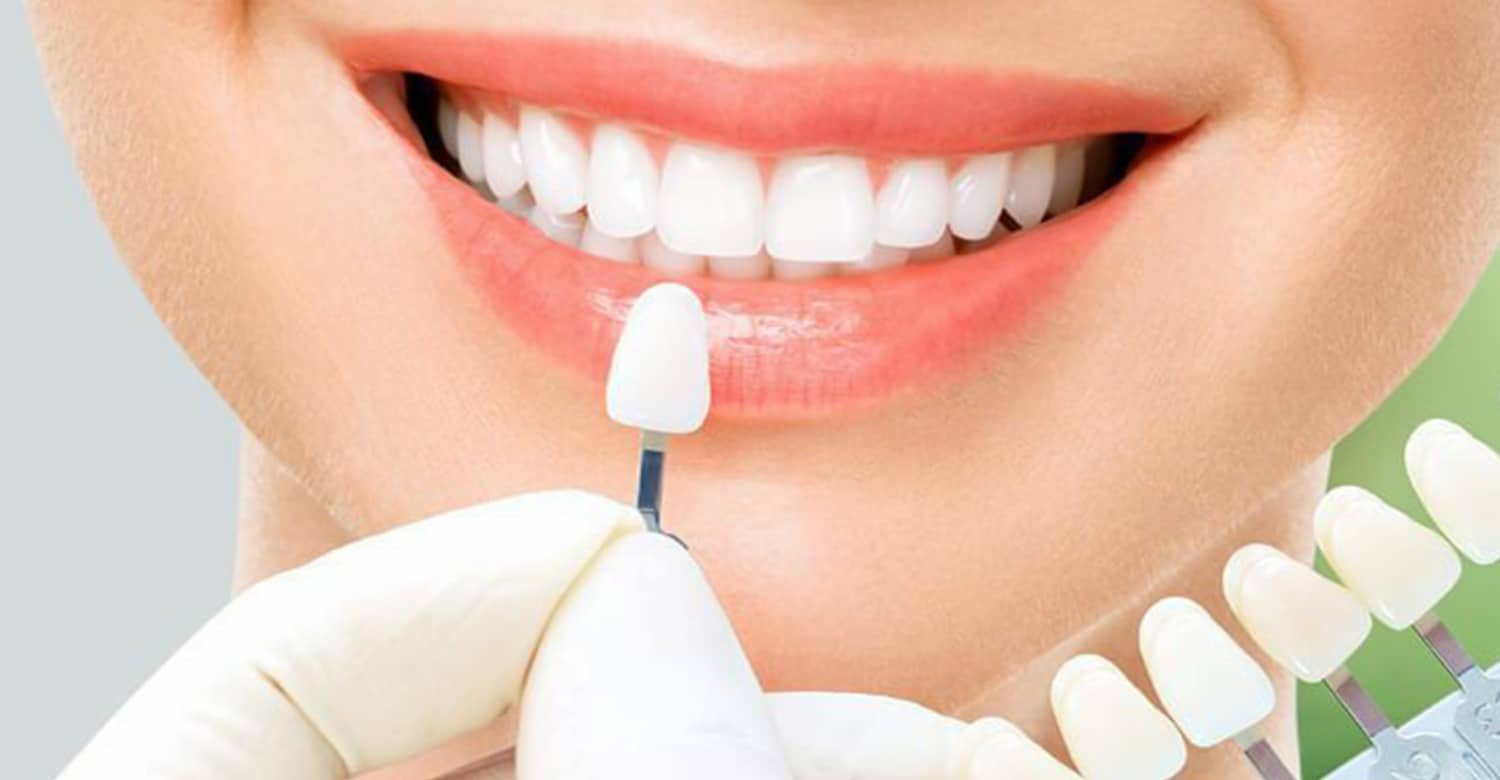
Lumineers represent a revolutionary advancement in cosmetic dentistry, offering patients a minimally invasive solution for achieving perfect smiles. Understanding their durability is crucial for making informed decisions about this significant investment in your oral health and appearance.
The durability of Lumineers primarily depends on the quality of the materials used, proper application by a skilled dentist, and the patient’s oral hygiene habits. High-quality porcelain ensures resistance to stains and chips, while precise bonding techniques prevent detachment. Regular dental check-ups and avoiding habits like teeth grinding or biting hard objects also prolong their lifespan. Additionally, factors such as proper bite alignment and avoiding excessive pressure contribute to their longevity. Overall, combining professional care with good oral hygiene and mindful habits ensures Lumineers remain durable and aesthetically pleasing for many years.
Genuine Carminate porcelain, used in authentic Lumineers, is known for its strength and aesthetics.
A high-quality dental lab and skilled technician ensure precise fit and strong bonding5. *Skill of the Dentist*
With proper care, Lumineers can last 10–20 years or more. Some patients keep them even longer with minimal maintenance.
The porcelain quality directly impacts Lumineers longevity. High-grade porcelain resists chipping, staining, and wear better than standard materials. Premium porcelain maintains its strength and aesthetic appeal for decades, while inferior materials may show signs of deterioration within just a few years of placement.
Ultra-thin porcelain uses advanced manufacturing techniques that create stronger molecular bonds. The refined crystalline structure provides superior resistance to fracture and thermal shock. Modern fabrication processes eliminate microscopic flaws that could compromise durability, resulting in Lumineers that can withstand normal chewing forces for many years.
Strict manufacturing protocols ensure consistent quality and durability. Precise temperature control, proper curing times, and quality testing eliminate defects that could cause premature failure. Facilities following ISO standards produce Lumineers with predictable performance characteristics, while substandard manufacturing can result in variable and reduced lifespan expectations.
Proper bonding is critical for Dental Lumineers success. The adhesive creates the primary connection between the veneer and tooth surface. Strong initial bonding prevents microleakage, reduces bacterial infiltration, and maintains structural integrity. Poor bonding techniques often lead to premature debonding and shortened lifespan.
High-quality dental adhesives provide superior bond strength and longevity. Premium adhesives resist moisture, temperature changes, and mechanical stress better than standard options. They maintain their bonding properties over time, preventing the gradual weakening that can lead to Lumineers failure and the need for premature replacement.
Proper surface preparation, moisture control, and precise application timing are essential. The tooth surface must be thoroughly cleaned and etched, while contamination from saliva or blood compromises bonding. Following manufacturer protocols for adhesive application, curing times, and pressure application ensures optimal initial bond strength and long-term durability.
Personal habits significantly influence Lumineers lifespan. Excellent oral hygiene, regular dental visits, and protective behaviors extend durability. Conversely, poor hygiene, neglecting maintenance, and harmful habits like teeth grinding can dramatically reduce their functional life and require earlier replacement or repair interventions.
Beneficial habits include gentle brushing with soft bristles, regular flossing, using fluoride toothpaste, and avoiding hard foods. Harmful behaviors include nail biting, ice chewing, using teeth as tools, smoking, and consuming excessive staining beverages. Consistent positive habits can extend Lumineers life significantly beyond average expectations.
Bruxism creates excessive forces that can crack, chip, or deboned Lumineers. Nighttime grinding produces forces up to six times greater than normal chewing. Without protective intervention like night guards, grinding can cause premature failure within months rather than years, making professional management essential for durability. Following these veneer maintenance tips will help keep your smile bright and your gums healthy
Lumineers, a type of ultra-thin porcelain veneer, typically last between 10 to 20 years under normal conditions. Their longevity depends on factors such as oral hygiene, dietary habits, and regular dental visits. While durable and stain-resistant, avoiding habits like teeth grinding or chewing hard objects can help extend their lifespan significantly.
Under ideal conditions with proper care, Lumineers typically last 10-20 years. Most patients can expect 15 years of excellent function and appearance. Factors like oral hygiene, lifestyle habits, and regular maintenance significantly influence actual lifespan, with some lasting well beyond 20 years while others may need replacement sooner.
Minimum lifespan ranges from 5-8 years under challenging conditions or poor maintenance. Maximum lifespan can exceed 25 years with excellent care and favorable circumstances. Most Lumineers fall within the 12-18 year range, providing substantial value and functionality throughout their service life with proper patient compliance.
Traditional veneers typically last 10-15 years, while Lumineers often achieve 15-20+ years. Their ultra-thin design reduces stress on the tooth structure, potentially extending longevity. However, traditional veneers may handle heavy bite forces better. The choice depends on individual circumstances, with both options offering excellent durability when properly maintained.
Early warning signs include visible chips, cracks, or discoloration that cannot be polished away. Edge wear, rough surfaces, or changes in fit indicate potential problems. Sensitivity, looseness, or gaps between the Lumineers and tooth suggest bonding failure requiring immediate professional evaluation and possible replacement.
Regular self-examination helps identify issues early. Look for surface roughness, color changes, or visible damage in good lighting. Feel for rough edges with your tongue, and notice any sensitivity to temperature or pressure. Changes in bite alignment or unusual food catching may indicate structural problems requiring professional assessment.
Schedule professional evaluation annually or immediately when problems arise. Routine examinations detect early issues before they become major problems. If you notice changes in appearance, comfort, or function, don’t wait for scheduled appointments. Early intervention often prevents complete replacement and reduces treatment complexity and cost.
Lumineers aging follows predictable patterns. Initial years show minimal changes, while gradual wear becomes apparent after 5-7 years. Surface glaze may diminish slightly, but structural integrity remains intact. Understanding normal aging helps distinguish between expected changes and problems requiring intervention, ensuring appropriate maintenance decisions.
The first five years typically show minimal visible changes. Minor surface wear may occur at contact points, and very slight color shifts might develop. The bonding remains strong, and structural integrity is maintained. Most changes during this period are microscopic and don’t affect function or appearance significantly.
After 10-15 years, some surface wear becomes noticeable, particularly on chewing surfaces. Color may show slight changes, and edge definition might diminish. However, most Lumineers remain functionally excellent. This period often requires more careful monitoring and may benefit from professional polishing to maintain optimal appearance and function.
Several factors can negatively impact the durability of Lumineers, including:
Maintaining good habits and seeing a qualified dentist ensures Lumineers last longer.
Diet significantly influences Lumineers lifespan. Hard, sticky, or acidic foods can cause damage, while staining beverages affect appearance. Frequent exposure to extremes in temperature creates thermal stress. Balanced nutrition supports overall oral health, while poor dietary choices can accelerate wear and reduce the functional life of your investment.
Hard foods like ice, nuts, and hard candies can chip Lumineers. Sticky substances like caramel may pull them loose. Acidic drinks including soda, wine, and citrus juices can erode the bonding agent. Coffee, tea, and red wine cause staining that may require professional cleaning or eventual replacement.
Staining doesn’t compromise structural integrity but affects appearance significantly. Unlike natural teeth, Lumineers cannot be whitened, making stain prevention crucial. Heavy staining may necessitate replacement purely for aesthetic reasons, even when the veneer is structurally sound, effectively reducing the functional lifespan of your investment.
Destructive habits create forces exceeding design specifications, causing premature failure. Nail biting, pen chewing, ice crunching, and using teeth as tools apply inappropriate stresses. These behaviors can cause immediate damage or create micro-fractures that propagate over time, significantly reducing expected lifespan and requiring earlier replacement or repair.
Clenching creates sustained pressure that can deboned or fracture Lumineers. Unlike brief chewing forces, clenching maintains stress for extended periods, overwhelming the bonding agent’s capabilities. This habit particularly affects sleep quality and requires professional management through night guards or stress reduction techniques to preserve Lumineers integrity and longevity.
Using teeth as tools applies forces in unintended directions, causing immediate damage or creating stress concentrations that lead to delayed failure. Opening packages, cutting tape, or cracking nuts can instantly chip or deboned Lumineers. These behaviors are completely preventable and represent the most common cause of premature failure.
Underlying dental problems compromise Lumineers stability and longevity. Gum disease, tooth decay, or bite problems create unfavorable conditions for long-term success. Addressing these issues before placement and maintaining excellent oral health afterward ensures optimal performance and maximizes the return on your cosmetic dentistry investment.
Gum disease creates inflammation, bleeding, and bacterial accumulation that compromises bonding integrity. Infected gums may recede, exposing Lumineers margins and creating aesthetic problems. Active periodontal disease must be controlled before placement and prevented afterward through excellent hygiene and regular professional care for optimal longevity.
Decay under Lumineers weakens the tooth structure and compromises bonding. Bacterial infiltration at margins can cause rapid progression, potentially requiring extensive treatment or tooth loss. Prevention through proper oral hygiene and regular examinations is essential, as treating decay often requires Lumineer removal and replacement. The Lumineers procedure is painless for most patients, as it requires little to no enamel removal
To maximize the durability and lifespan of Lumineers, follow these key practices:
By combining proper care, regular dental visits, and smart lifestyle choices, you can extend the lifespan of your Lumineers and maintain a healthy, beautiful smile for many years.
Optimal maintenance combines excellent daily hygiene with professional care. Gentle brushing, regular flossing, and antimicrobial rinses prevent bacterial accumulation. Avoiding harmful habits and protecting against grinding extends lifespan significantly. Professional cleanings and examinations detect problems early, when intervention is most effective and least costly.
Brush twice daily with soft-bristled toothbrushes and non-abrasive toothpaste. Floss gently to avoid damaging margins, and use antimicrobial mouthwash to reduce bacterial levels. Avoid whitening products that may damage bonding agents. Consistent, gentle care prevents most problems that lead to premature failure or replacement needs.
Use fluoride toothpaste twice daily and mouthwash once daily. Professional cleanings every 6 months maintain optimal conditions. Avoid abrasive whitening products or harsh chemicals that might compromise bonding agents. Water flossers can supplement traditional flossing but shouldn’t replace it entirely for optimal margin cleanliness and health maintenance.
Regular examinations are crucial for early problem detection and prevention. Professional cleanings remove deposits that home care cannot address. Dentists can identify issues before they become major problems, often preventing the need for complete replacement. Consistent professional care significantly extends Lumineers functional life and maintains optimal appearance.
Professional visits should include thorough cleaning, margin examination, bonding assessment, and bite evaluation. Polishing removes surface stains and roughness, while professional fluoride application strengthens underlying tooth structure. Documentation of condition helps track changes over time and plan appropriate interventions when necessary for optimal longevity.
Early detection allows minor problems to be addressed before they become major failures. Small chips can be polished smooth, early debonding can be re-cemented, and staining can be professionally removed. Catching issues early often prevents the need for complete replacement and significantly reduces treatment complexity and cost.
Protective measures include night guards for grinding, sports guards for athletics, and lifestyle modifications to avoid harmful habits. These interventions prevent the majority of preventable damage and can extend Lumineers life well beyond average expectations. The investment in protection is minimal compared to replacement costs.
Night guards are essential for anyone who grinds or clenches teeth during sleep. Signs include morning jaw soreness, headaches, or visible wear patterns. Even occasional grinding can damage Lumineers over time. Custom-fitted guards provide superior protection compared to over-the-counter options and are essential for long-term success.
Sports guards prevent traumatic damage during athletic activities. Contact sports pose obvious risks, but even non-contact activities can result in unexpected impact. Custom guards offer superior protection and comfort compared to generic options. The small investment in protection prevents potentially catastrophic damage requiring immediate and expensive replacement. If you have chipped or worn-down teeth, veneers or bonding can restore their length and shape
| Type | Typical Material & Thickness | Tooth Preparation Needed | Average Lifespan | Resistance to Chipping / Fracture | Advantages | Disadvantages |
|---|---|---|---|---|---|---|
| Traditional Porcelain Veneers | Porcelain, ~0.5‑0.7 mm thick | Moderate enamel removal (0.3‑0.7 mm) | 10‑15, up to ~20 years with ideal care | Very high; thick and strong material, good fracture resistance | Great for masking dark stains, reshaping teeth, durable long term | Requires irreversible enamel removal, may be more costly, more invasive |
| Lumineers (Carminate Porcelain, Ultra‑thin) | Carminate porcelain, ~0.2‑0.3 mm thick | Minimal to none (little or no enamel removal) | Around 10‑15 years with good care, sometimes up to ~20 according to some sources | High, though somewhat less than thicker porcelain; more vulnerable to damage under heavy bite forces or trauma | Conservative, preserves natural tooth structure; less invasive; lower sensitivity; reversible in some cases | Because of thinness, may not mask very dark discoloration; more risk of chipping/cracking if stressed; possibly need replacement sooner in harder use cases |
| Composite Veneers | Resin composite material; thicker than Lumineers in some cases, thinner than heavy porcelain veneers; variable thickness depending on case | Minimal preparation though sometimes some enamel shaping; easier chair‑side application | Generally shorter: ~5‑7 years | Moderate; more prone to chipping, wear, staining than porcelain options | Lower cost, quicker to repair, less lab work, easier adjustments | Less stain resistance; may need more maintenance; less durable under stress; color matching and gloss may degrade faster |
Original Lumineers typically offer superior durability due to strict manufacturing standards and proven materials. Generic ultra-thin veneers may vary significantly in quality and longevity. Brand reputation, manufacturing protocols, and material specifications significantly influence durability expectations. Choosing established brands with proven track records generally ensures better long-term outcomes.
Original Lumineers undergo rigorous quality control and use proven materials and techniques. Generic alternatives may offer cost savings but potentially compromise durability and predictability. Manufacturing standards, material quality, and clinical support vary significantly among manufacturers. Choosing original Lumineers often provides better long-term value despite higher initial costs.
Advanced CAD/CAM manufacturing with precise temperature control and quality testing produces the most durable results. Computer-controlled fabrication ensures consistent thickness and eliminates human error. Multiple quality checkpoints identify defects before delivery. Traditional hand-layering techniques may produce beautiful results but can introduce variability that affects long-term durability.
Thickness represents a balance between strength and aesthetics. Ultra-thin designs preserve tooth structure but may be more vulnerable to fracture under extreme forces. Slightly thicker designs offer increased strength but require more tooth preparation. Individual circumstances including bite forces and habits determine the optimal thickness for durability.
Ultra-thin Lumineers preserve maximum tooth structure and often require no preparation, making them reversible. However, they may be more vulnerable to fracture and offer limited color change capabilities. Standard thickness provides increased strength and opacity but requires tooth reduction and is generally irreversible. Both can achieve excellent longevity with appropriate care.
Increased thickness generally improves resistance to fracture and chipping but creates higher stresses on the bonding agent. Ultra-thin designs distribute forces more evenly but may be more susceptible to point loading damage. The optimal thickness balances strength requirements with aesthetic goals and preservation of tooth structure.
Color selection affects both aesthetic durability and structural performance. Lighter shades may show staining more readily but hide wear better than darker colors. Translucent options look more natural but may be more challenging to match over time. Color stability varies among different porcelain formulations and manufacturing processes.
Lighter shades generally show stains more readily than darker colors, but modern porcelain formulations offer excellent stain resistance across all shades. Surface texture and glaze quality affect stain resistance more than color itself. Professional polishing can often remove surface stains regardless of color, maintaining aesthetic appeal over time.
Medium shades typically hide minor wear and damage better than very light or dark colors. Natural tooth colors with slight translucency camouflage small imperfections effectively. Extremely white or opaque colors may make even minor changes more noticeable, potentially affecting aesthetic durability and patient satisfaction over time. The benefits of Lumineers include their natural translucency and strength
Chipping and Cracking
Debonding (Coming Loose)
Staining Around Edges
Wear from Bruxism (Teeth Grinding)
Poor Fit or Overhangs
Color Mismatch Over Time
Most durability issues are preventable with good oral care, proper placement by an experienced cosmetic dentist, and lifestyle adjustments like avoiding grinding or chewing hard objects.
Chipping occurs in approximately 5-10% of cases over 10 years under normal conditions. Most chips are minor and can be polished smooth without replacement. Major fractures requiring replacement are less common, typically resulting from trauma or excessive forces. Proper case selection and patient compliance significantly reduce chip frequency.
Primary causes include trauma from accidents or sports, excessive bite forces from grinding or clenching, and destructive habits like using teeth as tools. Hard foods, ice chewing, and nail biting also contribute significantly. Manufacturing defects are rare but can cause spontaneous failure. Most damage is preventable through appropriate precautions.
Minor chips and rough edges can often be smoothed and polished without replacement. Small defects may be repairable with bonding materials, though color matching can be challenging. Significant damage, debonding, or multiple defects typically require replacement. Early professional evaluation determines whether repair is feasible and appropriate.
Debonding most commonly occurs after 7-12 years as bonding agents gradually weaken. However, it can happen earlier due to poor initial bonding, contamination during placement, or excessive forces from grinding. Signs include looseness, clicking sounds, or visible gaps. Prompt professional attention prevents complete loss and potential damage.
Warning signs include clicking sounds when eating, movement when pressed with the tongue, or visible gaps at the margins. Changes in bite sensation or food catching in new areas may indicate partial debonding. Any unusual sensations or visible changes warrant immediate professional evaluation to prevent complete loss.
Prevention includes proper initial bonding techniques, excellent oral hygiene, and avoiding excessive forces. Regular professional examinations detect early signs of loosening when re-cementing is most successful. Addressing problems immediately prevents complete loss and maintains optimal fit and function throughout the expected lifespan. We recommend using a water flosser to clean around implants, bridges, and veneers effectively
Discoloration rarely affects structural durability but may necessitate replacement for aesthetic reasons. Staining, darkening of underlying teeth, or changes in adjacent teeth can create color mismatches. Unlike natural teeth, Lumineers cannot be whitened, making prevention crucial for maintaining long-term aesthetic satisfaction and functional lifespan.
Color changes result from staining beverages, smoking, or aging of underlying tooth structure. Microscopic surface changes can affect light reflection and perceived color. Bonding agents may discolor at margins over time. Trauma or decay in underlying teeth can cause darkening that shows through the veneer.
Surface stains can often be removed through professional polishing, restoring original appearance. However, intrinsic discoloration or color changes in underlying teeth typically require replacement for optimal aesthetics. Regular professional maintenance helps distinguish between removable stains and permanent color changes requiring intervention.
Oral Hygiene Habits
Dietary Choices
Bruxism (Teeth Grinding or Clenching)
Bite Alignment and Jaw Structure
Gum Health
Commitment to Dental Visits
Age and Tooth Wear
Even the best-quality Lumineers can fail early if patient behavior doesn’t support them. Maintaining strong oral hygiene, avoiding stressors like grinding, and visiting the dentist regularly are crucial for maximizing their durability.
Age affects durability through changes in bite forces, oral hygiene ability, and healing capacity. Younger patients may subject Lumineers to more stress through active lifestyles, while older patients might experience reduced manual dexterity affecting hygiene. Hormonal changes and age-related dental changes can influence long-term success and maintenance requirements.
Younger patients typically have stronger bite forces and more active lifestyles but better healing and adaptation capacity. Older patients may have compromised oral health, reduced bite forces, and manual dexterity challenges but often demonstrate better compliance with care instructions. Treatment planning must address these age-specific factors appropriately.
Hormonal fluctuations during pregnancy, menopause, or medical treatments can affect gum health and bonding integrity. Increased inflammation or changes in saliva composition may compromise margins or bonding agents. Regular professional monitoring during hormonal transitions helps maintain optimal conditions and prevent durability problems.
Systemic health conditions affecting circulation, immune function, or healing capacity can influence Lumineers success. Diabetes, autoimmune conditions, and certain medications may affect oral health and bonding integrity. Managing overall health optimally supports long-term Lumineers performance and may require modified maintenance protocols.
Conditions like diabetes can impair healing and increase infection risk, potentially affecting bonding integrity and gum health. Autoimmune conditions may cause dry mouth or increased inflammation. These factors can compromise the oral environment and reduce Lumineers longevity without appropriate management and monitoring.
Medications causing dry mouth reduce natural cleansing and increase bacterial accumulation. Blood thinners may increase bleeding during maintenance procedures. Some medications cause gum overgrowth or changes in taste that affect oral care effectiveness. Medication reviews help identify potential impacts on Lumineers longevity.
Lifestyle significantly influences Lumineers durability through stress levels, dietary choices, and health priorities. High-stress lifestyles often correlate with grinding and poor sleep quality. Professional demands may limit time for optimal oral care. Understanding lifestyle factors helps predict challenges and develop appropriate maintenance strategies.
Stress often manifests as bruxism, clenching, or neglect of oral hygiene routines. Increased cortisol levels may affect healing and immune function. Stress-related habits like nail biting or pen chewing can damage Lumineers. Stress management and protective measures are essential for optimal durability in high-stress individuals.
Demanding careers may limit time for optimal oral care or increase stress-related grinding. Professional speaking requirements make aesthetic considerations more critical. Travel schedules may disrupt routine care or limit access to professional maintenance. Tailored maintenance protocols accommodate professional demands while ensuring optimal durability.
Initial Investment
Long-Term Cost Efficiency
Repair or Replacement Costs
Cost of Neglect
Financing Options
Durability = Better ROI
While Lumineers are a significant upfront investment, their durability makes them economically worthwhile if maintained well. On the flip side, poor care or habits like grinding can lead to unexpected long-term expenses. Smart maintenance equals better return on investment (ROI).
Lumineers represent significant initial investment but offer excellent long-term value when properly maintained. Cost per year over 15-20 years compares favorably to other cosmetic treatments requiring more frequent replacement. Quality materials and proper technique maximize value by extending functional life and minimizing maintenance costs.
Based on an average lifespan of 15 years, annual cost typically ranges from $200-400 per tooth depending on initial investment. This compares favorably to other cosmetic options requiring more frequent replacement. Longer lifespans with excellent care can reduce annual costs significantly, making Lumineers an economical choice for long-term smile enhancement.
Regular maintenance costs including professional cleanings, examinations, and occasional polishing add approximately 10-15% to total lifetime investment. These costs are essential for maximizing durability and are often covered by dental insurance. Preventive maintenance is far less expensive than premature replacement due to neglect.
Replacement becomes more cost-effective when multiple repairs are needed, extensive damage exists, or aesthetic goals have changed significantly. Single repairs may be economical for minor issues, but recurring problems or widespread damage often justify complete replacement. Professional evaluation determines the most cost-effective approach.
Multiple damaged units, extensive discoloration that cannot be corrected, or significant debonding typically indicate replacement is more appropriate than repair. Single minor issues or surface problems often respond well to maintenance procedures. Age of existing Lumineers and overall condition influence the decision significantly.
Budget approximately 10-15% of initial cost annually for maintenance and potential repairs. Setting aside funds for eventual replacement after 15-20 years helps manage future costs. Many practices offer maintenance plans or financing options. Planning ahead prevents financial stress when maintenance or replacement becomes necessary.
Warranty options vary significantly among providers and may cover manufacturing defects, premature failure, or aesthetic issues. Understanding warranty terms helps assess true long-term costs and provider confidence in their work. Extended warranties may justify choosing more expensive options if they provide meaningful protection.
Standard warranties typically cover manufacturing defects and premature debonding within specified timeframes. Some include aesthetic guarantees or reduced-cost replacement options. Patient compliance requirements often affect warranty validity. Understanding specific terms prevents misunderstandings and ensures appropriate protection for your investment.
Extended warranties may justify higher initial costs by providing long-term protection against unexpected failures. However, warranty terms, provider stability, and actual coverage limitations should be carefully evaluated. Extended warranties work best when provided by established practices with proven long-term commitment to patient care.
Environmental factors can significantly affect Lumineers’ durability. Exposure to extreme temperatures, acidic foods, or dry mouth conditions can weaken bonding and increase wear over time. Polluted air, hard water, and habits like chewing ice also contribute to damage. Managing these factors helps preserve Lumineers’ strength, appearance, and long-term performance.
Climate affects Lumineers through temperature extremes and humidity variations that create thermal stress and expansion cycles. Dry climates may increase mouth breathing and reduce saliva production, affecting oral health. These factors rarely cause immediate problems but may influence long-term performance and maintenance requirements over time.
Extreme temperature changes from hot and cold foods or beverages create thermal stress that can weaken bonding over time. Repeated expansion and contraction cycles may eventually cause micro-fractures or debonding. Moderate temperature variations rarely cause problems, but extreme fluctuations should be minimized for optimal longevity.
Low humidity environments may reduce saliva production, affecting natural cleansing and bacterial control. High humidity alone rarely affects Lumineers directly but may influence overall oral health. Maintaining adequate hydration and addressing dry mouth symptoms helps preserve the oral environment necessary for optimal durability.
Water quality affects oral health more than Lumineers directly. High mineral content may increase tartar formation, requiring more frequent professional cleaning. Fluoride levels in water can benefit underlying tooth structure. Poor water quality may necessitate filtration systems to maintain optimal oral health conditions.
Hard water increases mineral deposits and tartar formation, potentially affecting margins and requiring more frequent professional cleaning. Soft water may increase sodium intake and affect taste preferences. Neither significantly impacts Lumineers durability directly, but water quality influences overall oral health maintenance requirements.
Water filtration removes contaminants that could affect oral health but rarely impacts Lumineers directly. Removing chlorine may improve taste and reduce tissue irritation. However, maintaining appropriate fluoride levels benefits underlying tooth structure. Filtration systems should balance contaminant removal with beneficial mineral retention.
Certain occupations expose workers to environmental conditions that may affect Lumineers longevity. Dusty environments, chemical exposure, or physical demands requiring mouth protection may influence durability. Understanding occupational risks helps develop appropriate protective measures and maintenance protocols for optimal long-term success.
Dusty environments may increase abrasion and bacterial accumulation, requiring enhanced hygiene protocols. Chemical exposure rarely affects modern porcelain directly but may irritate oral tissues or affect bonding agents. Protective equipment and modified maintenance routines help mitigate occupational risks to Lumineers durability.
High-risk occupations may benefit from custom mouth guards, enhanced hygiene protocols, or more frequent professional maintenance. Protective equipment prevents physical damage, while modified care routines address environmental challenges. Occupational health considerations should be integrated into treatment planning and maintenance strategies.
| Study | Duration / Sample | Observed Survival Rates / Outcomes | Common Failure Modes | Major Risk Factors |
|---|---|---|---|---|
| Long‑term survey of porcelain laminate veneers (318 veneers, up to ~20 years) | Mean ~10‑20 years follow‑up. | ~93.5% survival at 10 years; ~82.9% at 20 years. | Fractures of the ceramic were most common. | Nonvital (root‑canal treated) teeth show higher risk; bruxism (teeth grinding) significantly increases failure risk. |
| Systematic Review of PLVs (6,500 veneers) | Minimum 3 years follow‑up; many with 10+ years. | 10‑year cumulative survival rate ~95.5% when considering fracture, debonding, secondary caries, etc. | Fracture is the most frequent complication; debonding is also common, especially early. | Veneers without incisal coverage have higher failure; material type matters (non‑feldspathic perform better). |
| Pressable Lithium‑Disilicate Veneers | ~11.3 years average follow-up (413 veneers) | Survival was ~98% at 5 years, ~95% at 10 years, ~91% at 15, ~87% at 20 years. | Low rates of fractures, debonding; very few other complications. | Expertise of bonding, material strength, proper technique. |
| Retrospective of 7‑14 years | 114 veneers in 26 subjects, 7‑14 years post‑placement | Survival ~98% at 7 years, ~88.2% at 14 years. | Fracture & chipping somewhat common; margin discoloration; minor defects. | Tooth position (upper vs lower), existing restorations, enamel vs dentin bonding, marginal integrity. |
Clinical studies consistently show Lumineers achieving 90-95% survival rates at 10 years when properly placed and maintained. Long-term studies demonstrate excellent durability with minimal structural deterioration over time. Research confirms that patient compliance with maintenance protocols significantly influences long-term success rates and functional performance.
Ten-year studies report survival rates exceeding 90% with high patient satisfaction scores. Minor complications like chipping or staining occur in 10-15% of cases but rarely require replacement. Studies confirm that proper case selection, technique, and maintenance significantly influence outcomes and long-term durability.
Laboratory testing provides standardized durability measurements under controlled conditions, while clinical studies reflect real-world variables including patient compliance and environmental factors. Lab tests generally predict minimum performance standards, while clinical results often exceed laboratory expectations when patients follow recommended care protocols.
Comparative studies show Lumineers performing similarly to traditional veneers in durability while offering advantages in tooth preservation. Composite bonding typically requires replacement more frequently, while crowns may last longer but require extensive tooth preparation. Each treatment has optimal applications based on individual circumstances.
Studies comparing cosmetic treatments show Lumineers achieving comparable or superior longevity to traditional veneers with less tooth preparation required. Composite treatments typically need replacement every 5-7 years, while quality porcelain options including Lumineers often exceed 15 years. Individual factors significantly influence comparative outcomes.
Long-term value depends on individual circumstances, but Lumineers offer excellent value for patients seeking conservative treatment with good longevity. Traditional veneers may be preferable for extensive color changes or structural issues. Treatment selection should balance durability, aesthetics, tooth preservation, and cost considerations.
Recent innovations focus on improved materials, bonding techniques, and manufacturing processes. Advanced porcelain formulations offer enhanced strength and stain resistance. Digital design and manufacturing improve precision and consistency. Research continues into new materials and techniques that may further extend Lumineers longevity.
New ceramic formulations incorporate enhanced crystal structures that improve strength and fracture resistance. Advanced bonding agents provide superior adhesion and moisture resistance. Surface treatments reduce bacterial accumulation and staining. These material improvements contribute to extended lifespans and improved long-term performance.
Future developments may include smart materials that respond to oral conditions, improved bonding agents with self-repair capabilities, and nanotechnology applications for enhanced strength and stain resistance. Digital monitoring systems may detect problems earlier, while personalized materials based on individual risk factors could optimize durability.
[sc_fs_multi_faq headline-0=”h3″ question-0=”How long do Lumineers typically last on average?” answer-0=”Lumineers typically last 15-20 years with proper care and maintenance. Many patients achieve excellent results for over two decades. Individual factors including oral hygiene, lifestyle habits, and regular professional care significantly influence actual lifespan, with some lasting well beyond average expectations.” image-0=”” headline-1=”h3″ question-1=”Can Lumineers last 20 years or more?” answer-1=”Yes, many Lumineers last 20+ years with excellent care. Factors contributing to extended longevity include superior initial placement, consistent oral hygiene, regular professional maintenance, protective measures against grinding, and avoiding destructive habits. Some patients achieve 25+ years of excellent function and appearance.” image-1=”” headline-2=”h3″ question-2=”What is the main reason Lumineers fail prematurely?” answer-2=”Poor oral hygiene leading to gum disease and decay is the primary cause of premature failure. Teeth grinding without protection, using teeth as tools, and trauma from accidents also contribute significantly. Most premature failures are preventable through appropriate care and protective measures.” image-2=”” headline-3=”h3″ question-3=”Are Lumineers more durable than traditional porcelain veneers?” answer-3=”Lumineers offer comparable durability to high-quality traditional veneers while preserving more tooth structure. Their ultra-thin design may reduce stress on underlying teeth, potentially extending longevity. Both options can achieve excellent durability when properly placed and maintained by skilled professionals.” image-3=”” headline-4=”h3″ question-4=”How can I tell if my Lumineers are starting to wear out?” answer-4=”Signs include visible chips, cracks, or rough edges, changes in color or translucency, sensitivity to temperature or pressure, and looseness or clicking sounds. Professional examination can detect early problems before they become obvious, allowing for timely intervention and preservation.” image-4=”” headline-5=”h3″ question-5=”Do Lumineers become weaker over time?” answer-5=”Lumineers maintain their structural integrity well over time. Minor surface wear may occur, but the overall strength remains stable for many years. Proper care and regular professional maintenance help preserve strength and function throughout their expected lifespan without significant deterioration.” image-5=”” headline-6=”h3″ question-6=”What happens if one Lumineers breaks – do I need to replace all of them?” answer-6=”Individual Lumineers can be replaced without affecting others, though perfect color matching may be challenging after years of service. If multiple units are aging similarly, replacing all might provide better long-term results and color consistency than replacing individual pieces.” image-6=”” headline-7=”h3″ question-7=”Can damaged Lumineers be repaired instead of replaced?” answer-7=”Minor damage like small chips or rough edges can often be polished smooth without replacement. Bonding materials may repair small defects, though color matching can be challenging. Extensive damage, debonding, or multiple problems typically require replacement for optimal results.” image-7=”” headline-8=”h3″ question-8=”How often should I have my Lumineers professionally inspected?” answer-8=”Annual professional examinations are recommended, with cleanings every six months. More frequent monitoring may be” image-8=”” count=”9″ html=”true” css_class=””]
Dental Veneers in Turkey
September 28, 2025

O Dr. Faisal Kayali possui mais de 7 anos de experiência clínica e faz parte atualmente da equipe médica da Vitrin Clinic.