General Dentistry
September 11, 2025
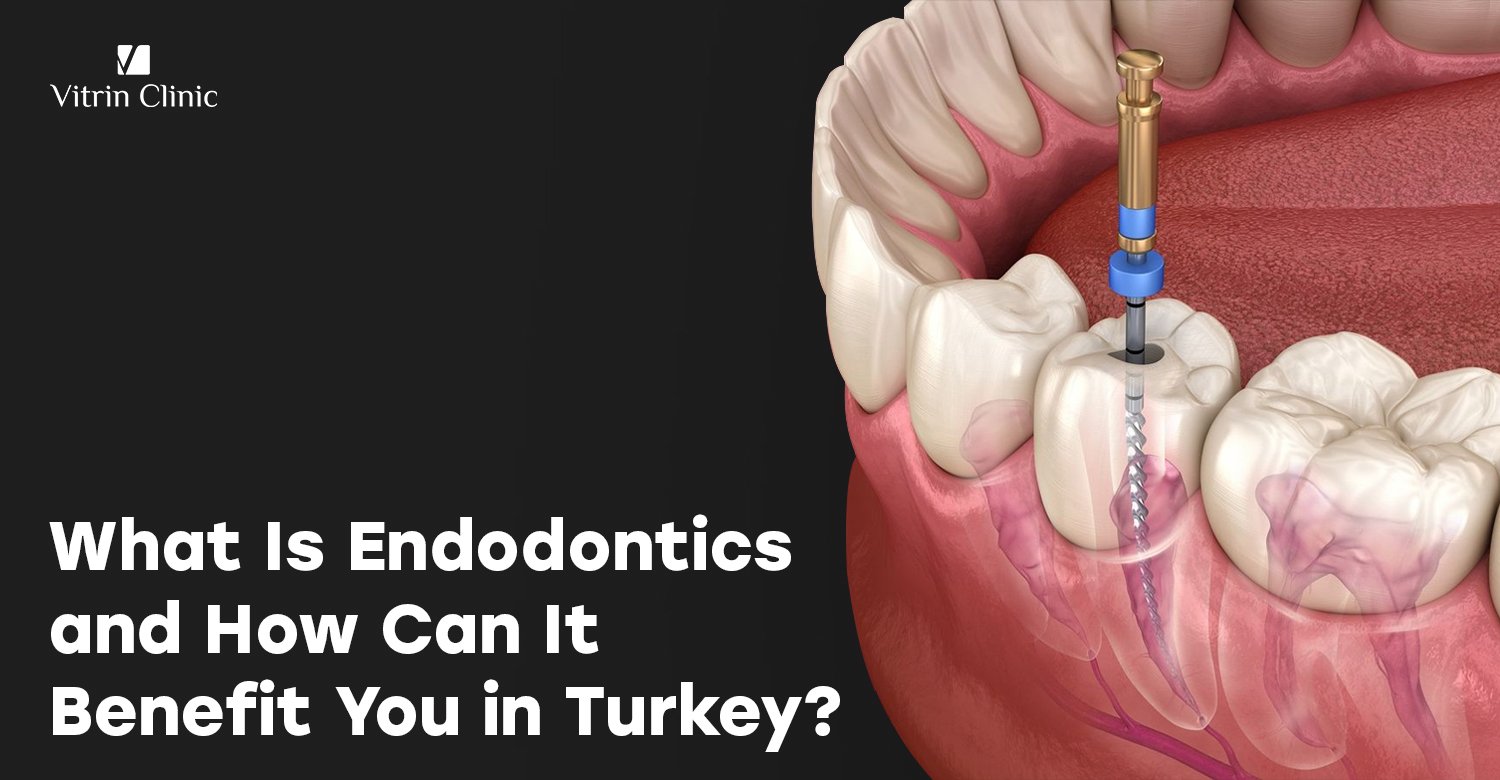
Endodontics is a specialized branch of dentistry that focuses on diagnosing and treating issues within the dental pulp and surrounding tissues. It primarily involves saving teeth that are decayed, infected, or injured, aiming to preserve your natural smile for as long as possible.
The main goals of endodontics are to:
General dentists handle overall oral care, including cleanings and fillings, while endodontists specialize in treatments related to the inside of the tooth, particularly the pulp and root canals. Endodontists receive additional training and use advanced technology for precise treatments.
Endodontic treatment is needed when:
Root canal treatment is the most common endodontic procedure. It removes infected or damaged pulp tissue, disinfects the root canals, and seals the tooth to prevent future issues.
A root canal typically takes 60–90 minutes, and may require one or two visits depending on the complexity and infection level.
With modern anesthesia and techniques, root canals are relatively painless. Most patients report feeling relief after the procedure.
Root canal therapy has a very high success rate, with studies showing success in 85% to 97% of cases when performed by skilled dentists or endodontists. The treatment is designed to remove infection, preserve the natural tooth, and prevent further complications. Success depends on factors such as the tooth’s condition, severity of infection, patient’s oral hygiene, and timely treatment. With proper care and follow-up, a root canal-treated tooth can last a lifetime. Modern techniques, advanced imaging, and improved materials have significantly increased long-term success, making root canal therapy a reliable solution for saving natural teeth.
An endodontist is a dental specialist with advanced training in diagnosing and treating dental pulp issues. They perform procedures like root canals and surgeries with precision.
After dental school, endodontists complete 2–3 years of specialized postgraduate training focused on root canal treatment and related procedures.
Look for:
Common endodontic procedures focus on treating problems inside the tooth, mainly involving the pulp and root canals. The most common is root canal therapy, used to save teeth affected by deep decay or infection. Endodontic retreatment may be done if a tooth fails to heal after the first root canal.
For persistent infection, an apicoectomy (surgical root tip removal) can be performed. Other procedures include pulpotomy and pulpectomy, often used in children’s dentistry. These treatments relieve pain, stop infection from spreading, and preserve natural teeth, making endodontics a vital branch of restorative and emergency dental care.
Retreatment involves redoing a previous root canal that failed due to persistent infection or incomplete sealing. Retreatment in endodontics is a dental procedure performed when a tooth that has previously undergone root canal therapy fails to heal properly or develops new problems.
Over time, issues like persistent infection, new decay, or cracks in the tooth can compromise the earlier treatment. During retreatment, the dentist reopens the tooth, removes the old filling material, cleans the root canals again, and seals them to restore health. This procedure helps save the natural tooth, prevent extraction, and reduce pain or infection risks. Endodontic retreatment is often a second chance to preserve teeth that might otherwise be lost.
Endodontic surgery, such as apicoectomy, is performed when non-surgical treatments are ineffective. It involves accessing the root tip to remove infected tissue.
Apicoectomy is a minor surgical procedure that removes the tip of the root and seals it. It’s recommended when standard root canal treatment doesn’t resolve the issue.
Proper preparation ensures a smooth treatment experience and successful outcome. Preparing for endodontic treatment (root canal therapy) involves a few simple but important steps to ensure comfort and success.
First, eat a light meal before your appointment unless instructed otherwise, as your mouth may feel numb afterward. Take any prescribed medications, such as antibiotics or pain relievers, as directed by your dentist. Avoid alcohol or smoking before treatment, as they can slow healing.
Arrange transportation if you expect sedation. Lastly, discuss any medical conditions, allergies, or concerns with your dentist in advance. Proper preparation helps reduce anxiety, ensures safety, and promotes a smoother recovery after the procedure.
Risks are minimal but may include:
Turkey is known for affordable, high-quality dental care, making it a popular destination for endodontics. The cost of endodontic treatment in Turkey is generally more affordable compared to many European countries and the US, while maintaining high-quality care.
Prices typically range between $100 to $300 per root canal, depending on the tooth, complexity of the case, and the clinic’s location. Major cities like Istanbul and Antalya may have slightly higher rates due to demand and modern facilities.
Despite the lower costs, patients benefit from advanced technology, skilled specialists, and international-standard clinics. This combination of affordability and quality makes Turkey a popular destination for endodontic treatment among both locals and dental tourists.

Insurance coverage for endodontic procedures in Turkey depends on the type of insurance plan you hold. Most local Turkish health insurance policies do not cover advanced dental treatments like root canals, as dentistry is often considered private care.
However, some private or international insurance plans may partially cover endodontic treatments, especially if they are deemed medically necessary to prevent infection or tooth loss. Patients are advised to check directly with their insurance provider and the dental clinic before treatment. Many Turkish clinics, including those serving international patients, also offer affordable packages and flexible payment options.
Yes, many clinics offer dental tourism packages including:
Recent advances in endodontics have transformed root canal therapy into a faster, more precise, and less painful procedure.
Modern rotary instruments and adaptive file systems improve efficiency and reduce treatment time. Digital imaging, like cone-beam CT scans, provides highly detailed views for accurate diagnosis and planning.
Laser-assisted endodontics enhances disinfection, while ultrasonic activation of irrigants ensures thorough cleaning of root canals. Biocompatible materials such as bioceramic sealers improve long-term sealing and healing outcomes.
Additionally, regenerative endodontics now offers possibilities to preserve pulp vitality and encourage natural tissue repair, providing patients with better comfort and more predictable results.
Advancements include:
Like all medical treatments, endodontics comes with some risks, though serious complications are rare. Endodontics, commonly known as root canal treatment, is generally safe, but like any dental procedure, it carries potential risks and complications. Some patients may experience post-treatment pain, swelling, or temporary sensitivity. In rare cases, incomplete cleaning of the canals can lead to infection or the need for retreatment.
There is also a small risk of instrument breakage inside the canal or accidental damage to surrounding tissues. Over time, the treated tooth may become brittle, requiring a crown for protection. Choosing an experienced endodontist and following aftercare instructions significantly reduces these risks and ensures long-term success.
[sc_fs_multi_faq headline-0=”h3″ question-0=”Can Endodontic Treatment Save a Severely Damaged Tooth?” answer-0=”Yes, in many cases. Even teeth with deep decay or trauma can be saved through root canal or surgery.” image-0=”” headline-1=”h3″ question-1=”How Often Do Endodontic Treatments Fail?” answer-1=”Failure rates are low—under 10%. Proper care and skilled treatment reduce the chances even further.” image-1=”” headline-2=”h3″ question-2=”Is It Safe to Get Endodontics During Pregnancy?” answer-2=”Yes, with precautions. Always inform your dentist. Local anesthesia and most procedures are safe.” image-2=”” headline-3=”h3″ question-3=”Can Children Undergo Endodontic Treatment?” answer-3=”Yes, especially pulpotomy or pulpectomy. Pediatric dentists or endodontists typically handle these cases.” image-3=”” headline-4=”h3″ question-4=”How Do I Know If I Need a Root Canal or Tooth Extraction?” answer-4=”Only a dentist can decide. However, saving your natural tooth is often the best option when possible.” image-4=”” headline-5=”h3″ question-5=”How Long Will My Tooth Last After Endodontic Treatment?” answer-5=”With good care, it can last a lifetime. Regular check-ups and oral hygiene are key.” image-5=”” headline-6=”h3″ question-6=”Are There Alternatives to Root Canal Therapy?” answer-6=”Alternatives include: Tooth extraction and replacement Pulp capping (in early stages) Monitoring if no pain is present” image-6=”” headline-7=”h3″ question-7=”Can Endodontics Be Done Without X-Rays?” answer-7=”X-rays are essential for accurate diagnosis and planning. However, modern low-radiation imaging is very safe.” image-7=”” headline-8=”h3″ question-8=”How Do I Care for My Tooth After Endodontic Surgery?” answer-8=”Avoid hard foods Use prescribed mouthwash or antibiotics Follow pain management steps Attend follow-up appointments” image-8=”” headline-9=”h3″ question-9=”Is Endodontic Treatment Covered by Dental Tourism Packages in Turkey?” answer-9=”Many clinics include it in their packages. Always request a full breakdown of costs and inclusions.” image-9=”” count=”10″ html=”true” css_class=””]

O Dr. Faisal Kayali possui mais de 7 anos de experiência clínica e faz parte atualmente da equipe médica da Vitrin Clinic.