General Dentistry
September 25, 2025
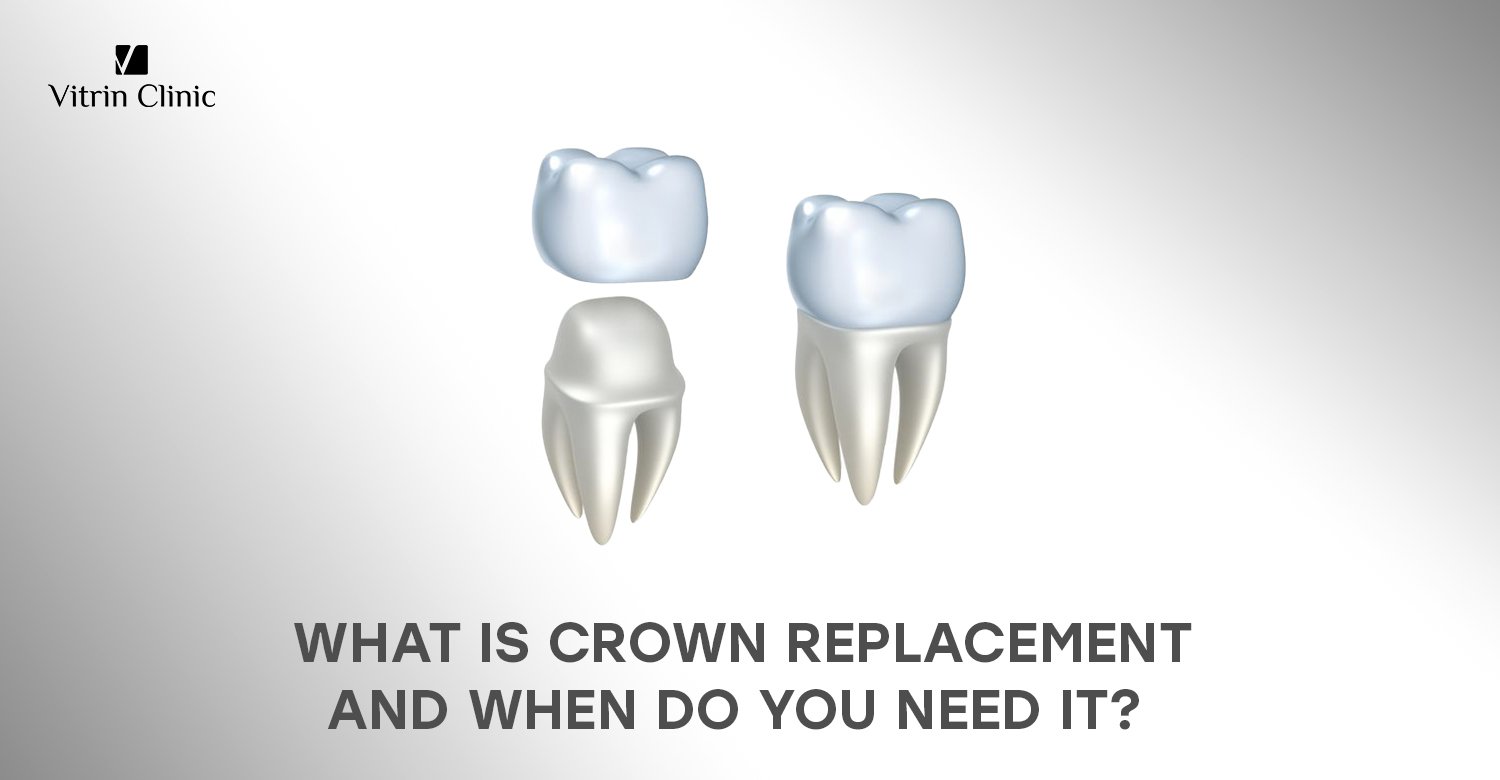
Crown replacement is a dental procedure that involves removing an existing dental crown and replacing it with a new one. This treatment becomes necessary when the original crown has deteriorated, become damaged, or no longer provides adequate protection and function for the underlying tooth structure.
Crowns replacement is generally more complex than initial placement because it involves carefully removing the existing crown while preserving as much healthy tooth structure as possible. The underlying tooth may have changed since the original treatment, requiring additional assessment and preparation.
Key indicators include visible cracks or chips in the crown, persistent pain or sensitivity, crown mobility or looseness, gum recession around the crown margins, discoloration at the crown-tooth junction, and difficulty chewing or biting on the crowned tooth.
Failing crowns can expose the underlying tooth to bacteria, leading to decay, infection, and potential tooth loss. Prompt replacement prevents these complications and maintains proper oral function and aesthetics.
Crown replacement is preferred when damage is extensive, the crown has served its expected lifespan, multiple areas are compromised, the underlying tooth structure has changed significantly, or when repair would only provide a temporary solution.
Various factors can necessitate crown replacement, ranging from structural damage to changes in oral health conditions over time.
Yes, decay can develop at the crown margins where the crown meets the tooth, or underneath if the crown seal has been compromised. This decay often requires crown removal for proper treatment and subsequent replacement with a new crown.
Crown fractures, chips, or cracks can compromise the crown’s structural integrity and protective function. Even small cracks can allow bacteria to penetrate, making replacement necessary to prevent further complications.
Gum recession can expose crown margins, creating aesthetic concerns and bacterial entry points. Poor crown fit can cause bite problems, food impaction, and increased risk of decay, all requiring replacement for optimal oral health.
Healthy gums provide proper support and seal around crown margins. Gum disease can cause recession and inflammation, compromising crown fit and increasing the likelihood of needing replacement sooner than expected.
Aesthetic considerations often motivate crown replacement, especially for visible teeth. Color changes, worn appearance, outdated materials, or changes in smile preferences can all justify crown replacement for improved appearance. A temporary crown protects the prepared tooth and maintains aesthetics while the permanent restoration is fabricated.
The crown replacement procedure involves several carefully orchestrated steps to ensure optimal results and patient comfort.
The dentist conducts a thorough examination including X-rays, visual inspection, and bite analysis. They assess the underlying tooth condition, check for decay or damage, and develop a treatment plan specific to the patient’s needs.
Crown removal involves carefully sectioning or drilling through the old crown, using special instruments to separate it from the tooth, and ensuring minimal damage to the underlying tooth structure during the removal process.
After crown removal, the dentist removes old cement, treats any decay or damage, cleans the tooth surface thoroughly, and reshapes the tooth as needed to accommodate the new crown properly.
Modern techniques include digital scanning for precise measurements or traditional impression materials. The impression captures the prepared tooth, adjacent teeth, and bite relationship to create an accurate new crown.
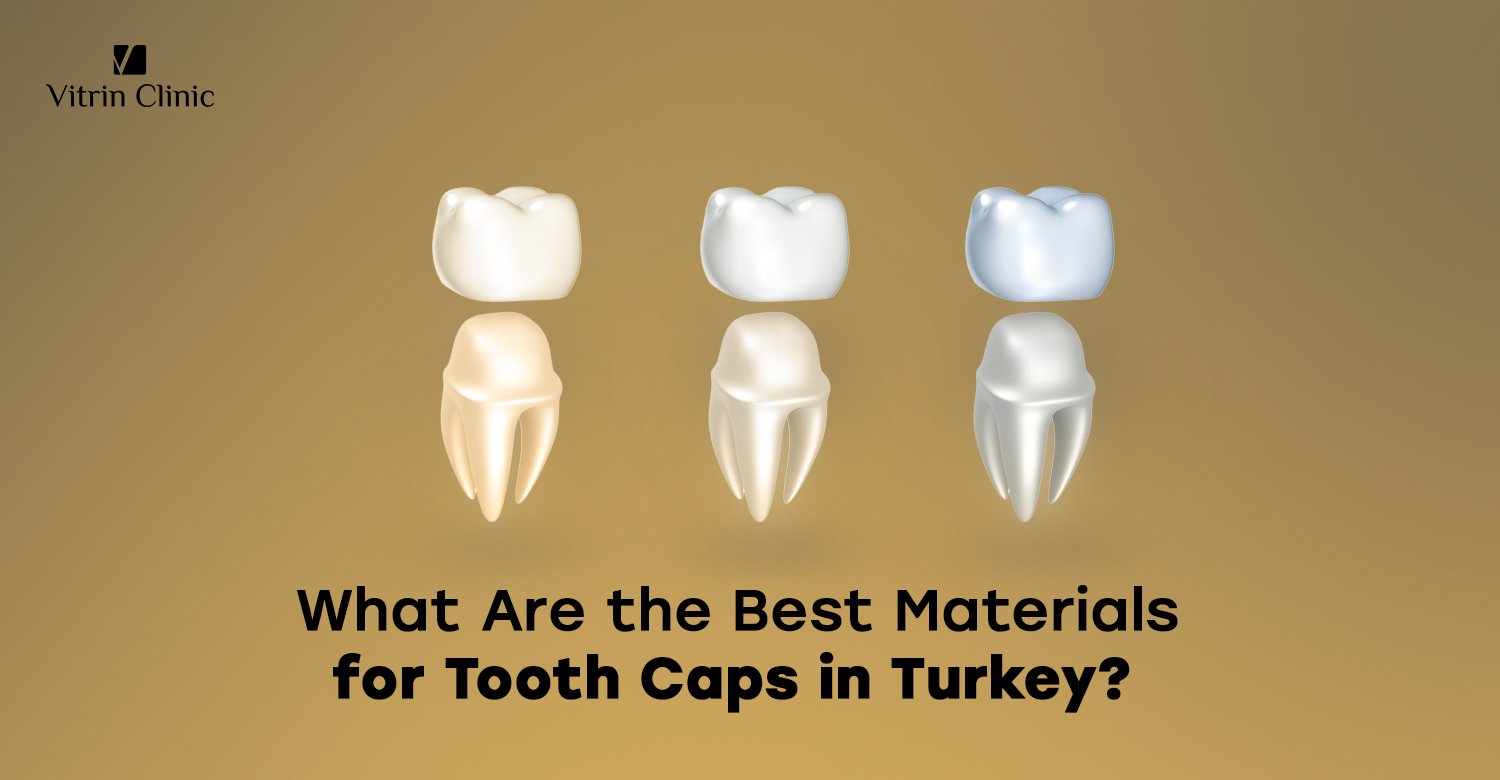
Contemporary crown materials include all-ceramic, porcelain-fused-to-metal, zirconia, and gold options. Material selection depends on the tooth location, aesthetic requirements, bite forces, and patient preferences.
Various crown types offer different advantages for replacement procedures, allowing for customized treatment based on individual needs.
Porcelain crowns offer excellent aesthetics with natural translucency, ceramic crowns provide good strength and appearance, while zirconia crowns deliver superior strength and durability with excellent biocompatibility.
Metal and gold crowns remain viable options, especially for posterior teeth where strength is paramount. They offer exceptional durability and longevity, though aesthetic considerations may limit their use in visible areas.
Same-day crowns offer immediate results and eliminate temporary crown needs, while lab-made crowns provide potentially superior fit and aesthetics through specialized fabrication techniques and multiple quality checks.
Digital impressions offer superior accuracy, patient comfort, immediate results, and better communication with dental laboratories, though traditional molds remain highly effective and widely used.
Crown replacement costs in Turkey offer significant value while maintaining high-quality standards and modern techniques.

Cost factors include crown material, complexity of removal, additional treatments needed, laboratory fees, clinic location, dentist expertise, and whether advanced technology is utilized in the procedure.
Turkey offers crown replacement at 50-70% lower costs than Western countries while maintaining comparable quality standards, making it an attractive option for international dental patients.
Turkey combines affordable pricing, modern dental facilities, experienced practitioners, advanced technology, comprehensive patient services, and the opportunity to combine treatment with tourism. We use cutting-edge technology for all dental restoration , ensuring precise fit and natural aesthetics
Coverage varies by insurance plan and reason for replacement. Replacement due to failure or damage is often covered, while aesthetic replacements may have limited coverage. International patients should verify coverage before treatment.
Understanding the timeline and recovery process helps patients prepare adequately for crown replacement treatment.
Traditional replacement typically requires 2-3 visits: examination and preparation, crown removal and impression, and final placement. Same-day options may complete treatment in a single appointment.
Temporary crowns protect the prepared tooth between appointments, maintaining aesthetics and function while preventing sensitivity and maintaining proper spacing for the permanent crown.
Initial sensitivity, mild discomfort, and adjustment to the new crown are normal. Most patients adapt within days to weeks, with proper care facilitating smooth healing and integration.
Post-replacement care includes gentle oral hygiene, avoiding hard foods initially, using sensitive toothpaste if needed, following dentist instructions, and attending scheduled follow-up appointments.
While crown replacement is generally safe, understanding potential risks helps patients make informed decisions and recognize warning signs. Sometimes, a crown fails due to recurrent decay under the crown , requiring a replacement or root canal
Infection risk is minimal with proper sterile techniques and post-operative care. Signs include persistent pain, swelling, fever, or unusual discharge, requiring immediate dental attention.
Poor fit can cause bite problems, discomfort, food impaction, or crown damage. Adjustments or remake may be necessary to achieve proper fit and function.
Material allergies are rare but can cause gum inflammation, oral irritation, or systemic reactions. Pre-treatment allergy assessment and alternative materials can prevent complications.
Proper patient assessment, allergy screening, sterile technique, appropriate anesthesia, careful crown removal, and post-operative instructions minimize risks and ensure successful outcomes.
The longevity of replacement crowns depends on various factors, with proper care significantly extending their lifespan.
Crown lifespan depends on material quality, oral hygiene, bite forces, grinding habits, underlying tooth health, gum condition, and regular dental maintenance. If you notice a chipped porcelain on your veneer or crown, contact us for a repair or replacement
Excellent oral hygiene prevents gum disease and decay around crown margins, significantly extending crown life. Poor hygiene can lead to complications requiring premature replacement.
Well-maintained crowns typically last 10-15 years or longer. Factors like material choice, location, and individual habits influence replacement timing, with some crowns lasting decades.
Proper maintenance significantly extends crown life and prevents complications requiring additional treatment.
Essential practices include brushing with fluoride toothpaste, daily flossing around crown margins, using antibacterial mouthwash, and maintaining regular oral hygiene routines.
Avoid hard candies, ice chewing, sticky foods, using teeth as tools, and excessive force. Moderation with staining substances helps maintain crown appearance.
Grinding (bruxism) can cause crown fractures, wear, and loosening. Night guards and stress management help protect crowns from excessive forces and extend their lifespan. We help patients decide between implants or bridges based on their long-term oral health goals
Regular checkups allow early detection of problems, professional cleaning around crown margins, bite adjustments if needed, and monitoring of crown condition and surrounding tissues.
[sc_fs_multi_faq headline-0=”h3″ question-0=”How painful is crown replacement?” answer-0=”Crown replacement is typically not painful due to local anesthesia during the procedure. Some mild discomfort or sensitivity may occur afterward, but this usually resolves within a few days and can be managed with over-the-counter pain relievers.” image-0=”” headline-1=”h3″ question-1=”Can crown replacement be done in a single visit?” answer-1=”Yes, many dental clinics now offer same-day crown replacement using CAD/CAM technology, allowing the entire procedure from removal to final placement to be completed in one appointment.” image-1=”” headline-2=”h3″ question-2=”What is the difference between replacing a crown and getting a veneer?” answer-2=”Crown replacement involves removing the entire crown and replacing it with another crown, while veneers only cover the front surface of teeth. Crowns provide full coverage and protection, making them suitable for more extensively damaged teeth.” image-2=”” headline-3=”h3″ question-3=”Is crown replacement suitable for dental implants?” answer-3=”Yes, crowns on dental implants can be replaced when damaged or worn. The replacement process is often simpler since the implant provides a stable foundation, though careful handling is required.” image-3=”” headline-4=”h3″ question-4=”How long do temporary crowns last before final replacement?” answer-4=”Temporary crowns are designed to last 2-3 weeks between appointments. They should not be worn longer than necessary as they may become loose or damaged over time.” image-4=”” headline-5=”h3″ question-5=”Can children or teenagers need crown replacement?” answer-5=”Yes, children and teenagers may need crown replacement if their existing crowns become damaged, outgrown, or if their dental needs change as they mature.” image-5=”” headline-6=”h3″ question-6=”What happens if you delay replacing a damaged crown?” answer-6=”Delaying replacement can lead to further tooth damage, decay, infection, pain, and potentially more extensive treatment needs. Early replacement prevents complications and preserves oral health.” image-6=”” headline-7=”h3″ question-7=”Is sedation used during crown replacement in Turkey?” answer-7=”Sedation options are available in Turkish dental clinics for anxious patients, including nitrous oxide, oral sedation, or IV sedation, depending on patient needs and clinic capabilities.” image-7=”” headline-8=”h3″ question-8=”How do dentists ensure the new crown matches natural teeth?” answer-8=”Dentists use shade guides, digital photography, and careful color matching to ensure new crowns blend seamlessly with natural teeth. Multiple try-ins may be used for optimal aesthetics.” image-8=”” headline-9=”h3″ question-9=”Can you replace a crown without removing the old one?” answer-9=”No, the old crown must be removed to assess the underlying tooth condition, ensure proper fit of the new crown, and prevent complications from layering materials.” image-9=”” count=”10″ html=”true” css_class=””]

O Dr. Faisal Kayali possui mais de 7 anos de experiência clínica e faz parte atualmente da equipe médica da Vitrin Clinic.