Dental Finance
September 30, 2025
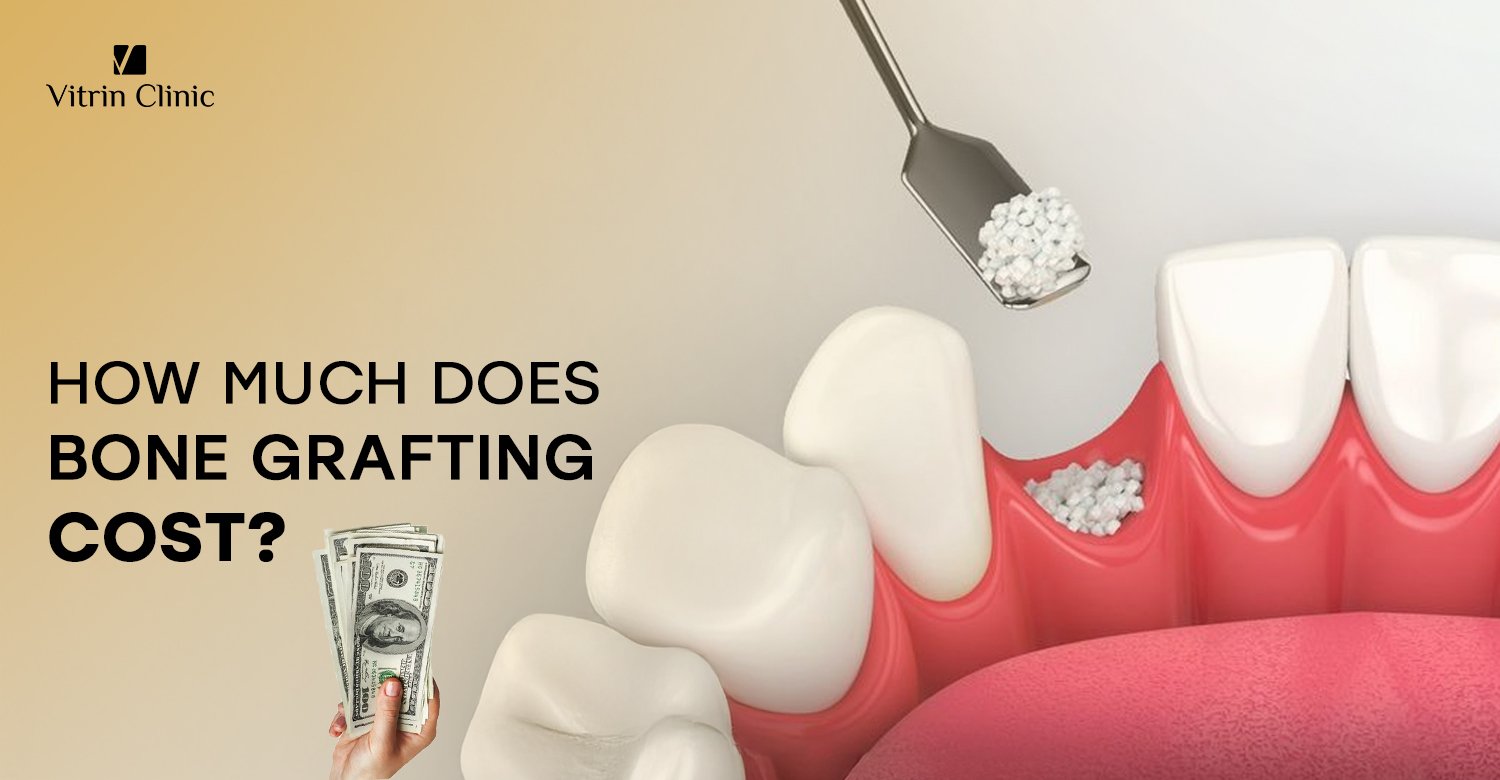
One of the most significant determinants of the bone graft cost is the type of material used. Different materials have different procurement costs, processing requirements, and clinical outcomes, all of which are reflected in the price. The cost of bone grafting is directly tied to this choice, with some materials being significantly more expensive than others.
Autograft materials, taken from your own body (like the chin, jaw, or hip), are often considered the gold standard due to their biological compatibility. The cost of bone grafting with an autograft can be higher because it requires a second surgical site to harvest the bone.
This adds to the complexity and duration of the procedure, increasing the surgeon’s time and the use of the operating room. While the material itself is free, the labor and additional surgical expenses drive up the total dental bone graft cost.
Allografts, which are cadaver bone materials, are a popular alternative. The material is processed and sterilized to be safe for transplantation. The cost of bone grafting with allografts is generally lower than with autografts because there’s no need for a second surgical site.
However, the price is influenced by the processing and sourcing of the material from a bone bank. This makes the cost of bone grafting for teeth more predictable and often more affordable.
Xenograft materials are derived from animal sources, most commonly cow bone. The cost of bone grafting with a xenograft is typically very competitive and often lower than allografts or autografts. The affordability of xenografts is a significant advantage, making them a widely used and accessible option for many patients. The processing of these materials is a key part of their cost.
Synthetic materials are man-made and offer a predictable, sterile option. They come in various forms, such as ceramic-based or polymer-based materials.
The cost of bone grafting with synthetic materials can vary widely depending on the specific product. Some advanced synthetic grafts can be more expensive, but they offer the benefit of not requiring a biological donor. The cost of bone grafting for dental implants can be kept in check with these materials.
Where you have your procedure done plays a huge role in the final bill. The cost of bone grafting in Turkey, for example, is often significantly lower than in many Western countries. This is due to differences in living costs, operational expenses, and the general economic landscape.
Graft failure, infection, or poor integration may require a second procedure. Know more about revision surgeries.
Within Turkey itself, the cost of bone grafting can vary. Major metropolitan areas like Istanbul and Ankara generally have higher prices compared to smaller cities.
This is a common trend globally and reflects the higher overhead and demand in urban centers. When considering the cost of bone grafting in Turkey, it’s wise to compare prices across different regions.
Urban clinics, especially those in prime locations, tend to have higher dental bone graft cost due to increased rent, utilities, and staff salaries. Rural clinics, on the other hand, can offer a more affordable bone grafting cost before dental implants. However, urban clinics often provide access to more specialized surgeons and advanced technology.
Istanbul is a hub for medical tourism and has a high concentration of top-tier dental clinics. The competition can sometimes drive prices down, but the overall cost of bone grafting in Istanbul remains a bit higher than in other Turkish cities due to its status as a global city. This is balanced by the availability of world-class facilities and experienced professionals.
The difficulty and scope of the procedure are primary factors in determining the final cost of bone grafting. A simple graft is far less expensive than a complex, multi-site procedure. This is why a simple bone replacement graft for ridge preservation has a different price point than a full-jaw reconstruction.
When a patient has a severe bone defect, the procedure becomes more complex and time-consuming. This can involve specialized techniques, more extensive use of anesthesia, and a larger amount of graft material. All these factors contribute to a higher cost of bone grafting. The more intricate the surgery, the higher the dental bone grafts pricing.
A sinus lift is a specific type of bone graft performed in the upper jaw to create enough bone height for implants. This is a delicate and specialized procedure that requires significant expertise. The cost of bone grafting for a sinus lift is typically higher than a simple socket preservation because of its complexity and the specialized skills required. The average cost of bone graft for a tooth can significantly increase if a sinus lift is needed. Bone graft healing takes 3–6 months—swelling peaks at day 2, then steady integration begins. Know more about recovery period.
If a patient needs bone grafts in multiple areas of the mouth, the total cost of bone grafting will increase proportionally. Each site adds to the surgeon’s time, the amount of material used, and the overall complexity of the treatment plan. This is a key consideration when planning for multiple dental implants.
Turkey has become a leading destination for medical tourism, particularly for dental procedures. The cost of bone grafting in Turkey is a major draw, offering high-quality treatment at a fraction of the price found in many other countries. To give you a clearer picture, let’s break down the average costs for different types of procedures.
Minor bone grafting for a single tooth or small area typically costs $200–$1,200 per site, depending on the material, procedure complexity, and location. Additional fees for X-rays, anesthesia, or follow-up visits can add $100–$500. Insurance may cover part of the cost if the graft is medically necessary, but cosmetic procedures are usually paid out of pocket.

Socket preservation is a common, minor procedure performed after a tooth extraction to prevent bone loss. This is one of the most affordable options when it comes to bone grafting cost. The price for socket preservation is generally on the lower end, as it’s a straightforward procedure with minimal material use.
Small ridge augmentation procedures are used to restore a localized area of the jawbone. This procedure is also considered minor and has a relatively low cost of bone grafting. It is a common preliminary step for a single dental implant. The average cost of bone graft for tooth replacement in Turkey is very competitive.
Major bone grafting procedures are much more extensive, require more materials, and involve a higher level of surgical skill. These procedures, therefore, have a higher bone grafting cost. A single implant in Turkey includes the fixture, abutment, and crown for $500–800. Know more about total implant cost.
Full jaw bone grafting is a complex and extensive procedure required for patients who have experienced significant bone loss across their entire jaw. This procedure is often a precursor to full-mouth dental implant restoration. The cost of bone grafting for a full jaw is substantial due to the complexity, time, and amount of material required.
An extensive sinus lift, often a bilateral procedure (affecting both sides of the upper jaw), falls into the major category. The cost of bone grafting for this type of procedure is higher due to its complexity and the specialized nature of the surgery. The dental bone graft cost in this case reflects the expertise needed to perform the procedure safely and effectively.
Block bone grafts, which use a solid block of bone, are a highly effective solution for significant bone deficiencies. The cost of bone grafting for a block graft is on the higher end, as it requires specialized harvesting and placement techniques. The dental bone graft cost in 2026for a block graft will likely reflect the advancements in surgical methods and materials.
Turkey’s reputation as a top medical tourism destination is well-earned. The cost of bone grafting in Turkey provides an incredible value proposition without compromising on quality. The dental bone graft cost here is very attractive.
The cost of bone grafting in Turkey is typically 50-70% lower than in Western European countries like Germany, the UK, or France. This difference is a major reason why so many people travel to Turkey for dental care. The bone grafting cost before dental implants is a significant factor in this decision.
When compared to the United States, the price gap is even more significant. The cost of bone grafting in Turkey can be as much as 80% lower than the equivalent procedure in the U.S. This massive difference is what makes a trip to Turkey for dental work a financially sound decision for many Americans. The cost of a dental bone graft in the U.S. can be prohibitive, making Turkey a life-changing option for some.
The affordability of dental bone graft cost in Turkey stems from several factors, including lower operational costs for clinics, a favorable exchange rate, and a competitive market. These factors allow clinics to offer high-quality services at a more accessible price point.
Save 50-70% on world-class dental care compared to Western countries. Know more about prices in Turkey.
While the surgical fee is the largest part of the cost of bone grafting, it’s not the only expense you’ll encounter. A realistic budget must account for all related costs. This is an important part of understanding the total cost of bone grafting.
Before bone graft surgery, patients usually pay for consultations and dental examinations, which can range from $50 to $300 depending on the clinic. Diagnostic imaging, such as X-rays or CT scans, often adds $100 to $500 to evaluate bone quality and plan the graft. Blood tests or medical clearance from a physician may also be required, adding another $50 to $200. These costs are separate from the surgery itself and are rarely included in insurance coverage unless the procedure is medically necessary.
Accurate diagnosis is crucial for a successful bone graft. This includes X-rays and, more commonly, a CT scan. These imaging tests provide the surgeon with a detailed view of your bone structure. The price of these diagnostic tools is usually a separate charge and contributes to the total bone grafting cost.
An initial consultation with the surgeon is a critical step. During this visit, the dentist will assess your case, discuss the treatment plan, and provide a detailed cost of bone grafting estimate. Some clinics include this in the overall package, while others charge a separate fee.
Before any major surgery, blood work and other lab tests may be required to ensure you are healthy enough for the procedure. These tests are essential for safety and are another part of the cost of the bone grafting puzzle.
The expenses don’t stop once the procedure is complete, as proper healing requires careful aftercare. Patients should plan for follow-up visits, medications, and any extra services to prevent complications. Unexpected issues, like infections or delayed healing, can also lead to additional medical fees. These costs vary by clinic, so getting a detailed estimate in advance is essential.
Follow-up appointments are vital for monitoring the healing process and ensuring the graft integrates successfully. While many clinics include these visits in the initial price, some may charge per appointment. Depending on the clinic and location, fees can range from small consultation charges to more expensive imaging costs if X-rays or CT scans are required. Clarifying these costs beforehand helps avoid financial surprises.
Patients are typically prescribed antibiotics to prevent infection and pain relievers to manage discomfort. These medications are usually affordable but should still be factored into the overall budget. Costs depend on the type and duration of the prescription, with stronger or longer treatments potentially increasing the expense. Some clinics may include basic medications in their treatment packages, so it’s worth asking.
If a bone graft fails or does not integrate properly, a revision surgery may be necessary to repair or replace the graft. These secondary procedures are generally more complex and costly than the initial surgery. Depending on the severity, a revision can cost anywhere from several hundred to several thousand dollars. Patients should ask whether the clinic offers partial coverage or discounts for such cases. Autograft, allograft, xenograft, or synthetic—each has unique benefits for rebuilding bone. Know more about type of graft material.
For international patients, travel and lodging are significant expenses that can easily exceed medical costs. Airfare, hotel stays, and daily meals should all be factored into the total budget. Prices can vary depending on the season and the length of stay, so booking early and comparing options can help save money. Some clinics provide discounted travel packages to ease the financial burden.
Hotel costs depend on the complexity of the procedure and the required recovery period before flying home. Patients may need to stay several days to weeks for follow-up care, so budgeting for a comfortable and hygienic hotel is essential. Clinics often partner with nearby hotels to provide discounted rates, which can significantly reduce overall expenses. Choosing accommodation close to the clinic can also lower transportation costs.
Transportation expenses include taxis, ride-shares, or public transit to and from the clinic, hotel, and airport. These daily costs can add up quickly, especially for patients requiring multiple follow-up visits. To save money, some patients opt for public transportation or clinic-arranged transfers. Planning your routes in advance helps avoid unnecessary travel costs.
Many reputable clinics, including Vitrin Clinic, provide complimentary airport transfers and local transport as part of their service package. This can significantly reduce travel-related stress and expenses during treatment. If not included, private transfers or taxis may cost extra depending on distance and city traffic. Confirming these details with the clinic before traveling ensures accurate budgeting.
Insurance can significantly reduce the overall cost of a bone graft, but understanding your policy is essential. Some plans cover only medically necessary procedures, while others exclude dental bone grafts entirely. Checking your benefits and obtaining pre-authorization helps prevent unexpected bills. Patients should always ask for a written cost estimate before treatment.
Coverage depends on whether the procedure is considered dental, medical, or cosmetic. Dental insurance may pay for grafts needed for implants or gum disease, while medical insurance might only cover grafts related to trauma or illness. Cosmetic bone grafting, such as for aesthetic ridge enhancement, is rarely covered. Reading the fine print of your policy is critical before scheduling surgery.
This amount depends on your deductible, co-insurance, and any annual limits on your policy. The dental bone grafts pricing after insurance can still be significant, so it’s important to get a clear estimate from your provider.
Many insurance plans will not cover bone grafts if they are purely for cosmetic purposes or if they are considered “elective.” This is why it’s so important to understand the reasons for your bone replacement graft for ridge preservation and its relationship to your treatment plan.
One way to reduce costs is to choose a clinic that offers competitive pricing. The cost of bone grafting in a place like Vitrin Clinic is a great starting point for minimizing expenses. Also, discussing a payment plan can help.
Even with insurance, patients typically pay for deductibles, co-pays, or services not included in their policy. Expenses may include pre-surgical tests, additional medications, or follow-up imaging. Currency exchange rates and international transfer fees can also affect total spending for overseas treatments. Planning for these costs prevents unexpected financial strain.
The amount depends on policy details such as deductibles, annual maximums, and co-insurance percentages. Some patients may still pay several hundred to a few thousand dollars after insurance reimbursement. Asking your clinic for a detailed treatment plan and insurance-friendly billing codes can help you estimate final costs.
Procedures done for purely cosmetic reasons, such as aesthetic ridge preservation, are rarely covered. Travel, hotel stays, and non-medical aftercare are also not included. Patients should review exclusions carefully and discuss all potential fees with both their insurer and clinic before committing to surgery.
Choosing a clinic with transparent pricing and package deals can reduce unexpected costs. Patients can also ask about payment plans or discounts for upfront payments. Submitting all required documents to the insurance company promptly can speed up reimbursements and prevent denied claims.
Paying for a bone graft doesn’t always mean covering the full amount upfront. Many clinics provide financing plans, credit card payments, or medical loans to make treatment more accessible. Some even accept international payment methods for medical tourists. Asking about all available options ensures you can choose the plan that fits your budget best.
Payment plans let patients divide the total cost into manageable monthly installments instead of paying in one lump sum. These plans often come with flexible timelines, allowing payments over several months or even a year. Clinics may require a small deposit before the procedure begins. Always review terms carefully to avoid hidden fees or penalties.
Vitrin Clinic offers customized financing solutions to help patients manage their bone grafting expenses. They provide flexible monthly plans designed to fit different budgets and treatment needs. Some plans may include interest-free promotional periods for quicker repayment. Patients are encouraged to request a full cost breakdown before choosing a plan.
With a monthly installment plan, you pay a fixed portion of the total bone graft cost each month until the balance is cleared. Payments are scheduled in advance, making it easier to track and plan your finances. Clinics may offer both short-term and extended payment periods depending on the procedure. Setting up automatic payments can also simplify the process.
Interest rates depend on the financing company, loan type, and repayment length. Some clinics partner with lenders that provide 0% interest for a limited time if payments are made on schedule. After the promotional period, standard interest rates may apply. Patients should ask for a full disclosure of fees to avoid unexpected charges.
Medical tourism packages combine treatment with travel services, making the entire experience more convenient and cost-effective. These packages often include airport transfers, hotel stays, and even local support staff. For patients traveling to Turkey, such bundles reduce stress and simplify budgeting. They can also provide significant savings compared to booking each service separately.
Bundling surgery, lodging, and transportation often results in lower overall costs than booking each service separately. Savings can range from a few hundred to several thousand dollars, depending on the procedure’s complexity and travel distance. Clinics that negotiate with local hotels and service providers can pass these discounts directly to patients. Comparing package options helps maximize value.
Requesting a detailed written quote from the clinic is the best way to avoid unexpected charges. A clear estimate should outline every part of the procedure, from the graft material to follow-up visits. Patients should provide full medical details to help the clinic calculate the most precise price. Transparency is key to understanding the true cost of bone grafting.
To generate an accurate quote, clinics need details about your dental history, treatment goals, and any prior surgeries. They may also request current X-rays or CT scans to assess bone quality and determine the amount of grafting required. The more information provided, the more precise the estimate will be. Accurate data prevents cost changes later.
Your medical history and imaging results reveal the extent of bone loss, infection risks, or structural complications. Complex cases may require larger grafts, special materials, or additional procedures, which increase the overall cost. X-rays or scans help the clinic create a treatment plan tailored to your condition. Without these assessments, pricing can only be approximate.
A detailed treatment plan specifies the graft type, number of appointments, and any supporting procedures. This plan is the foundation for a final cost estimate and ensures there are no surprises. It also allows the clinic to explain each step and justify every charge. A well-prepared plan gives patients confidence in their budget.
Each patient’s case is unique, and factors such as the number of teeth needing grafts or the severity of bone loss directly affect pricing. Special grafting materials or advanced surgical techniques may add to the total. Even lifestyle habits, like smoking, can influence healing and costs. Personalization ensures fair and accurate pricing.
Patients should ask about every potential expense, including pre-op tests, post-op medications, and follow-up visits. Clarify whether revisions, if needed, are included in the quote. It’s also wise to ask about payment methods, financing plans, or package deals. A trustworthy clinic will welcome these questions and provide full answers.
Request a written breakdown of all fees before treatment begins, including imaging, anesthesia, medications, and aftercare. Ask specifically about charges for complications or emergency revisions. If anything seems unclear, get it clarified in writing. A reputable clinic will never hesitate to disclose full pricing.
Some clinics provide warranties that cover revisions if the graft fails within a set period. While this may slightly increase the initial price, it can save significant costs in the future. Guarantees add financial protection and peace of mind for patients. Always ask for details and the length of coverage.
When comparing quotes, ensure each clinic includes the same services, materials, and follow-up care in their estimate. A cheaper quote may exclude key elements like post-op visits or imaging tests. Always compare “like for like” to avoid hidden expenses. Checking reviews and success rates can also guide your decision.
The upfront price of bone grafting is only part of the financial picture. Long-term value depends on the success of the procedure, the quality of materials, and the skill of the surgeon. A well-done graft can prevent future dental issues, saving money over time. Patients should plan for maintenance and potential follow-ups to protect their investment.
A high success rate means fewer complications and no need for expensive revisions. Choosing a clinic with a strong track record reduces the risk of paying for additional surgeries. Successful grafts also shorten the timeline for dental implants or restorations. This makes the initial cost more cost-effective over the years.
If a graft fails, patients may face the cost of a second surgery, extended healing time, and delayed dental work. This can double or even triple overall expenses. Additional imaging, medications, and follow-up visits also add to the bill. Preventing failure through proper care and surgeon selection is the best way to avoid these costs.
Revision procedures can cost as much as, or even more than, the original graft. This is because failed grafts often require more complex techniques and additional materials. Patients should budget for the possibility of revisions, even if the risk is low. Investing in an experienced surgeon reduces the likelihood of this extra expense.
Skipping a bone graft may lead to options like removable dentures, which require ongoing adjustments, relining, or replacement. Over time, these costs can exceed the price of a successful graft. Alternatives may also compromise function and appearance, affecting long-term satisfaction. A bone graft is often the more economical choice for lasting oral health.
High-quality graft materials and advanced techniques provide stronger, more reliable results. While premium materials may cost more initially, they reduce the risk of complications. Better quality also supports faster healing and improved implant stability. This makes the procedure a one-time investment rather than a recurring expense.
Experienced surgeons have higher success rates and can anticipate complications before they occur. Their expertise lowers the likelihood of graft failure and the need for costly revisions. Paying slightly more upfront for skill can save thousands in the long run. It also ensures better overall outcomes and peace of mind.
Premium bone graft materials promote stronger integration and longer-lasting results. They reduce the chances of infection or rejection, helping patients avoid additional treatments. Although they increase the initial cost, they often mean fewer follow-ups and greater stability. Quality materials are an investment in both health and finances.
Low-cost clinics may use inferior materials or less experienced surgeons, increasing the risk of complications. If the graft fails, patients may spend more on corrective procedures than they would have with a reputable clinic. Hidden expenses like extra appointments, emergency care, or travel can quickly add up. Choosing quality over price protects both your smile and your budget.
At Vitrin Clinic, we believe everyone deserves access to high-quality dental care. Understanding the cost of bone grafting is the first step toward restoring your smile. Our team is dedicated to providing transparent, comprehensive, and affordable dental solutions, ensuring you receive the best care without any hidden surprises. For a clearer picture of your specific needs and the exact cost of a dental bone graft, we invite you to take the next step.
Visit Vitrin Clinic for a Free Consultation today and let us help you on your journey to a healthier, happier smile.
[sc_fs_multi_faq headline-0=”h3″ question-0=”What is the cheapest bone grafting option available?” answer-0=”Synthetic grafts or small minor grafts are usually the least expensive, starting around $200–$400 per site.” image-0=”” headline-1=”h3″ question-1=”How much does bone grafting cost without insurance?” answer-1=”Without insurance, costs typically range from $200 to $3,000 per site, depending on size and materials” image-1=”” headline-2=”h3″ question-2=”Can I get a payment plan for my bone grafting procedure?” answer-2=”Yes, many clinics offer monthly installment plans or medical financing to spread out payments.” image-2=”” headline-3=”h3″ question-3=”What factors make bone grafting more expensive?” answer-3=”Large graft areas, premium materials, complex surgical techniques, and surgeon experience all raise costs.” image-3=”” headline-4=”h3″ question-4=”How much should I budget for bone grafting in Turkey?” answer-4=”Expect $300–$1,500 per site, with packages including travel and lodging starting around $2,000.” image-4=”” headline-5=”h3″ question-5=”Are there any hidden costs in bone grafting procedures?” answer-5=”Possible extras include X-rays, consultations, medications, and follow-up visits if not in the package.” image-5=”” headline-6=”h3″ question-6=”What is included in the bone grafting cost quote?” answer-6=”Typically the surgery, graft materials, anesthesia, and basic follow-ups, but always confirm details” image-6=”” headline-7=”h3″ question-7=”How do I know if the bone grafting cost is reasonable?” answer-7=”Compare multiple clinic quotes, materials used, and surgeon credentials to ensure fair pricing.” image-7=”” headline-8=”h3″ question-8=”Can I negotiate the price of bone grafting?” answer-8=”Some clinics allow price matching or package discounts, especially for medical tourism.” image-8=”” headline-9=”h3″ question-9=”What happens if I need additional procedures after bone grafting?” answer-9=”Revision surgery may add hundreds to thousands in extra costs depending on complexity.” image-9=”” headline-10=”h3″ question-10=”How much does emergency bone grafting cost?” answer-10=”Emergency cases can be higher, often $1,000–$3,500, due to urgency and extra care.” image-10=”” headline-11=”h3″ question-11=”What are the costs of different bone graft materials?” answer-11=”Synthetic grafts are cheapest; allografts (donor bone) cost more, while autografts (your own bone) are highest due to extra surgery.” image-11=”” headline-12=”h3″ question-12=”How does the surgeon’s experience affect the cost?” answer-12=”Highly skilled surgeons often charge more but provide better success rates and fewer revisions.” image-12=”” headline-13=”h3″ question-13=”What additional fees should I expect?” answer-13=”Possible fees include blood tests, sedation, antibiotics, and imaging.” image-13=”” headline-14=”h3″ question-14=”How much does bone grafting cost for multiple teeth?” answer-14=”Multiple sites can cost $1,000–$5,000 total, depending on the number of grafts.” image-14=”” headline-15=”h3″ question-15=”Can I use health savings account funds for bone grafting?” answer-15=”Yes, HSA and FSA funds usually cover medically necessary grafting.” image-15=”” headline-16=”h3″ question-16=”What is the cost difference between immediate and delayed bone grafting?” answer-16=”Immediate grafting is slightly cheaper since it avoids a second surgery.” image-16=”” headline-17=”h3″ question-17=”How much does bone grafting cost for dental implant preparation?” answer-17=”Typically $600–$1,200 per site, depending on the implant plan.” image-17=”” headline-18=”h3″ question-18=”What are the costs of complications after bone grafting?” answer-18=”Treating infections or failures can add $200–$3,000 for medications or revision surgery.” image-18=”” headline-19=”h3″ question-19=”How can I reduce my bone grafting expenses?” answer-19=”Choose clinics with package deals, payment plans, or consider medical tourism in countries like Turkey.” image-19=”” count=”20″ html=”true” css_class=””]

O Dr. Faisal Kayali possui mais de 7 anos de experiência clínica e faz parte atualmente da equipe médica da Vitrin Clinic.