General Dentistry
September 10, 2025
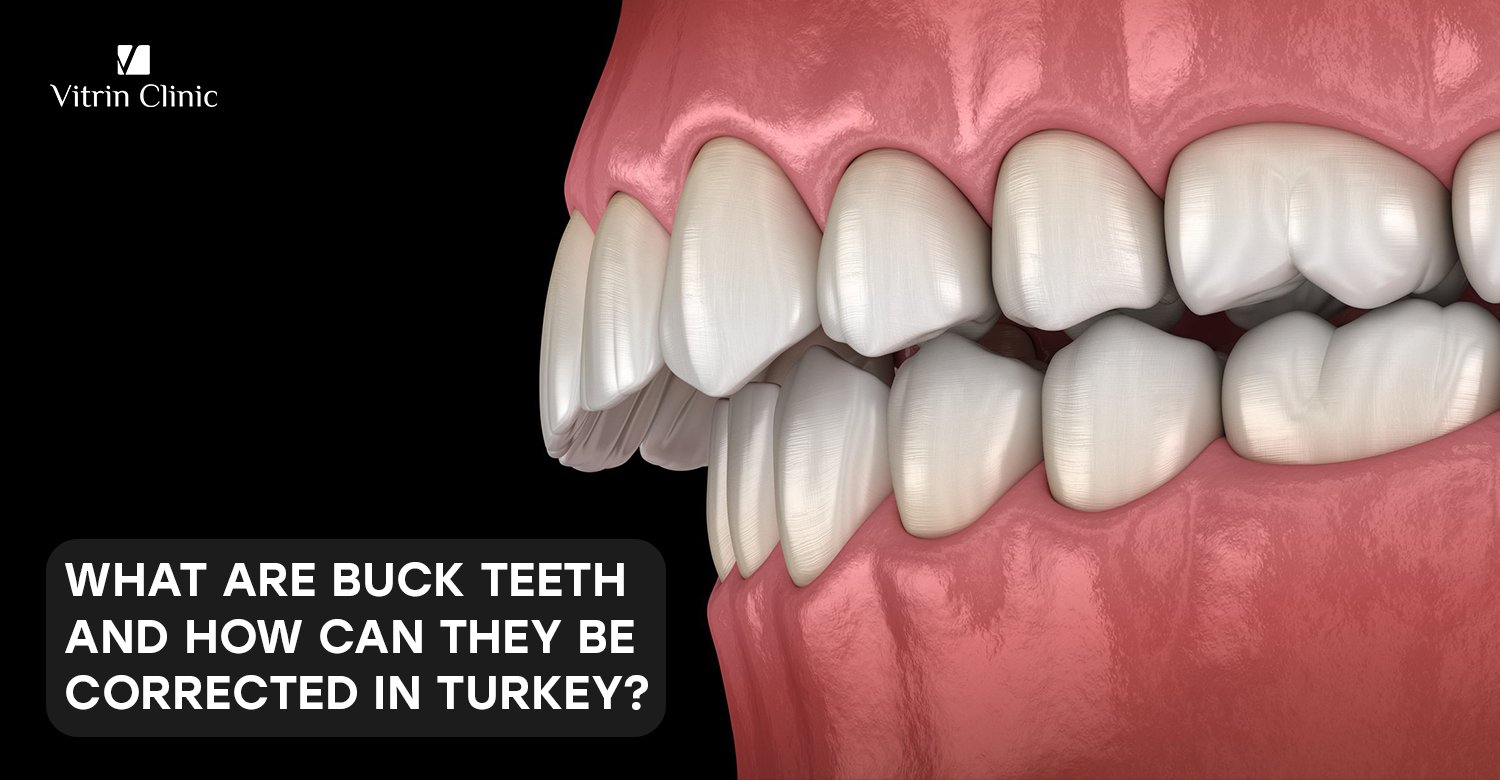
Buck teeth, medically known as overjet or protruding teeth, refer to a dental condition where the upper front teeth extend significantly beyond the lower teeth. This misalignment affects smile aesthetics, speech, chewing, and overall oral health. Understanding their development, causes, symptoms, and treatment options is crucial for effective correction.
Genetics
Jaw Size Discrepancy
Thumb Sucking or Pacifier Use
Tongue Thrusting
Dental Issues
Mouth Breathing
While protrusion mainly involves the upper front teeth, alignment of lower teeth also impacts the bite and the appearance of buck teeth.
Yes, habits such as thumb sucking, tongue thrusting, prolonged pacifier use, and mouth breathing during childhood can contribute significantly to buck teeth formation.
Yes, buck teeth (also known as overjet) can be hereditary, as genetics play a major role in determining jaw size, tooth alignment, and bite structure.
If one or both parents have buck teeth or other dental irregularities, their children may inherit similar traits. However, genetics is not the only factor—habits such as thumb sucking, tongue thrusting, or prolonged pacifier use during childhood can also contribute to the condition.
Early orthodontic evaluation helps identify whether buck teeth are due to hereditary factors or habits, allowing for timely treatment with braces or other dental interventions to prevent complications later in life.
Your genes influence the size and shape of your jawbones. For example, if you inherit a larger upper jaw or a smaller lower jaw, it can cause the upper teeth to stick out more.
Genetics also affect how big your teeth are and how they fit together. Misalignment or crowding that leads to buck teeth often runs in families.
The way your upper and lower teeth meet (your bite) is largely inherited, and certain bite types can cause or contribute to buck teeth.
But It’s Not Just Genetics:
Genetic factors play a major role; genes affecting jaw size, tooth size, and growth patterns can increase susceptibility.
Having parents with malocclusion often predicts a higher chance and possibly more severe types of buck teeth in children.
Prominent upper teeth, difficulty biting, speech issues like lisping, excessive wear or chipping of teeth, and jaw discomfort are typical symptoms.
Buck teeth may cause challenges in pronouncing certain sounds and difficulties in biting and chewing food properly.
Buck teeth are often noticeable when children’s permanent teeth emerge, usually around ages 6 to 12, but can be identified earlier in some cases.
Yes, genetics plays a major role in the development of buck teeth. Traits such as jaw size, shape, and teeth alignment are often inherited from parents, making some individuals naturally predisposed to this condition.
Genetics is a common cause, with a significant percentage of cases linked to parental inheritance.
Both sexes are equally affected by genetic predisposition to buck teeth.
Forward Pressure on Upper Front Teeth
Alters Jaw and Palate Shape
Lower Jaw Position Changes
Open Bite Development
Stopping by age 3 is ideal to minimize dental malformations.
Prolonged pacifier use beyond age 2 may contribute to buck teeth development.
Yes, chronic mouth breathing affects jaw and dental development, increasing the likelihood of protruding teeth.
Imbalances in the size or shape of the upper and lower jaws can create misalignment resulting in buck teeth.
Neglecting early dental care and untreated dental issues can exacerbate buck teeth and related problems.
Buck teeth are diagnosed through a dental or orthodontic evaluation that includes:
This thorough diagnosis helps determine the severity of buck teeth and guides appropriate treatment planning.
Clinical examination, dental impressions, and bite analysis are common diagnostic tools.
Yes, an X-ray is often needed to diagnose buck teeth accurately. It helps dentists see the position of the teeth and jaw structure, allowing for a precise treatment plan.
Cephalometric and panoramic X-rays provide detailed views of jaw and tooth alignment.
Modern X-ray techniques use minimal radiation and are safe with appropriate precautions.
Regular Check-Ups
Monitoring Jaw and Tooth Growth
Assessing Oral Habits
Early Orthodontic Evaluation
Using Diagnostic Tools
They may use X-rays, photos, and other diagnostic methods to evaluate bone and tooth structure
Signs include prominent front teeth, mouth breathing, and speech difficulties.
Routine dental visits every six months facilitate early detection.
Severity is assessed by measuring overjet distance, jaw relationship, and functional impact.
1. Orthodontic Braces
2. Clear Aligners (e.g., Invisalign)
3. Growth Modification Appliances
4. Dental Veneers or Crowns
5. Tooth Extraction
6. Orthognathic Surgery
7. Habit-Breaking Appliances
Yes, braces gradually realign teeth and jaws to correct buck teeth.
Treatment duration typically ranges from 12 to 36 months based on severity.
Metal braces are more durable and cost-effective; ceramic braces offer a more aesthetic, less visible option.
Clear aligners are removable, discreet devices ideal for mild to moderate buck teeth cases.
Jaw surgery is not always necessary for buck teeth many cases can be treated with braces or other orthodontics.
But for severe cases with jaw bone issues, it’s often the best or only option for a lasting fix.
A thorough evaluation by an orthodontist and oral surgeon will determine if surgery is needed.
Surgical risks include infection, swelling, pain, and temporary numbness.
Recovery usually takes several weeks with gradual resumption of normal activities.
Cosmetic dentistry doesn’t fix jaw misalignment or severe bite problems causing buck teeth.
For functional issues or significant protrusion, orthodontic treatment (braces or aligners) or surgery may still be necessary.
Cosmetic treatments are often used after orthodontic treatment to perfect the smile.
Veneers improve appearance but do not correct underlying jaw or bite issues.
Yes, whitening enhances smile aesthetics alongside correction treatment.
Retainers maintain teeth position post-treatment to prevent relapse.
In Turkey, buck teeth treatments at Vitrin Clinic:

Turkey offers high-quality, affordable orthodontics, often 50-70% cheaper than Western countries.
Insurance coverage varies; many cosmetic treatments are out-of-pocket expenses.
Surgery costs considerably more; braces and aligners are more budget-friendly options.
Many clinics provide payment plans and financing to ease treatment affordability.
Encourage kids to stop thumb sucking or pacifier use by age 3–4 to avoid pushing teeth forward.
Correct habits like tongue thrusting or mouth breathing, which can affect tooth and jaw development.
Take your child to a pediatric dentist by age 1, and follow up regularly to catch any early signs of misalignment.
Get an orthodontic evaluation by age 7. Early treatment can guide jaw growth and prevent severe buck teeth.
Managing chronic nasal congestion helps prevent mouth breathing, which impacts jaw development.
If buck teeth run in the family, early monitoring and preventive care are even more important.
Early orthodontic evaluations can detect and prevent worsening of buck teeth.
Recommended by age 7 for timely intervention.
Yes, it can simplify and shorten future treatment.
Positive Reinforcement
Identify Triggers
Gentle Reminders
Limit Pacifier Use
Use Habit-Breaking Tools
Professional Help
Positive reinforcement, habit-breaking appliances, and counseling aid cessation.
Yes, gentle encouragement and rewards improve success rates.
Consistent dental exams catch early problems and guide preventive care.
Mouth guards protect teeth during sports but don’t correct buck teeth.
Increased Risk of Tooth Injury
Difficulty Biting and Chewing
Speech Problems
Jaw Pain or TMJ Disorders
Gum and Tooth Wear
Low Self-Esteem or Social Anxiety
Misaligned teeth can trap plaque causing gum inflammation.
Yes, improper bite can wear down teeth unevenly.
Dental appearance impacts confidence and social interactions.
Severe malocclusion may cause jaw pain, headaches, and TMJ disorders.
[sc_fs_multi_faq headline-0=”h3″ question-0=”What age is ideal to start buck teeth treatment?” answer-0=”The American Association of Orthodontists recommends the first orthodontic checkup at age 7. Early assessment allows interceptive treatments to guide jaw growth and tooth alignment, which can reduce severity and shorten future treatment.” image-0=”” headline-1=”h3″ question-1=”Can adults fix buck teeth without surgery?” answer-1=”Yes, many adults with mild to moderate buck teeth can be corrected with orthodontic treatments such as braces or clear aligners. However, severe jaw imbalances may require orthognathic surgery combined with orthodontics” image-1=”” headline-2=”h3″ question-2=”How long does it take for braces to correct buck teeth?” answer-2=”Treatment typically ranges from 12 to 24 months depending on the severity of the case and patient compliance. Regular orthodontic adjustments ensure effective realignment within this period” image-2=”” headline-3=”h3″ question-3=”Are there non-surgical options for severe buck teeth?” answer-3=”For very severe cases, surgery is often the most effective solution. Still, non-surgical orthodontics combined with orofacial myofunction therapy can improve mild to moderate protrusions and manage functional habits” image-3=”” headline-4=”h3″ question-4=”Can buck teeth correct naturally with growth?” answer-4=”Natural correction is unlikely once permanent teeth and jaw bones develop. Early intervention during the mixed dentition phase has the best chance to guide growth and reduce protrusion” image-4=”” headline-5=”h3″ question-5=”Is there a risk of relapse after treatment?” answer-5=”Without proper retention such as wearing retainers as advised, teeth can shift back post-treatment. Lifetime retention is often recommended to preserve results.” image-5=”” headline-6=”h3″ question-6=”Do buck teeth cause headaches or jaw pain?” answer-6=”Yes, uneven bite and jaw strain from buck teeth misalignment can cause temporomandibular joint (TMJ) disorders, leading to headaches and jaw discomfort.” image-6=”” headline-7=”h3″ question-7=”Can orthodontic treatment in Turkey be done quickly?” answer-7=”Turkey offers efficient orthodontic treatment with many clinics using advanced technology and experienced orthodontists to deliver timely care, sometimes reducing treatment time slightly compared to other countries” image-7=”” headline-8=”h3″ question-8=”What foods should be avoided during braces treatment?” answer-8=”Avoid hard, sticky, chewy, and very crunchy foods that can damage braces or cause brackets to loosen. Examples include gum, caramel, nuts, popcorn, and hard candies” image-8=”” headline-9=”h3″ question-9=”How to choose the right dentist or orthodontist for buck teeth?” answer-9=”Check qualifications, certifications, patient reviews, before-and-after pictures, and ensure the clinic uses modern equipment. Consultations help assess experience and comfort with the orthodontist’s approach” image-9=”” count=”10″ html=”true” css_class=””]

O Dr. Faisal Kayali possui mais de 7 anos de experiência clínica e faz parte atualmente da equipe médica da Vitrin Clinic.