General Dentistry
September 15, 2025
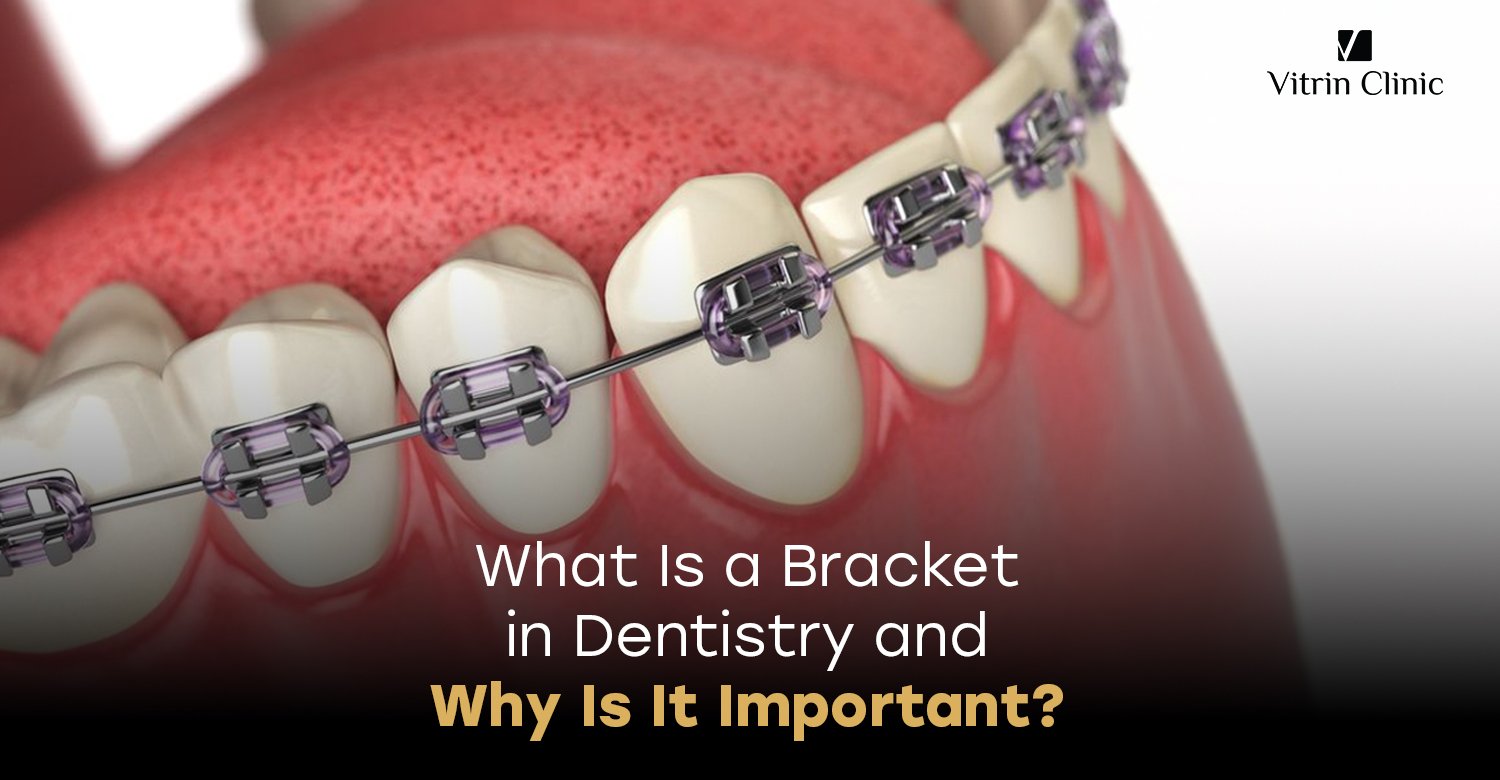
Brackets are small orthodontic devices used to straighten teeth and correct misaligned bites. These essential components of braces help apply continuous pressure over time, guiding teeth into better positions. Understanding how brackets work, their types, benefits, and treatment processes especially in countries like Turkey where dental tourism is popular can help patients make informed decisions for their oral health and aesthetics.
Dental brackets are square-shaped attachments that are bonded directly onto each tooth. They serve as anchors that hold the orthodontic wire in place and transmit the force needed to move the teeth gradually. Brackets are a critical part of traditional braces and work in coordination with wires and elastic bands.
Brackets are attached using a dental adhesive. The surface of the tooth is first cleaned and conditioned, then the bracket is carefully positioned and bonded with a special glue. Once all brackets are in place, the archwire is threaded through and secured with elastic or metal ligatures.
Brackets are made from various materials, each offering different aesthetics and durability:
Metal brackets are known for their strength and durability. They’re typically smaller and more affordable but more noticeable. Ceramic brackets blend better with natural teeth and are more discreet, but they can be more brittle and slightly more expensive.
Sapphire brackets are made from monocrystalline clear sapphire, making them nearly invisible against the tooth. They offer excellent transparency, stain resistance, and are ideal for patients who prioritize a natural look during treatment.
Brackets guide the arch wire, which is tightened to exert constant pressure on the teeth. This pressure stimulates bone remodeling, allowing the teeth to shift into new positions over time. Adjustments are made regularly to maintain the right amount of pressure as alignment progresses.
There are several bracket types designed to meet varying needs in terms of comfort, aesthetics, and treatment time.
Traditional metal brackets are the most commonly used. They are durable, efficient, and suitable for all types of orthodontic cases. Though more visible, modern versions are smaller and more comfortable than older models.
Ceramic brackets are popular due to their discreet appearance. They blend in with tooth color and are favored by adults or teens who want a less noticeable orthodontic treatment. They function similarly to metal brackets but require more care to avoid breakage.
Self-ligating brackets have a built-in mechanism that holds the archwire in place, eliminating the need for elastic ties. This allows for quicker adjustments and potentially shorter treatment times.
They create less friction between the bracket and the wire, allowing teeth to move more freely and efficiently. This can result in fewer appointments and a shorter overall treatment period.
Yes, they are generally more comfortable as they apply gentler pressure and reduce friction, which can lessen discomfort during adjustments.
Lingual brackets are placed on the inner side of the teeth, making them completely invisible from the front. They are ideal for patients who want a hidden orthodontic solution. However, they can take time to get used to and may affect speech initially.
Sapphire brackets are clear and made from crystal, making them the most aesthetic option. They are almost invisible on the teeth and are perfect for patients seeking a virtually unnoticeable treatment.
Brackets can treat a wide range of orthodontic issues, improving both appearance and function.
Brackets guide each tooth into proper alignment by applying gradual pressure through the archwire. Over time, crooked or overlapping teeth are straightened.
Yes, brackets can effectively close gaps (diastemas) by moving teeth closer together. This improves aesthetics and reduces areas where food and plaque can accumulate.
Brackets correct bite issues by shifting teeth and jaw alignment. Overbites (upper teeth overlap lower) and underbites (lower teeth protrude) can both be adjusted with proper bracket placement and elastics.
Untreated overbites can lead to uneven tooth wear, jaw pain, speech issues, and even TMJ disorders. Correcting the bite improves both function and long-term dental health.
Brackets, often with the help of elastics or expanders, align teeth and jaws to ensure the upper and lower teeth meet properly. Correcting a crossbite prevents asymmetrical jaw growth and uneven wear.
Yes, especially in growing patients. Brackets, combined with other orthodontic tools, help guide jaw development and alignment, leading to improved bite and facial symmetry.
Turkey has become a global hub for orthodontic treatment due to advanced technology and affordable prices.
An initial consultation includes a full dental examination, X-rays, 3D imaging, and a personalized treatment plan. The orthodontist discusses bracket types, duration, and costs.
Teeth are cleaned and conditioned, brackets are bonded using dental adhesive, and the archwire is inserted. This process takes about 1–2 hours.
Treatment time varies depending on the case’s complexity and the patient’s age.
Adult treatments usually last between 18–30 months, depending on the severity of misalignment and adherence to care instructions.
Yes, children often respond faster to orthodontic treatment due to more adaptable bone structure. Treatments typically range from 12–24 months.
Brackets do more than improve appearance they boost function and long-term health.
By aligning crooked or spaced teeth, brackets create a more symmetrical and attractive smile, which can boost confidence and self-esteem.
Proper alignment allows for better chewing efficiency and clearer speech. Malocclusions can cause speech impediments and improper food breakdown.
Absolutely. Straight teeth are easier to clean and less prone to decay and gum disease.
Properly aligned teeth reduce areas where plaque builds up, making brushing and flossing more effective and reducing risks of cavities and gingivitis.
While effective, brackets come with certain side effects and lifestyle changes.
Mild discomfort is common after adjustments or initial placement. This usually subsides within a few days and can be managed with pain relievers.
If not properly cared for, plaque can build around brackets, leading to demineralization or white spots. Regular oral hygiene is key to preventing this.
Brackets can trap food and plaque, increasing the risk of gum inflammation. Proper brushing and flossing techniques are essential.
You’ll need to adjust your diet, oral hygiene routine, and sometimes speech.
Avoid hard, sticky, or chewy foods like popcorn, nuts, gum, and caramel. These can damage brackets and wires.
Smoking can stain brackets, slow healing, and increase the risk of gum disease, negatively affecting treatment outcomes.
Daily care is essential for successful orthodontic treatment.
Brush after every meal using a soft-bristled brush at a 45° angle. Pay special attention to the gum line and around the brackets.
Use orthodontic floss threaders, super floss, or water flossers to clean between teeth and under the archwire.
Every 4–8 weeks, depending on the treatment plan, for adjustments and progress checks.
1. Orthodontic toothbrush A V-shaped brush designed to clean around brackets.
2. Interdental brushes Small brushes that fit between teeth and around brackets.
3. Water flosser Uses water pressure to remove food and plaque.
4. Floss threaders Help thread floss under wires.
5. Orthodontic wax Protects gums and makes cleaning more comfortable.
6. Mouthwash Antibacterial rinse helps keep mouth clean and reduce plaque.
It fits between brackets and wires, cleaning areas a regular toothbrush might miss.
Yes, they use pulsating water to remove plaque and food debris, especially useful for those with limited dexterity.
| Type of Braces | Price Range (USD) | Notes |
|---|---|---|
| Traditional Metal Braces | $1,500 – $2,500 | Most affordable, effective for most cases. |
| Ceramic (Tooth-Colored) Braces | $2,000 – $3,000 | Less visible, slightly more expensive. |
| Lingual Braces | $3,000 – $5,000 | Hidden behind teeth, more complex care. |
| Clear Aligners (Invisalign, etc.) | $2,000 – $4,000 | Removable, nearly invisible, popular choice. |
Brackets in Turkey are often 50–70% cheaper than in Western Europe, without compromising quality, making Turkey a top destination for orthodontic tourism.
Ceramic and sapphire brackets are more expensive than metal ones due to aesthetic appeal and material costs.
Yes. Tooth extractions, x-rays, or jaw expanders may raise the total cost.
Most clinics offer flexible payment plans, including monthly installments, to make treatment accessible for international and local patients.
| Feature | Brackets (Traditional Braces) | Clear Aligners | Lingual Braces | Ceramic Braces |
|---|---|---|---|---|
| Visibility | Highly visible (metal brackets on front teeth) | Nearly invisible (clear plastic trays) | Hidden behind teeth (lingual side) | Less visible (tooth-colored brackets) |
| Comfort | Can cause irritation to lips/cheeks initially | Generally more comfortable, smooth edges | May cause tongue irritation, harder to adjust | Similar to metal braces but less irritating |
| Removability | Fixed; cannot be removed until treatment ends | Removable; taken out for eating and cleaning | Fixed; cannot be removed | Fixed; cannot be removed |
| Effectiveness | Very effective for complex cases | Best for mild to moderate cases | Effective for complex cases but technique-sensitive | Effective for most cases, slightly slower |
| Cleaning & Hygiene | More difficult; food can get trapped easily | Easy; remove aligners to clean teeth | Difficult; harder to clean tongue and brackets | More difficult than aligners; requires care |
| Cost | Generally most affordable | Usually more expensive | Most expensive due to complexity | Usually more expensive than metal braces |
| Treatment Time | Typically standard orthodontic duration | Can be shorter for mild cases | Similar to traditional braces | Similar or slightly longer than metal braces |
Brackets are fixed, while aligners are removable trays. Brackets are better for complex cases, while aligners are more discreet and convenient.
In mild cases, yes. But for severe misalignments, brackets often achieve results faster.
Aligners are virtually invisible, making them the more discreet option.
Retainers are used post-treatment to maintain alignment, not as an active straightening tool.
In cases of severe crowding, rotated teeth, or jaw discrepancies, brackets offer more precise control than aligners.
| Key Aspect | Details |
|---|---|
| Experienced Orthodontists | Many orthodontists trained both in Turkey and internationally, skilled in treating all malocclusion types. |
| Wide Range of Braces | Offer all types metal, ceramic, lingual, and self-ligating brackets to match patient needs and aesthetics. |
| Advanced Diagnostics | Use 3D imaging, digital X-rays, and intraoral scanners for precise diagnosis and customized treatment plans. |
| Digital Treatment Planning | Employ computer-aided design (CAD) to simulate outcomes and tailor bracket placement for optimal results. |
| Modern Equipment | Clinics invest in up-to-date tools for gentle bracket bonding, wire adjustments, and pain management. |
| Patient-Centered Approach | Focus on comfort, regular monitoring, and education to improve compliance and oral hygiene during treatment. |
| Affordable Pricing | Competitive costs with transparent pricing, often lower than Western countries, attracting dental tourism. |
| Post-Treatment Care | Provide retainers and long-term follow-ups to ensure lasting results. |
| Multilingual Staff | Many clinics have English-speaking teams to assist international patients smoothly. |
| Integrated Services | Some clinics offer combined dental services cleaning, whitening, or oral surgery for comprehensive care. |
Affordability, high-quality care, modern clinics, and experienced orthodontists make Turkey an attractive option.
Clinics in Turkey follow EU sterilization standards and many orthodontists are trained internationally, ensuring excellent care.
Life After Bracket Treatment: What to Expect
Teeth are polished to remove adhesive, and a retainer is fitted to maintain alignment.
Retainers keep teeth from shifting back to their original positions. They are crucial to maintaining your new smile.
Initially full-time for several months, then only at night. Long-term wear is often needed to prevent relapse.
With consistent retainer use and good oral hygiene, results can last a lifetime.
[sc_fs_multi_faq headline-0=”h3″ question-0=”What is the best age to get brackets?” answer-0=”Between ages 10–14 is ideal, but adults can benefit at any age.” image-0=”” headline-1=”h3″ question-1=”How long do brackets usually take to straighten teeth?” answer-1=”On average, 18–24 months.” image-1=”” headline-2=”h3″ question-2=”Can brackets be applied to only a few teeth?” answer-2=”Yes, partial treatments are possible depending on the case.” image-2=”” headline-3=”h3″ question-3=”Are ceramic brackets as strong as metal ones?” answer-3=”They’re strong but slightly more fragile than metal.” image-3=”” headline-4=”h3″ question-4=”Do brackets interfere with eating and speaking?” answer-4=”Initially, yes, but patients adapt within days to weeks.” image-4=”” headline-5=”h3″ question-5=”How painful is bracket treatment in the first week?” answer-5=”Mild to moderate soreness is common but manageable.” image-5=”” headline-6=”h3″ question-6=”Can I play sports while wearing brackets?” answer-6=”Yes, but use a mouth guard to protect teeth and brackets.” image-6=”” headline-7=”h3″ question-7=”How do orthodontists fix a broken bracket?” answer-7=”They re-bond or replace the bracket in a quick appointment.” image-7=”” headline-8=”h3″ question-8=”Do brackets cause bad breath if not cleaned properly?” answer-8=”Yes. Food and plaque buildup can lead to odor and decay.” image-8=”” headline-9=”h3″ question-9=”Are brackets safe for patients with sensitive teeth?” answer-9=”Yes, but extra care may be needed to minimize discomfort.” image-9=”” count=”10″ html=”true” css_class=””]

O Dr. Faisal Kayali possui mais de 7 anos de experiência clínica e faz parte atualmente da equipe médica da Vitrin Clinic.