Dental Implant
September 10, 2025
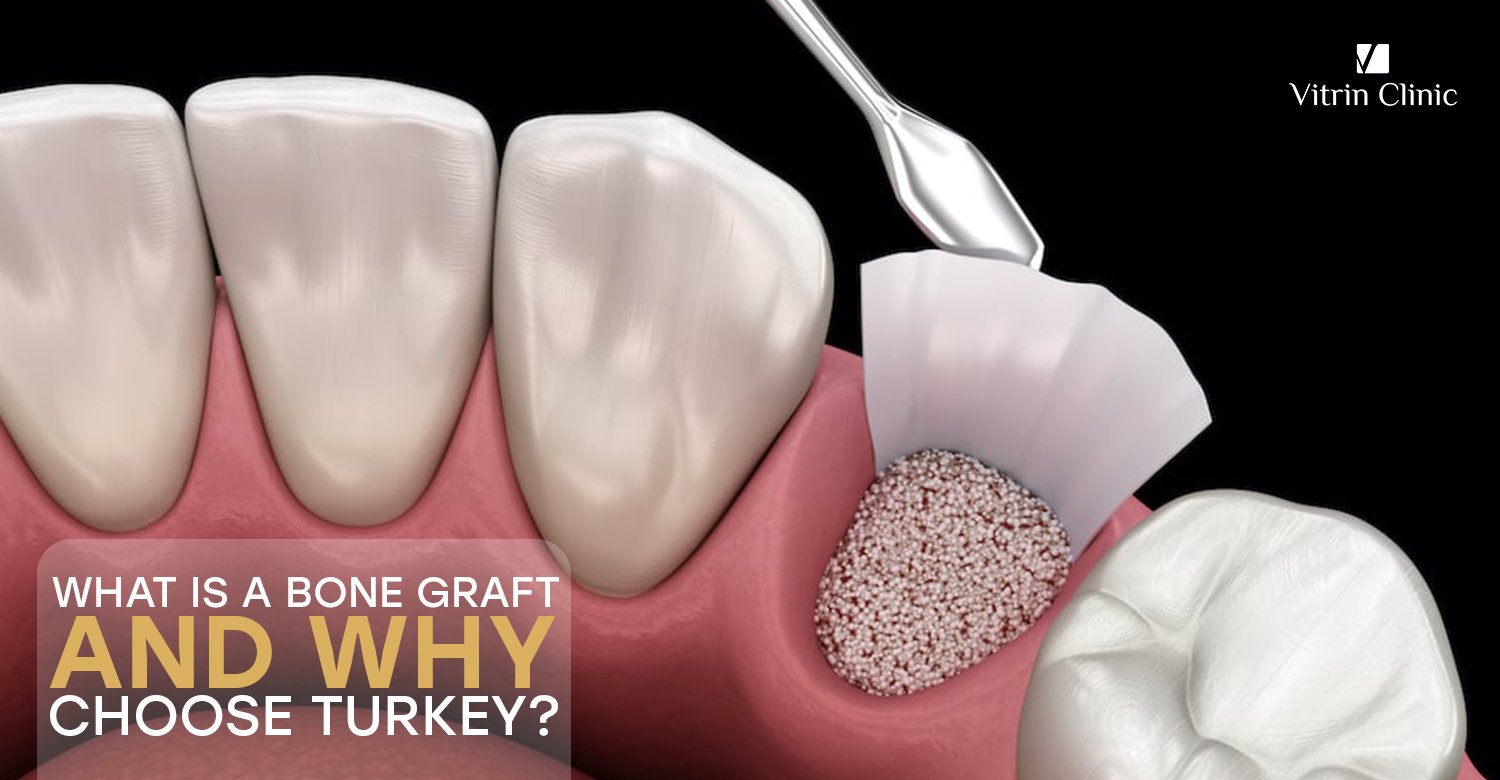
A bone graft is a surgical procedure that restores lost or damaged bone in the jaw, often necessary for patients who have suffered bone loss due to tooth extraction, injury, or periodontal disease. This procedure provides a stable foundation for dental implants and helps maintain facial structure. Bone grafts can use natural bone from the patient, donors, animals, or synthetic materials to promote new bone growth and repair defects.
A bone graft is needed in dentistry to restore or build up bone in areas where it has been lost or is too thin, often to support a dental implant or other restorative treatment.
Bone grafts create a stable foundation for future dental work and help preserve facial structure.
Bone grafts are needed to replace bone lost from tooth removal, trauma, infections, or diseases like periodontitis. Bone deterioration can also occur after prolonged denture use or cancer treatments.
When a tooth is lost, the jawbone in that area no longer gets stimulated, leading to bone loss and shrinkage over time; this can compromise oral health and aesthetics.
Yes, bone grafting is often performed before implant placement to rebuild sufficient bone volume ensuring the implant’s stability and success.
Each method is chosen based on the patient’s condition, treatment goals, and bone loss severity.
An autograft uses bone taken from the patient’s own body, usually from the hip or jaw, offering the highest compatibility and healing potential. Infection, graft failure, or nerve damage—understand the complications. Know more about risks involved.
An allograft uses donor bone from a human tissue bank, processed to ensure safety and effectiveness.
A xenograft involves bone sourced from animals, typically cows, processed to be safe and biocompatible.
Alloplastic grafts use synthetic bone-like materials developed in labs, designed to stimulate bone regeneration.
Turkish clinics commonly use a combination of allografts and synthetic materials due to availability, safety, and effective outcomes.
A bone graft procedure in dentistry typically follows these steps:
Once the bone is strong enough, procedures like dental implants can be performed.
The dentist evaluates bone density with imaging like CT scans, reviews health history, and discusses goals before recommending a grafting procedure.
The gum is incised and lifted to expose the bone, the area is cleaned, and suitable graft material is shaped to fit the defect.
Methods include socket preservation, ridge augmentation, and sinus lift, tailored to patient needs.
Procedure duration varies, generally lasting between 45 minutes to two hours. A permanent, natural-looking solution that preserves your jawbone. Know more about dental implant.
Materials used in bone grafting include:
The choice of material depends on the patient’s needs, medical history, and the dental procedure being planned.
Yes, synthetic grafts are biocompatible, widely tested, and effective alternatives when natural bone is unavailable or insufficient.
Autografts hold advantages in healing but synthetic and donor materials have proven reliable with modern processing.
Allografts and synthetic materials dominate Turkish clinics due to cost-effectiveness, safety, and availability.
Benefits of bone graft surgery in dentistry include:
By regenerating bone mass and volume, grafts ensure implants have a firm anchor, increasing implant success rates.
Yes, rebuilding bone helps avoid jaw deformities, tooth shifting, and supports overall periodontal health.
Bone grafts restore lost density and shape, maintaining facial contours and chewing function. What to expect during healing and how to protect your graft. Know more about recovery after bone graft.
The risks and complications of bone grafts can include:
Choosing an experienced surgeon and following post-op care instructions helps minimize these risks.
Mild pain, swelling, bruising, and risk of infection are common but manageable with proper care.
Infections are rare with sterile technique and antibiotics; prompt treatment minimizes complications. Autograft, allograft, xenograft, or synthetic—find the right option. Know more about types of bone grafts.
Following post-op care, avoiding smoking, maintaining oral hygiene, and regular follow-ups are key.
The recovery process after a bone graft typically involves:
Full bone integration can take 3 to 6 months before further dental procedures, like implants, can be done.
Know More About: When Can You Get a Dental Implant After a Bone Graft?
Initial healing takes 2 weeks; full bone integration may require 3-6 months depending on graft size.
Avoid hard, spicy, crunchy, and hot foods to prevent irritation and damage.
Rest, proper nutrition, hydration, and adherence to care instructions help speed recovery.
| Type of Graft | Average Cost (USD) |
|---|---|
| Autogenous (from your own body) | $1,200 – $2,000 |
| Allogeneic (from a donor) | $1,000 – $1,800 |
| Xenogene (from animals) | $1,000 – $1,500 |
| Synthetic Materials | $900 – $1,500 |
Graft type, clinic location, surgeon expertise, and complexity impact costs.
Turkey offers significant savings, often 60-70% less than Western countries.
Typically not for international patients, but domestic policies vary.
1. Affordable Costs
2. Highly Skilled Specialists
3. Advanced Technology and Facilities
Turkey offers quality care at 50-70% less than Western countries. Know more about bone grafting costs.
4. Comprehensive Treatment Packages
5. Short Waiting Times
6. Tourism Opportunities
7. Positive Patient Reviews
High-quality care, affordable prices, short wait times, and holiday-friendly locations attract global patients.
Many clinics have international accreditations, use updated technology, and employ internationally trained dentists.
Yes, Turkey’s specialized dental surgeons have extensive experience with advanced grafting techniques.
When choosing the best clinic in Turkey for a bone graft, consider the clinic’s accreditation, surgeon’s expertise in oral surgery, success rates, and use of advanced technology. Check patient reviews, before-and-after cases, and transparency in pricing. A trusted clinic should also provide clear aftercare and multilingual patient support.
Accreditation and Certifications
Experienced and Qualified Dentists
Modern Equipment and Facilities
Patient Reviews and Testimonials
Clear and Transparent Pricing
Post-Operative Care and Support
Board certification, specialization in implantology or oral surgery, and relevant international training.
Reviews provide insights into patient satisfaction, clinic professionalism, and treatment outcomes.
Look for ISO certifications, JCI accreditation, or memberships in international dental organizations.
Zygomatic Implants
Short Implants
Tilted Implants (All-on-4 or All-on-6 Technique)
Bone Expansion or Bone Splitting
Subperiosteally Implants
Removable Dentures or Bridges
A natural healing technique using growth factors to stimulate bone regrowth with less invasive methods.
Sinus lifts are a type of bone augmentation specifically for upper jaw to create room for implants.
Only if sufficient bone exists; otherwise, grafting or alternative implant techniques are necessary.
[sc_fs_multi_faq headline-0=”h3″ question-0=”What is the success rate of bone graft surgery in Turkey?” answer-0=”Bone graft surgeries in Turkey have a high success rate, typically over 90%, due to advanced surgical techniques, use of quality grafting materials, and experienced dentists. Strict hygiene protocols and post-operative care contribute to favorable outcomes.” image-0=”” headline-1=”h3″ question-1=”How painful is a bone graft procedure?” answer-1=”The procedure is usually performed under local anesthesia and is generally painless. Patients may experience mild discomfort, swelling, or bruising after surgery, which can be managed with prescribed pain medications and ice packs.” image-1=”” headline-2=”h3″ question-2=”Can smokers undergo bone grafting safely?” answer-2=”Smoking can impair healing and increase the risk of graft failure. Patients who smoke are advised to quit or reduce smoking before and after surgery to improve the chances of successful graft integration.” image-2=”” headline-3=”h3″ question-3=”How long after a bone graft can I get dental implants?” answer-3=”Healing time varies depending on the graft size and type, but usually, implants are placed 3 to 6 months after bone grafting to allow proper bone integration.” image-3=”” headline-4=”h3″ question-4=”Is bone grafting suitable for elderly patients?” answer-4=”Yes, elderly patients can undergo bone grafting if they are in good general health and have adequate healing capacity. Dentists evaluate each patient individually before recommending grafting.” image-4=”” headline-5=”h3″ question-5=”Can a bone graft fail after it has healed?” answer-5=”Though rare, graft failure can occur due to infection, trauma, or underlying health issues. Regular dental check-ups and good oral hygiene help minimize risks.” image-5=”” headline-6=”h3″ question-6=”What should I pack if traveling to Turkey for a bone graft?” answer-6=”Pack essential medications, comfortable clothing, post-surgical care items like ice packs, soft food options, dental care supplies, and any travel documents related to your treatment plan” image-6=”” headline-7=”h3″ question-7=”Are there hidden costs in bone graft treatments in Turkey?” answer-7=”Reputable clinics provide comprehensive cost breakdowns before treatment. It’s important to clarify all fees, including consultation, materials, surgery, anesthesia, and follow-up care to avoid surprises.” image-7=”” headline-8=”h3″ question-8=”How do I prepare for a bone graft consultation?” answer-8=”Prepare medical and dental history, list any medications, have questions ready about the procedure and recovery, and arrange for transportation and post-op care if needed.” image-8=”” headline-9=”h3″ question-9=”What lifestyle changes are required after a bone graft?” answer-9=”Patients should avoid smoking, maintain strict oral hygiene, eat a soft diet, and follow post-operative instructions carefully to ensure proper healing and graft integration” image-9=”” count=”10″ html=”true” css_class=””]

O Dr. Faisal Kayali possui mais de 7 anos de experiência clínica e faz parte atualmente da equipe médica da Vitrin Clinic.