Dental Implant
September 25, 2025
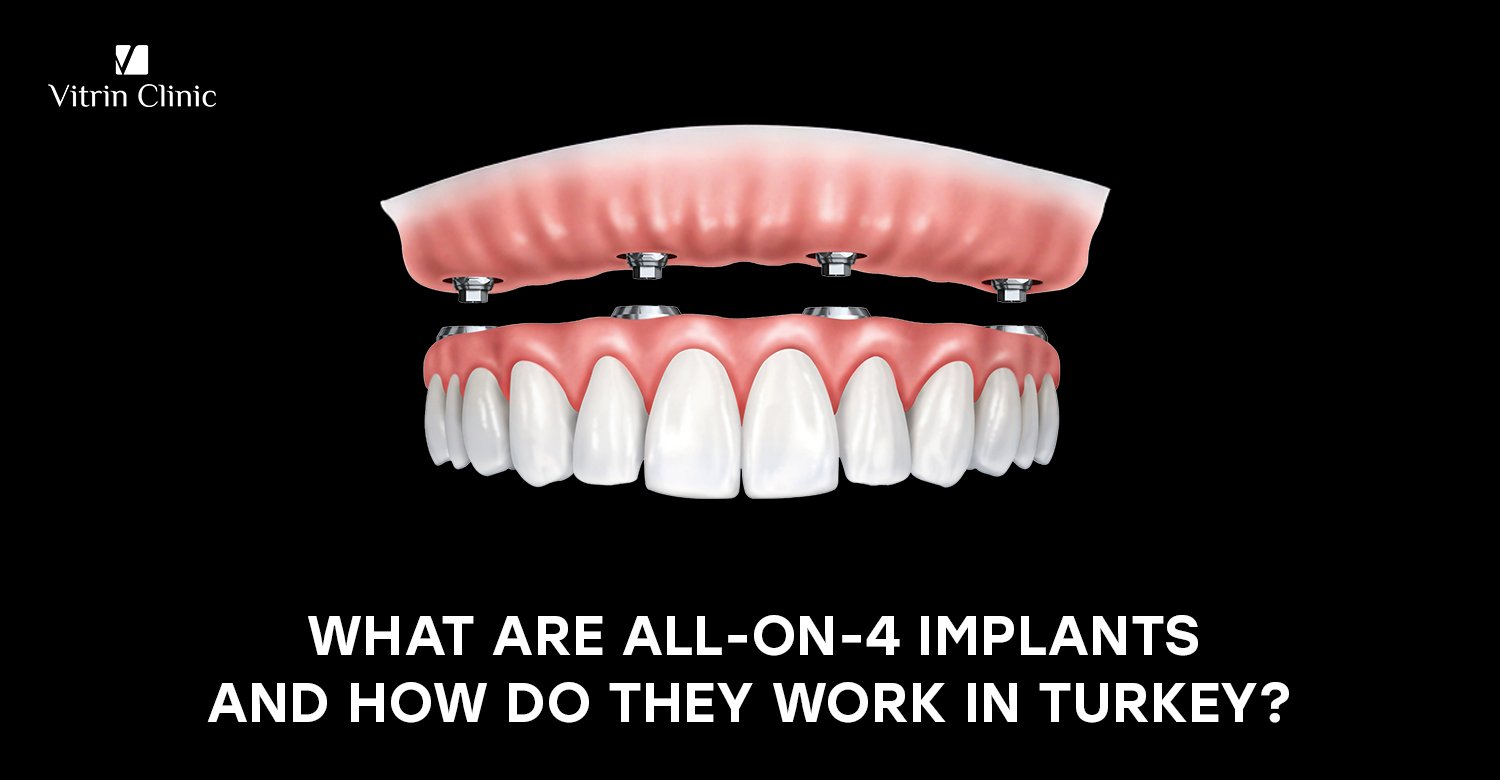
All-on-4 implants differ from traditional dental implants mainly in the number of implants needed and their strategic placement. Instead of requiring six to eight implants, the All-on-4 method uses just four implants to support a full arch of teeth.
These implants are angled in a way that maximizes contact with the existing bone, often eliminating the need for bone grafting. This makes the procedure less invasive, more cost-effective, and faster in terms of recovery and results.
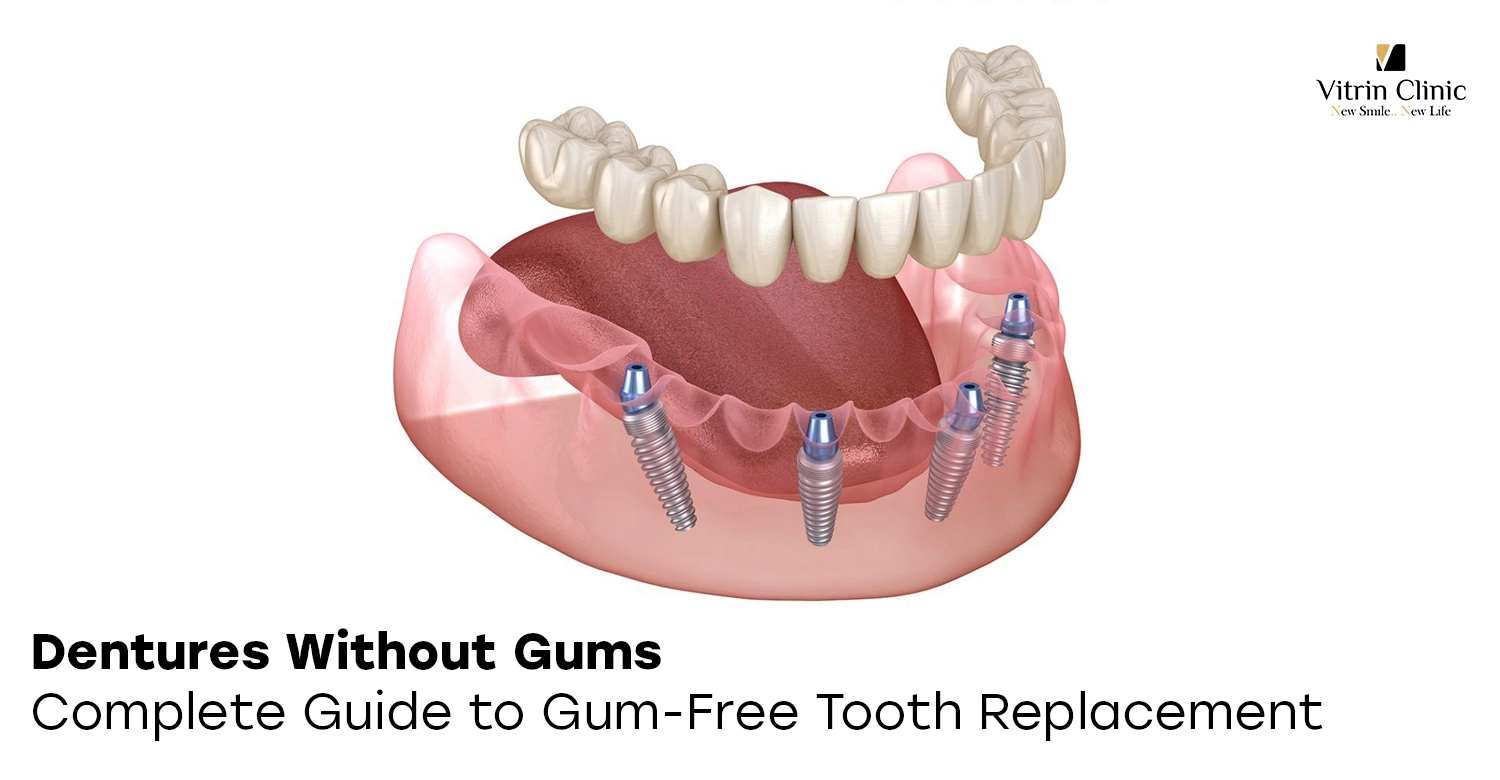
Instead of placing an implant for each missing tooth, the All-on-4 implants treatment concept uses a full arch fixed bridge, supported by only four implants. The front two implants are placed vertically in the anterior part of the jaw, where bone density is typically higher.
The two back implants are placed at a 45-degree angle, extending toward the back of the jaw. This specific All-on-4 dental implants step by step approach ensures maximum support and stability for the entire new set of teeth.
The strategic tilting of the posterior implants is the secret behind the All-on-4 implants success. This technique allows for the use of longer implants, which anchor more securely into the stronger, denser bone at the front of the jaw, bypassing the need for bone grafting in areas with less bone. This is one of the key benefits of All-on-4 implants.
By tilting the posterior implants, the dentist can avoid key anatomical structures, such as the maxillary sinus in the upper jaw and the mental nerve in the lower jaw. This not only makes the All-on-4 implants procedure less invasive but also provides a broader base of support for the bridge, increasing its overall stability and ensuring it feels secure and natural.
Since the All-on-4 dental implants procedure is less invasive and avoids bone grafting, the recovery process is typically much quicker. Patients can often receive a temporary set of teeth on the same day as the surgery, allowing them to leave the clinic with a functional and aesthetic smile. This accelerated healing and immediate functionality are major reasons people choose All-on-4 implants.
For a significant number of patients, yes. The angled placement of the implants allows dentists to utilize existing bone, making the procedure a viable option for those who might not be candidates for traditional implants without a time-consuming and costly bone graft. This is a significant advantage of the All-on-4 implants treatment concept.
The All-on-4 implant procedure begins with a detailed consultation, including scans and treatment planning to determine the best implant positions. During surgery, four implants are strategically placed, with the back ones tilted to maximize bone support and often avoid grafting.
In many cases, a temporary fixed bridge is attached the same day, allowing patients to leave with functional teeth immediately. After healing and osseointegration, the temporary teeth are replaced with a durable, custom-designed final prosthesis, completing the smile restoration.
All-inclusive care with accommodation, transfers, and world-class treatment. Know more about dental tourism packages.
The first step is a thorough examination. Your dentist will assess your oral health and determine if you are a suitable candidate for All-on-4 implants.
Your dentist will take detailed 3D scans, such as a CBCT (Cone Beam Computed Tomography) scan, and panoramic X-rays. These images provide a comprehensive view of your jawbone structure, allowing the dental team to meticulously plan the precise placement of the four implants.
Using the scans, the dental team will create a virtual blueprint of your mouth. This digital planning ensures that the All-on-4 dental implants procedure is performed with maximum accuracy, optimizing the placement for the best possible outcome. This is a critical step to ensure a high success rate of All-on-4 implants.
Surgery day represents the culmination of careful planning and preparation. Most All-on-4 procedures are performed under local anesthesia with sedation options available for anxious patients. The entire process typically takes 2-4 hours per arch, depending on complexity and individual circumstances.
Patients often express concern about How painful are all-on-4 implants? The reality is that most patients experience minimal discomfort during the procedure due to effective anesthesia. Post-operative pain is generally manageable with prescribed medications and typically subsides within a few days.
After the necessary extractions, the dentist will make small incisions in your gums to expose the jawbone. Using a surgical guide based on the virtual plan, they will precisely place the four titanium implants. This is a crucial step in the all-on-4 dental implants step by step process.
Immediately after the implants are securely in place, the dental team will attach a temporary, lightweight bridge. This is the “teeth-in-a-day” aspect of the All-on-4 implants treatment concept, providing an immediate solution while your gums and jawbone heal.
The recovery period following All-on-4 surgery is generally straightforward, though individual experiences may vary. Most patients experience some swelling and discomfort for the first few days, which is normal and manageable with prescribed medications and ice application.
Understanding the recovery timeline helps patients prepare appropriately and set realistic expectations for their healing journey. Proper post-operative care is crucial for achieving optimal results and minimizing complications.
The temporary bridge will remain in place for several months, typically three to six. This period allows the implants to fully integrate with your jawbone in a process called osseointegration. Once this is complete, you will return to have your final, custom-made permanent bridge attached.
For the first few months, you will need to stick to a soft diet to avoid putting too much pressure on the healing implants. Your dentist will provide specific instructions on what foods you can eat and what to avoid. This is an essential part of the All-on-4 implants recovery process.
Rebuild lost jawbone for a strong, stable implant foundation. Know more about bone grafting.
The ideal candidate for All-on-4 dental implants is someone who has lost most or all of their teeth and wants a fixed, long-term solution instead of removable dentures. Patients with sufficient jawbone to support four implants, or those who can benefit from angled implant placement to avoid bone grafting, are especially suitable.
Good overall health, healthy gums, and the absence of uncontrolled conditions like diabetes or severe gum disease are also important. People looking for improved function, confidence, and a faster restoration process often make the best candidates.
Yes, they are specifically designed for individuals who have lost most or all of their teeth in an arch. The All-on-4 implants provide a stable, permanent solution that feels and functions like natural teeth.
Often, yes. The angled placement of the implants allows them to bypass areas of low bone density. This makes the All-on-4 implants a great option for many patients who might have previously been told they were not candidates for dental implants.
The tilted posterior implants are longer and are anchored into the denser bone in the anterior jaw. This strategic placement provides sufficient support without the need to augment the bone, which is a major benefit of the All-on-4 implants method.
While smoking and certain health conditions can affect the success rate of All-on-4 implants, they are not always a disqualifier. A thorough consultation with a qualified dentist is essential to assess individual risk factors and determine if the treatment is right for you.
Soft foods, gentle cleaning, and no smoking—simple habits for lifelong implants. Know more about caring for your implants.
Advantages:
Disadvantages:
The long-term benefits are substantial. Patients report a dramatic improvement in their quality of life. The All-on-4 implants are a life-changing investment.
Since the bridge is securely fixed, there is no slipping or movement. This allows patients to eat their favorite foods and speak clearly without the worry of their teeth shifting. Do All-on-4 feel like real teeth? Most patients say yes, because of their stability.
All-on-4 implants restore the natural appearance of the teeth and jawline. This can help prevent the sunken-in look often associated with tooth loss and dentures, improving overall facial aesthetics and boosting confidence.
Like any surgical procedure, All-on-4 treatment carries some risks and potential complications. These may include infection, implant failure, nerve damage, or sinus complications, though serious complications are rare when treatment is performed by experienced practitioners.
In rare cases, an implant may not integrate with the bone or can loosen due to infection or poor hygiene. However, this is uncommon and can often be addressed by the dentist.
Proper oral hygiene is crucial for long-term implant success. How do dentists clean All-On-Four implants during maintenance visits? Professional cleaning requires specialized instruments and techniques to access all areas around the implants and bridge.
At home, patients should use the best toothbrush for All-on-4 implants, which is typically a soft-bristled electric toothbrush combined with water flossing and antimicrobial rinses. Regular dental visits for professional maintenance are essential for monitoring implant health and addressing any issues early.
Correct implant positioning issues for a natural-looking smile. Know more about angled abutments.
| What’s Included / Quality | Estimated Cost per Arch / Jaw in Turkey* |
|---|---|
| Acrylic prosthesis + titanium implants (basic materials) | US $2,000 ‒ $4,500 |
| Mid-range materials (better crowns, more recognized implant brands) | US $4,000 ‒ $7,500 |
| Higher-end (zirconia crowns or high premium components) | US $7,000 ‒ $9,000+ |
All-on-4 implants cost significantly less in Turkey compared to Western countries, often 60-70% less expensive while maintaining high quality standards. This cost advantage stems from lower operational costs, favorable exchange rates, and Turkey’s strategic position as a medical tourism destination. The full recovery period for a major bone graft can take several months
The materials used for both implants and the final restoration significantly impact treatment costs. Premium implant brands with extensive research backing may cost more than generic alternatives, though both can provide excellent results when properly placed.
More experienced dentists and renowned clinics typically charge higher fees, reflecting their expertise and track record of successful outcomes. However, this increased cost often represents excellent value when considering the importance of proper treatment execution and long-term results.
Many Turkish dental clinics offer flexible payment options to make treatment more accessible to international patients. These may include installment plans, financing through third parties, or package deals that include accommodation and transportation.
While dental insurance coverage varies by country and policy, some international insurance plans may provide partial coverage for implant treatment. Patients should check with their insurance providers to understand what benefits might be available for treatment abroad. Full mouth decay requires a comprehensive rehabilitation plan to restore health and function
All-on-4 dental implants are designed to be a long-term solution, often lasting 20 years or more with proper care. The implants themselves can last a lifetime if they successfully integrate with the jawbone and are well maintained.
The prosthetic teeth attached to the implants may need replacement or adjustment after 10–15 years due to normal wear. With good oral hygiene and regular dental checkups, most patients enjoy decades of reliable function and aesthetics from their All-on-4 implants.
With proper care and maintenance, All-on-4 implants can last 15-25 years or even longer. The implants themselves, being made of biocompatible titanium, can potentially last a lifetime when properly maintained and integrated. The prosthetic component may need replacement or refurbishment after 10-15 years due to normal wear and tear. A removable, affordable option for replacing multiple missing teeth. Know more about traditional dentures.
Long-term success with All-on-4 implants depends heavily on proper oral hygiene and regular professional maintenance. Daily cleaning should include thorough brushing, water flossing, and antimicrobial mouth rinse to prevent bacterial accumulation around the implants.
Professional maintenance visits every 3-6 months allow your dental team to monitor implant health, perform specialized cleaning, and address any issues before they become serious problems.
Cleaning All-on-4 implants is straightforward. You will need to brush and floss regularly. Your dentist will show you how to use a specific type of toothbrush, such as the best toothbrush for All-on-4 implants, to ensure all areas are properly cleaned.
Regular check-ups every six months are crucial for the long-term success of your All-on-4 implants. Your dentist will check the health of your gums and implants and perform a professional cleaning. This is how dentists clean All-on-Four implants effectively.
All-on-4 implants differ from other full-arch solutions mainly in the number of implants and the treatment approach. Compare-on-4 uses fewer implants, making it less invasive, quicker, and often more affordable.
However, All-on-6 offers extra stability and may be better suited for patients with higher bite force or additional bone support. Choosing between the two depends on bone quality, budget, and long-term functional needs, so a personalized consultation is essential. We compare the pros and cons of dentures or bridges based on your specific needs
Snap-on dentures, or overdentures, are removable. They “snap on” to a few implants but are not fixed. The All-on-4 implants, on the other hand, are a fixed solution that feels and functions more like natural teeth. The number of teeth you get with All on four implants is a full set of 12 or 14, which is a significant improvement over dentures.
The Pros and Cons of All on 6 and All on 4 Dental Implants relate primarily to the number of supporting implants used. All-on-6 uses six implants instead of four, potentially providing greater support and longevity, particularly in cases where patients have very strong bite forces or prefer maximum security.
All-on-6 treatment typically costs more due to the additional implants and may require better bone conditions for successful placement. However, the added support can be beneficial for patients with bruxism or those who want maximum confidence in their restoration.
While both options are highly stable, some dentists prefer All-on-6 for patients with significant bone loss or for the upper jaw, as the extra implants can provide additional support. The All-on-4 implants are incredibly stable in most cases.
While All-on-6 has higher upfront costs due to additional implants, long-term costs depend on various factors including maintenance needs and potential complications. All-on-4 may offer better value for many patients, providing excellent function at lower cost.
The most cost-effective choice depends on individual circumstances, bone conditions, and long-term treatment goals. Both options can provide excellent long-term value when properly executed and maintained. Bone grafting is a common procedure that preps the jaw for future implant placement
Life after getting All-on-4 implants is often described as transformative, both functionally and emotionally. Patients regain the ability to chew comfortably and enjoy a wide variety of foods without the worries that come with dentures.
Speech becomes clearer, and the fixed, natural-looking teeth restore facial balance and aesthetics. Beyond the physical benefits, many people experience a significant boost in confidence and social comfort, leading to a more active and fulfilling lifestyle.
Most patients can return to work and light activities within 2-3 days after All-on-4 surgery, though individual recovery times vary.
Swelling typically peaks around day 2-3 then gradually subsides over the following week. More strenuous activities should be avoided for the first week to prevent complications and promote optimal healing.
The immediate improvement in eating and speaking ability is often dramatic for patients coming from dentures or failing teeth. While there’s an adjustment period of several weeks as patients adapt to their new teeth, most report significant improvements in function and confidence.
Regular professional cleanings are part of essential implant maintenance
Patient satisfaction with All-on-4 implants is typically very high, with most reporting significant improvements in confidence, appearance, and quality of life. The ability to smile, laugh, and eat without worry about denture movement or appearance creates profound psychological benefits
Ready to transform your smile with All-on-4 implants? At vitrinclinic.com , our experienced team of dental professionals specializes in providing exceptional All-on-4 treatment with personalized care and attention to detail. We combine advanced technology, proven techniques, and competitive pricing to deliver outstanding results for our international patients.
Take the first step toward your new smile today with a free consultation and discover how All-on-4 implants can restore your confidence and quality of life.
[sc_fs_multi_faq headline-0=”h3″ question-0=”What Is the Success Rate of All-on-4 Implants in Turkey?” answer-0=”Success rates are very high, typically 95–98% when done by experienced specialists.” image-0=”” headline-1=”h3″ question-1=”Can All-on-4 Implants Be Done in Just One Day?” answer-1=”Yes, many clinics provide same-day implants with temporary teeth placed immediately.” image-1=”” headline-2=”h3″ question-2=”How Painful Is the All-on-4 Procedure?” answer-2=”The procedure is done under anesthesia, so discomfort is minimal; mild soreness afterward is common.” image-2=”” headline-3=”h3″ question-3=”Do All-on-4 Implants Feel Like Natural Teeth?” answer-3=”Yes, they look, feel, and function very much like natural teeth once healed.” image-3=”” headline-4=”h3″ question-4=”How Do You Clean and Maintain All-on-4 Dental Implants?” answer-4=”Brush and floss daily, use special interdental tools, and visit your dentist regularly.” image-4=”” headline-5=”h3″ question-5=”What Happens If One of the Implants Fails?” answer-5=”The dentist can usually replace the failed implant and adjust the prosthesis as needed” image-5=”” headline-6=”h3″ question-6=”Can You Switch from Dentures to All-on-4 Implants?” answer-6=”Absolutely—many patients upgrade from removable dentures to fixed All-on-4 restorations.” image-6=”” headline-7=”h3″ question-7=”Are All-on-4 Implants Covered by Dental Insurance?” answer-7=”Coverage varies; in most cases, it’s considered cosmetic and not fully covered.” image-7=”” headline-8=”h3″ question-8=”How Do Turkish Dentists Specialize in All-on-4 Procedures?” answer-8=”Many receive advanced implantology training and work in high-volume clinics with international patients.” image-8=”” count=”9″ html=”true” css_class=””]

O Dr. Faisal Kayali possui mais de 7 anos de experiência clínica e faz parte atualmente da equipe médica da Vitrin Clinic.