Dental Care Guide
October 2, 2025
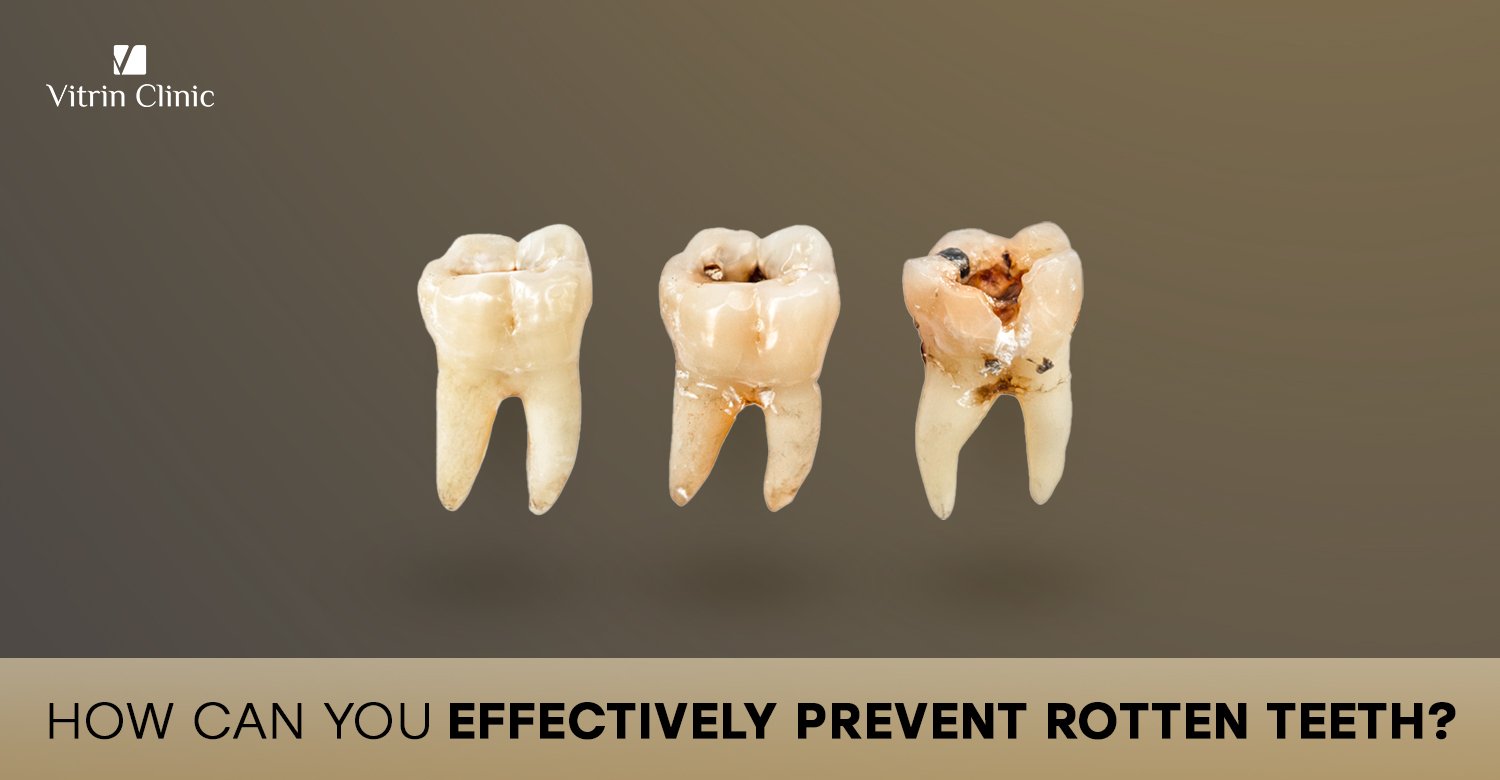
Preventing rotten teeth involves stopping the tooth decay process before it causes irreversible damage to your dental structure. When we talk about prevention, we’re addressing the underlying causes that lead to bacterial overgrowth, acid production, and enamel deterioration. The tooth decay process begins when harmful bacteria in your mouth feed on sugars and starches from food, producing acids that gradually weaken and dissolve tooth enamel.
True prevention goes beyond temporary fixes or surface-level cleaning. It requires understanding that your mouth is a complex ecosystem where bacteria, saliva, food particles, and your body’s natural defenses interact constantly. When this balance tips in favor of harmful bacteria, the stage is set for decay to begin.
Preventing rotten teeth preserves your ability to eat, speak, and live pain-free while protecting overall health. Advanced decay can cause infections affecting vital organs. Prevention is economically smart – basic care costs far less than root canals, crowns, or implants, making it a wise long-term investment.
The tooth decay process accelerates over time. Acids create microscopic holes in enamel, allowing bacteria to penetrate deeper. Decay progresses through dentin causing sensitivity, then reaches pulp containing nerves and blood vessels, leading to severe pain and potential infection requiring complex treatment.
Recognizing the early warning signs of tooth decay is crucial for effective prevention. Many people miss these initial indicators because they’re subtle and don’t cause significant discomfort initially. However, catching decay at its earliest stages gives you the best chance to stop tooth decay from spreading and preserve your natural teeth.
Early decay appears as white spots or chalky areas indicating mineral loss from enamel. You may notice texture changes when touching affected areas with your tongue. Increased sensitivity to temperature changes signals compromised enamel, creating sharp pains when consuming hot or cold items.
Persistent bad breath despite good oral hygiene indicates bacterial overgrowth from early decay. Bad taste in your mouth, especially upon waking, signals harmful bacteria flourishing in plaque areas. Changes in saliva consistency or reduced production increase decay risk significantly.
Early decay symptoms overlap with other dental problems, making self-diagnosis challenging. Sensitivity might be attributed to aggressive brushing or whitening products, while discoloration could be mistaken for surface stains from coffee or tea consumption, delaying proper treatment.
Mild sensitivity serves as your mouth’s first alarm system, alerting you to potential problems. When enamel breaks down, underlying dentin becomes exposed to temperature changes. Decay-related sensitivity tends to worsen over time and accompanies other symptoms like visible surface changes.
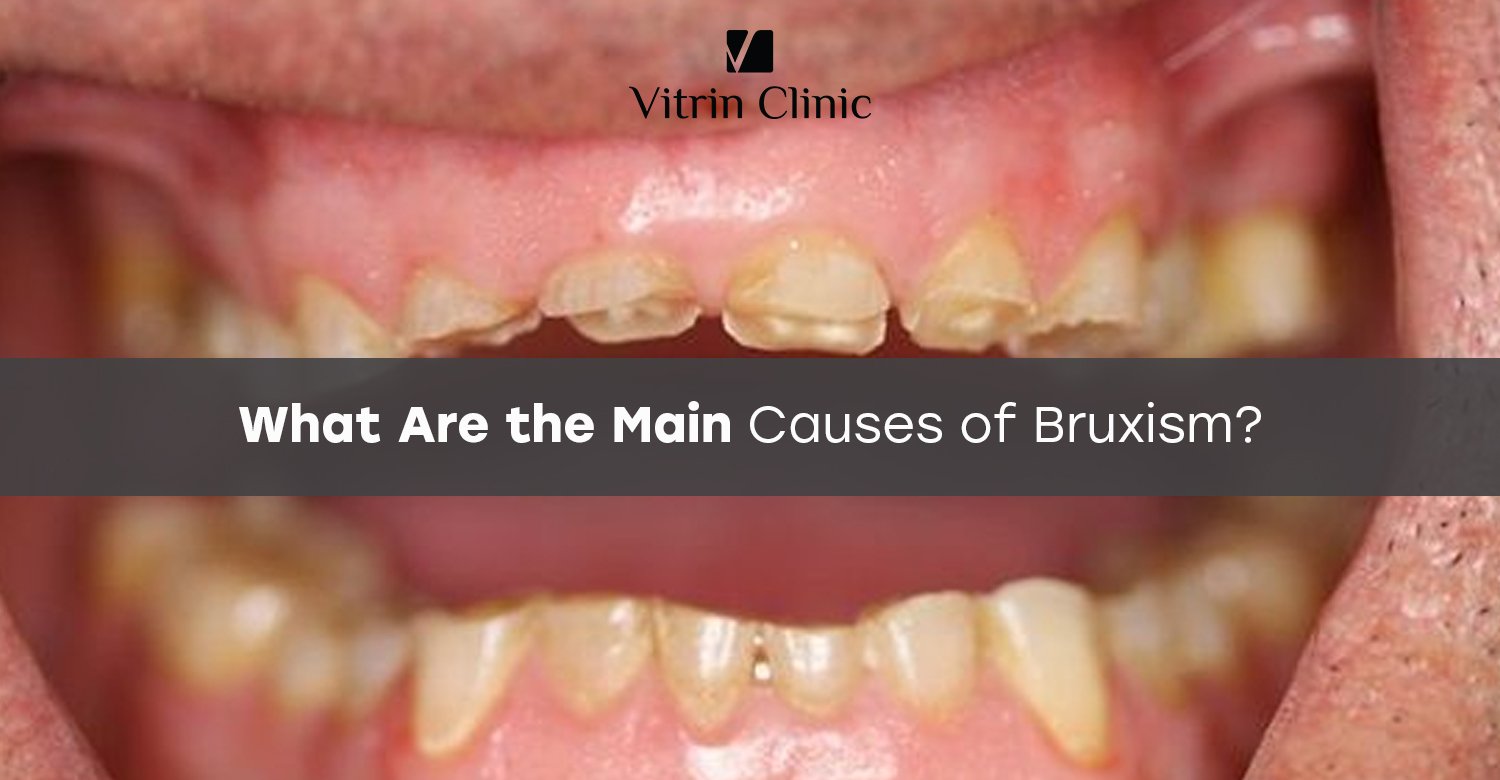
Small brown, black, or dark spots represent areas where bacteria have penetrated enamel and begun decay. These discolorations cannot be removed through regular brushing or professional cleaning. White chalky spots indicate demineralization – the first step in decay development.
Understanding the root causes of tooth decay empowers you to take targeted action in preventing rotten teeth. Multiple factors contribute to decay development, and addressing each one systematically creates a comprehensive prevention strategy that protects your oral health long-term.
Inadequate oral hygiene allows plaque accumulation, creating ideal bacterial environments. When plaque isn’t removed regularly, it hardens into tartar requiring professional removal. Bacteria in plaque produce acids that gradually weaken and dissolve enamel minerals, eventually creating cavities and rotten teeth.
Dietary choices directly influence oral health by providing fuel for harmful bacteria or nutrients supporting tooth strength. Frequent consumption of sugary and starchy foods creates acidic environments promoting decay. Snacking throughout the day exposes teeth to repeated acid attacks, accelerating decay.
Sugary beverages bathe your entire mouth in sugar, feeding bacteria throughout your oral cavity simultaneously. Liquid sugar reaches areas solid foods might not access, including spaces between teeth and along gum lines. Many sugary drinks are acidic, creating double threats. Severe pain, knocked-out tooth, or swelling? Get immediate care. Know more about emergency dental care.
Acidic foods directly weaken tooth enamel through demineralization. Citrus fruits, vinegar-based dressings, wine, and carbonated beverages lower mouth pH, making it easier for acids to dissolve enamel minerals. Understanding safe consumption methods helps minimize their impact on teeth.
Genetic factors influence enamel strength, saliva composition, and bacterial flora in your mouth. Some people inherit naturally stronger enamel resisting acid attacks, while others have genetic variations increasing decay susceptibility. Understanding genetic predispositions helps tailor prevention strategies effectively.
Numerous medical conditions and medications affect oral health by reducing saliva production, altering mouth chemistry, or compromising immune function. Diabetes increases glucose levels in saliva, providing additional fuel for decay-causing bacteria, while many medications cause dry mouth side effects.
Establishing effective daily oral hygiene habits forms the foundation of any successful strategy for preventing rotten teeth. These habits work synergistically to remove harmful bacteria, neutralize acids, and create an environment that supports tooth health and repair.
Brushing twice daily with fluoride toothpaste provides minimum protection needed for preventing rotten teeth effectively. Timing matters as much as frequency – brush morning and bedtime. If consuming sugary or acidic foods, wait 30-60 minutes before brushing to avoid abrasion.
Fluoride toothpaste remains the gold standard for tooth decay prevention because fluoride helps remineralize enamel and makes teeth more resistant to acid attacks. Look for toothpastes containing at least 1,000 ppm fluoride for effective protection against decay development.
Flossing removes plaque and food particles from areas your toothbrush cannot reach effectively – primarily spaces between teeth and below gum lines. These vulnerable areas allow bacteria to accumulate undisturbed, producing acids that attack tooth enamel continuously.
Small food particles become lodged between teeth and in gum line crevices when eating. These particles serve as food sources for decay-causing bacteria, allowing them to thrive and produce acids. Regular flossing physically removes particles before bacterial utilization occurs.
Flossing is particularly effective at preventing rotten teeth in interdental areas where cavities commonly develop. These spaces between teeth create ideal bacterial growth conditions because they’re protected from saliva’s natural cleansing action and difficult to clean with brushing alone.
Antimicrobial mouthwash complements brushing and flossing by reaching areas throughout your mouth and providing additional protection against decay-causing bacteria. However, mouthwash should supplement, not replace, mechanical cleaning methods like brushing and flossing for comprehensive oral care. Composite, ceramic, or amalgam—choose the right material for your cavity. Know more about tooth filling options.
Professional dental care provides preventive services and early intervention that you cannot achieve through home care alone. Regular professional cleanings, examinations, and preventive treatments work together to create a comprehensive approach to preventing rotten teeth that addresses both current problems and future risks.
Most dental professionals recommend visits every six months for routine cleanings and examinations. However, individual risk factors may warrant more frequent visits. People with high decay risk due to medical conditions or medications may benefit from quarterly visits for monitoring.
Professional dental scaling removes tartar deposits harboring harmful bacteria along gum lines and between teeth. These deposits create rough surfaces where additional plaque accumulates, accelerating decay if untreated. Scaling also maintains healthy gums providing important protective barriers for tooth roots.
Dental sealants provide effective physical barriers preventing bacteria and food particles from accessing deep grooves and pits on chewing surfaces. These areas are particularly susceptible to decay because they’re difficult to clean thoroughly with regular brushing, making sealants excellent prevention tools.
Dental X-rays reveal decay invisible during clinical examination, particularly cavities developing between teeth or beneath existing fillings. Early detection through X-rays allows less invasive treatment options and better preservation of natural tooth structure while monitoring treatment effectiveness.
Nutrition plays a dual role in preventing rotten teeth by both limiting the fuel available to decay-causing bacteria and providing nutrients that support tooth strength and repair. Understanding how different foods and nutrients affect your oral health enables you to make dietary choices that actively support decay prevention and promote overall oral wellness.
Dairy products provide calcium and phosphorus essential for tooth structure. Cheese stimulates saliva production and helps neutralize acids. Fibrous fruits and vegetables clean teeth naturally through mechanical action while stimulating saliva production that helps wash away harmful particles. Gently flush out plaque and debris from braces, implants, and tight spaces. Know more about using a water flosser.
Water helps rinse away food particles and bacteria while diluting acids produced by harmful microorganisms in your mouth. Staying well-hydrated supports optimal saliva production, crucial for maintaining pH balance needed to prevent rotten teeth effectively through natural cleansing mechanisms.
Calcium serves as a primary building block for tooth enamel and dentin, protecting inner tooth portions. Adequate calcium intake supports natural remineralization processes that repair early acid attack damage. When your mouth becomes acidic, saliva calcium helps buffer acids effectively.
Vitamin D is essential for calcium absorption and utilization throughout your body, including teeth. Without adequate vitamin D, your body cannot effectively use dietary calcium to maintain and repair tooth structure, potentially increasing rotten teeth development risk significantly.
Beyond diet and oral hygiene, several lifestyle factors significantly impact your risk of developing rotten teeth. Addressing these factors creates a comprehensive approach to prevention that supports long-term oral health and complements your daily preventive routines.
Smoking significantly increases rotten teeth risk through multiple mechanisms. Tobacco reduces blood flow to oral tissues, impairing infection-fighting ability and healing. It also affects saliva production crucial for neutralizing acids and creates environments favoring harmful bacterial growth throughout the mouth.
Chronic stress affects oral health through several pathways increasing decay risk. Stress hormones reduce immune function, making bacterial control harder. Stress commonly leads to teeth grinding, cracking enamel and creating bacterial entry points while promoting poor dietary choices.
Quality sleep supports immune function and helps your body repair daily damage, including minor oral tissue damage. Poor sleep compromises your immune system’s ability to control bacterial overgrowth. Sleep disorders often cause mouth breathing, reducing saliva production and creating dry environments.
Children face unique challenges in preventing rotten teeth due to their dietary preferences, developing oral hygiene skills, and ongoing tooth development. Parents play a crucial role in establishing habits and providing interventions that protect children’s oral health throughout their development and set the foundation for lifelong oral wellness.
Teaching children proper brushing and flossing techniques from early ages establishes lifelong habits preventing rotten teeth. Children should learn two-minute brushing covering all tooth surfaces. Parents should supervise and assist until children develop necessary dexterity for thorough cleaning. Plaque bacteria, sugar, and acid are the root of the problem. Know more about underlying causes of tooth decay.
Baby teeth have thinner enamel than permanent teeth, making them more susceptible to acid attacks and decay. Despite being temporary, baby teeth play crucial roles in speech development, proper nutrition, and guiding permanent teeth into correct positions throughout childhood development.
Sealants are particularly effective for children because newly erupted permanent molars have deep grooves difficult to clean thoroughly. Applying sealants soon after teeth erupt provides immediate protection during periods when children are still developing effective brushing skills and techniques.
Healthy snacks supporting preventing rotten teeth include cheese, nuts, raw vegetables, and fresh fruits. These foods help neutralize acids, provide essential nutrients for tooth health, or stimulate saliva production naturally cleansing the mouth while reducing decay risk.
Modern dental technology offers several advanced preventive treatments that can significantly enhance your ability to prevent rotten teeth. These treatments work alongside traditional preventive measures to provide additional protection for people at high risk of decay and represent the cutting edge of tooth decay prevention.
Professional fluoride treatments deliver higher concentrations than over-the-counter products, providing enhanced decay protection. These treatments are particularly beneficial for people with high decay risk due to medical conditions or medications. Fluoride treatments can help reverse early decay stages through remineralization.
Advanced diagnostic tools like digital imaging and laser detection systems identify decay at earliest stages, often before it’s visible to naked eyes. This early detection enables preventive interventions that can stop tooth decay and preserve more natural tooth structure effectively.
Laser technology can detect early decay, remove infected tissue with minimal healthy structure damage, and even stimulate remineralization in some cases. Lasers apply preventive treatments more precisely, ensuring optimal coverage and effectiveness while eliminating bacteria in deep crevices.
Digital scanning technology creates detailed three-dimensional images of teeth and oral structures, revealing problems invisible in traditional X-rays or clinical examinations. These scans detect tooth density changes indicating early demineralization, allowing for timely preventive intervention strategies.
Preventive fillings involve placing small fillings in deep grooves or pits before decay develops. This approach is particularly useful for teeth with anatomical features making thorough cleaning difficult. By sealing vulnerable areas before bacterial colonization, preventive fillings provide long-term protection. Look for white spots, dark stains, and persistent sensitivity—early signs matter. Know more about rotten teeth.
Turkey has emerged as a leading destination for dental care, offering comprehensive preventive services that help patients from around the world maintain optimal oral health. The country’s dental professionals utilize advanced technologies and evidence-based approaches to preventing rotten teeth while providing exceptional value for international patients.
Turkish dental clinics provide comprehensive preventive care packages including detailed examinations, professional cleanings, fluoride treatments, sealants, and personalized prevention plans at significantly lower costs. High training levels among Turkish dental professionals ensure world-class preventive care delivery.
Preventive dental services in Turkey cost typically 50-70% lower than comparable services in Western Europe or North America, making comprehensive prevention accessible to more people. This affordability allows patients to invest in extensive preventive treatments that might be cost-prohibitive elsewhere.
Leading Turkish dental clinics employ specialists in preventive dentistry who focus specifically on stopping tooth decay and maintaining oral health. These specialists stay current with the latest research and techniques, ensuring patients receive the most effective treatments available for comprehensive prevention.
Preventing rotten teeth takes daily care and consistency, but the benefits go far beyond a healthy smile. Strong teeth mean easier eating, clear speech, and freedom from pain or costly treatments. Success comes from combining good hygiene habits, a balanced diet, regular dental checkups, and modern preventive treatments.
Starting today to protect your health, comfort, and finances prevention is always easier than treatment. Visit vitrin clinic to book a free consultation and get a personalized prevention plan for lifelong dental health.

[sc_fs_multi_faq headline-0=”h3″ question-0=”What Is the Most Effective Way to Prevent Rotten Teeth in 2026?” answer-0=”Regular brushing, flossing, fluoride use, and routine dental checkups remain the best prevention.” image-0=”” headline-1=”h3″ question-1=”How Can You Stop Rotten Teeth from Spreading Naturally?” answer-1=”Maintain strict oral hygiene, use fluoride toothpaste, and reduce sugar intake, but professional care is still needed.” image-1=”” headline-2=”h3″ question-2=”What Daily Routine Works Best for Rotten Teeth Prevention?” answer-2=”Brush twice a day, floss once, rinse with fluoride mouthwash, and limit sugary snacks.” image-2=”” headline-3=”h3″ question-3=”Can Diet Alone Be Enough to Prevent Rotten Teeth?” answer-3=”No, a healthy diet helps but must be combined with proper cleaning and dental visits.” image-3=”” headline-4=”h3″ question-4=”How Do Dentists in Turkey Approach Rotten Teeth Prevention?” answer-4=”They focus on early detection, fluoride treatments, and patient education on hygiene and diet.” image-4=”” headline-5=”h3″ question-5=”What Age Should Children Start Preventive Dental Care?” answer-5=”Around age 1 or when the first tooth appears.” image-5=”” headline-6=”h3″ question-6=”Is It Possible to Reverse Rotten Teeth Once They Begin?” answer-6=”Early decay (white spots) can sometimes be reversed with fluoride, but cavities need treatment.” image-6=”” headline-7=”h3″ question-7=”How Much Does Preventive Treatment for Rotten Teeth Cost in Turkey?” answer-7=”Basic checkups start around €20–€50, with fluoride or sealant treatments costing more depending on the clinic.” image-7=”” count=”8″ html=”true” css_class=””]

O Dr. Faisal Kayali possui mais de 7 anos de experiência clínica e faz parte atualmente da equipe médica da Vitrin Clinic.