Dental Care Guide
October 7, 2025
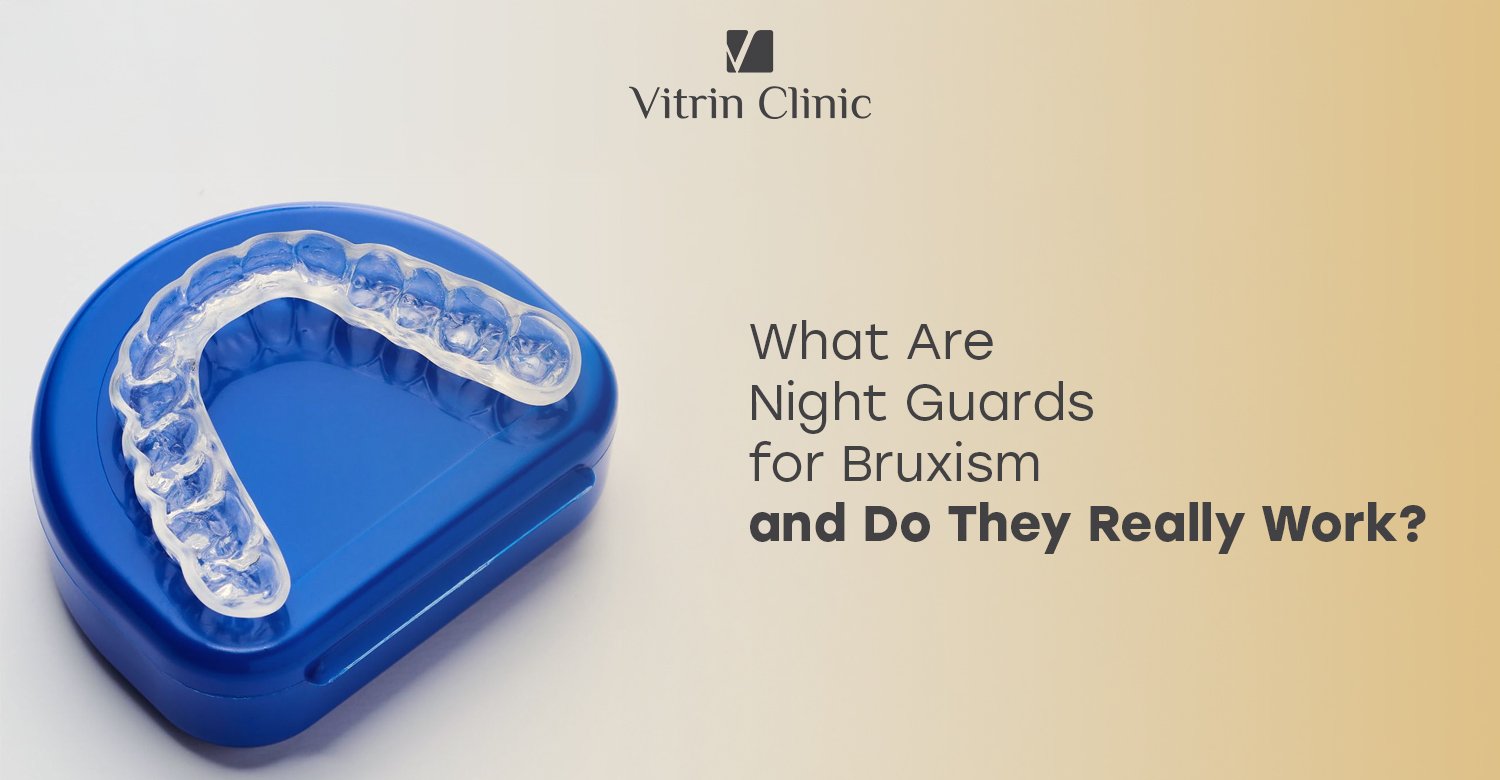
The mechanism by which night guards for bruxism work is straightforward but incredibly effective. They function as a cushion and a buffer, mitigating the destructive forces of clenching and grinding. Many patients wonder if a night guard is a protective shield or a curative tool. The truth is, while they don’t stop the underlying reflex of grinding, they prevent the resulting damage.
The primary function of a Bruxism nightguard is to intercept the grinding motion. When you clench or grind, the guard absorbs the impact, preventing tooth-on-tooth contact. This physical separation dramatically reduces the friction and abrasive wear that characterize bruxism. In essence, the durable plastic or acrylic of the guard takes the punishment that your natural teeth would otherwise endure.
This is particularly vital because the force exerted during nocturnal bruxism can be six times greater than the force used for normal chewing. These night guards help prevent damage from teeth grinding by redistributing that force safely across the surface of the appliance.
Night guards for bruxism are the best defense against the erosion of tooth enamel. Enamel is the hard, protective outer layer of your teeth. When it’s ground down, it exposes the softer dentin underneath, leading to sensitivity, chipping, fracturing, and ultimately, the need for extensive restorative work like crowns or fillings.
By covering the biting surfaces, a night guard ensures that instead of your teeth rubbing against each other, they rub against the guard’s material. The choice of Night guards for bruxism material whether hard acrylic or a softer vinyl is key to this protection, but any quality dental night guard will significantly extend the lifespan of your natural teeth.
The intense, repetitive muscle activity involved in clenching and grinding overloads the temporomandibular joints (TMJ) and the surrounding muscles of the face and neck. This is a common cause of chronic jaw pain, facial fatigue, and tension headaches, often localized in the temples or behind the eyes. A Night guard for TMJ problems, which are often a consequence of bruxism, works by providing a more stable and balanced bite position. It allows the jaw muscles to relax slightly, reducing the hyper-contraction that leads to soreness.
While protecting the teeth is the most visible benefit, a less obvious yet equally important advantage of wearing a Mouth Guard for Teeth Grinding is the improvement in sleep quality, not just for the patient but often for their partner as well.
Some custom oral appliances (mandibular advancement devices) can help reduce snoring and mild to moderate sleep apnea by moving the lower jaw forward to keep the airway open. Standard bruxism night guards, however, mainly protect teeth from grinding and are not designed to treat sleep apnea, though they may provide slight, indirect sleep benefits.
Check out the smile makeover in Jeff Bridges teeth transformation.
Custom-made night guards are considered the gold standard in bruxism treatment. They are fabricated in a professional dental laboratory based on precise impressions or digital scans of a patient’s teeth. This ensures a perfect fit, which is crucial for comfort and effectiveness.
The process begins with your dentist taking highly accurate molds or digital scans of your upper and lower arches. These records are sent to a lab, where skilled technicians use them to create a perfectly contoured appliance using high-quality acrylics or laminate materials. The final guard is then checked and adjusted by the dentist to ensure it doesn’t interfere with your bite, making for a secure and comfortable fit. This precision is why they are often referred to as the most effective form of a better option than a night guard for grinding teeth compared to less sophisticated models.
The main difference lies in the fit and durability. Custom guards hug the teeth precisely, preventing slippage or movement that can occur with generic devices. This snug fit makes them far more comfortable and less likely to cause irritation or bite changes. Furthermore, the Night guards for bruxism material used in custom guards is generally much harder and more durable than over-the-counter (OTC) plastics, lasting significantly longer and offering superior protection against heavy grinding forces.
Keep your smile perfect with Hollywood smile maintenance tips.
Over-the-counter (OTC) night guards are prefabricated or boil-and-bite mouthpieces sold in stores or online to protect teeth from mild grinding or clenching. They are inexpensive and quick to use but typically offer less precise fit, lower durability, and reduced comfort compared to custom dentist-made guards, which can limit their effectiveness for moderate to severe bruxism.
Boil-and-bite night guards are the most common type of OTC appliance. They are made from a thermoplastic material that softens when placed in hot water. The user then bites into the softened material to create a semi-customized impression of their teeth. This offers a better fit than stock guards but is still nowhere near the precision of a professional custom-made device. They provide temporary relief and a decent introductory barrier for those testing whether a Dental night guard side effects or comfort level are acceptable.
Stock night guards are the cheapest and least desirable option. They are pre-formed and not customized at all, often bulky, uncomfortable, and difficult to keep in place. They offer minimal protection and are generally not recommended by dentists because their poor fit can sometimes irritate the gums, make speaking difficult, and may even shift the bite slightly, potentially causing more harm than good in the long run.
Manage nighttime teeth grinding with Bruxism (teeth grinding) treatment.
The material choice is critical, determining the comfort, durability, and suitability of the night guard for different levels of bruxism severity. This addresses the question of Night guards for bruxism soft or hard.
Soft night guards are typically made from a flexible, rubbery material. They are generally recommended for patients who have clenching but not severe grinding, or for those who are highly sensitive to hard materials and are new to wearing an appliance. They offer high comfort but are the least durable, as heavy grinders can quickly chew right through them.
A hard night guard is made from rigid acrylic, offering the highest level of durability and protection. They are the preferred choice for patients with severe bruxism or heavy grinding, as they resist wear and maintain occlusal stability better than soft guards. They are also often used as a Night guard for TMJ relief because their rigidity helps stabilize the joint position. While they require a longer adjustment period, their longevity and effectiveness against aggressive grinding make them worthwhile.
Dual laminate night guards (or hard/soft night guards) offer the best of both worlds. They have a softer, more comfortable inner layer that rests against the teeth and a harder, durable outer layer that resists grinding. This construction offers enhanced comfort, easier insertion, and the necessary durability for moderate to heavy bruxism. They are an excellent compromise for patients who need the protection of a hard guard but desire the comfort of a soft one.
Explore effective solutions in Treatments for bruxism.
| Type | Best For | Pros | Cons |
|---|---|---|---|
| Soft Night Guard | Mild bruxism or occasional clenching | Comfortable, easy to adapt to, most affordable | Less durable, may wear quickly, can encourage chewing |
| Hard Night Guard | Moderate to severe grinding or heavy clenching | Extremely durable, precise fit, excellent protection | Less comfortable, longer adjustment period, higher cost |
| Dual Laminate Guard | Moderate to severe bruxism needing comfort & strength | Soft inner layer for comfort, hard outer layer for durability | Slightly bulkier, more expensive than soft guards |
Soft night guards are typically made from a flexible, rubbery material. They are generally recommended for patients who have clenching but not severe grinding, or for those who are highly sensitive to hard materials and are new to wearing an appliance. They offer high comfort but are the least durable, as heavy grinders can quickly chew right through them.
A hard night guard is made from rigid acrylic, offering the highest level of durability and protection. They are the preferred choice for patients with severe bruxism or heavy grinding, as they resist wear and maintain occlusal stability better than soft guards. They are also often used as a Night guard for TMJ relief because their rigidity helps stabilize the joint position. While they require a longer adjustment period, their longevity and effectiveness against aggressive grinding make them worthwhile.
Dual laminate night guards (or hard/soft night guards) offer the best of both worlds. They have a softer, more comfortable inner layer that rests against the teeth and a harder, durable outer layer that resists grinding. This construction offers enhanced comfort, easier insertion, and the necessary durability for moderate to heavy bruxism. They are an excellent compromise for patients who need the protection of a hard guard but desire the comfort of a soft one.
Protect your teeth with a Molded mouthguard for teeth protection.
Since bruxism primarily happens during sleep, many patients are unaware they have the condition. The signs, however, are often evident upon waking or during a dental check-up.
Common indicators that you may need a Mouth Guard for Teeth Grinding include:
A dentist can diagnose bruxism by examining your teeth for tell-tale signs of wear, such as attrition (the grinding down of tooth surfaces), fractures, or abfraction lesions (wedge-shaped defects near the gumline). They will also palpate your jaw muscles for tenderness and check your TMJ for abnormal function. In some cases, a specialist may recommend an overnight sleep study to confirm the diagnosis and assess its severity. Getting a professional diagnosis is essential before deciding on any Bite Guard recommendations for Bruxism.
Keep veneers flawless using Veneer maintenance tips.
Yes, children and teenagers can also suffer from bruxism, although it often resolves on its own as they mature. If the grinding is severe and causing pain or noticeable dental damage, a custom-fitted Bruxism nightguard may be recommended. The challenge with younger patients is that their jaws are still growing, meaning the guards may need to be replaced or adjusted more frequently than for adults.
Absolutely, in fact, those with expensive dental work like crowns, veneers, or bridges have an even greater need for night guards for bruxism. These restorations are costly and, while durable, are not immune to the grinding forces of bruxism. Wearing a night guard acts as an insurance policy, protecting these investments from the stresses that can cause them to chip, fracture, or wear down prematurely. A custom guard ensures a precise fit that won’t harm the margins of the restorations.
Learn how long-lasting they are in Lumineers durability guide.
Night guards are highly effective at protecting teeth from the wear and damage caused by grinding or clenching. They cushion the bite, reduce pressure on the jaw, and prevent enamel loss, cracks, and headaches. However, they do not cure the underlying cause (such as stress, sleep disorders, or bite misalignment), so combining them with treatments like stress management, dental corrections, or medical therapy provides the best long-term results.
This is a critical distinction. Night guards do not cure bruxism; they do not stop the underlying neurological or psychological triggers that cause you to clench or grind. Their function is strictly protective. They act as a mechanical buffer, preventing the symptoms of grinding (tooth wear, fractures, jaw pain) without addressing the cause (stress, anxiety, or certain medications). For those seeking a long-term solution, combining the use of the guard with stress reduction techniques, biofeedback, or, in some cases, treatments like Botox, may be considered a better option than a night guard for grinding teeth alone.
Many patients report immediate relief from jaw pain and headaches within the first few days or weeks of consistent use. The physical protection against tooth damage is, of course, immediate. However, getting used to the appliance may take several weeks, which is a key factor in adherence. If you are experiencing persistent discomfort, it may be due to the guard’s fit, in which case a follow-up with your dentist for an adjustment is necessary.
Unequivocally, yes. Regular, nightly use of a properly fitted Bruxism nightguard is the most effective and least invasive way to prevent the cumulative, long-term effects of bruxism. Without protection, years of grinding will inevitably lead to severely worn, shortened teeth, potential root canals from deep cracks, and chronic TMJ disorders. Night guards help prevent damage from teeth grinding and are considered a vital piece of preventive dentistry.
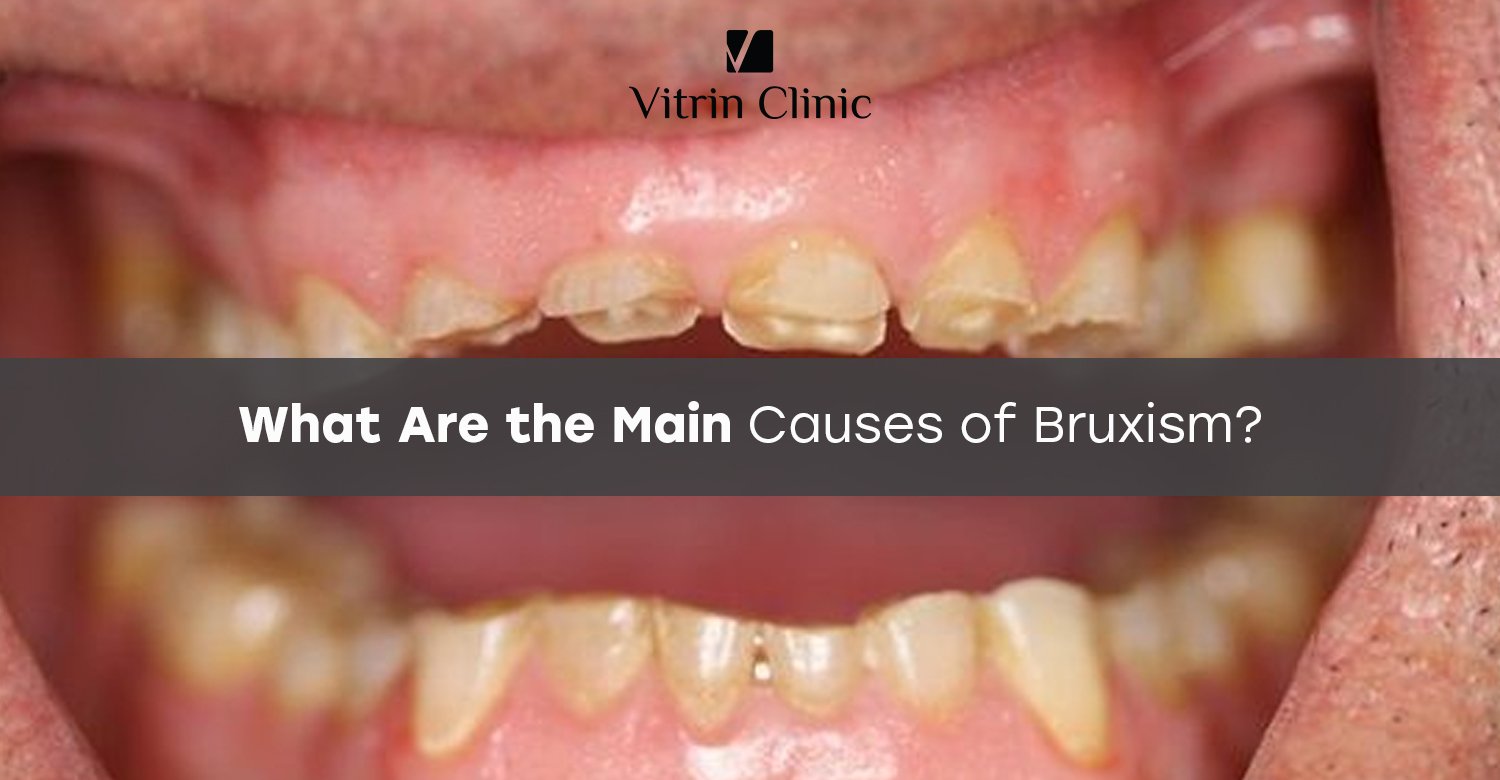
Understand why grinding occurs with Causes of bruxism.
The diagnostic process in Turkish dental clinics mirrors international standards. Dentists conduct a thorough clinical examination, assessing tooth wear, checking for sensitivity, and evaluating the functionality and health of the TMJ. Based on this examination, they will recommend a custom-made appliance, detailing the appropriate Night guards for bruxism material (soft, hard, or dual laminate) and the ideal Night guards for bruxism thickness required to protect the teeth effectively.
The initial step involves taking accurate molds of your teeth. Many modern Turkish clinics use digital intraoral scanners rather than traditional putty molds. These scans are quick, comfortable, and create a highly precise digital model of your mouth. This model is critical for fabricating a perfectly fitting appliance.
The efficiency of dental labs in Turkey is a major draw. For dental tourists, the custom fabrication process is often expedited, typically taking anywhere from 2 to 5 working days. This allows patients to have their custom-fitted Night guards for bruxism ready for final adjustments before their trip concludes.
Once the night guard is delivered, the patient will have a final fitting and adjustment appointment to ensure the bite is balanced and the fit is snug but comfortable. After this, regular check-ups, usually every six months to a year, are recommended to check the condition of the guard, assess any changes in the bite, and ensure the appliance is still providing optimal protection.
See how it affects your smile in Effects of bruxism on teeth.
In Turkey, the cost of night guards for bruxism is generally very affordable compared to Western countries while maintaining high quality. Over-the-counter (OTC) or boil-and-bite guards can start from around $50–$65 USD, making them a quick and inexpensive option for mild cases.
A custom soft night guard made by a dentist typically ranges between $110–$160 USD, while a hard acrylic or dual-laminate guard for heavy grinding usually costs about $190–$220 USD depending on the clinic and city. Prices may vary slightly based on material, customization, and whether the clinic is in a major dental tourism hub such as Istanbul, Antalya, or Izmir.
The lower cost is primarily due to several factors: lower operational expenses, lower labor costs, a competitive dental market, and a favorable exchange rate. This allows clinics to offer advanced dental care, including custom-made night guards for bruxism, at a fraction of the price found in many Western countries. The competitive pricing includes high-quality materials and professional lab work.
Yes. Custom-made night guards for bruxism are significantly more expensive than their over-the-counter counterparts, both in Turkey and elsewhere. The cost reflects the professional fee for the dentist’s time, the use of advanced scanning technology, the materials chosen, and the professional lab fee for fabrication. However, given their superior comfort, effectiveness, and lifespan, they are an investment that pays for itself over time by preventing costly dental repairs.
The price can certainly vary depending on the clinic’s location (major cities like Istanbul or Antalya may be slightly higher), the clinic’s specialization (a dedicated private clinic may charge more than a general one), and the dentist’s experience level. High-end clinics focusing on dental tourism often offer premium services and materials, which can increase the Night guards for bruxism cost in Turkey but still keep it highly competitive globally.
While local dental insurance in Turkey may offer some coverage, international patients relying on their home country’s insurance should check their policy thoroughly. Many dental insurance plans do cover custom night guards for bruxism since they are classified as a preventive or medically necessary appliance. However, coverage is not guaranteed, and out-of-pocket payment followed by reimbursement is common.
Discover how stress contributes in Link between stress and bruxism.
Night guards focus on protection, not the root cause. They shield teeth and reduce jaw strain but don’t stop the grinding itself. Other treatments aim to address triggers or retrain muscles:
A Bruxism nightguard is a mechanical, non-invasive barrier that protects the teeth and provides muscle relaxation through bite stabilization.
In contrast, Botox (Botulinum Toxin) is an injectable treatment that addresses the cause of muscle hyperactivity. Injected into the masseter and temporalis muscles, Botox temporarily weakens them, significantly reducing the force and intensity of clenching and grinding. It’s often considered a highly effective alternative or complementary treatment, especially for severe clenchers, but it’s temporary, lasting about three to six months. Some patients find that combining both is a better option than a night guard for grinding teeth alone for profound relief.
Orthodontic treatments (like braces or aligners) address the alignment of teeth and the bite (occlusion). While a misaligned bite can sometimes contribute to bruxism, orthodontics is a multi-year, complex process intended to correct structural issues.
Night guards for bruxism are a quick, reversible, and non-invasive solution focused solely on protecting the existing dentition. Orthodontic treatment is generally not prescribed just for bruxism, but if a patient undergoes alignment, a protective night guard is often required afterward to prevent relapse and protect the newly aligned teeth.
Lifestyle changes are a crucial, complementary component of bruxism management. Stress management, cognitive behavioral therapy (CBT), meditation, exercise, and avoiding caffeine and alcohol before bed can all help reduce the frequency and intensity of grinding. For mild cases, these changes might eliminate the need for an appliance. However, for moderate to severe bruxism, a Mouth Guard for Teeth Grinding remains the essential line of defense to ensure teeth and restorations are protected while long-term behavioral changes take effect.
Get a perfect fit with Custom mouthguards for teeth protection.
The most effective method is a gentle but thorough routine. Upon removal each morning, you should rinse your night guard for bruxism immediately under cool (not hot) running water to remove saliva and debris. Then, use a soft-bristled toothbrush and non-abrasive, mild soap or a specialized appliance cleaner to gently scrub all surfaces.
While counterintuitive, you should avoid using regular toothpaste to clean your night guard. Most toothpastes contain abrasive particles designed to scrub enamel, but these particles can scratch the acrylic or plastic surface of the guard. These microscopic scratches then become breeding grounds for bacteria, leading to discoloration and odor. Stick to mild hand soap or a dentist-recommended cleaner.
For a deeper clean, using a specialized denture or night guard cleaning tablet (effervescent tablet) once a week is highly recommended. These tablets contain mild disinfectants that help kill bacteria and remove stubborn deposits. An ultrasonic cleaner is a useful tool that uses sound waves to dislodge particles and can be a great addition to your routine, especially for removing calculus buildup, enhancing the hygienic quality of your night guards for bruxism.
Proper storage prevents warping and bacterial growth. Always store the guard completely dry in a vented, hard case. Never wrap it in a napkin or store it in a closed plastic bag, as this traps moisture and promotes mildew. The case should be kept in a cool, dry place away from pets (who love to chew them!) and direct sunlight or heat, which can cause the material to warp and ruin the fit.
The lifespan of a night guard for bruxism varies dramatically depending on the material, the severity of the patient’s grinding, and how well it’s maintained.
Your dentist will check the wear pattern during your regular check-ups. Signs it needs replacement include cracks, holes, or being completely worn thin in areas. Continuing to use a heavily worn guard compromises its effectiveness and reduces the benefits of night guards.
Initial discomfort is common as the jaw muscles adjust to a new resting position and the mouth adapts to the foreign object. This typically fades after a few weeks. However, a poorly fitted or bulky night guard, especially an ill-fitting OTC guard, can occasionally cause jaw joint (TMJ) pain or muscle soreness by forcing the jaw into an unstable position. It will not usually make the underlying bruxism worse, but it can exacerbate TMJ symptoms. If pain persists beyond the initial adjustment period, the guard needs professional adjustment.
Most custom-fitted night guards for bruxism do not interfere with breathing. In fact, some can subtly improve airway alignment. However, having a foreign object in the mouth can stimulate the salivary glands, leading to an increase in drooling initially. This is a common and temporary side effect that the body usually adjusts to within a few weeks of consistent use.
This is a serious concern, especially with long-term use of thick, poorly fitting, or generic OTC guards. If a guard covers only a portion of the teeth or is significantly too thick, it can prevent the unprotected teeth from fully meeting, potentially leading to unwanted changes in the bite (occlusion).
This is why a custom-made, well-adjusted night guard is crucial. They are designed to provide even contact across all teeth, maintaining occlusal stability and preventing these long-term issues, underscoring why a custom option is a good mouth guard investment.
If you’re ready to protect your smile and put an end to the discomfort of jaw pain and headaches caused by Night Time Bruxism, a custom night guard is the essential first step. Discover the comfort and protection of a precision-fitted appliance. Visit vitrin clinic. today to take the next step towards a better night’s sleep and lasting dental health. Free Consultation.
[sc_fs_multi_faq headline-0=”h3″ question-0=”What is the average lifespan of a night guard?” answer-0=”About 2–5 years, depending on material quality, bite force, and care.” image-0=”” headline-1=”h3″ question-1=”How do I know if my night guard fits correctly?” answer-1=”It should feel snug, stable, and comfortable without causing pain or pressure.” image-1=”” headline-2=”h3″ question-2=”Can I wear a night guard if I have braces?” answer-2=”Yes, but it must be a special design made by your orthodontist or dentist.” image-2=”” headline-3=”h3″ question-3=”How long does it take to get used to sleeping with a night guard?” answer-3=”Usually a few nights to two weeks.” image-3=”” headline-4=”h3″ question-4=”Are night guards only worn at night or during the day too?” answer-4=”Mostly at night, but severe clenchers may need daytime wear.” image-4=”” headline-5=”h3″ question-5=”Can night guards break or wear down over time?” answer-5=”Yes, heavy grinding can cause cracks, thinning, or holes.” image-5=”” headline-6=”h3″ question-6=”Do night guards work for both clenching and grinding?” answer-6=”Yes, they protect teeth from both habits.” image-6=”” headline-7=”h3″ question-7=”Is it safe to buy night guards online?” answer-7=”Over-the-counter guards are safe for mild cases, but custom dental guards offer better fit and protection.” image-7=”” headline-8=”h3″ question-8=”Can a night guard cure bruxism permanently?” answer-8=”No, it protects teeth but doesn’t stop the underlying cause.” image-8=”” headline-9=”h3″ question-9=”Should I choose a dentist in Turkey or order one abroad?” answer-9=”Dentists in Turkey offer high-quality, affordable custom guards, often at lower cost than many other countries” image-9=”” count=”10″ html=”true” css_class=””]

O Dr. Faisal Kayali possui mais de 7 anos de experiência clínica e faz parte atualmente da equipe médica da Vitrin Clinic.