Laser Dentistry
September 15, 2025
Laser Dentistry
Minimally Invasive
Faster Healing
Greater Precision
Reduced Anxiety
Versatile Applications
Improved Patient Experience
Plan your procedure with confidence using our guide on Wisdom tooth extraction in Turkey 2025.
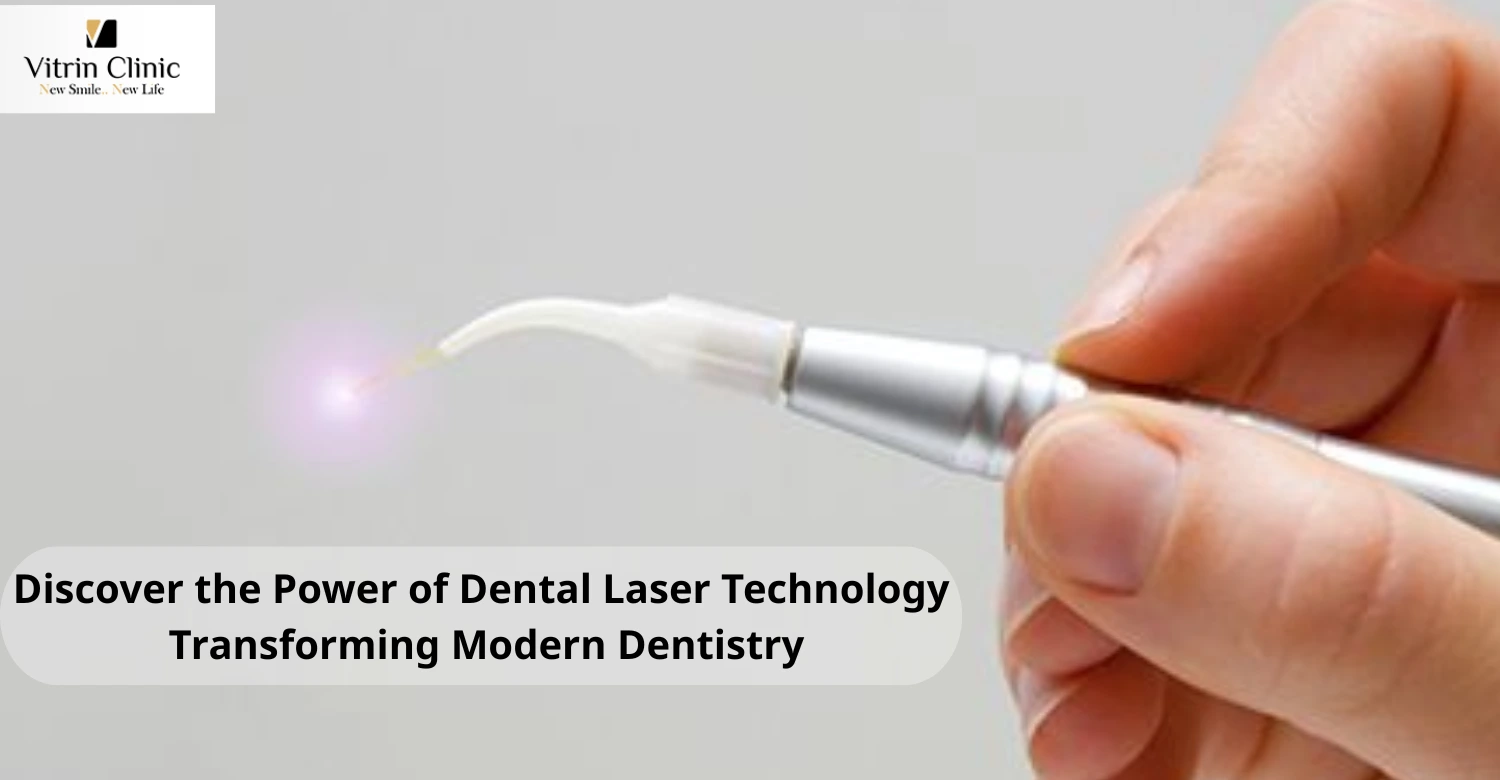
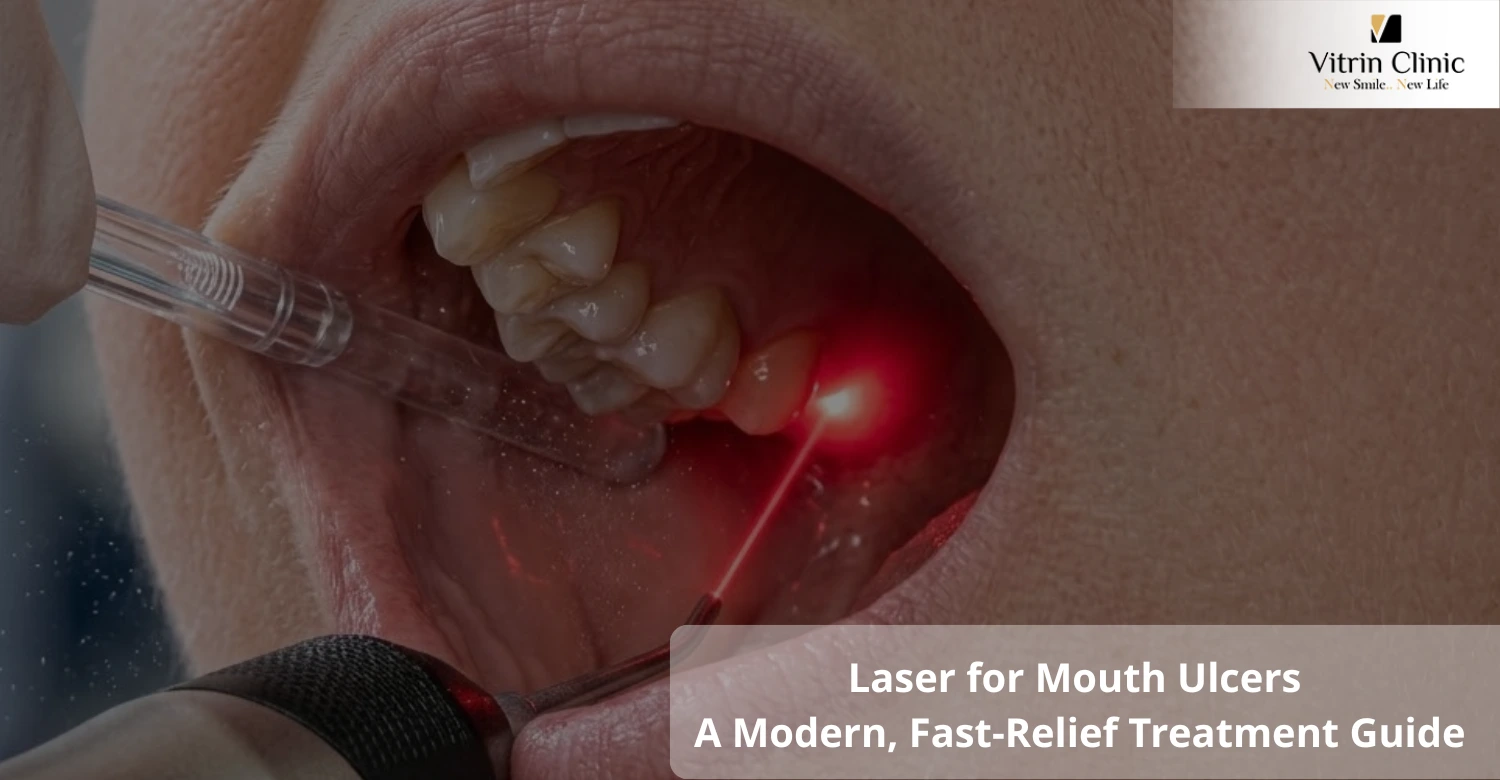
Laser dentistry involves the use of focused laser light to treat both soft tissues (gums, mucosa) and hard tissues (teeth, bone) in the mouth. It enables dentists to perform procedures with greater precision and less trauma than conventional tools.
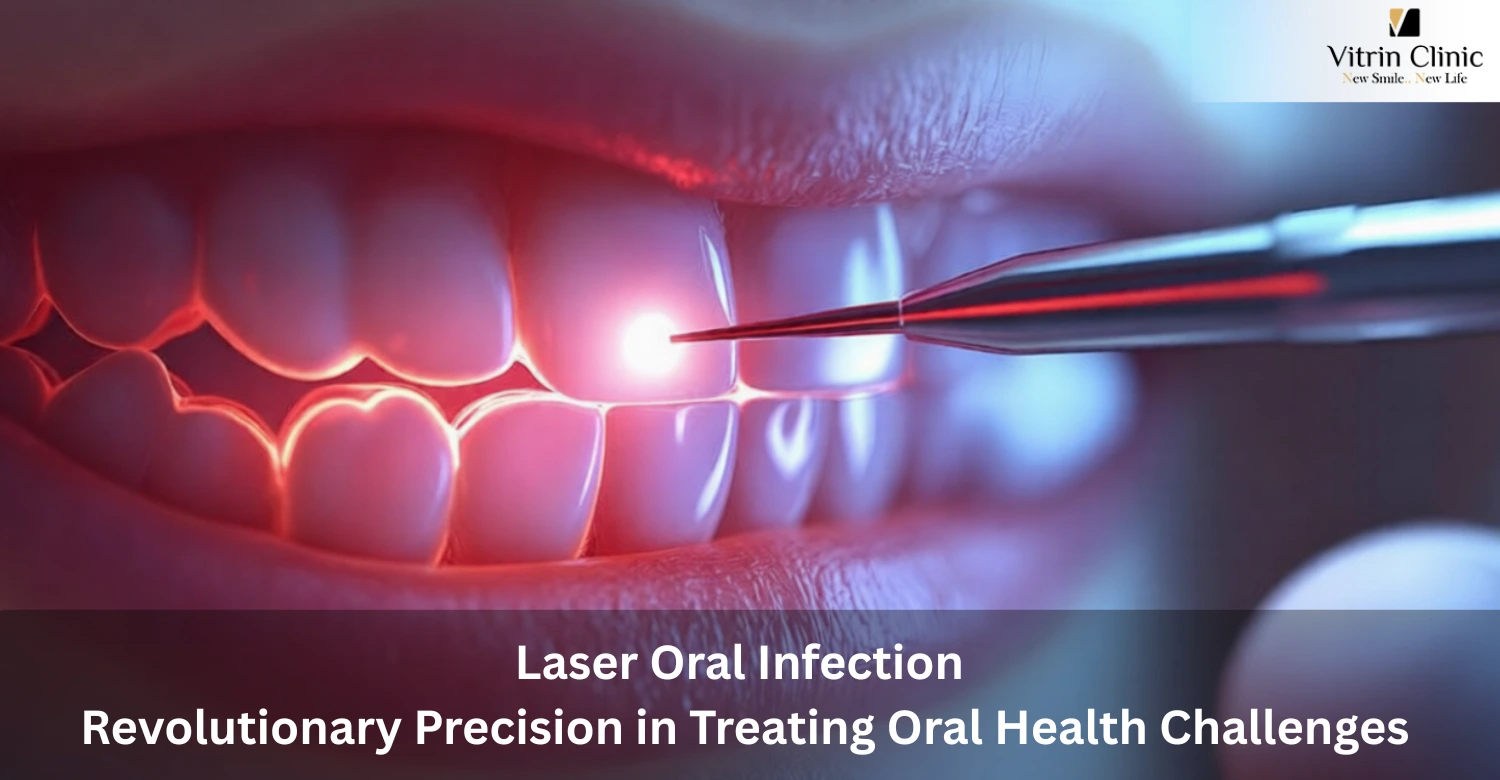
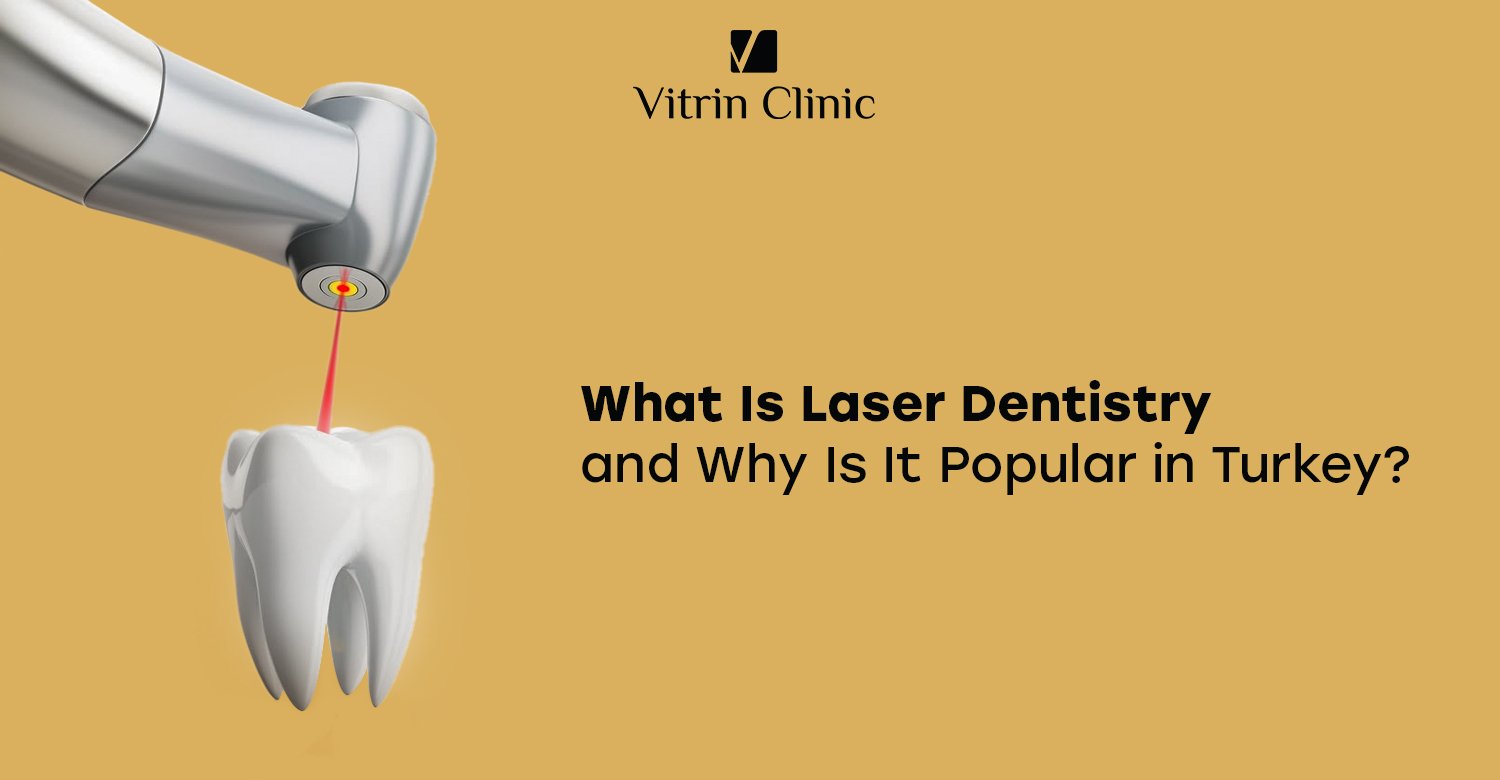
Lasers produce a high-energy light beam that interacts with oral tissues by cutting, vaporizing, or sterilizing cells, depending on the wavelength and intensity.
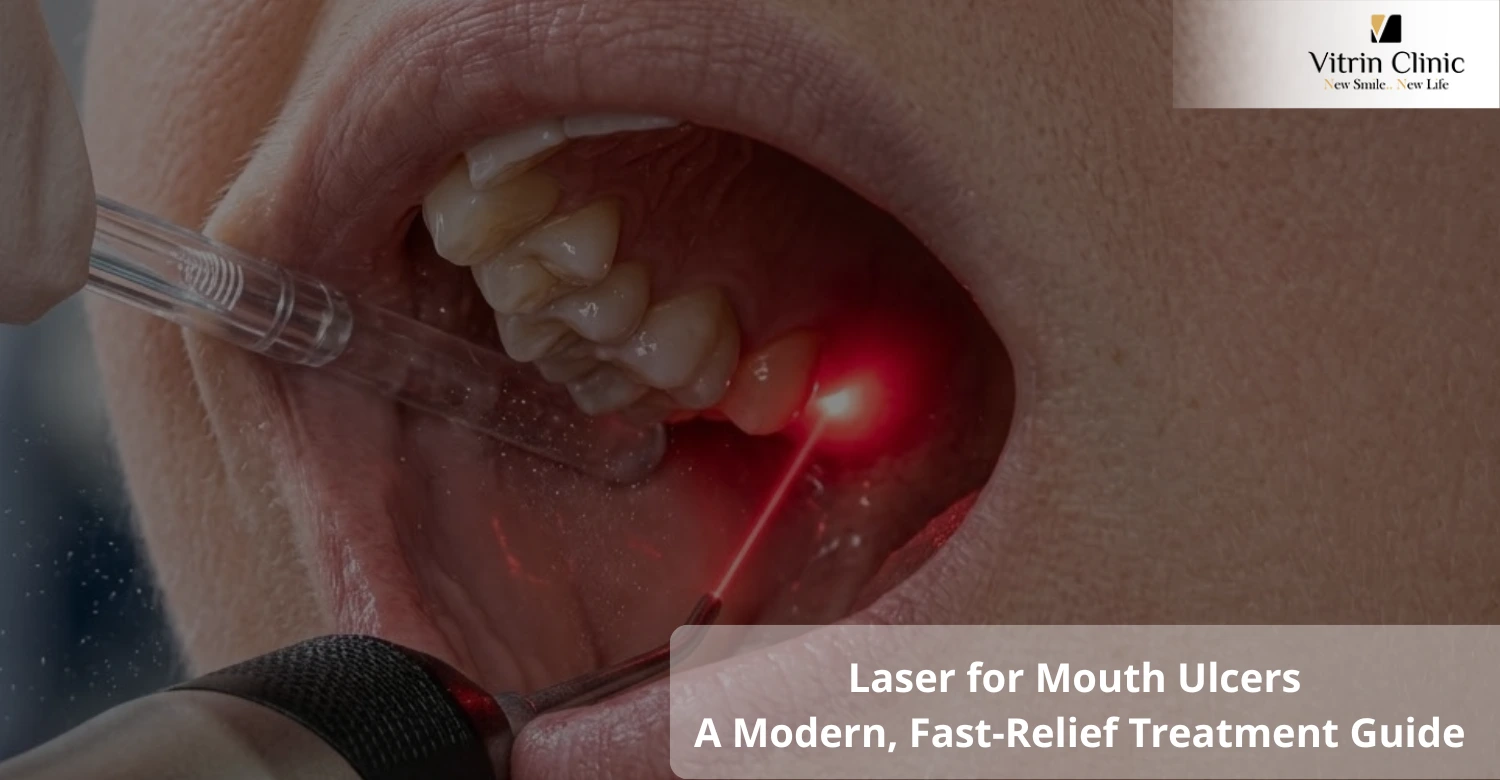
Soft tissue lasers target gums and oral mucosa to reshape, remove lesions, or sterilize areas without damaging surrounding tissue.
Hard tissue lasers work on enamel, dentin, and bone to remove decay, prepare cavities, or assist in surgeries like root canals.
Unlike drills or scalpels, lasers offer bloodless, less painful, and more precise treatments, reducing the need for anesthesia and accelerating healing.
Benefits include:
Explore precise and painless treatments with our Laser dentist services.
Laser dentistry covers many areas, including cavity treatment, gum disease, teeth whitening, and dental surgeries.
Lasers remove decayed tooth material and prepare teeth for fillings without the noise and vibration of drills.
The laser beam vaporizes decayed enamel and dentin, sterilizing the area as it works.
Lasers create a roughened surface to help fillings adhere better.
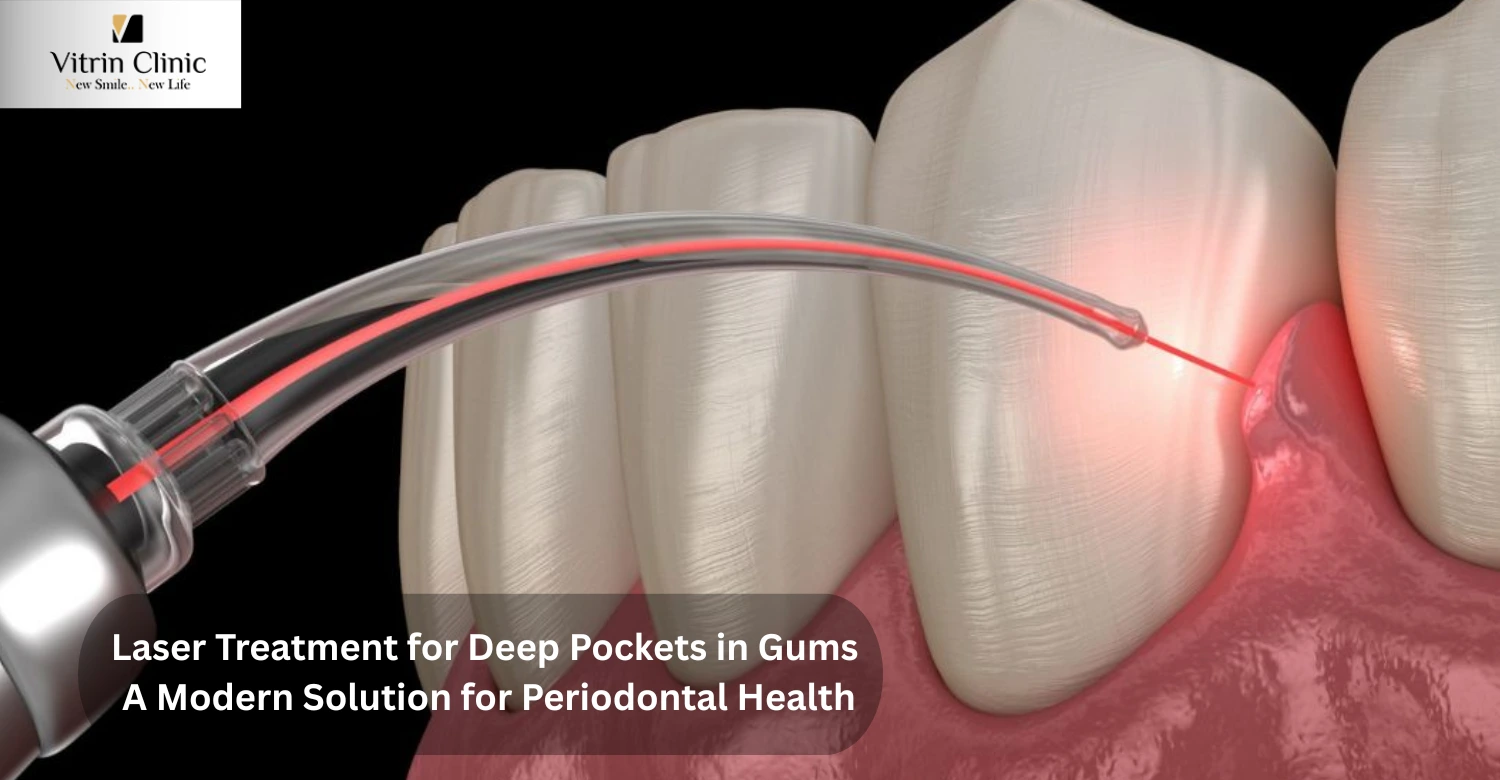
Lasers remove infected gum tissue and kill bacteria in pockets, promoting healing.
It is a procedure where lasers reshape uneven gums to improve aesthetics or reduce gum pockets.
The laser’s light energy destroys bacteria and diseased tissue without harming healthy gums.
Lasers activate whitening agents during bleaching treatments, enhancing results in less time.
Laser use in surgeries results in less bleeding, reduced swelling, and faster healing compared to traditional methods.
Learn how Gingivectomy can improve your gum health and smile aesthetics.
Lasers cause less tissue trauma and often eliminate the need for injections.
Because lasers are precise and less invasive, many treatments can be done without or with minimal anesthesia.
Laser energy seals blood vessels and nerve endings during treatment, reducing bleeding and swelling.
Lasers stimulate cell regeneration and reduce inflammation, allowing quicker tissue repair.
Less pain, noise, and fear-inducing drilling make lasers ideal for children and those with dental anxiety.
Discover how Gum contouring enhances the look of your teeth.
Can’t remove metal fillings or work well on large cavities
Equipment is expensive, which may increase treatment fees
Drills or scalpels might be needed in combination with lasers
Less effective for deep cavities or hard enamel removal
Requires specialized training and experience
Laser technology isn’t available everywhere
Some plans consider it elective or premium care
Some procedures like large cavity drilling, certain orthodontic work, or major oral surgeries still require traditional tools.
The high cost of laser equipment and training increases treatment prices.
Results depend heavily on the quality of the laser device and the operator’s skill.
Understand the procedure and benefits of Endodontic microsurgery for complex root issues.
Corrects uneven gum lines (“gummy smile”)
Creates a more symmetrical and aesthetic appearance
Activates bleaching agents for faster, deeper whitening
Reduces treatment time and improves results
Lightens dark spots or patches on gums for a pinker appearance
Quick and minimally invasive
Fine-tunes soft tissue around visible teeth for a balanced smile
Often combined with veneers or crowns
Improves smile aesthetics and function
Leaves little to no scarring
Exposes more of the tooth for a better crown fit and improved look
Done with precision and less trauma than traditional surgery
Lasers reshape uneven gum lines, creating a balanced, more attractive smile.
Genetics, gum disease, or trauma can cause gums to appear uneven or overly prominent.
Lasers precisely trim excess tissue with minimal bleeding and faster healing.
Lasers remove gum tissue to expose more tooth surface, improving crown placement and smile aesthetics.
They remove excess tissue that interferes with denture fit, allowing better comfort and retention.
| Factor | Laser Dentistry | Traditional Methods |
|---|---|---|
| Pain Level | Often minimal; may not need anesthesia | Typically requires anesthesia; more discomfort |
| Bleeding | Minimal due to laser cauterization | More bleeding; may require stitches |
| Precision | High targets specific areas only | Less precise; may affect surrounding tissue |
| Noise & Vibration | Quiet and smooth | Noisy drills and strong vibration |
| Healing Time | Faster due to reduced trauma | Slower; more tissue damage |
| Infection Risk | Lower laser sterilizes as it works | Higher : tools may introduce bacteria |
| Need for Sutures | Rarely needed | Often required |
| Procedure Duration | Often shorter; fewer visits | May take longer and require multiple appointments |
| Tool Invasiveness | Minimally invasive | More invasive |
| Cost | Higher (due to advanced equipment) | Typically lower |
| Availability | Limited to specialized clinics | Widely available everywhere |
| Versatility | Great for soft tissue and whitening | Better for complex restorative work |
Lasers target only diseased tissue, preserving healthy structures and causing less damage.
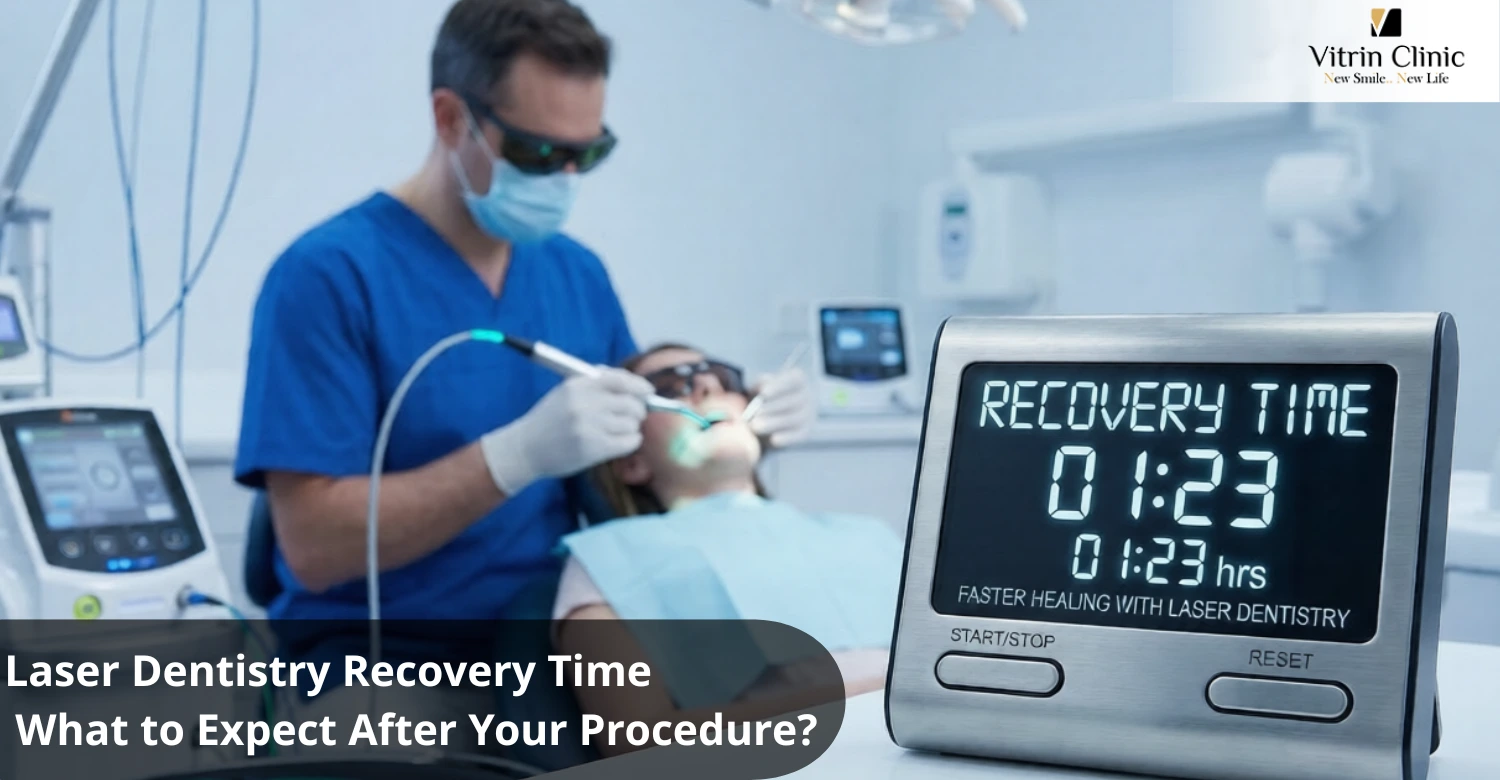
Recovery is generally quicker and less painful with lasers, with fewer complications.
Laser treatments often lead to more predictable and durable outcomes due to precision.
Safety of Laser Dentistry – Key Points
Conditions for Safety
Clinics follow strict protocols, including eye protection and equipment sterilization.
Patients wear protective eyewear, and dentists use barriers to protect surrounding tissues.
Side effects are minimal but can include temporary sensitivity or mild irritation.
| Treatment Type | Typical Price Range (USD) |
|---|---|
| Laser Bleaching (single jaw) | $165 |
| Laser Bleaching (both jaws) | $225 |
| General In‑Office Laser/Zoom Whitening | $150 – $400 |
| Average Laser Teeth Whitening | $250 – $350 |
| High-End/Comprehensive Packages | $300 – $600 |
| Zoom Whitening Specific | $150 – $350 |
Prices in Turkey are often 40–60% lower than in Europe or the USA.
| Factor | How It Influences Cost |
|---|---|
| Procedure Type & Complexity | More advanced or invasive = higher cost |
| Clinic Location & Prestige | Central or tourist hubs = more expensive |
| Dentist’s Expertise | Well‑known specialists charge premium |
| Equipment & Technology | State-of-the-art gear increases overhead |
| Materials Used | Premium consumables raise costs |
| Package Inclusions | More convenience features = higher price |
| Exchange Rate & Overheads | Turkish economy gives cost advantage to foreigners |
| Competition & Incentives | Competitive market + subsidies keep prices lower |
Complex surgeries cost more than simple procedures like gum reshaping.
Clinics with high standards and international accreditations charge premium prices.
Experienced dentists with laser certification often command higher fees.
Most cosmetic laser treatments are not covered by insurance, though some medical laser procedures might be.
High-quality treatments at 50–70% lower cost than in the US, UK, or EU
State-of-the-art equipment, including FDA- and EU-approved laser systems
Many are internationally trained and specialize in laser and cosmetic dentistry
From laser whitening to gum surgery, all under one roof
Clinics offer packages with airport pickup, translation, hotels, and transport
Fast appointment scheduling, often within days
Many clinics meet EU/US health and hygiene standards
Thousands of positive reviews and before–after cases from global patients
Combine dental treatment with vacation in cities like Istanbul, Antalya, or Izmir
They invest in latest-generation lasers from top manufacturers, ensuring superior care.
Many Turkish dentists receive specialized laser training and international certifications.
Affordable prices, quality care, and vacation opportunities combine to create an attractive package.
Lower operational costs, government support for medical tourism, and currency advantages reduce prices.
Confirm you’re a good candidate for laser treatment
Discuss your dental history, medications, and expectations
Removes plaque and tartar for better laser effectiveness
At least 24–48 hours before the procedure to support healing
Especially if you’re having soft tissue work (you may need to avoid eating for a few hours after)
Keep teeth and gums clean to reduce bacteria during treatment
Your dentist may recommend desensitizing toothpaste beforehand
Some may provide special mouthwash, medications, or fasting instructions
Arrange transportation or time off if you’re having a more complex procedure
Maintain good oral hygiene, avoid smoking, and disclose medical history.
You may feel slight warmth or vibration but usually little to no pain.
Follow dentist instructions: gentle brushing, avoid irritants, and attend follow-ups.
Development of lasers with greater precision and versatility
Faster, less painful procedures with improved outcomes
Combining lasers with 3D imaging, CAD/CAM, and AI for personalized treatments
Use in regenerative dentistry, treating infections, and minimally invasive surgeries
Wider adoption as equipment becomes more affordable and training more common
Reduced anxiety and discomfort will make laser dentistry the preferred choice for many
Less waste and chemical use compared to traditional methods
Lasers promoting faster tissue regeneration and less inflammation
AI-driven diagnostics to customize laser treatments remotely
New lasers offer greater precision, adjustable wavelengths, and integration with digital imaging.
AI can assist in diagnosis and treatment planning, while robotics may improve laser delivery accuracy.
Increasing demand for minimally invasive, pain-free dental care drives global adoption.
[sc_fs_multi_faq headline-0=”h3″ question-0=”What dental issues can be treated with lasers?” answer-0=”Cavities, gum disease, soft tissue lesions, teeth whitening, and minor surgeries.” image-0=”” headline-1=”h3″ question-1=”Is laser dentistry completely pain-free?” answer-1=”Mostly yes, but sensitivity varies by patient and procedure.” image-1=”” headline-2=”h3″ question-2=”How long do laser dentistry procedures take?” answer-2=”Most sessions last between 15 minutes to 1 hour.” image-2=”” headline-3=”h3″ question-3=”Can children safely undergo laser dental treatments?” answer-3=”Yes, lasers are often ideal for children due to reduced discomfort.” image-3=”” headline-4=”h3″ question-4=”Are laser dental treatments permanent?” answer-4=”Results last long but depend on oral hygiene and habits.” image-4=”” headline-5=”h3″ question-5=”Do lasers replace the need for drilling?” answer-5=”For small cavities, yes; larger restorations may still need drilling.” image-5=”” headline-6=”h3″ question-6=”Is laser teeth whitening better than traditional whitening?” answer-6=”It offers faster, more effective activation of whitening agents.” image-6=”” headline-7=”h3″ question-7=”How soon can I eat after a laser dental procedure?” answer-7=”Usually within a few hours, unless otherwise advised.” image-7=”” headline-8=”h3″ question-8=”Can laser dentistry fix receding gums?” answer-8=”Lasers can treat gum disease and reshape gums but cannot reverse severe recession.” image-8=”” headline-9=”h3″ question-9=”How do I choose the best laser dentistry clinic in Turkey?” answer-9=”Look for certified dentists, modern equipment, good reviews, and transparent pricing.” image-9=”” count=”10″ html=”true” css_class=””]

Dr.Faisal Kayalı has over 7 years ofclinical experience and is currently part of the medical team at and is currently part of the medical team at Vitrin Clinic